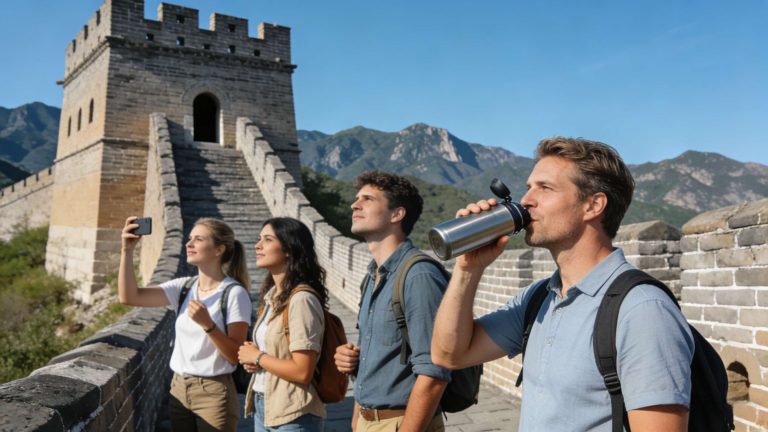
Traveling to China offers incredible opportunities for photography enthusiasts, from stunning natural landscapes to rich cultural heritage. Whether you prefer historic sites, scenic views, or local life, this guide will help you capture the best moments safely and efficiently.
Photography Preparation Before Your Trip
Before heading to China, make sure to bring a reliable camera, extra memory cards, and spare batteries. While cameras and accessories are available in major cities, some specific types or formats may be hard to find, so preparing ahead is highly recommended.
Additional essentials:
Universal power adapter for recharging devices.
Waterproof or protective gear for your camera in case of weather changes.
Best Places to Photograph in China
Historic & Cultural Sites
Capture the essence of China’s history at iconic landmarks:
Beijing: The Great Wall, Forbidden City, Temple of Heaven
Xi’an: Terracotta Warriors and Horses Museum
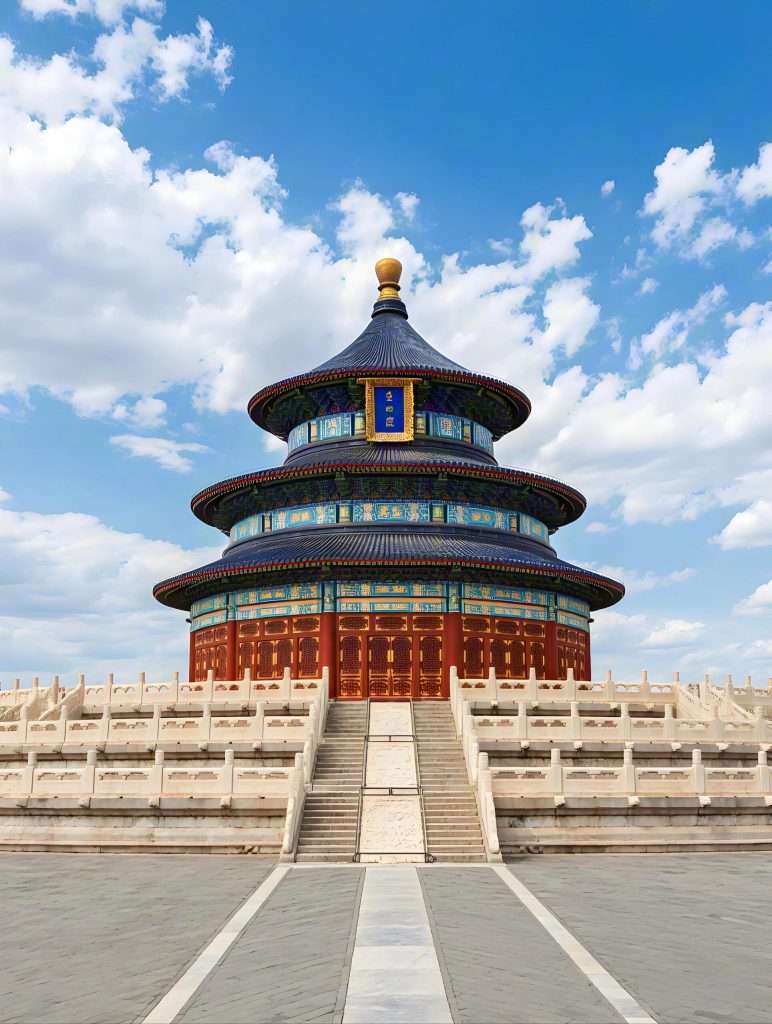
Temple of Heaven
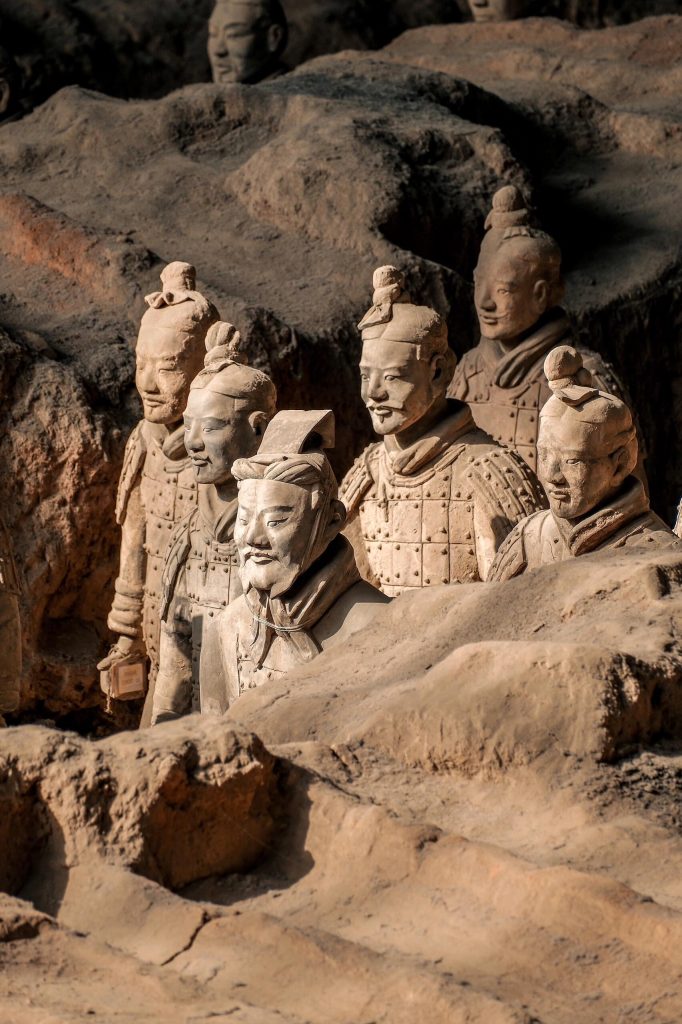
Terracotta Warriors and Horses Museum
Natural Landscapes
Western China is renowned for its breathtaking scenery:
Sichuan: Jiuzhaigou Valley
Hunan: Zhangjiajie Scenic Area
Inner Mongolia: Populus Euphratica forests in Ejina
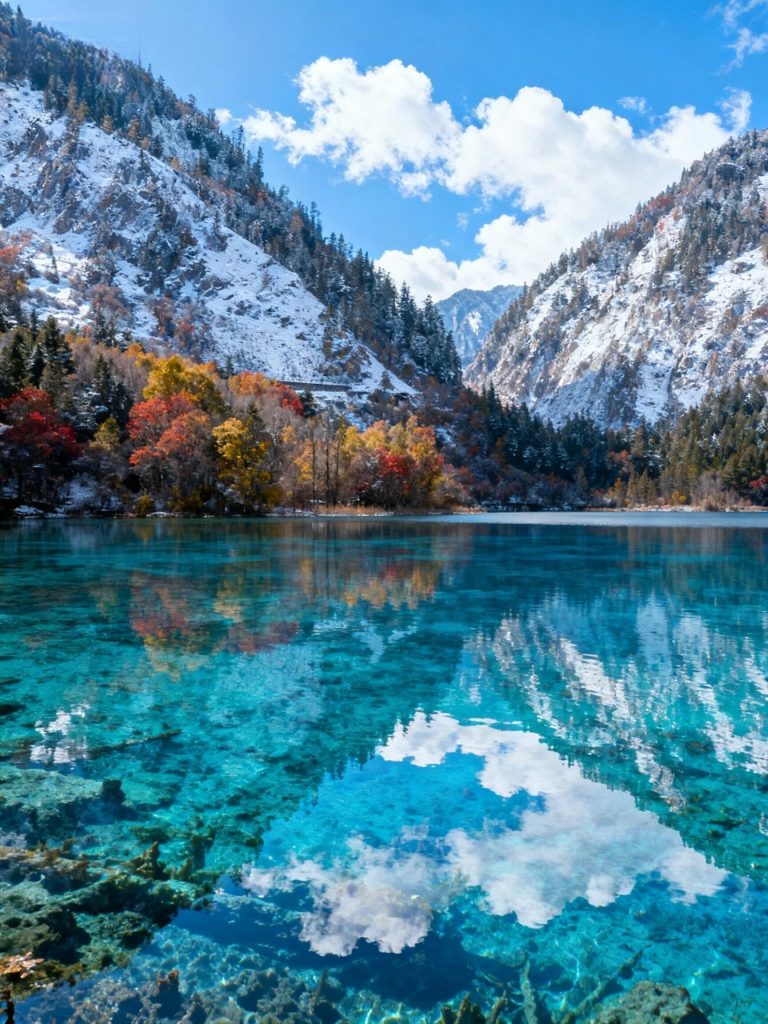
Jiuzhaigou Valley
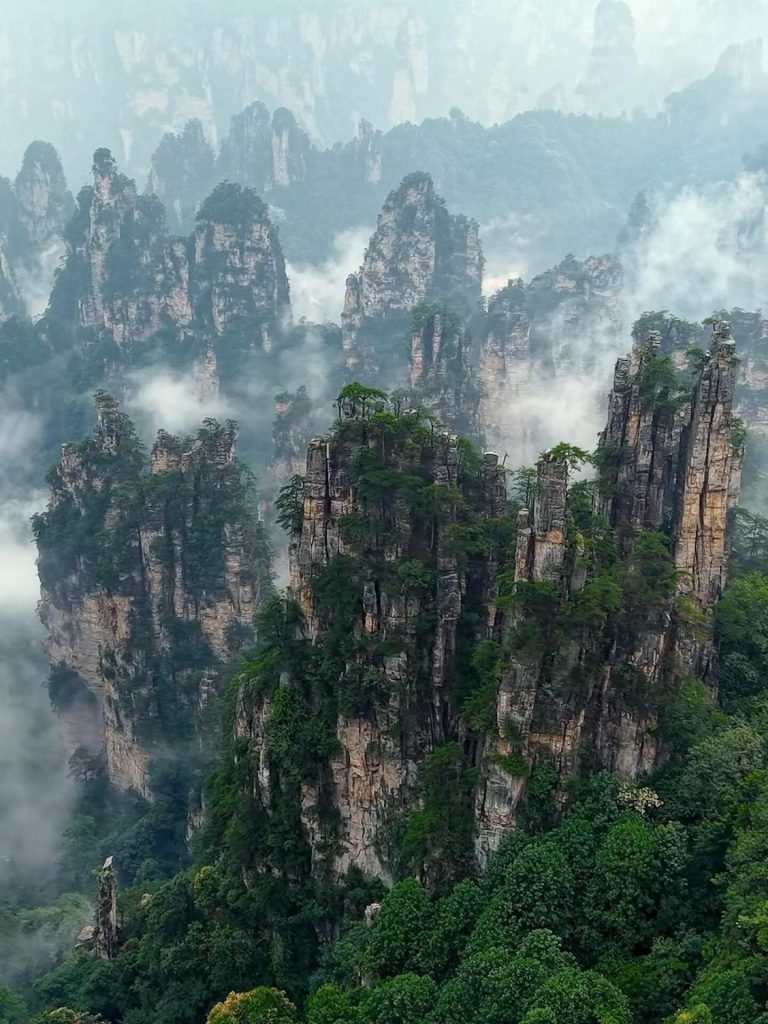
Zhangjiajie Scenic Area
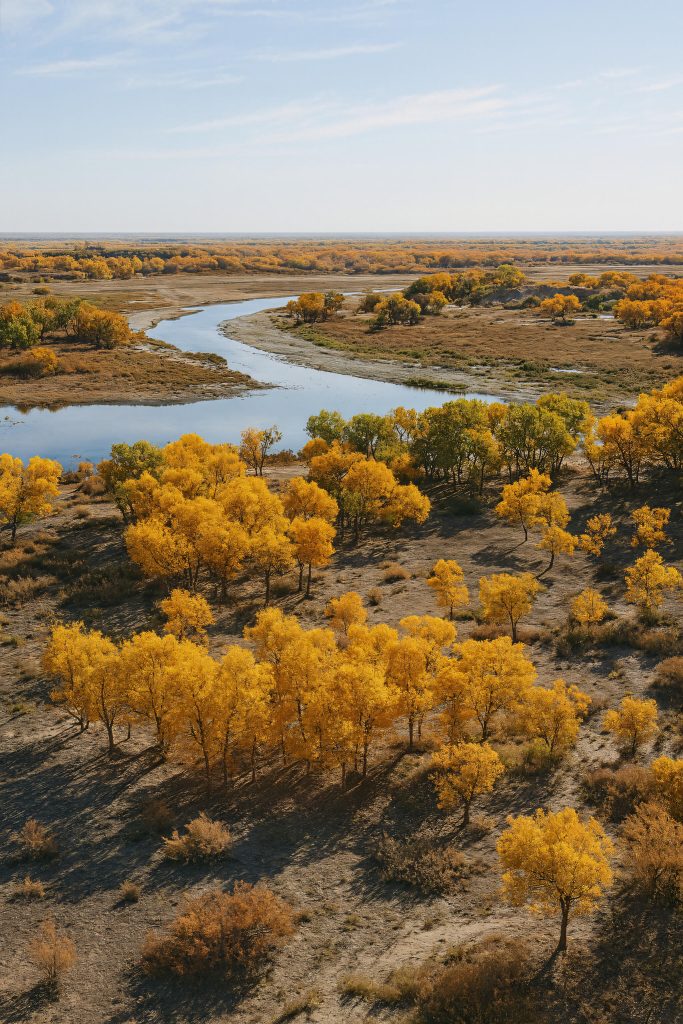
Populus Euphratica forests in Ejina
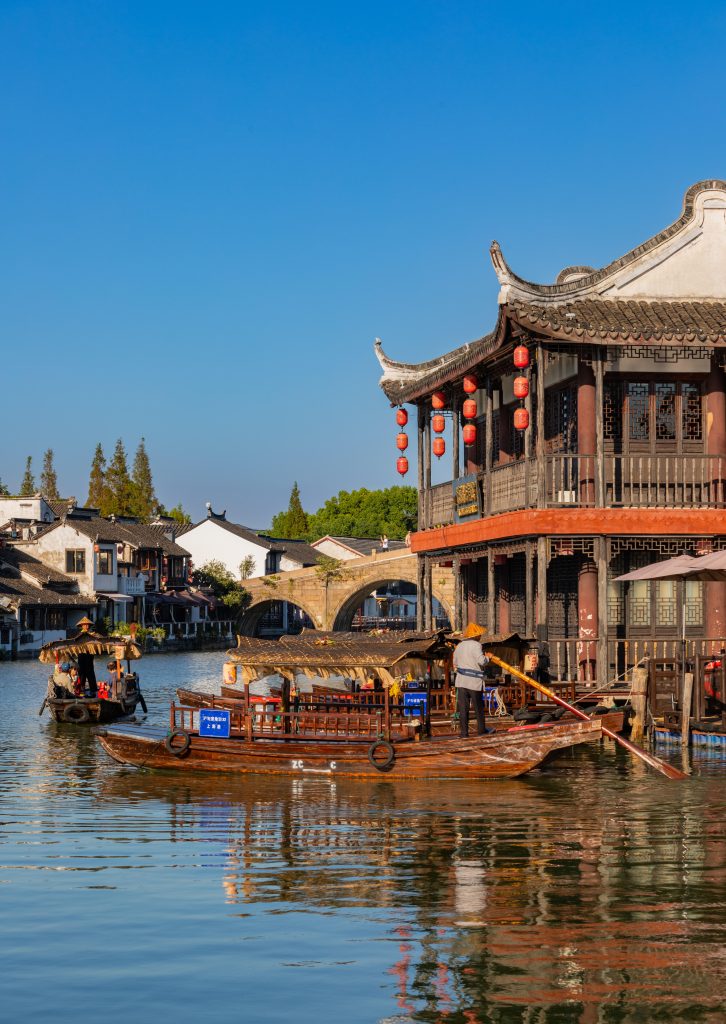
Water Towns of Southern China
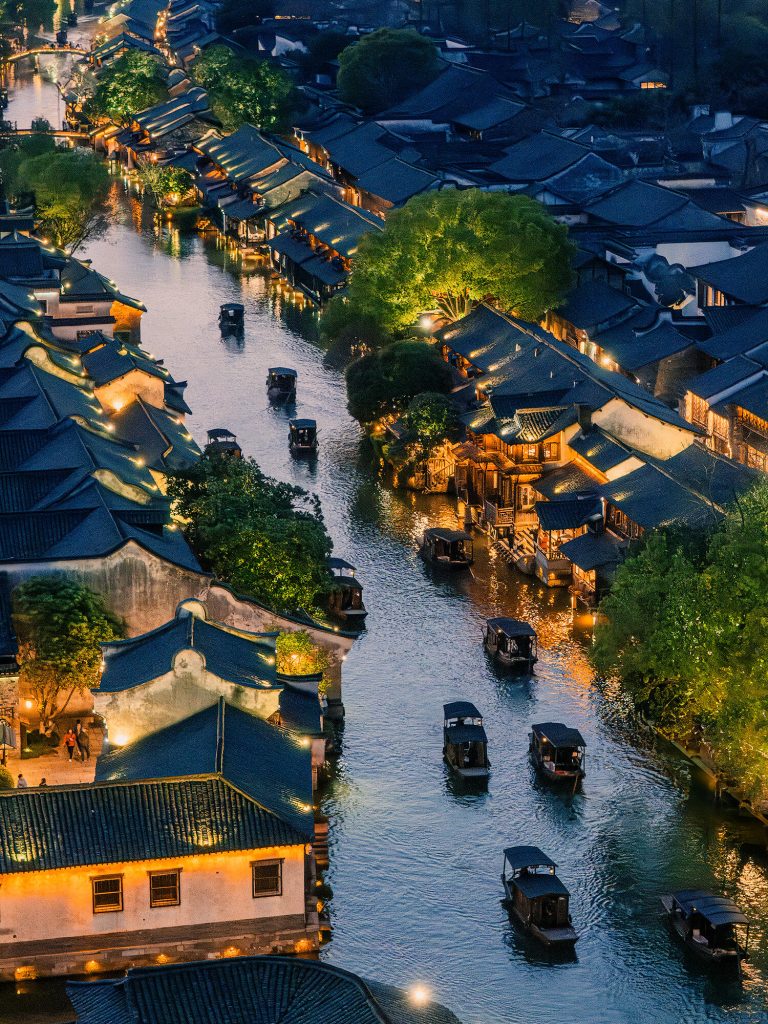
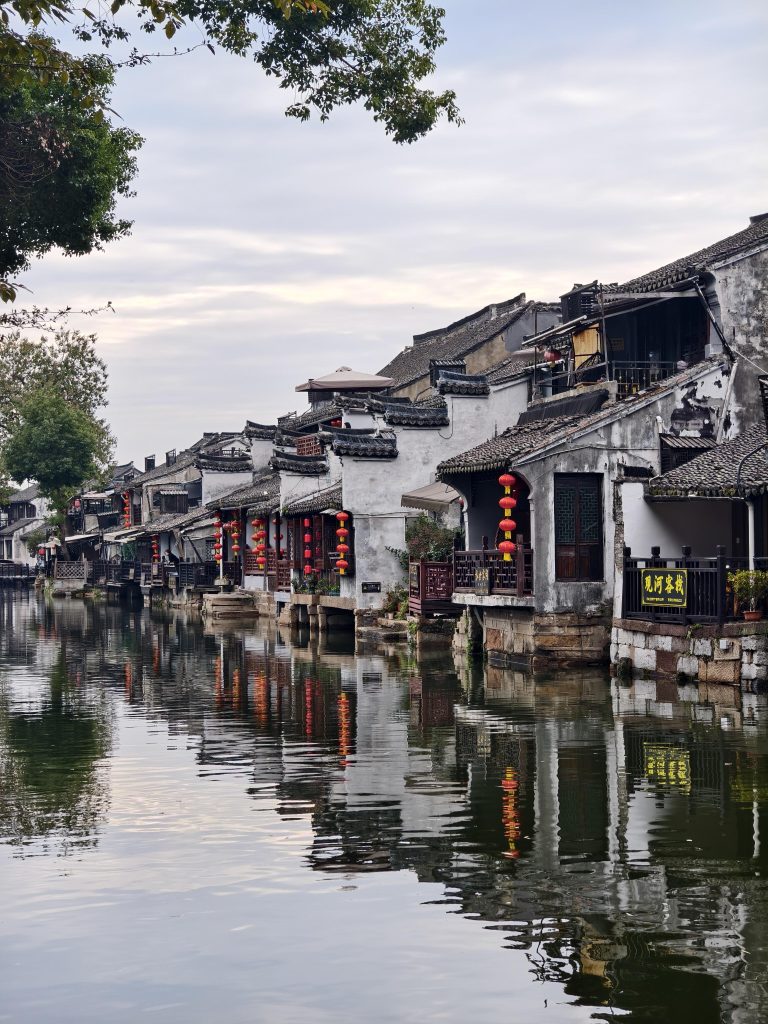
Classic riverside scenes can be found in:
Zhouzhuang, Wuzhen, Xitang, Zhujiajiao
Ethnic Minority Regions
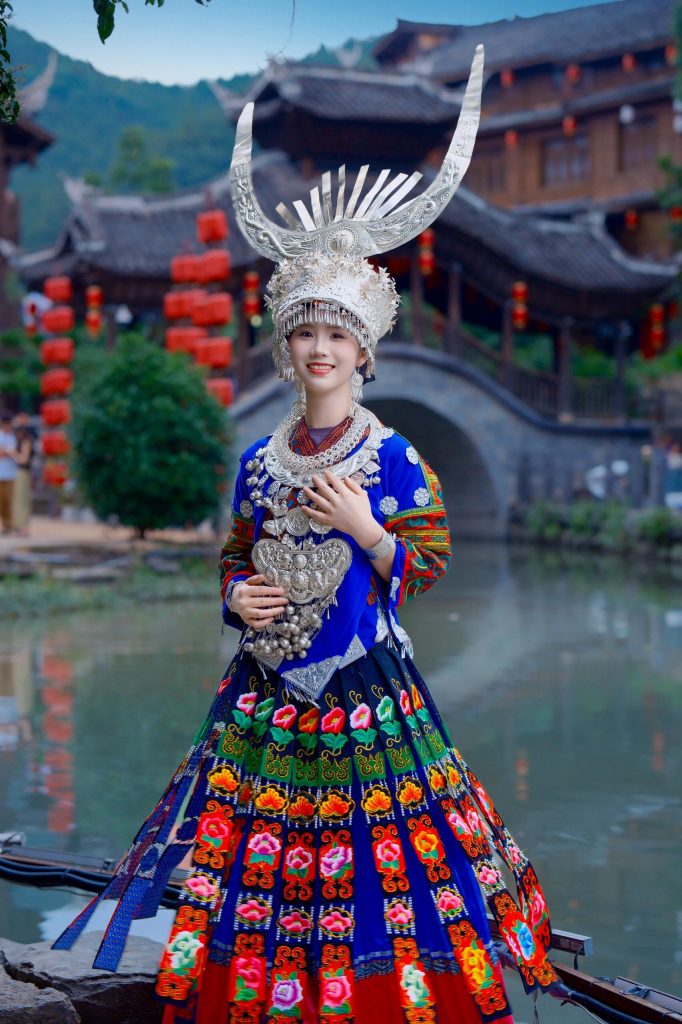
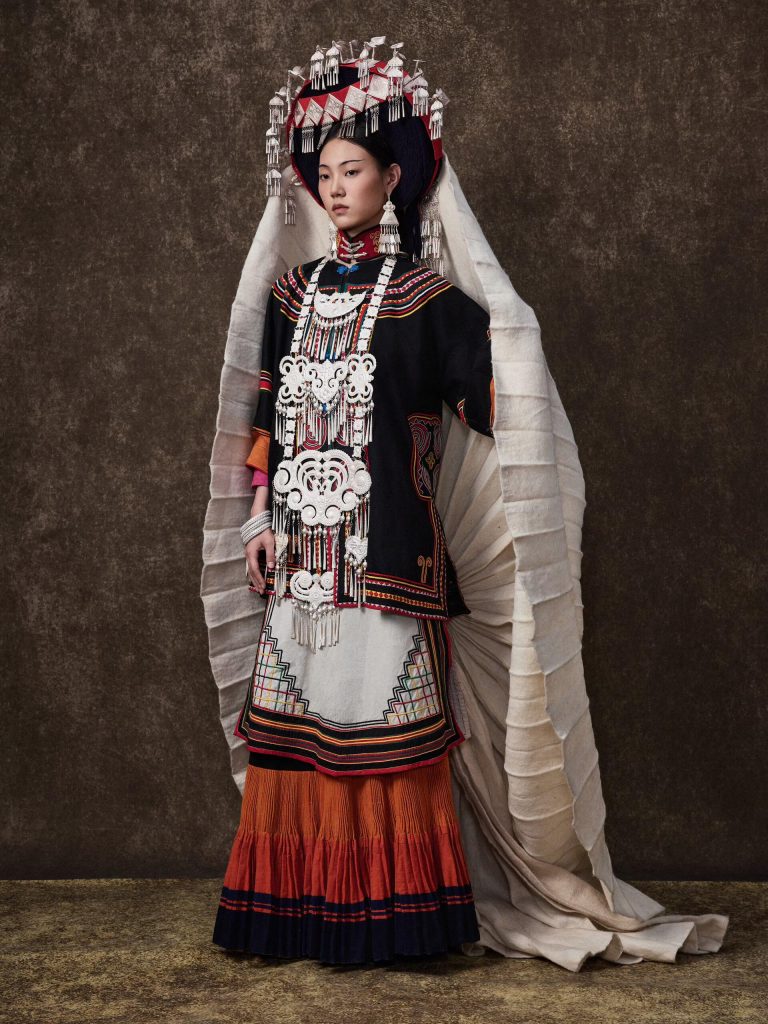
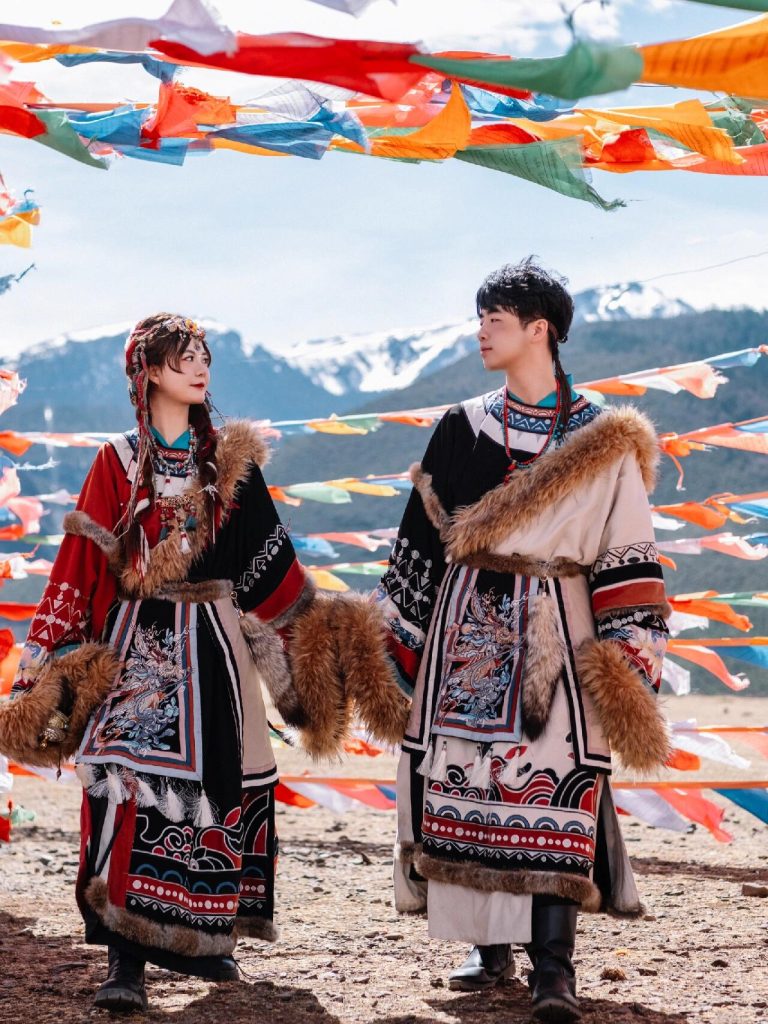
Yunnan and Guizhou provinces offer opportunities to photograph diverse ethnic cultures, traditional attire, and unique village life.
Restricted Photo-Taking Areas
Certain locations in China have strict photography rules:
Beijing: Chairman Mao Memorial Hall
Nanjing: Sun Yat-Sen Mausoleum
Museums, temples, monasteries, palaces, and some national scenic spots often display “No Photos” or “No Flash” signs.
Sensitive or religious areas such as Tibet, Potala Palace, and Mogao Caves may require special permissions or fees.
Always follow posted rules to respect local laws and cultural sensitivities.
Practical Photography Tips
Bring film or memory cards from home; avoid buying in tourist areas.
Carry extra batteries and charging adapters.
Consider weather conditions for optimal lighting.
Avoid photographing military bases, customs areas, or airports.
Clarify fees before taking photos in private or restricted sites.
Respect “No Photos” zones in museums, temples, and cultural relics.
Seek permission before photographing locals or street scenes.
Maintain safe distance in wildlife reserves; follow safety signs.
Observe photography restrictions in special regions like Tibet.
Do not use telephoto lenses to invade personal privacy.
Film development and printing are widely available and high-quality in most cities.
Avoid flash photography or A-frame cameras in exhibition halls.
Video recording is also a great way to preserve travel memories.
Recommended Photo Subjects
Great Wall of China – iconic panoramic shots
Pandas – capture playful wildlife moments
Traditional Chinese Food – vibrant culinary photography
Peking Opera & Cultural Performances – colorful costumes and action shots
Cityscapes: Beijing, Shanghai, Xi’an, Guilin, Tibet