Transportation in China plays a vital role due to the country’s vast territory and large population. Over the past century, China has developed one of the world’s most extensive and efficient transportation networks, making travel between cities and regions increasingly convenient for both locals and international visitors.
China’s modern transportation system began to take shape in the late 19th and early 20th centuries. The first railway was constructed in 1876, followed by the development of highways in 1906. Civil aviation officially started in 1929, and since then, continuous investment and technological progress have driven rapid expansion across all transport sectors.
Today, China operates a comprehensive transportation network that includes civil aviation, railways, highways, and waterways. By the early 2010s, the total length of highways in China had reached over 4.2 million kilometers, ranking among the longest in the world. At the same time, railway passenger traffic has grown to billions of trips annually, highlighting the importance of rail travel in daily life and tourism.
Major cities are equipped with advanced transportation infrastructure such as expressways, electrified railways, metro systems, light rail, and even maglev trains. High-speed trains connect most large and medium-sized cities, offering a fast, comfortable, and affordable way to travel across the country. Domestic flights further shorten travel time between distant regions, while buses and ferries serve areas not covered by rail or air routes.
Despite its efficiency, China’s transportation system can experience heavy congestion during peak travel periods. Public holidays, especially Chinese New Year and National Day, see massive population movement as people return to their hometowns or travel for leisure. During these times, airports, train stations, highways, and city roads may become extremely crowded.
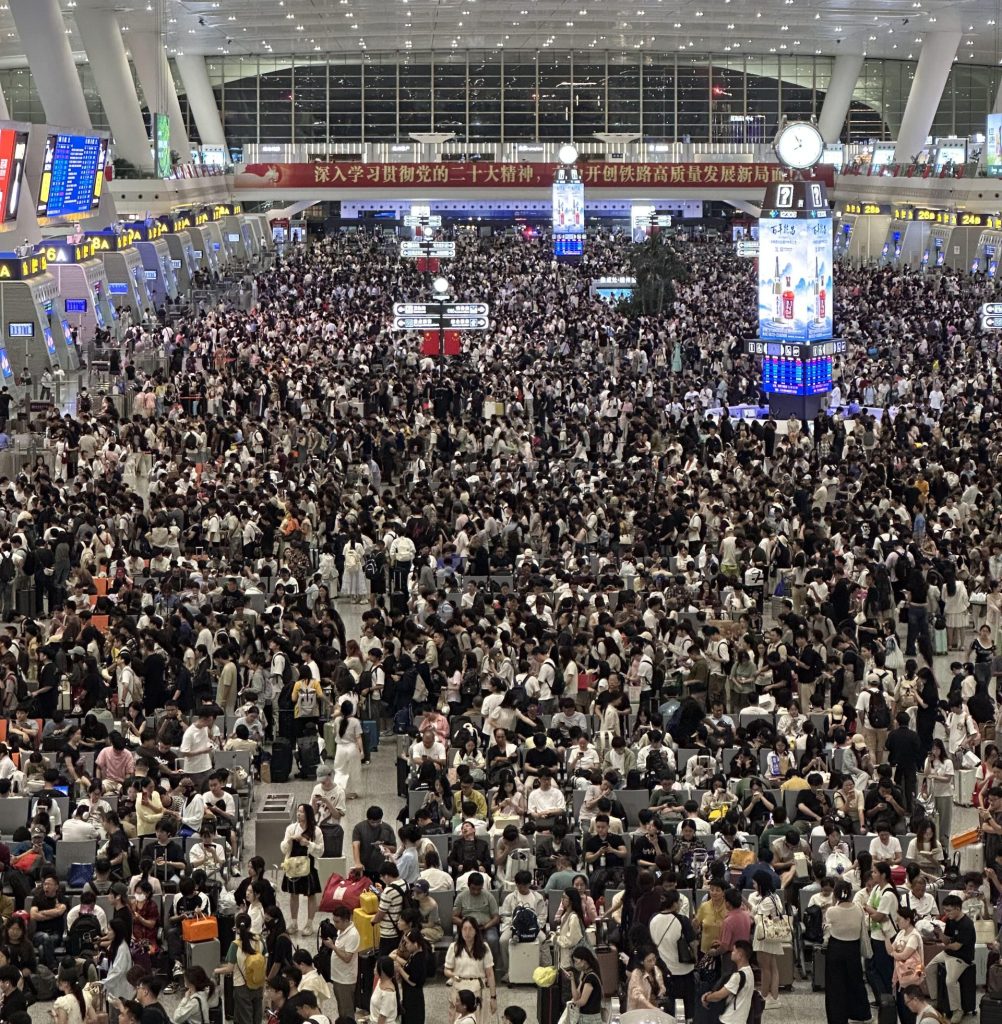
For travelers planning a trip to China, it is strongly recommended to avoid major national holidays whenever possible. Booking flights, trains, and accommodation well in advance can significantly reduce travel stress. In large cities, allowing extra time for daily transportation is also advisable due to increasing urban traffic pressure.
Overall, China offers a reliable, modern, and well-connected transportation system. With proper planning, visitors can easily navigate the country and enjoy smooth travel experiences between destinations.