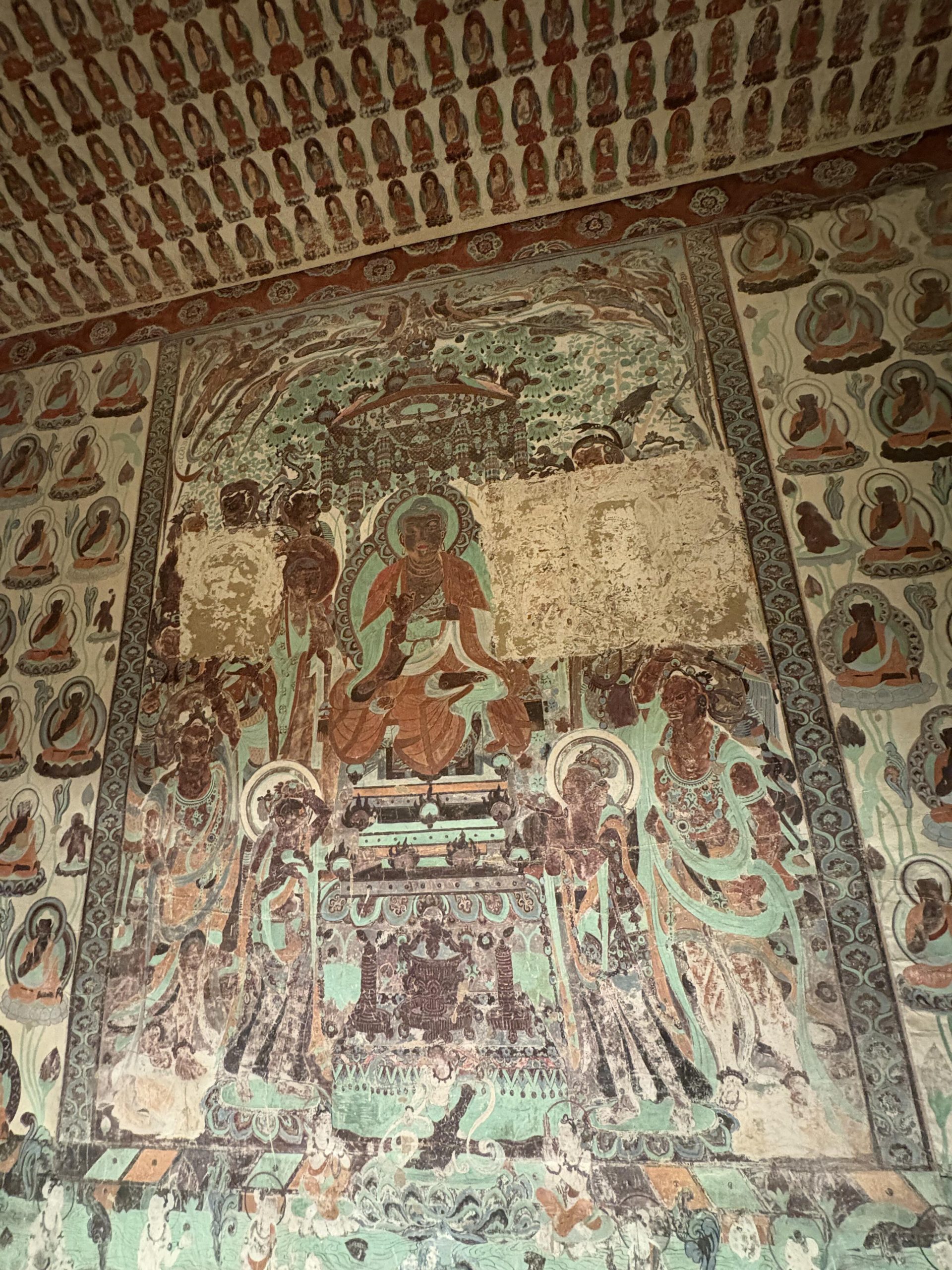
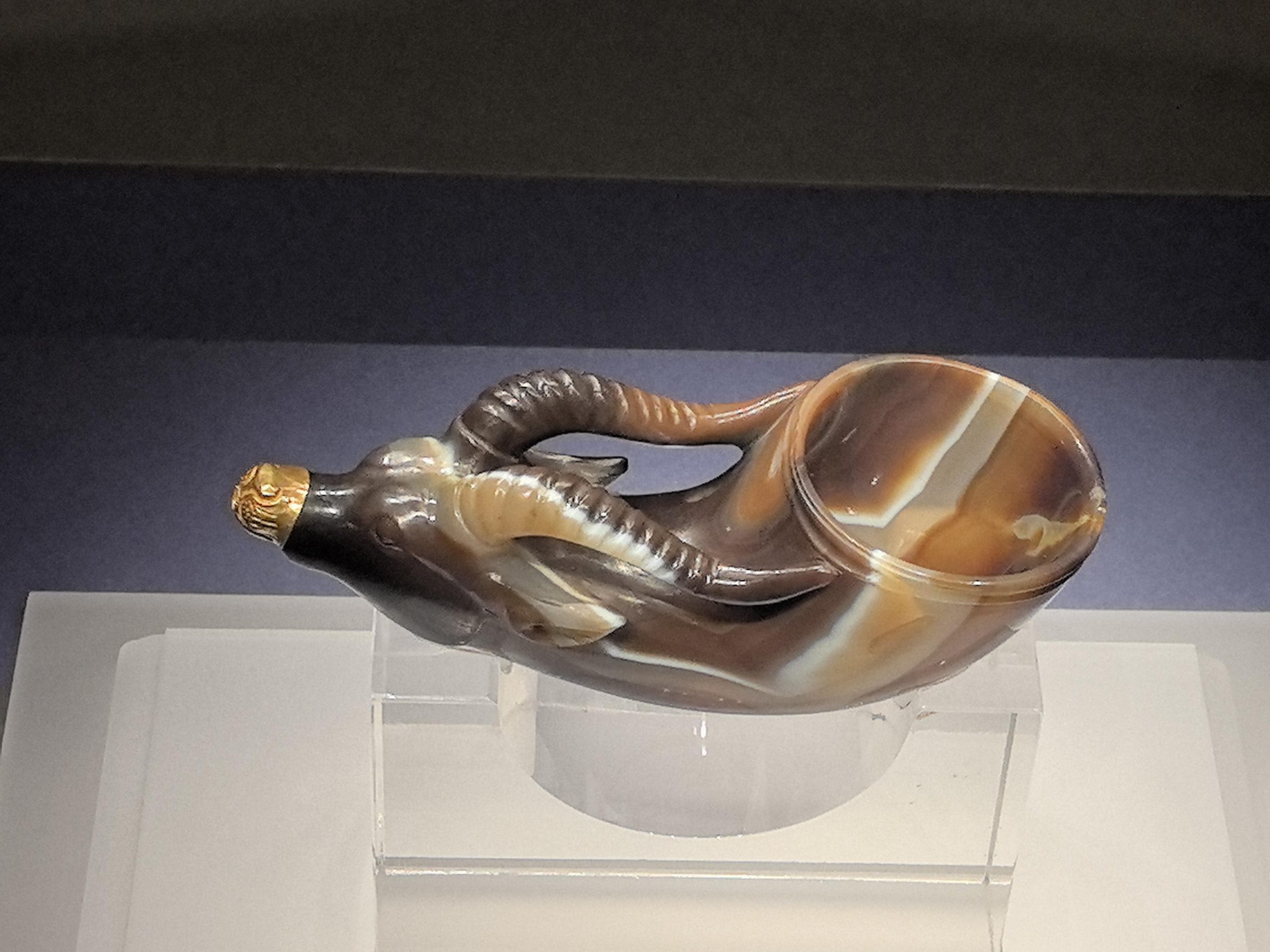
Tang Dynasty
The Tang Dynasty (618–907) is widely regarded as the most brilliant and influential period in Chinese history. During nearly three centuries of rule, the Tang Empire reached unprecedented heights in politics, economy, culture, and international exchange, becoming one of the most powerful and prosperous civilizations in the world at that time.
Establishment of the Tang Dynasty
At the end of the Sui Dynasty, widespread corruption and harsh governance led to nationwide rebellions. In 617, Li Yuan, a senior official of the Sui court, launched a military uprising in Taiyuan. Later that year, his forces captured Chang’an (modern Xi’an), the political center of China.
In 618, following the assassination of Emperor Yang of Sui, Li Yuan declared himself emperor and founded the Tang Dynasty, establishing Chang’an as the capital. This marked the beginning of a new era of stability and renewal after years of turmoil.
The Glorious Period of the Tang Empire
The first golden age of the Tang Dynasty occurred during the reign of Emperor Taizong (Li Shimin) from 627 to 649. Under his enlightened rule, known as the Reign of Zhenguan, the government was efficient, corruption was restrained, and agriculture and commerce flourished. Social order was stable, and the Tang Empire expanded its influence far beyond China’s borders.
After Emperor Taizong, political power gradually shifted to Wu Zetian, the only female emperor in Chinese history. Although controversial, her rule maintained economic growth and administrative stability, and she strengthened the imperial examination system.
The second and most prosperous peak came during the reign of Emperor Xuanzong (712–756). This era, known as the Kaiyuan Heyday, represented the summit of Tang civilization. The economy thrived, arts and literature flourished, and Chang’an became the largest and most cosmopolitan city in the world, attracting merchants, diplomats, and scholars from Asia, the Middle East, and beyond.
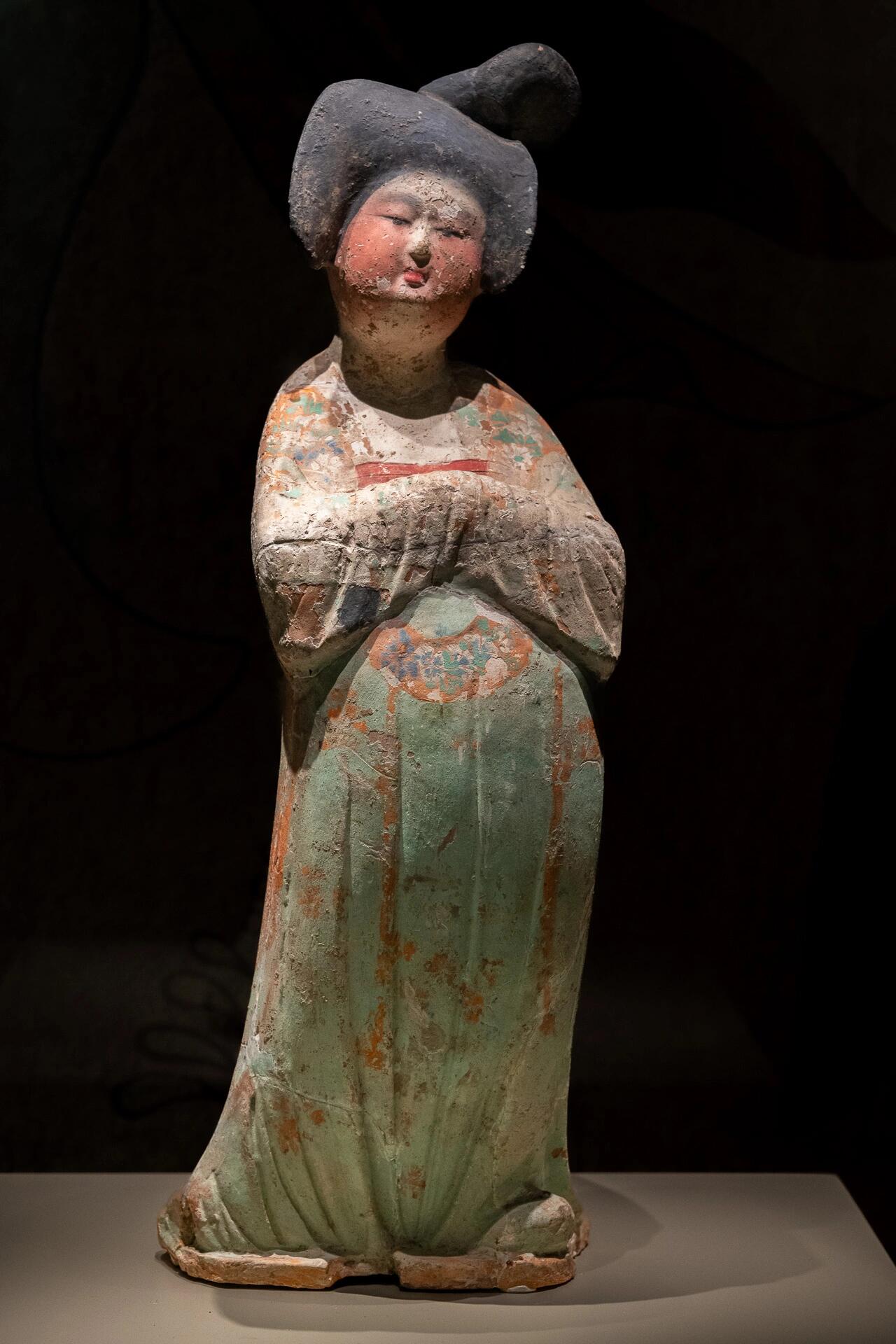
Decline and Fall of the Tang Dynasty
In his later years, Emperor Xuanzong grew increasingly indifferent to state affairs. Court corruption intensified, eunuchs gained excessive power, and regional military governors became independent.
In 755, the devastating An Lushan Rebellion severely weakened the Tang central government. Although the rebellion was eventually suppressed, the dynasty never fully recovered. Continuous power struggles, economic decline, and large-scale peasant uprisings further eroded imperial authority.
In 907, the last Tang ruler, Emperor Ai, was forced to abdicate, officially ending the Tang Dynasty and ushering in a period of fragmentation in Chinese history.
Historical Significance of the Tang Dynasty
The Tang Dynasty left a lasting legacy in Chinese civilization. Its political institutions, cultural achievements, religious tolerance, and open foreign policies deeply influenced later dynasties. Even today, the Tang era is remembered as a symbol of cultural confidence, prosperity, and global exchange in ancient China.