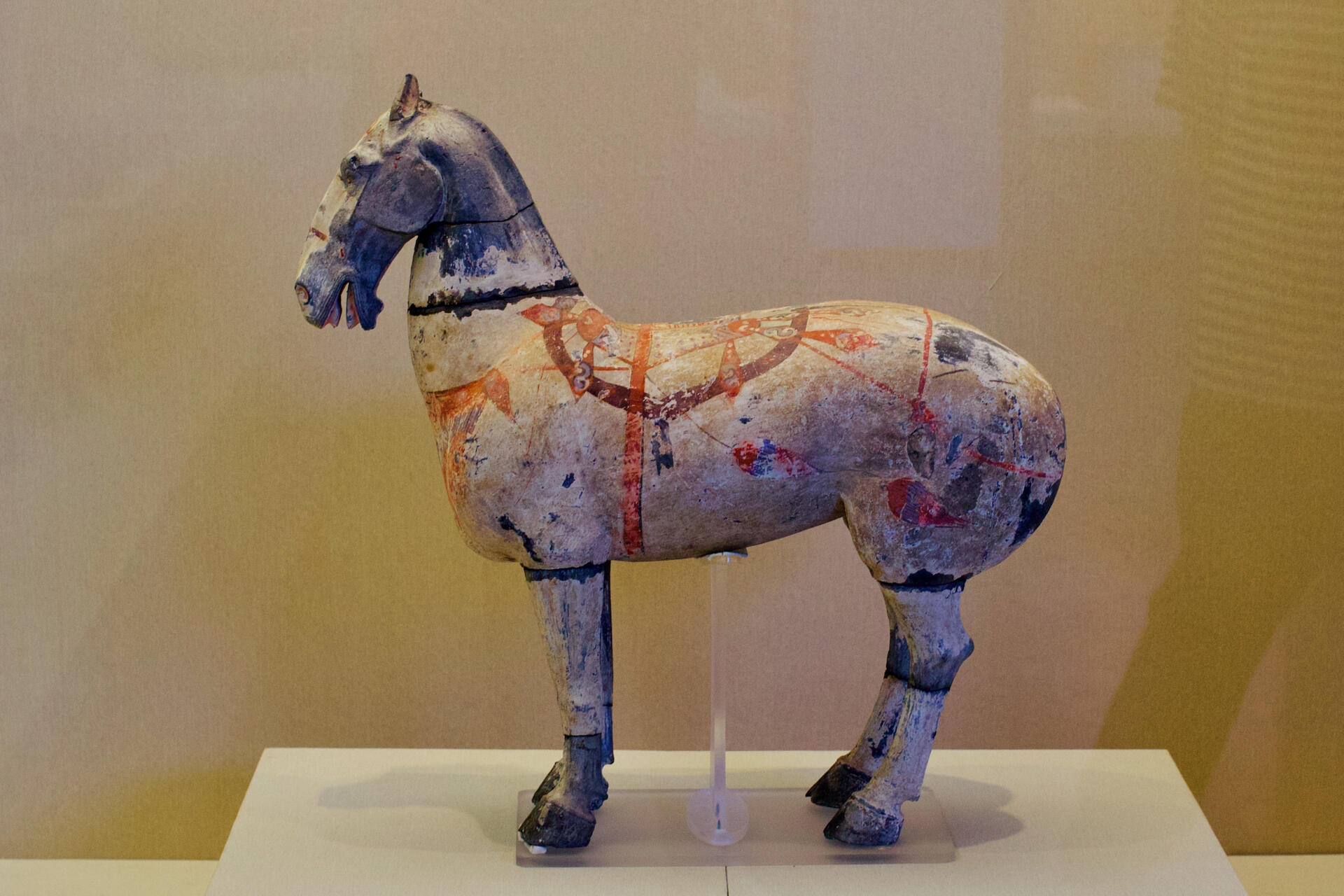
The Western Han Dynasty (206 BC–24 AD) was one of the most influential periods in ancient Chinese history. It marked the rise of the first long-lasting, unified imperial empire after the fall of the Qin Dynasty and laid the foundations for China’s political system, economy, and culture for over two thousand years.
Founded by Liu Bang, later known as Emperor Gaozu, the Western Han emerged after years of civil war triggered by widespread peasant uprisings against the harsh rule of the Qin Dynasty. Learning from Qin’s failure, the new Han government adopted moderate policies that emphasized stability, fairness, and recovery.
The capital was established at Chang’an (modern-day Xi’an), which soon became one of the largest and most prosperous cities in the ancient world. Over its two-century history, the Western Han was ruled by 12 emperors, enjoying long periods of peace and prosperity.
Political History of the Western Han
Emperor Gaozu introduced major reforms by selecting officials based on ability rather than noble birth, allowing former peasants and commoners to participate in government. These policies quickly restored order, revived the economy, and encouraged cultural development.
After Gaozu’s death, his son Liu Ying ascended the throne, though real power was held by Empress Lü Zhi. Later, the reigns of Emperor Wen and Emperor Jing ushered in a golden age known as the Rule of Wen and Jing. Taxes were reduced, agriculture was encouraged, and social stability greatly improved.
The dynasty reached its height under Emperor Wu (Liu Che), who ruled from 141 to 87 BC. His military campaigns expanded Han territory and secured trade routes across Central Asia, leading to the opening of the famous Silk Road. Diplomatic missions and trade connected China with India, Central Asia, and ancient Rome. During his reign, Confucianism replaced Taoism as the official state ideology.
However, Emperor Wu’s later policies led to growing inequality. Large landholdings expanded, taxes increased, and many farmers lost their land. These problems weakened the empire in its later years.
The Western Han gradually declined under subsequent emperors. In 9 AD, Wang Mang seized the throne and established the short-lived Xin Dynasty. His rule ended in widespread rebellion, and in 25 AD, Liu Xiu restored Han rule, beginning the Eastern Han Dynasty.
Economy of the Western Han Dynasty
The Western Han economy was primarily based on agriculture. Large-scale irrigation and water conservation projects increased productivity. Iron ploughs and improved farming techniques allowed farmers to cultivate land more efficiently.
Industry also made remarkable progress. Iron smelting expanded rapidly, coal was used as fuel, and steel production improved. The textile industry advanced with the use of looms, replacing traditional manual weaving. Water-powered technology was even applied to early astronomical devices.
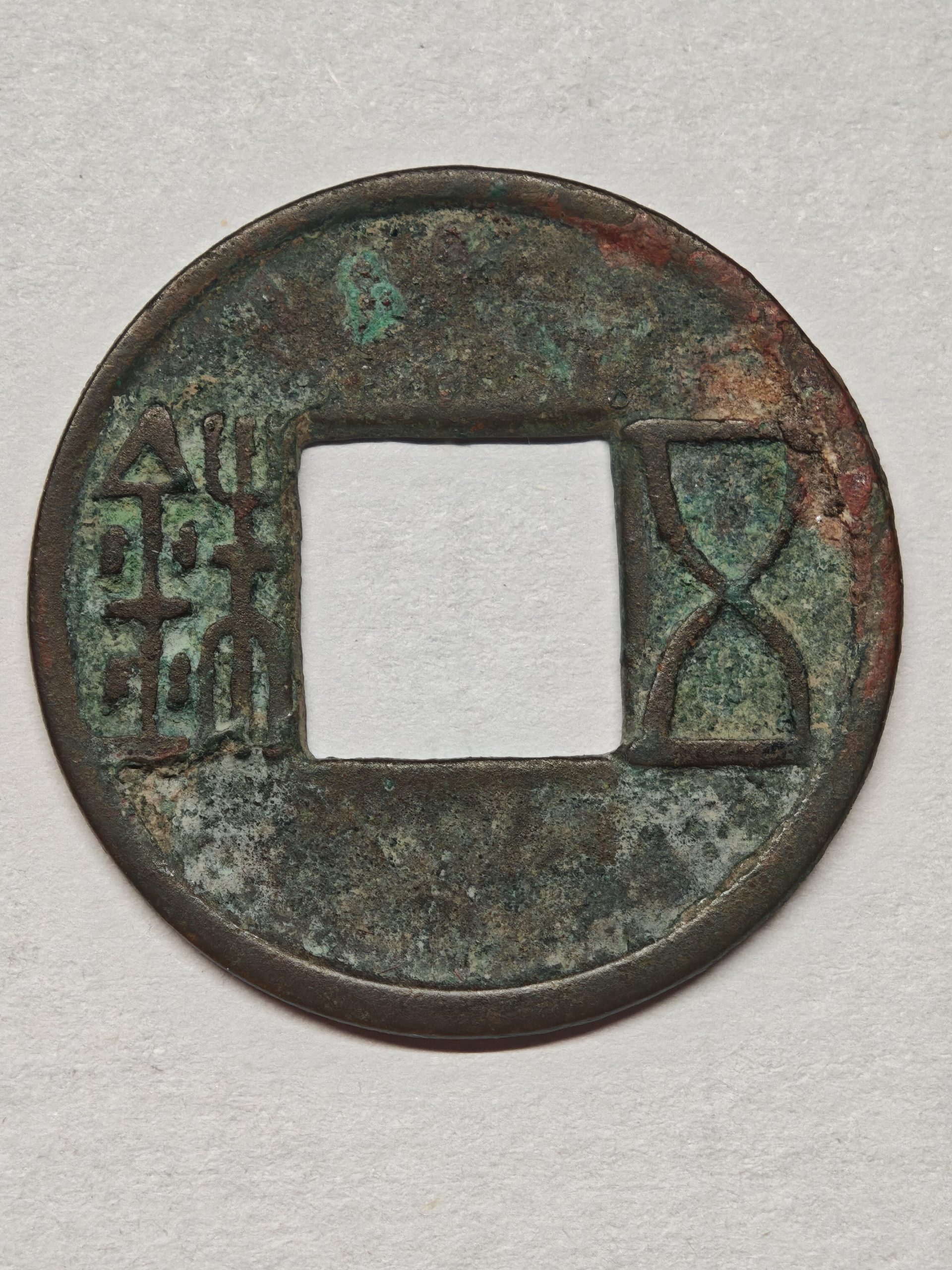
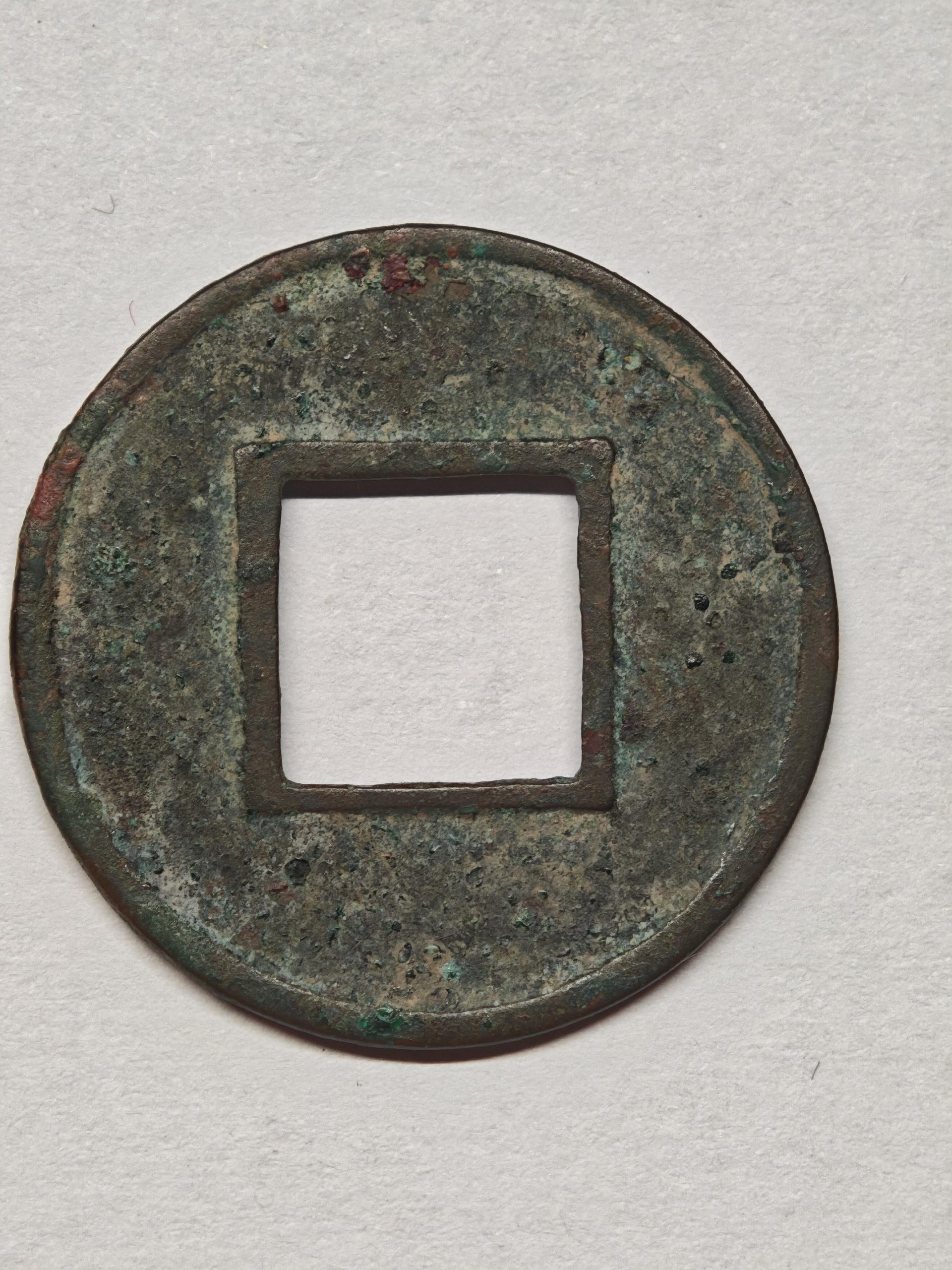
Commerce flourished due to political stability and technological innovation. Markets developed around Chang’an, while domestic and foreign trade expanded dramatically. The Silk Road played a key role in cultural exchange, enabling the flow of goods, ideas, and beliefs between East and West.
Culture and Arts
Cultural achievements during the Western Han were profound. The invention and use of paper promoted education and the growth of literature. Confucianism became the dominant philosophy guiding imperial governance, shaping Chinese political thought for centuries.
One of the greatest cultural figures of the period was Sima Qian, who completed Records of the Grand Historian. This monumental work remains the first comprehensive chronicle of Chinese history and a cornerstone of Chinese historiography.
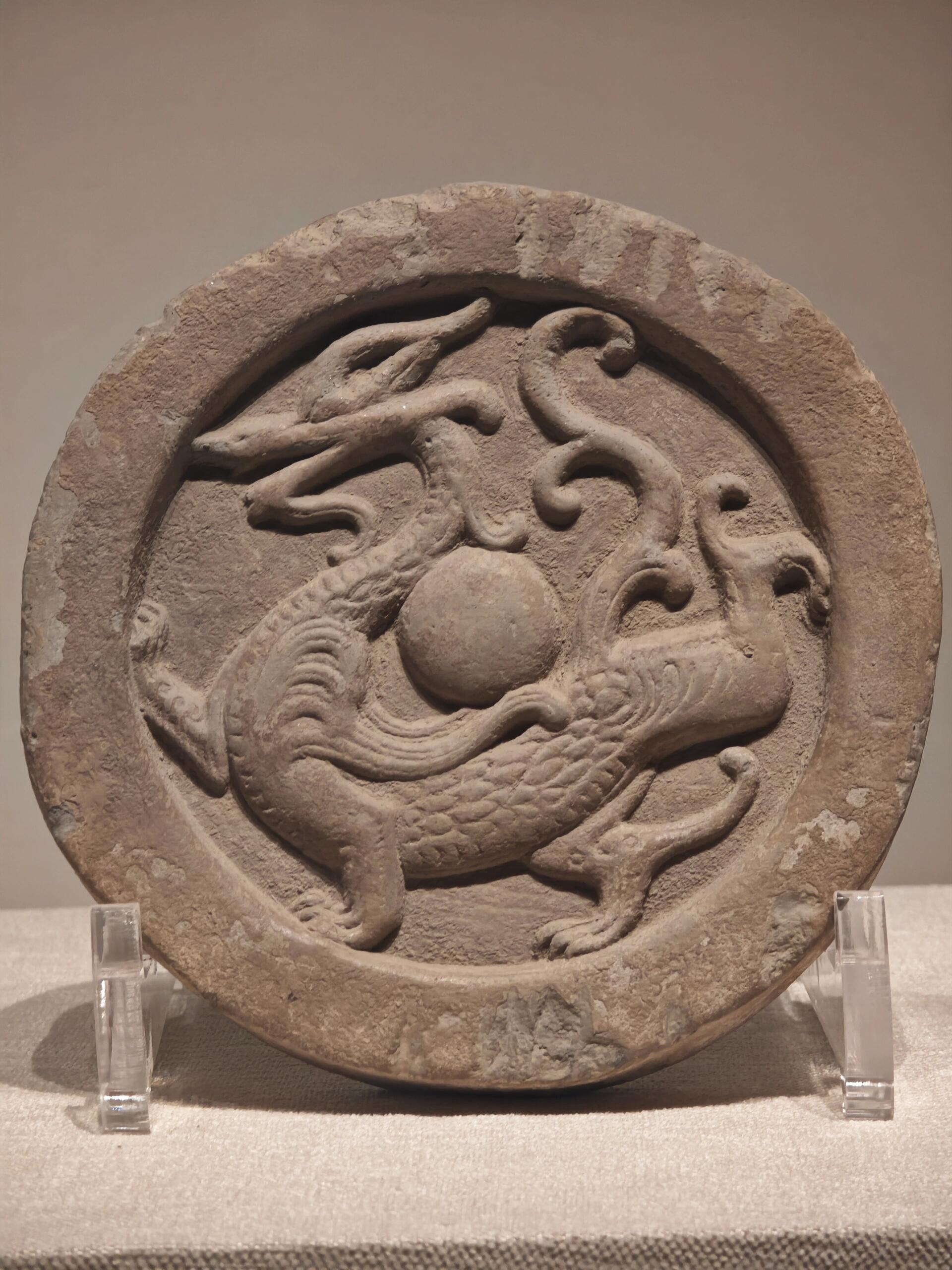
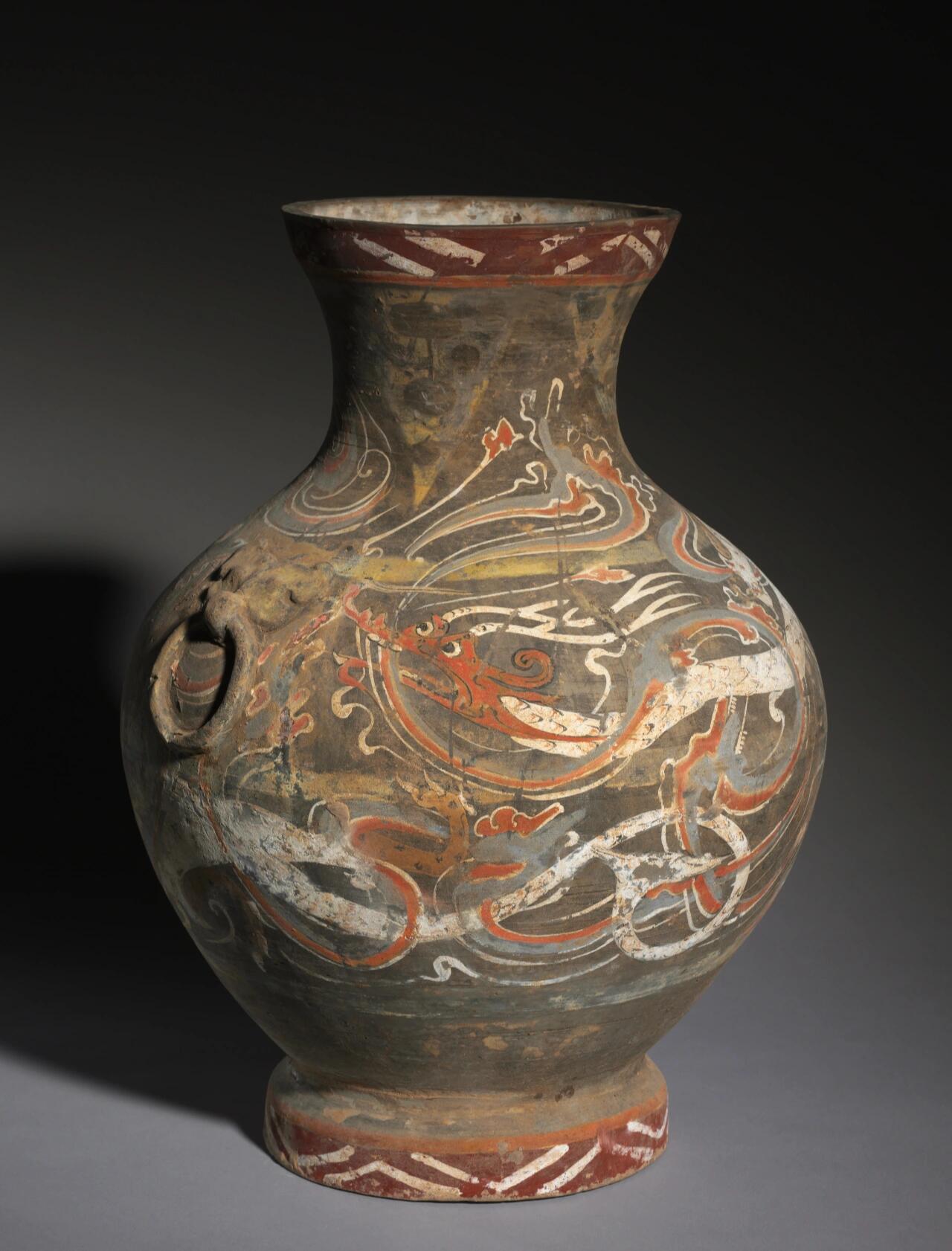
Artistic craftsmanship reached an advanced level. Porcelain-making techniques were highly refined, and burial objects such as pottery figures revealed both technical skill and aesthetic sophistication. Major advances were also made in mathematics and astronomy, including early records of celestial movements.
Historical Significance
For more than 200 years, the Western Han Dynasty stood among the most powerful empires in the world. Its political institutions, economic systems, and cultural traditions deeply influenced later Chinese dynasties and neighboring regions such as Korea, Vietnam, and Japan.
The legacy of the Western Han continues to shape Chinese civilization today, making it a cornerstone period in the study of Chinese history and culture.