
The Eastern Han Dynasty (25–220 AD) was a crucial period in Chinese history, regarded as the continuation of the Western Han Dynasty (206 BC–24 AD). It was founded by Liu Xiu, later known as Emperor Guangwu, who restored Han rule after the collapse of Wang Mang’s Xin Dynasty. The capital was established in Luoyang, located in today’s Henan Province. Over nearly two centuries, the Eastern Han was ruled by twelve emperors.
Political History of the Eastern Han Dynasty
In 25 AD, Liu Xiu defeated Wang Mang, who had usurped the throne of the Western Han, and formally established the Eastern Han Dynasty. After ascending the throne, Emperor Guangwu abolished many of Wang Mang’s radical reforms and reinstated earlier Han policies, helping to stabilize the country and rebuild social order.
The dynasty reached its golden age during the mid–first century AD, particularly under the reigns of Emperor Guangwu, Emperor Ming, and Emperor Zhang. During this period, political stability allowed economic growth, cultural prosperity, and scientific advancement, in many aspects surpassing those of the Western Han.
However, after this prosperous era, many emperors ascended the throne at a young age. Real power gradually fell into the hands of imperial relatives and court eunuchs, leading to corruption and political chaos. In 184 AD, the Yellow Turban Rebellion, led by Zhang Jiao, severely weakened the dynasty. In its final years, authority was controlled by powerful warlords such as Dong Zhuo and later Cao Cao. In 220 AD, Emperor Xian was forced to abdicate, marking the official end of the Eastern Han Dynasty.
Economic Development and Agriculture
Agriculture formed the backbone of the Eastern Han economy. In its early years, the central government placed strong emphasis on irrigation and flood control. During the reign of Emperor Ming, large areas of land previously damaged by flooding from the Yellow River were successfully converted into fertile farmland.
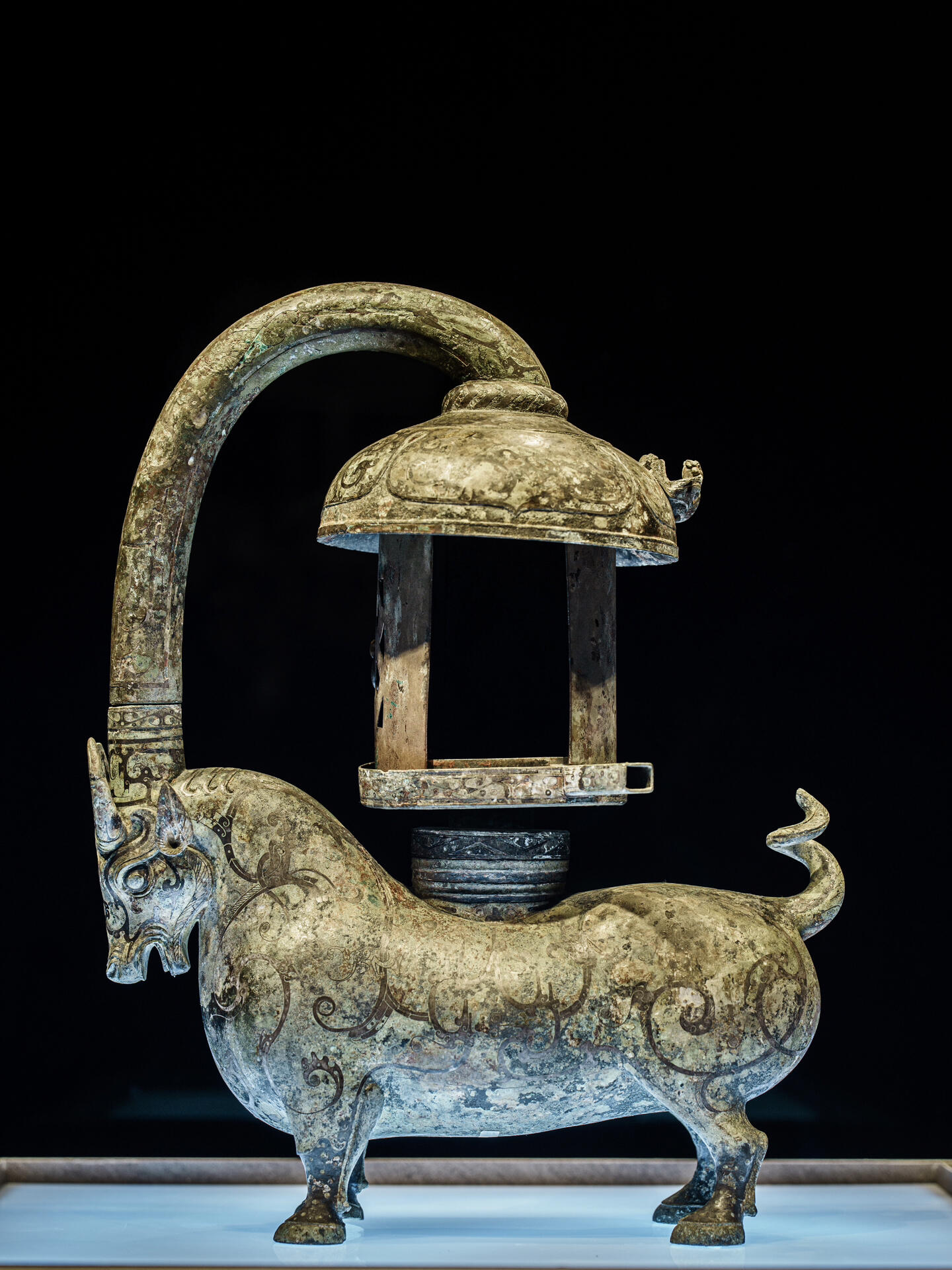
Industrial productivity also improved significantly. The invention of the Shui Pai, a water-powered air-blowing device used in iron smelting, greatly enhanced metallurgical efficiency. Under Emperor He, industries such as bronze production, copper extraction, and silk manufacturing flourished. At the same time, commerce expanded rapidly, and Luoyang emerged as the national commercial center.
Science, Technology, and Cultural Achievements
The Eastern Han Dynasty made remarkable contributions to science and culture. In 105 AD, court official Cai Lun improved papermaking techniques, leading to the widespread replacement of bamboo strips and significantly promoting the spread of knowledge.
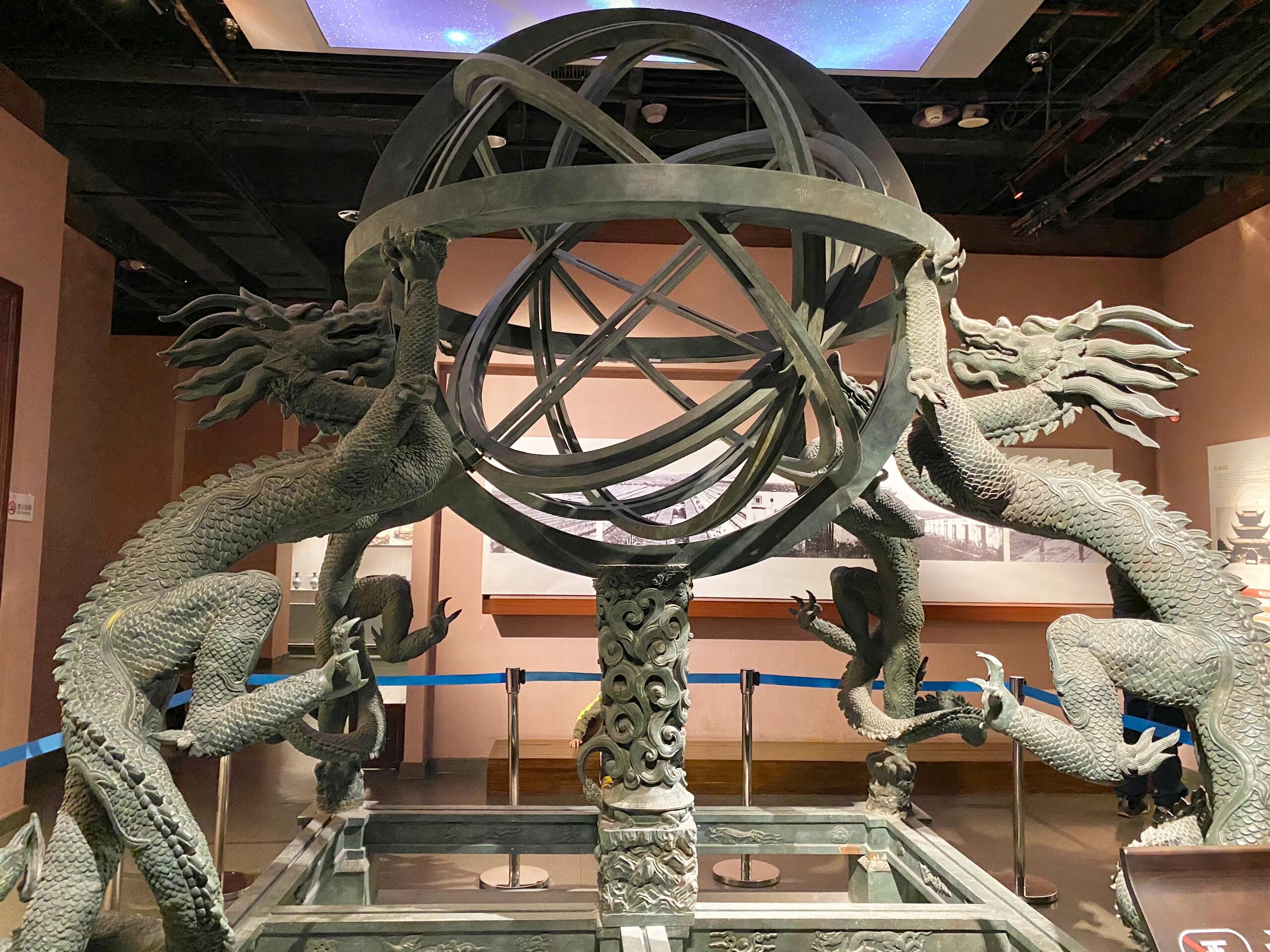
In astronomy, the renowned scholar Zhang Heng invented the world’s earliest known seismograph, an extraordinary achievement that demonstrated advanced scientific understanding. Medical science also advanced greatly, thanks to Hua Tuo, a pioneering surgeon who introduced the use of anesthesia during surgical procedures.
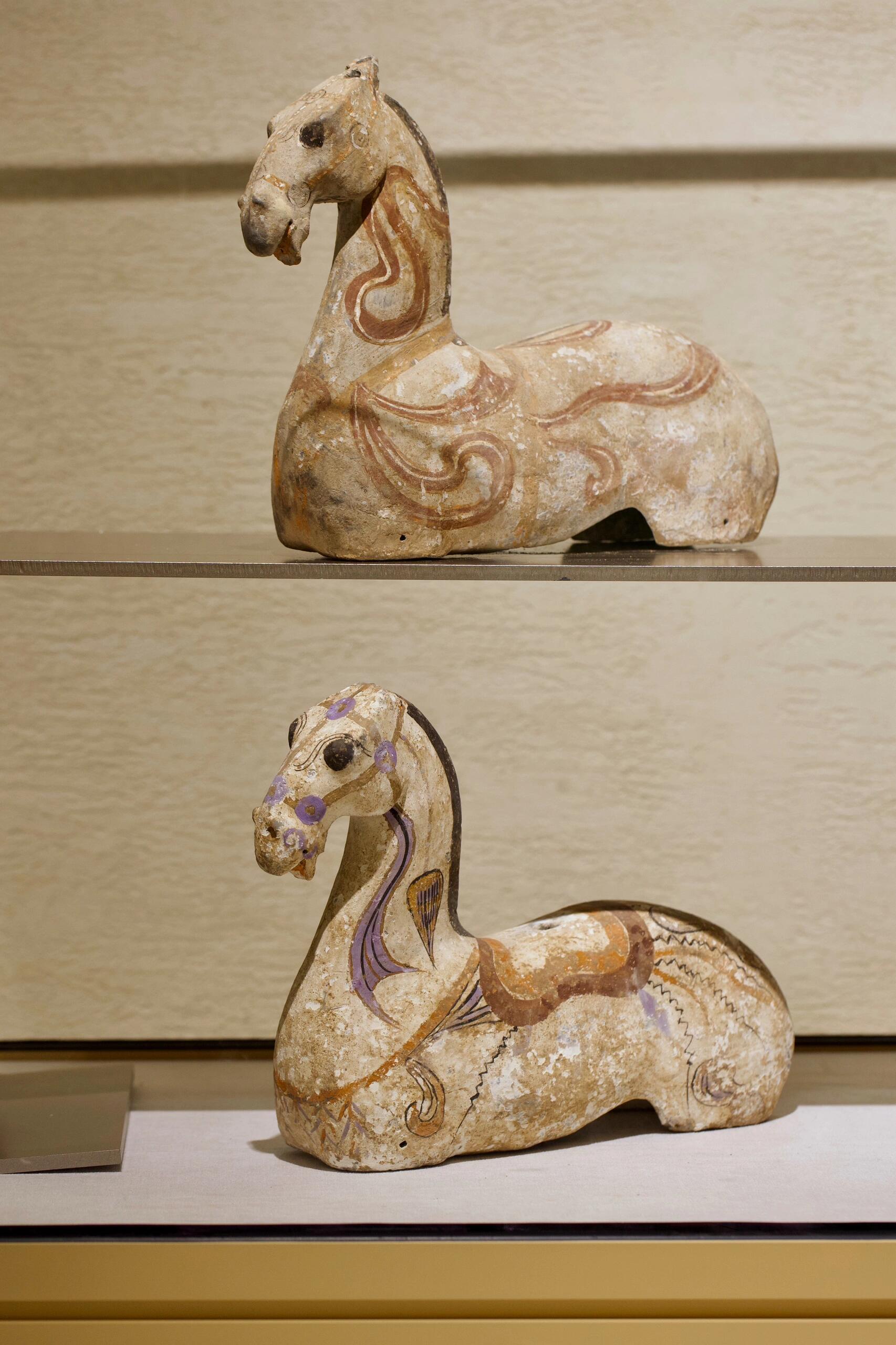
Artistic expression gained new status during this period. Calligraphy and painting evolved beyond practical writing tools into respected art forms, while advances in ceramic production made pottery widely accessible to ordinary people.
Historical Significance of the Eastern Han Dynasty
The Eastern Han Dynasty not only preserved the political institutions of the Han era but also laid important foundations for future developments in Chinese science, culture, and society. Its achievements continued to influence later dynasties and remain an essential chapter in the long history of ancient China.