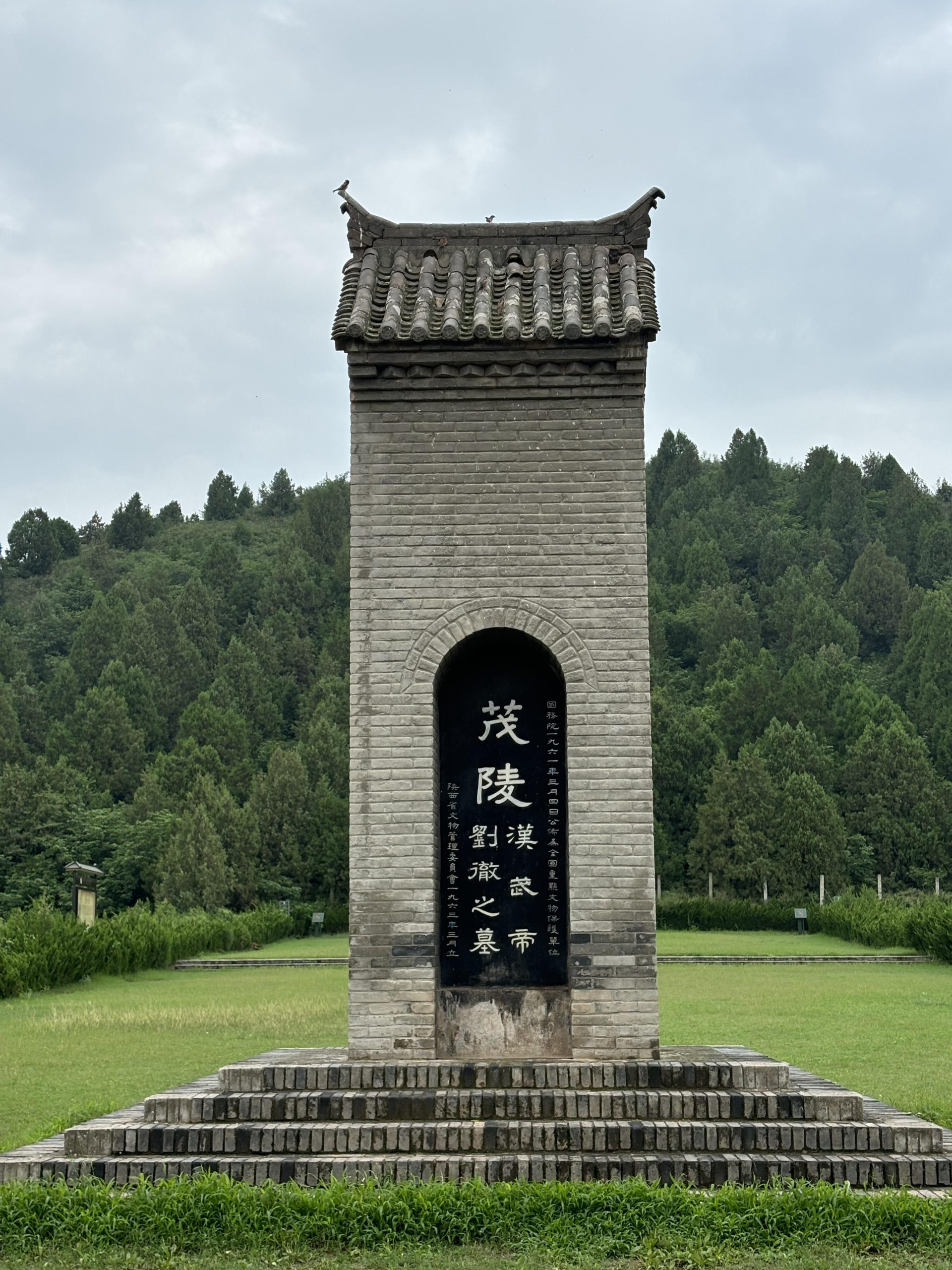
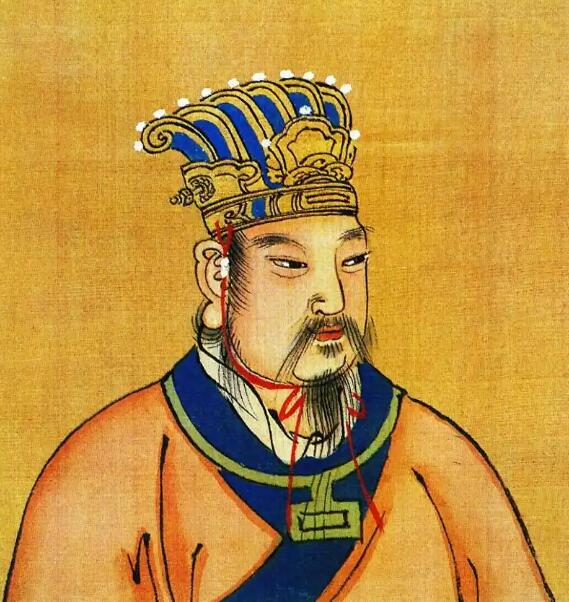
Liu Che (156–87 BC), posthumously known as Emperor Wu, was one of the greatest rulers of the Western Han Dynasty and a pivotal figure in Chinese history. Reigning for 54 years, he transformed the Han Empire into a powerful, centralized state and guided China into one of its most prosperous and influential eras.
Early Life and Accession to the Throne
Liu Che was the tenth son of Emperor Jing of Han. He was appointed crown prince at the age of seven and ascended the throne at sixteen. Inheriting a stable political environment and a recovering economy, Emperor Wu was well positioned to pursue ambitious reforms and long-term national strategies.
From an early age, he displayed bold vision, strong determination, and a deep interest in military affairs—traits that later defined his reign. His posthumous title “Wu”, meaning martial, reflects his assertive and expansionist leadership style.
Political Reforms and Centralized Power
As an innovative ruler, Emperor Wu strengthened central authority by weakening the power of regional kingdoms and improving the system for selecting and evaluating government officials. These reforms allowed capable individuals to rise through merit rather than noble birth.
During his reign, many outstanding figures emerged, including famous generals such as Wei Qing and Huo Qubing, who played key roles in defending and expanding the Han Empire. These political measures laid the foundation for long-term imperial stability.
Economic Policies and National Wealth
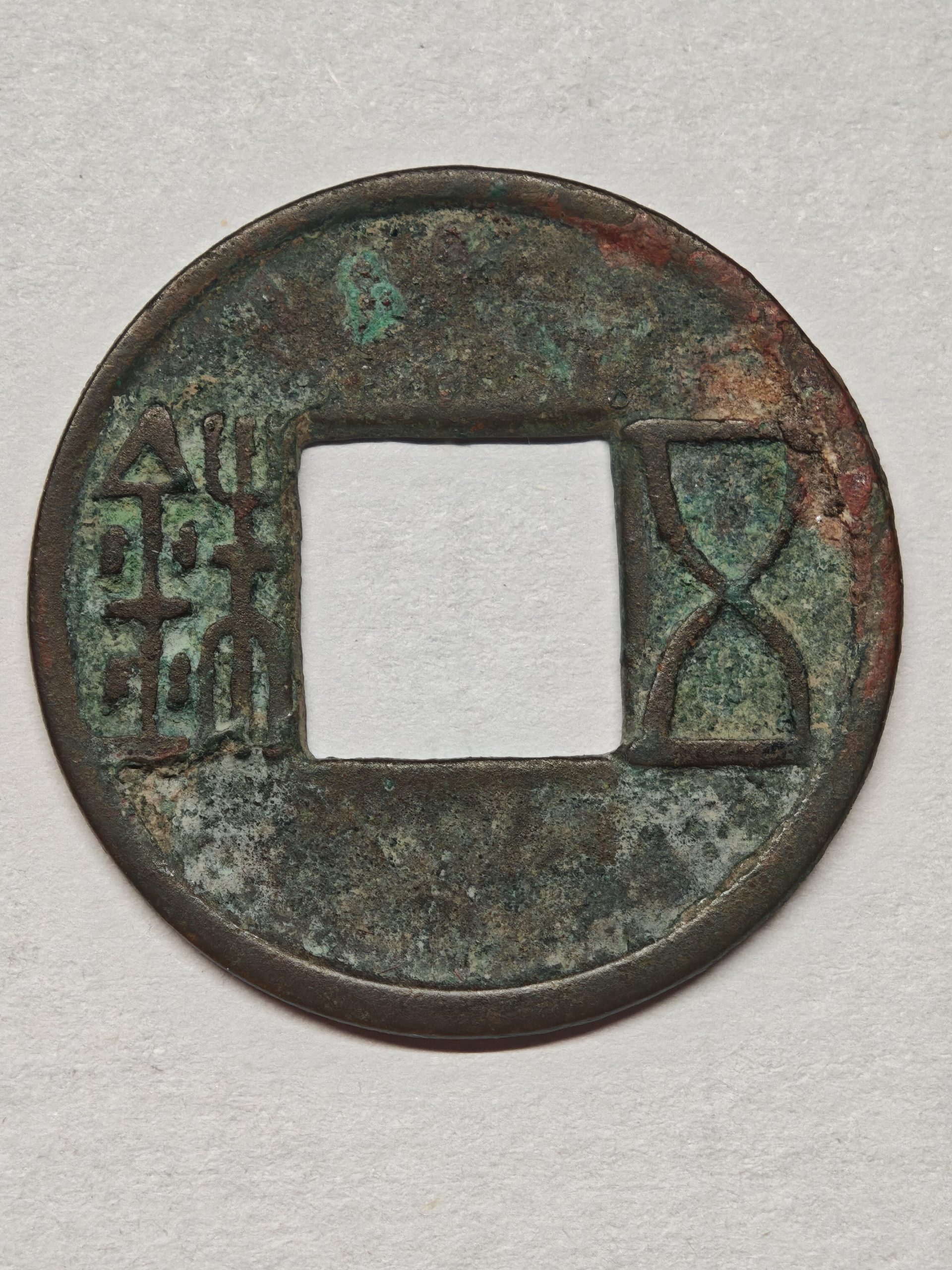
Emperor Wu implemented far-reaching economic reforms to reinforce state finances. He standardized the currency by introducing the Wu Zhu coin as the official national currency. Key industries such as salt and iron production were placed under government monopoly, increasing state revenue and limiting the power of wealthy merchants.
In addition, Emperor Wu invested heavily in water conservancy projects and the management of the Yellow River, ensuring agricultural productivity and food security across the empire.
Military Expansion and the Silk Road
One of Emperor Wu’s most significant achievements was his success in foreign affairs and military expansion. He launched sustained campaigns against the Xiongnu, securing the northern frontiers and gaining control of the Hexi Corridor, a strategic region linking China with Central Asia.
He also dispatched the envoy Zhang Qian to the Western Regions. This historic mission led to the opening of the Silk Road, greatly enhancing trade, diplomacy, and cultural exchange between China and distant civilizations.
Confucianism and Cultural Achievements
Under Emperor Wu, Confucianism was officially established as the dominant state ideology of the Western Han. Government officials were required to study Confucian classics, and an imperial education system was developed, shaping China’s political philosophy for centuries.
This period also witnessed the completion of Records of the Grand Historian (Shiji) by Sima Qian, the first comprehensive historical work in China and a cornerstone of Chinese historiography.
Legacy and Historical Evaluation
Although Emperor Wu is often described as a warlike ruler, his reign achieved remarkable success across politics, economy, military affairs, and culture. He expanded China’s borders, strengthened imperial governance, and forged a lasting cultural identity.
By leading the Han Dynasty to unprecedented power and influence, Emperor Wu of Han left a legacy that shaped Chinese civilization for over two thousand years.