
Empress Dowager Cixi (1835–1908) was one of the most influential and controversial figures in late imperial China. Although she never officially ruled as emperor, she controlled the Qing Dynasty for nearly half a century through a system known as “ruling from behind the curtain.” Her long dominance coincided with the empire’s gradual decline, making her a subject of lasting historical debate.
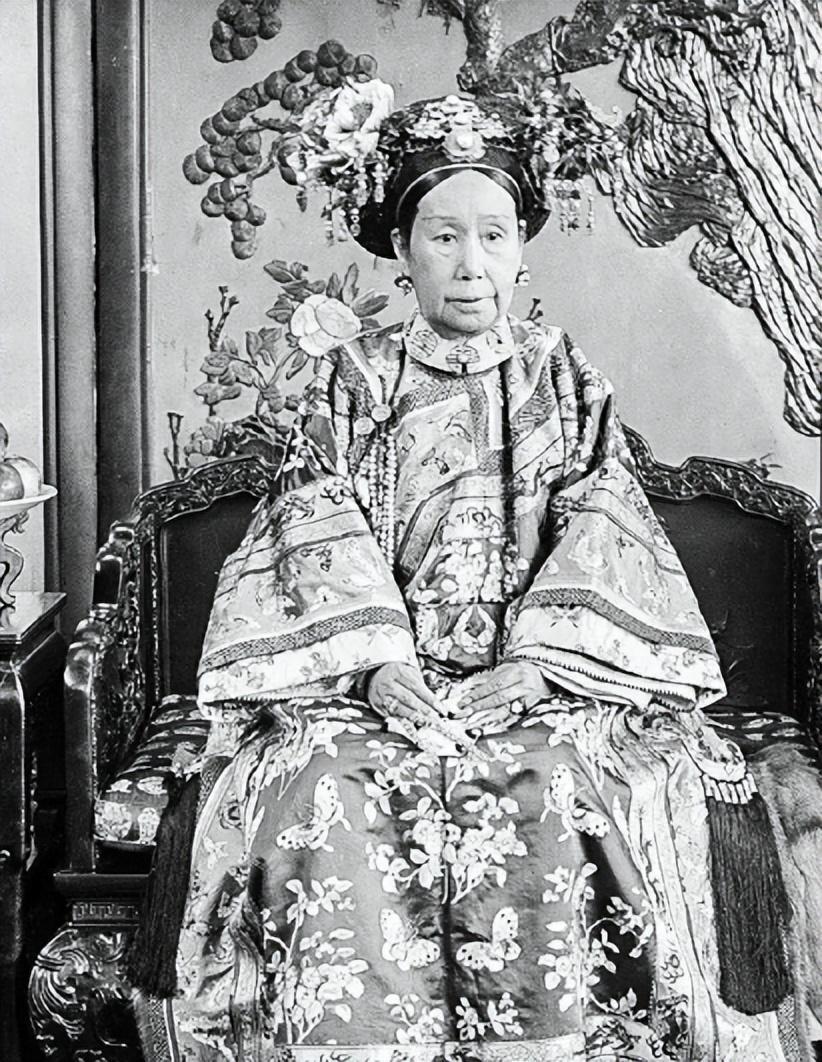
Early Life and Entry into the Imperial Court
Cixi was born on November 28, 1835, into the Yehe Nara clan, a Manchu noble family. In 1851, she entered the Forbidden City as a low-ranking concubine of Emperor Xianfeng. Thanks to imperial favor, she rose steadily through the ranks and gained the title of Yi Guifei.
In 1856, Cixi gave birth to Zaichun, the emperor’s only surviving son. This event dramatically changed her political future, as her son later ascended the throne as Emperor Tongzhi.
Seizing Power Through Political Maneuvering
After Emperor Xianfeng’s death in 1861, Cixi became Empress Dowager when her young son took the throne. That same year, she launched a palace coup with the support of Prince Gong, eliminating rival ministers and securing real authority over the court.
From this point on, Cixi governed China indirectly, issuing decisions in the emperor’s name while maintaining strict control behind the scenes. Even after Emperor Tongzhi came of age, she continued to dominate state affairs.
Controlling Successive Emperors
Following Emperor Tongzhi’s death in 1874, Cixi appointed her nephew, Emperor Guangxu, ensuring her continued influence. Although she formally retired for a brief period, she remained the true power at court.
When Emperor Guangxu attempted the ambitious Hundred Days’ Reform in 1898, Cixi staged another coup, imprisoned the emperor, and executed key reformers. This marked a decisive turn toward conservative rule and halted China’s modernization efforts.
Foreign Crises and National Decline
Cixi’s rule coincided with some of the most humiliating defeats in Qing history. During the First Sino-Japanese War (1894–1895), military funds were diverted for court luxuries, leading to a crushing defeat and the loss of Taiwan.
In 1900, the Eight-Nation Alliance invaded Beijing. Cixi fled the capital with Emperor Guangxu and later signed the Boxer Protocol, further weakening China’s sovereignty.
Death and Historical Legacy
Empress Dowager Cixi died on November 15, 1908, just one day after Emperor Guangxu. She was buried in the Eastern Qing Tombs, closing one of the most powerful chapters of female political dominance in Chinese history.
Historians remain divided in their assessment of Cixi. Some view her as a shrewd survivor who preserved imperial authority under immense pressure, while others blame her conservative policies for accelerating the collapse of the Qing Dynasty. Regardless of judgment, her influence on modern Chinese history is undeniable.