While the Bund represents Shanghai’s colonial ambition, the Shikumen (Stone Gate) houses represent the city’s private soul. These unique “longtang houses,” which blended 19th-century Jiangnan courtyard styles with European facades, once housed the majority of Shanghai’s population.
Today, two districts offer completely different ways to experience this architectural heritage: the glitzy Xintiandi and the labyrinthine Tianzifang.
What is Shikumen Architecture?
Before diving in, it’s essential to understand what you’re looking at. Shikumen is a “hybrid” style:
- East: The layout is based on traditional Chinese courtyard homes.
- West: The decorative stone gateways and brickwork were inspired by European townhouses.
- The Vibe: These houses form “longtang” (alleyway) communities, where life spills out into the narrow lanes.
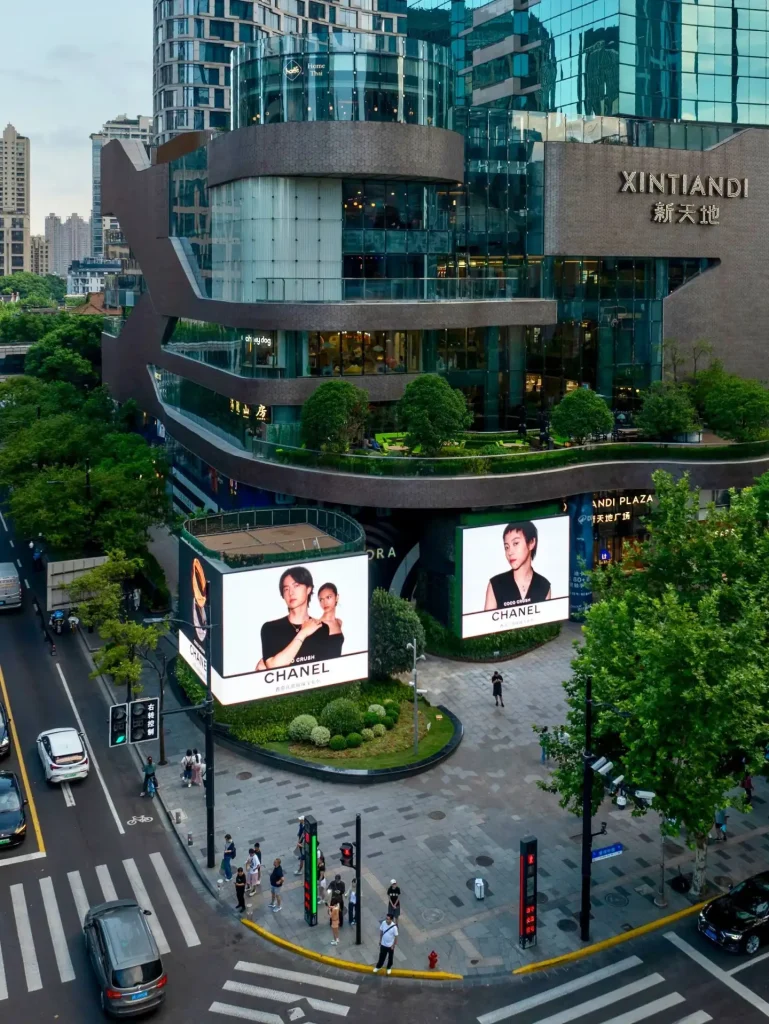
1. Xintiandi: The “New Heaven and Earth”
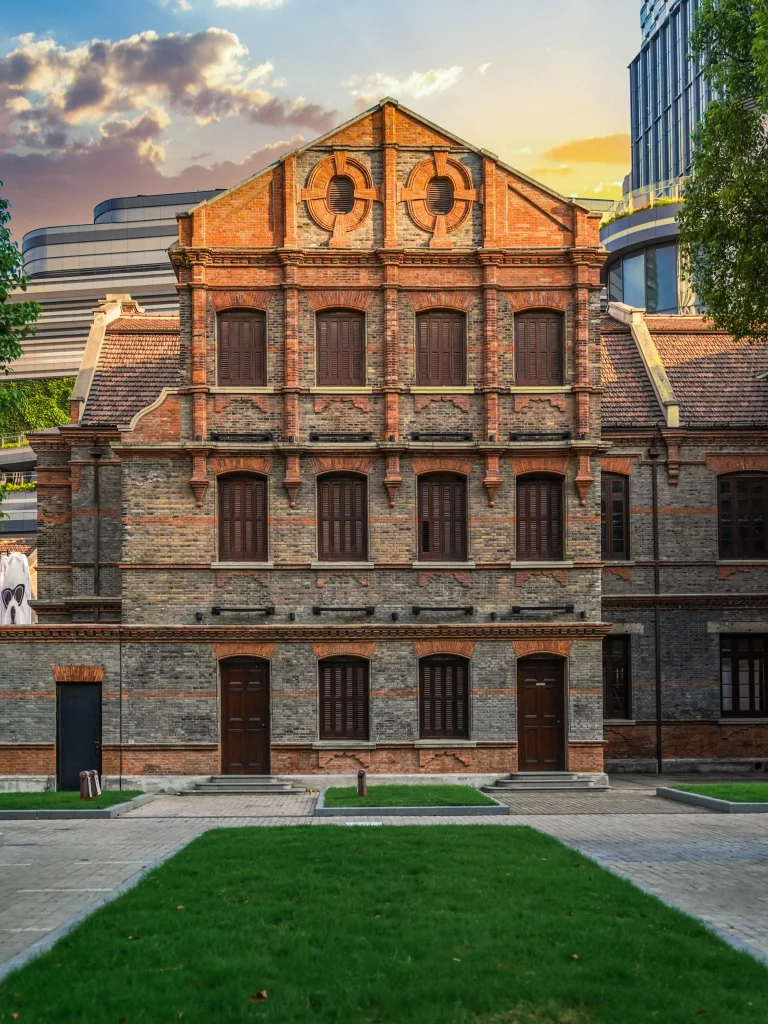
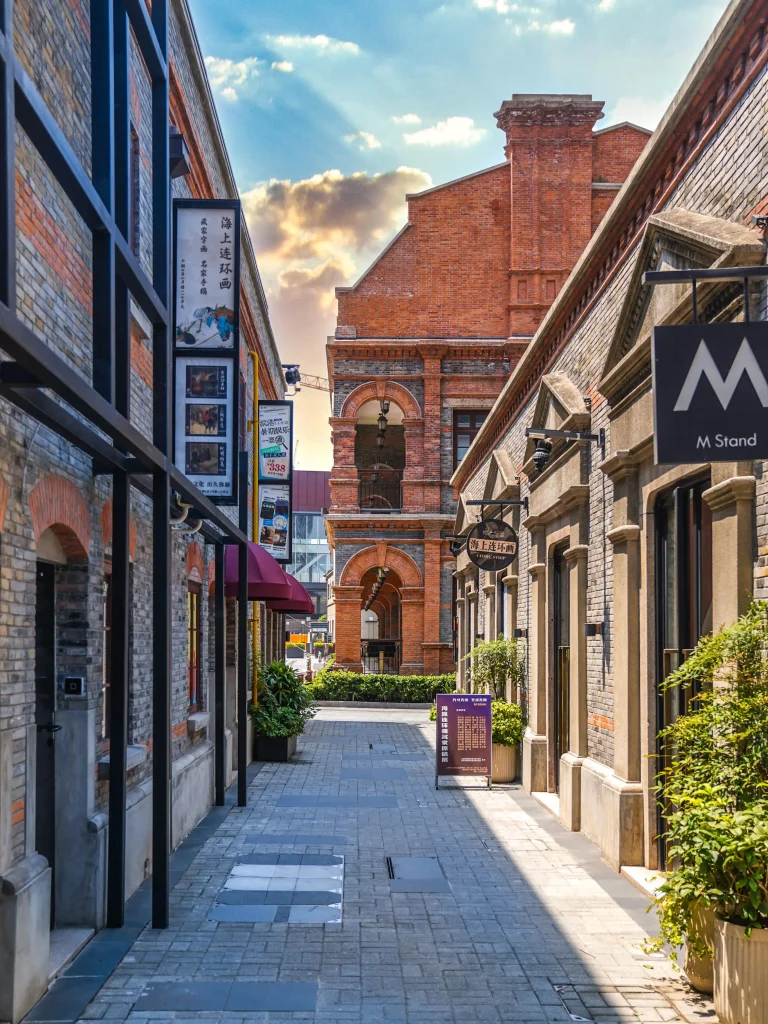
Located in the heart of the former French Concession, Xintiandi is a masterclass in urban gentrification. Here, original Shikumen blocks were meticulously restored into an upscale pedestrian district.
- What to Expect: High-end international boutiques, Michelin-starred restaurants, and trendy outdoor bars.
- Key Highlight: The Site of the First CPC National Congress, a beautifully preserved Shikumen building that offers a window into modern China’s political history.
- Best For: A sophisticated lunch, evening cocktails, or those who prefer a clean, organized “museum-like” version of history.
- Getting There: Metro Line 10 or 13 to Xintiandi Station.
2. Tianzifang: The Artistic Maze
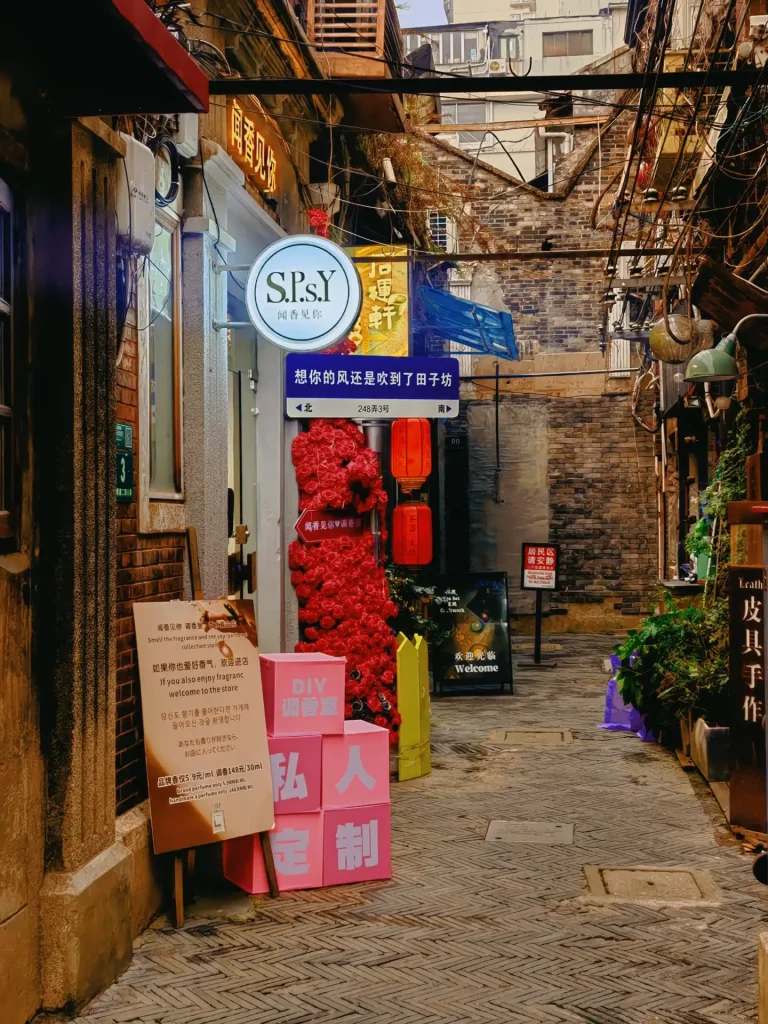
If Xintiandi is the “polished” version of Shanghai, Tianzifang (Lane 210 Taikang Road) is its bohemian cousin. This area was never fully “reconstructed”—it was reclaimed by artists and entrepreneurs who moved into the existing residential lanes.
- What to Expect: A dizzying maze of narrow alleys filled with independent designer studios, retro cafes, and craft workshops.
- Key Highlight: The “people-watching” vibe. You can still see locals hanging laundry on overhead wires above trendy street food stalls.
- Best For: Souvenir hunting (fans, silk, tea), street photography, and getting lost in the “authentic” grit of old Shanghai.
- Getting There: Metro Line 9 to Dapuqiao Station (Exit 1).
Xintiandi vs. Tianzifang: At a Glance
| Feature | Xintiandi | Tianzifang |
| Vibe | Luxury, Modern, Polished | Artsy, Crowded, Bohemian |
| Price Range | High | Moderate |
| Main Draw | Fine dining & Flagship stores | Souvenirs & Independent art |
| Architecture | Restored facades, spacious | Original lanes, intimate/cramped |
| Best Time | Evening (for the lights/bar scene) | Early morning (to avoid the rush) |
Practical Tips for Your Visit
Digital Survival
Many of the boutique studios in Tianzifang are small family businesses. While most accept international cards via digital wallets, they rarely accept physical foreign credit cards.
- Pro Tip: Ensure your Alipay or WeChat Pay is set up before arriving. Refer to our <Digital Payment Guide 2026> for a step-by-step setup.
Avoiding the “Alleyway Trap”
Because these lanes are so narrow, GPS can be notoriously unreliable.
- Pro Tip: If you lose your way in Tianzifang’s labyrinth, look for the “Exit” signs on the ground or follow our <How to Use Amap (Gaode) Like a Pro> to learn how to use Amap
Photography
The best light for Shikumen brickwork is during the “Golden Hour” (one hour before sunset). At Xintiandi, the buildings are lit up beautifully at night, making it a prime spot for tripod photography after 19:00
Ready to explore more of Shanghai’s history? Head back to our main <Shanghai Travel Guide 2026>to plan your next stop.