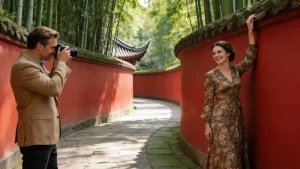
Most travelers arrive in Chengdu with one thing on their list: the Giant Panda. But while the “cuddly national symbol” is an undeniable draw , it is only the surface of this 2,300-year-old city. To truly understand Chengdu, you must embrace the “Bashu” (Sichuanese) philosophy of slow living—a kind of “confident calm” that stands in stark contrast to the high-speed pulse of Beijing or Shanghai.
Here is how to find the real soul of Chengdu by slowing down.
1. The Teahouse: Chengdu’s Social Living Room
In Chengdu, teahouses are not just places to drink; they are vital community hubs where history, business, and gossip collide.
- Heming Teahouse (People’s Park): This century-old institution is the heartbeat of the city. Sit on a low bamboo chair, order a cup of jasmine tea for roughly $2–4, and watch the world go by.
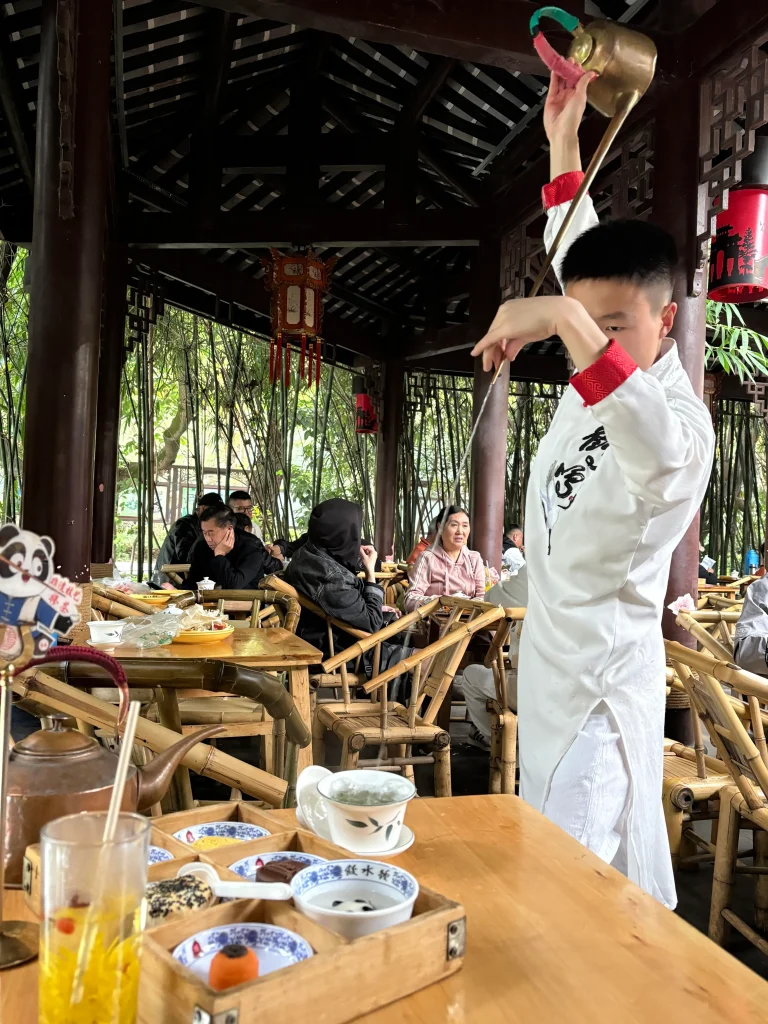
- The Gaiwan Ritual: Your tea will likely come in a three-piece set called Gaiwan. The lid represents Heaven, the saucer represents Earth, and the bowl represents Humankind—a “harmony of existence” in every sip.

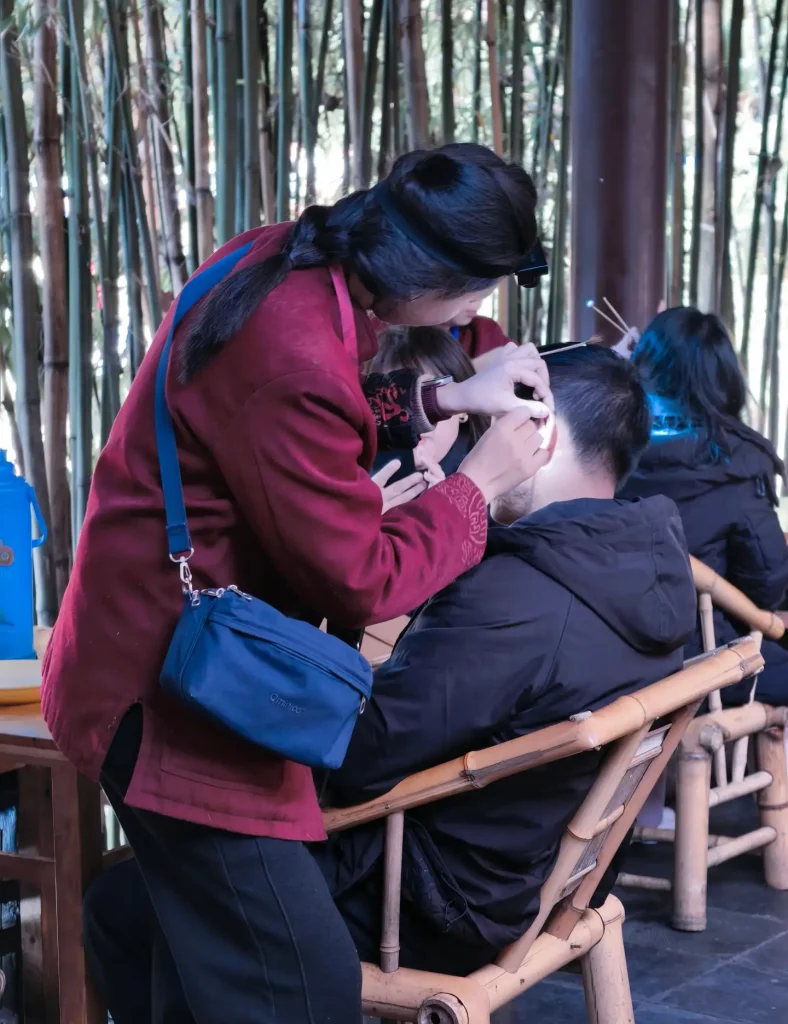
- Sensory Experiences: Don’t be surprised to see a professional ear-cleaner approaching with long metal tools. It’s a local “touch art” that many Westerners find strangely relaxing once they get over the initial shock.
2. Master the Art of “Bashu” Relaxation
The local term for “relaxed and comfortable” is Bashu (巴蜀) or Bashi. In Chengdu, leisure is not seen as laziness; it is a prioritized way of life.
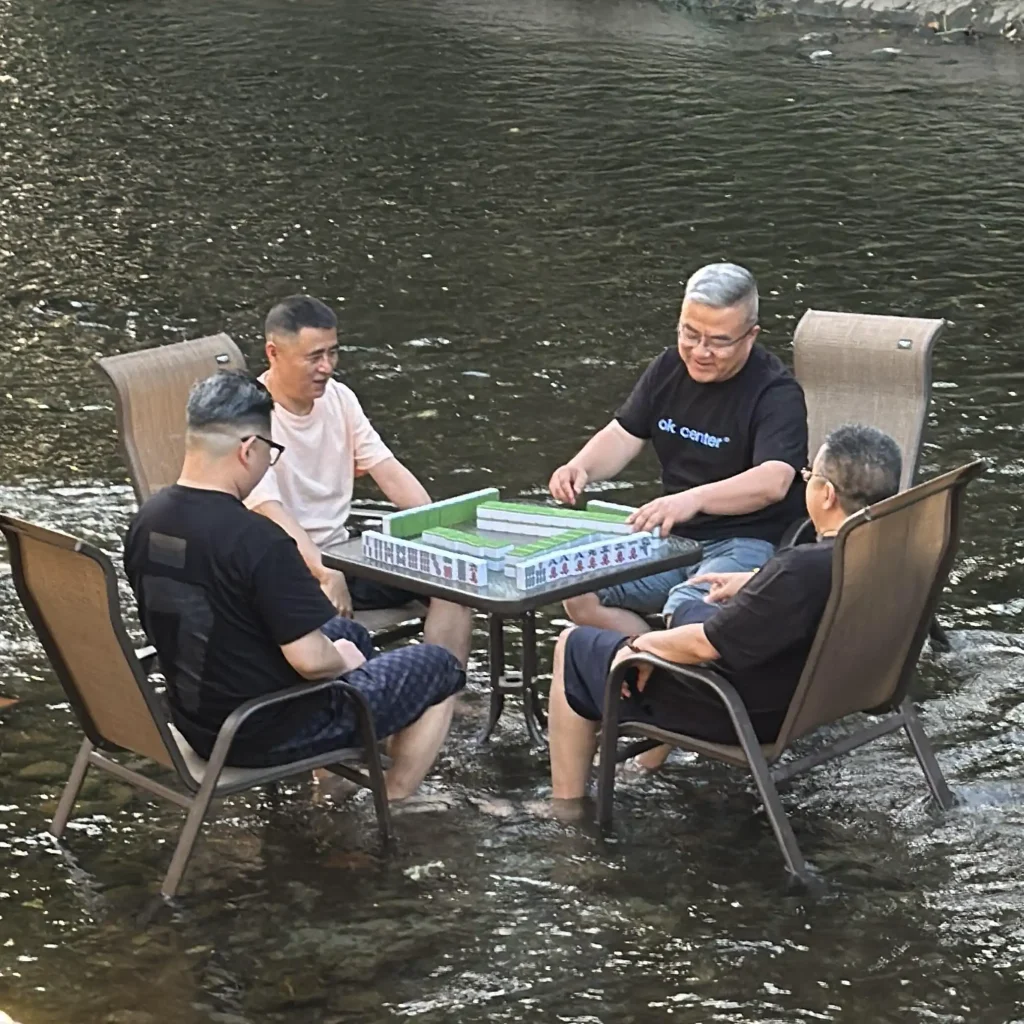
- Mahjong Culture: You will hear the rhythmic “clack-clack” of mahjong tiles everywhere—from temple courtyards to riverbanks. It’s the ultimate social lubricant.
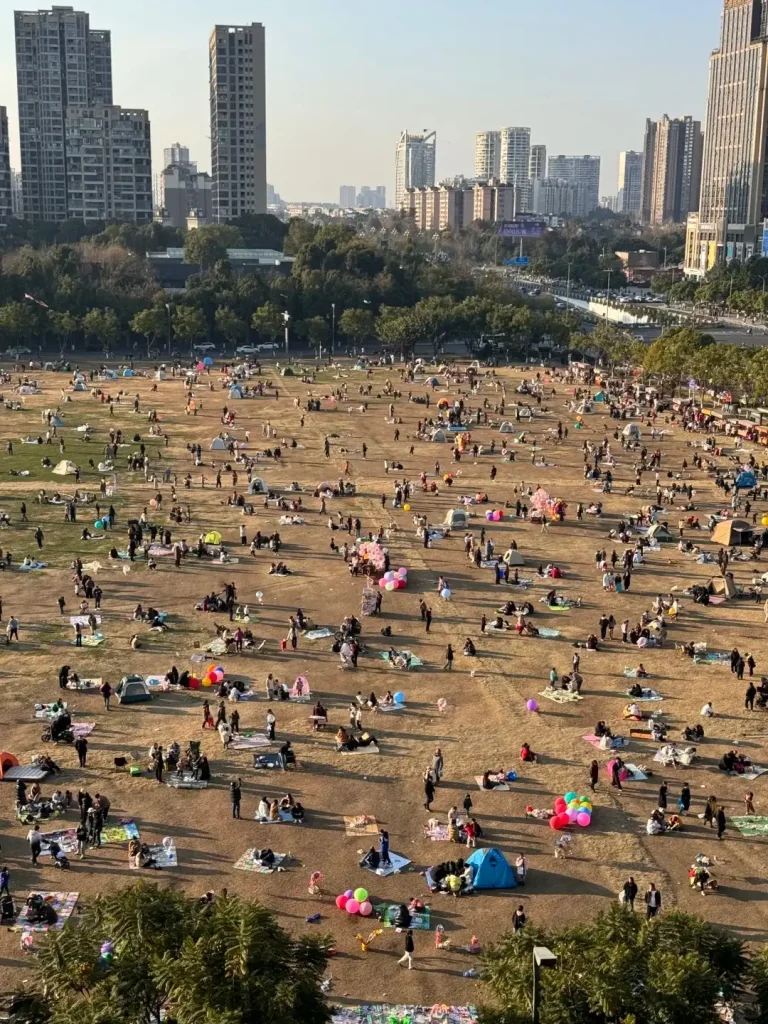
- Sunshine Chasing: Chengdu is famously cloudy. When the sun finally breaks through, the entire city collectively drops what they are doing to head to the nearest park. Join them; it’s the best time for local people-watching.
3. Finding the Soul in Local Neighborhoods
While Jinli and Kuanzhai Alleys offer beautiful Qing-style architecture, they can feel like “tourist traps”. To find the authentic vibe, head to these spots:
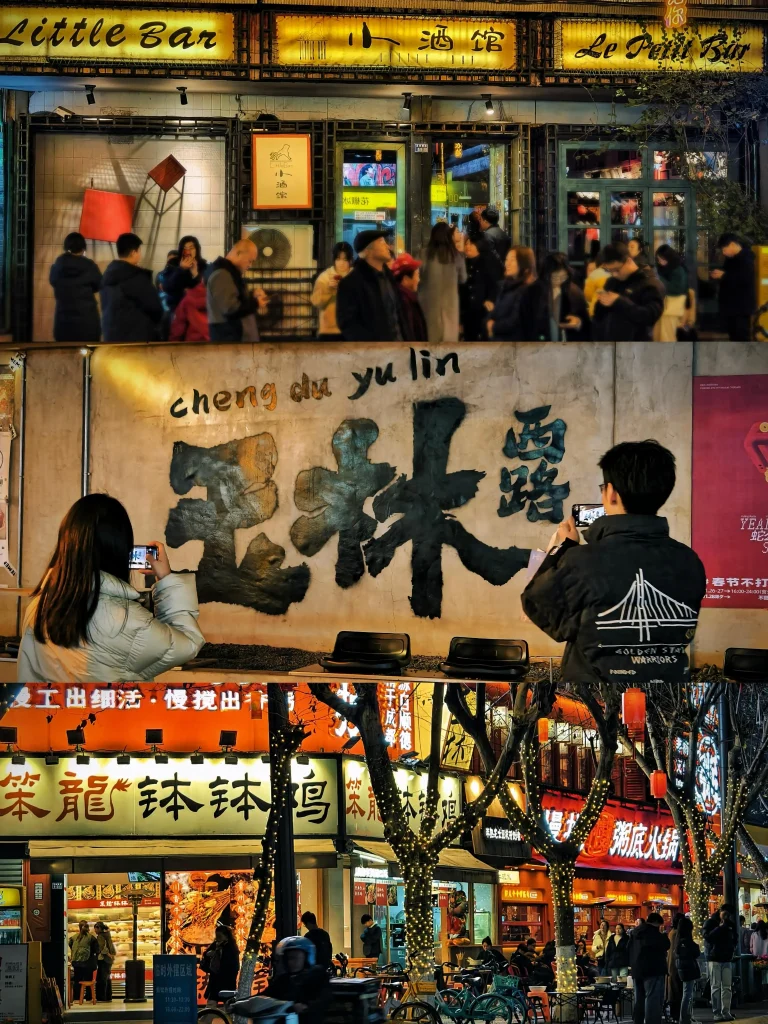
- Yulin (玉林): This neighborhood is the epitome of Chengdu’s “cool.” It’s filled with funky cafes, record stores, and “Fly Restaurants” (tiny, hole-in-the-wall eateries that attract diners like flies).
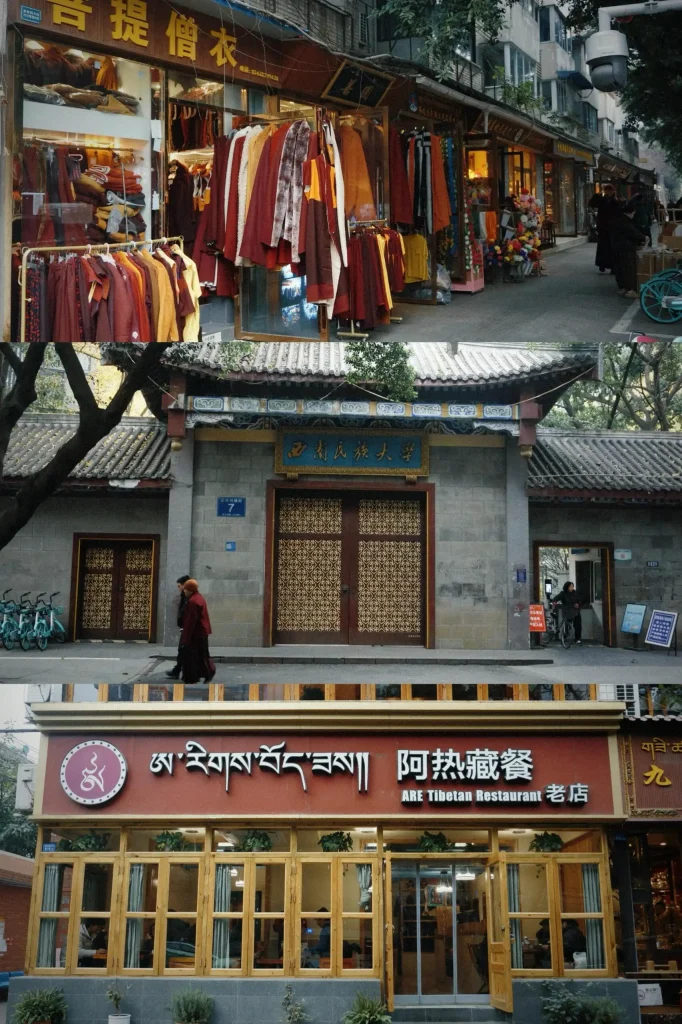
- The Tibetan District: Located near Wuhou Shrine, this “Little Lhasa” offers a complete shift in atmosphere with monks in maroon robes and shops selling yak butter tea.
4. The “Park City” Evolution
Chengdu is transforming into a “Green Park City,” integrating nature into its hyper-modern skyline.
- Tianfu Greenway: This massive 100km cycling loop is a car-free paradise for outdoor lovers. Renting a bike via an app is the best way to see the city’s green lung.
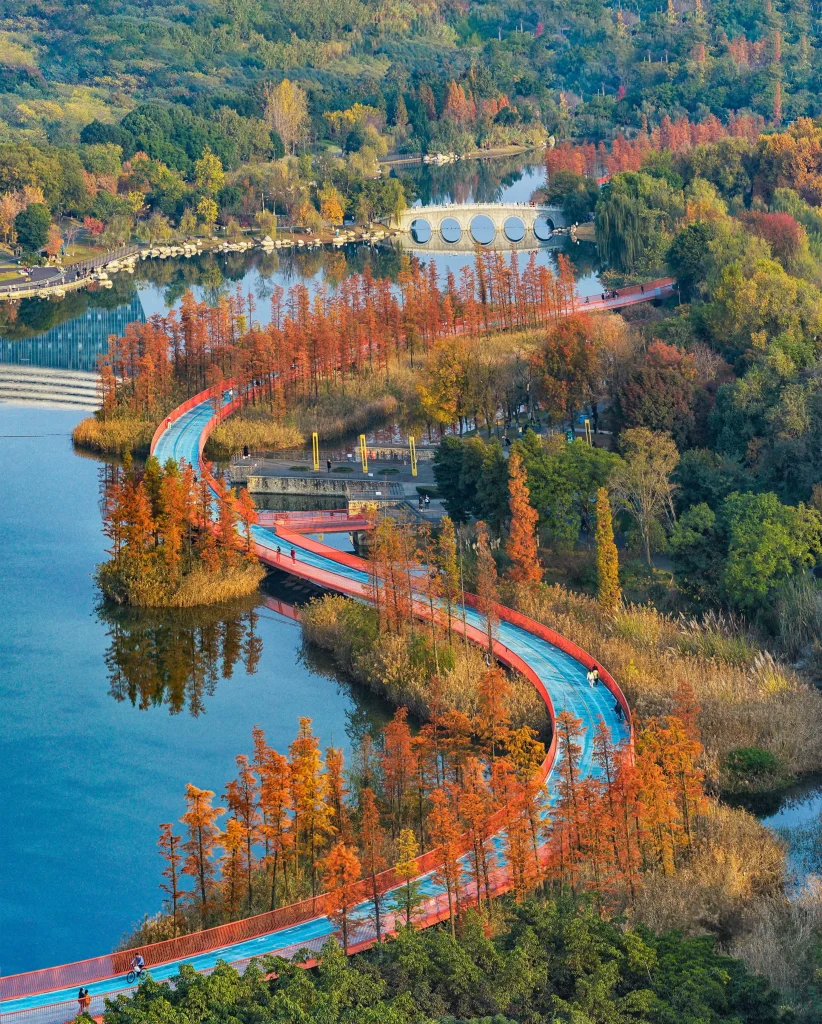
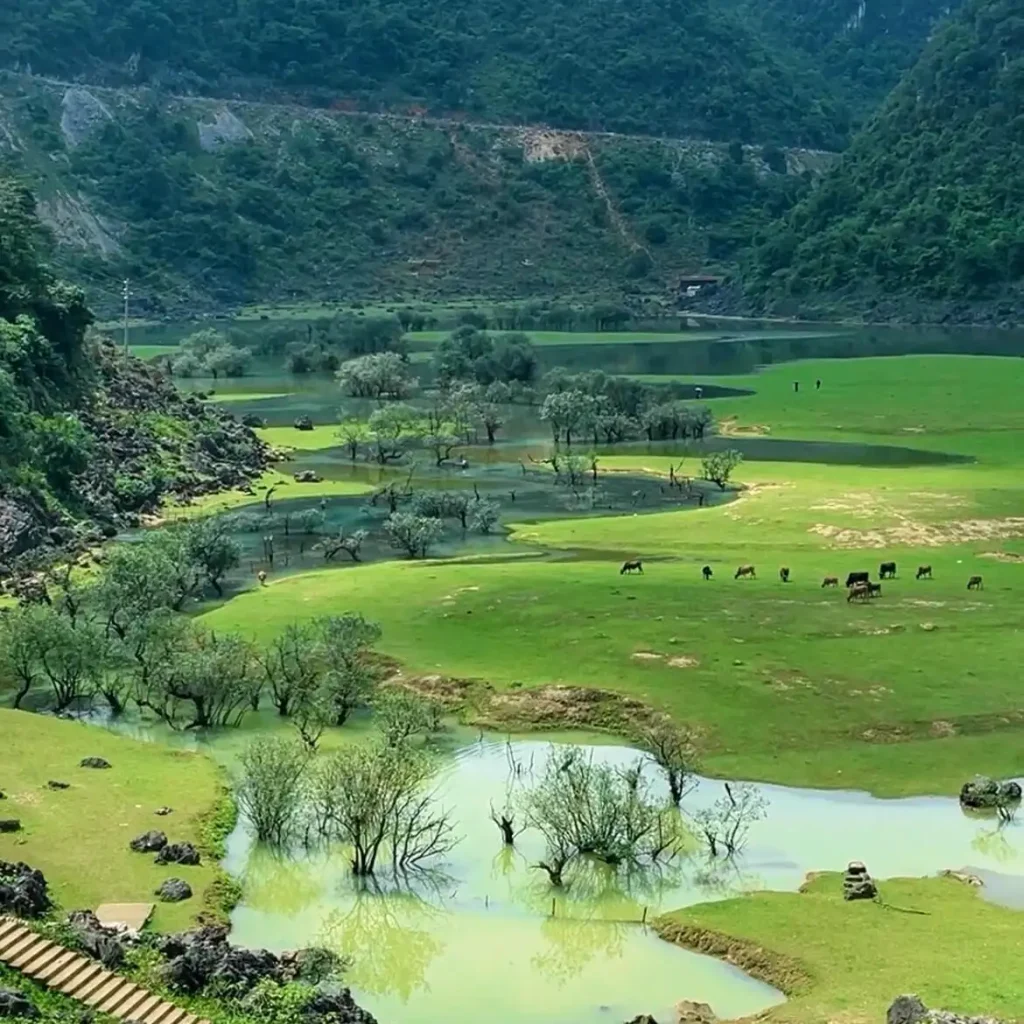
- Qinglong Lake: For a quiet escape, this huge wetland park is perfect for a leisurely afternoon picnic.
5. Old Meets New: The Contrast
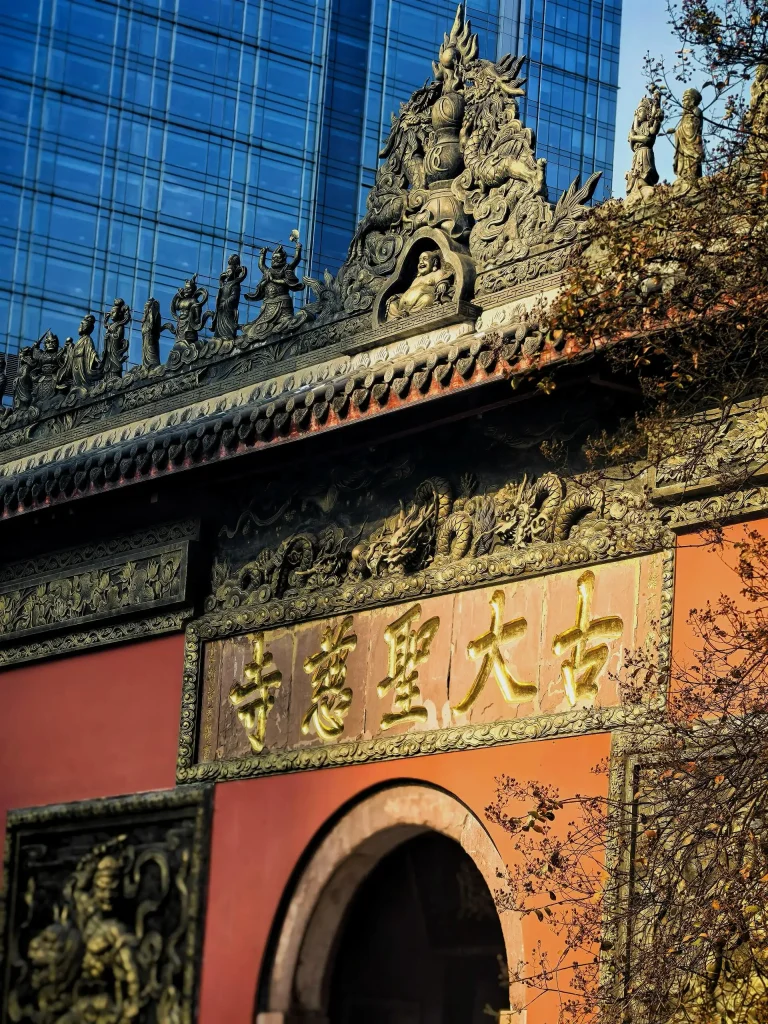
The real soul of Chengdu is the seamless blend of ancient and avant-garde. You’ll find Daci Temple (where the air is thick with incense and chanting) literally surrounded by the luxury boutiques and “ridiculousness” of Taikoo Li. This juxtaposition is what makes the city’s “slow life” possible even in a digital age.
Conclusion
Slowing down in Chengdu is an active choice. It means choosing a teahouse conversation over a sightseeing checklist. By the time you leave, you’ll realize the pandas were just the introduction; the “slow life” is the real story.