While Chengdu is famous for its “slow life,” it is also the site of one of the most significant archaeological breakthroughs of the 20th century. Here, the soil holds the secrets of a “lost civilization” that rivals ancient Egypt in its mystery and a heroic era that has inspired Asian culture for nearly two millennia.
For the history enthusiast, Chengdu is not just a city; it is a gateway to the ancient Shu Kingdom and the legendary Three Kingdoms era.
1. The Sanxingdui Mystery: A “Sleeping” Civilization Awakens
Located about 40–50km northeast of Chengdu in Guanghan, the Sanxingdui Museum houses artifacts that have “shocked the world”. These relics, dating back 3,000 to 5,000 years, belong to the ancient Shu Kingdom—a civilization once thought to be a myth until the 1980s.
- The Alien Aesthetic: The most iconic finds are the massive bronze masks with protruding “telescopic” eyes and oversized ears, looking more like science fiction than ancient history.
- The Divine Tree: Standing nearly 4 meters tall, the “Bronze God Tree” reflects an ancient cosmology of ten suns and mythical birds, matching descriptions found in the ancient text Shan Hai Jing.
- Logistics: The new museum building (opened in 2023) is a masterpiece of modern architecture. Admission is 72 RMB, but tickets must be secured early during peak seasons.
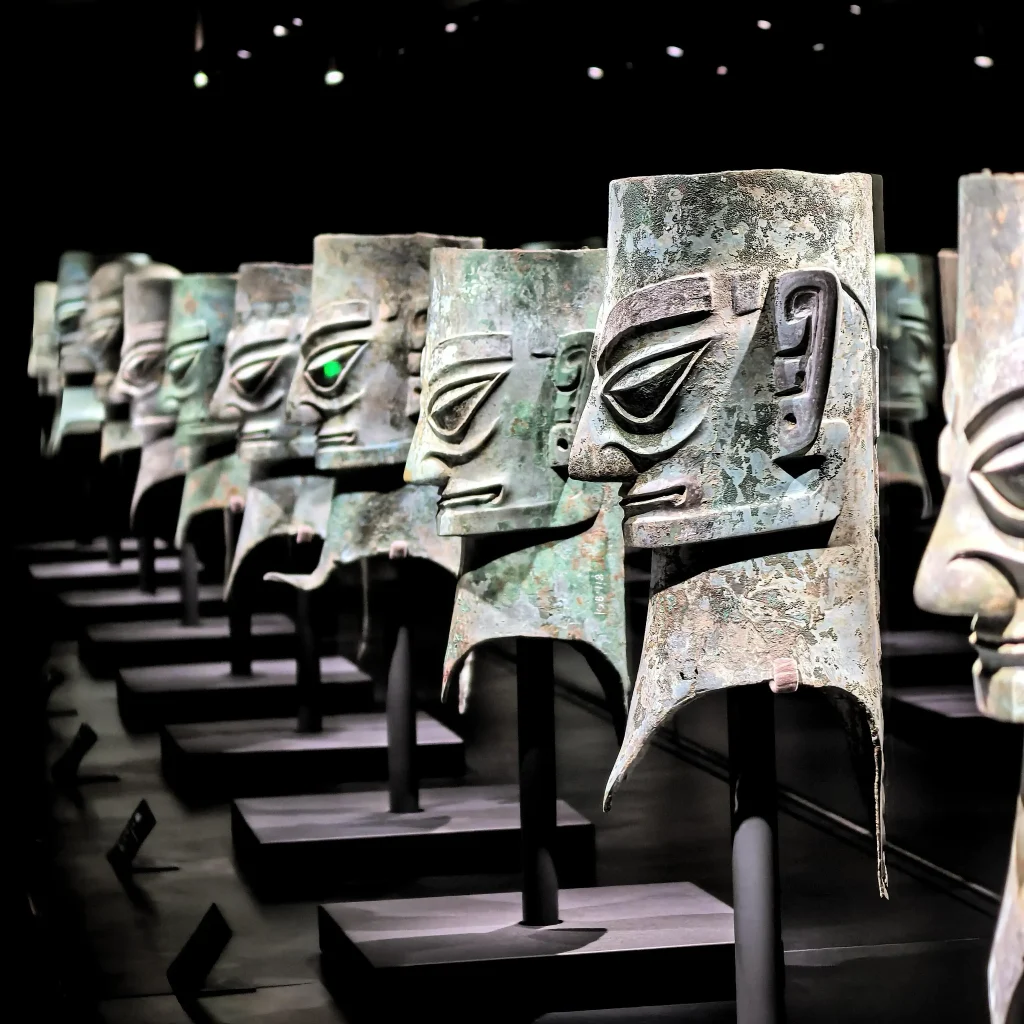
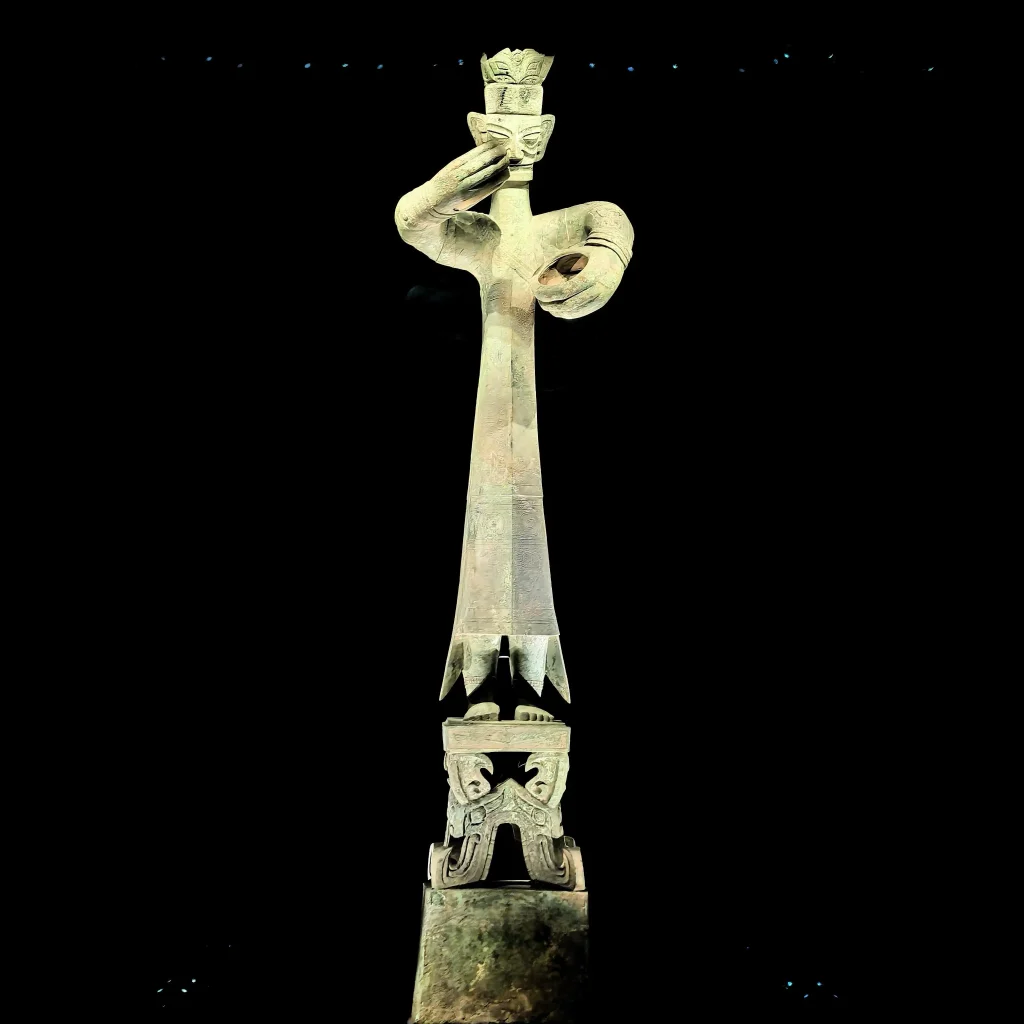
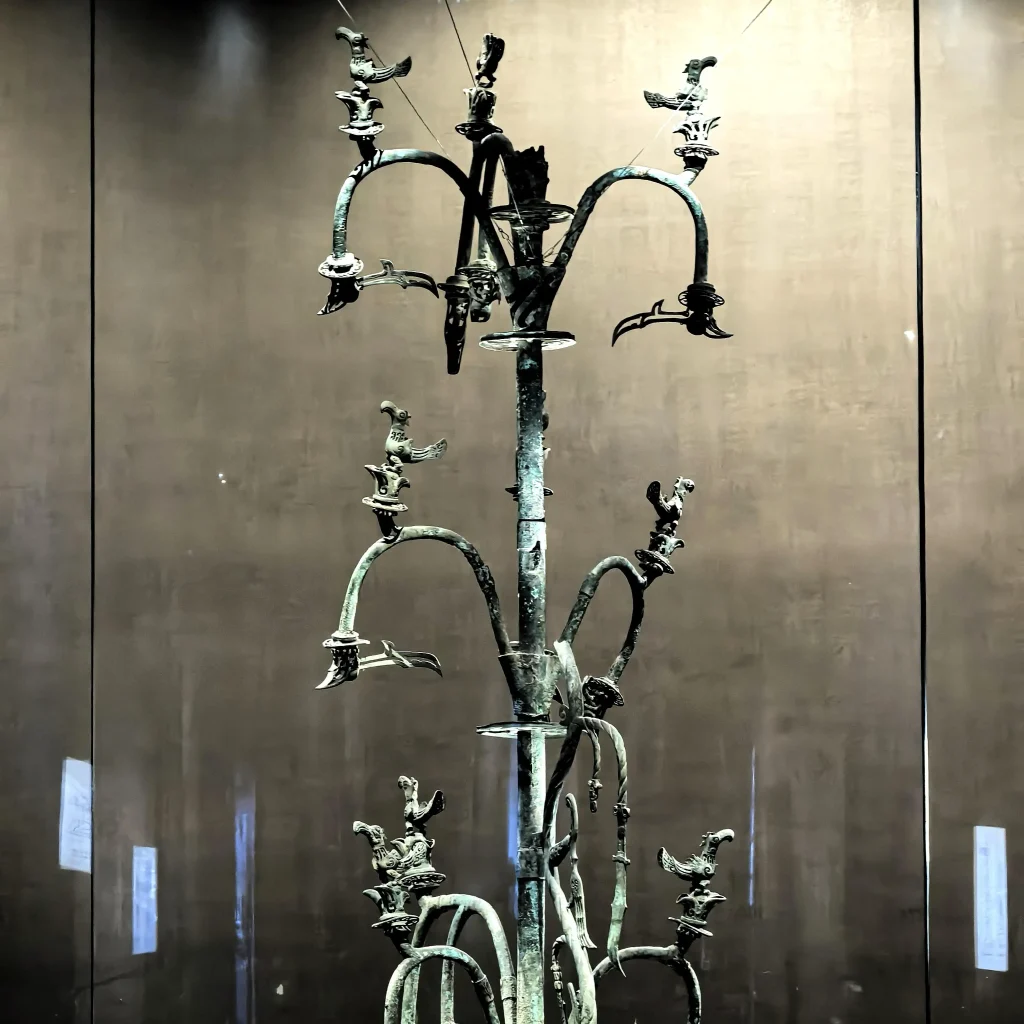
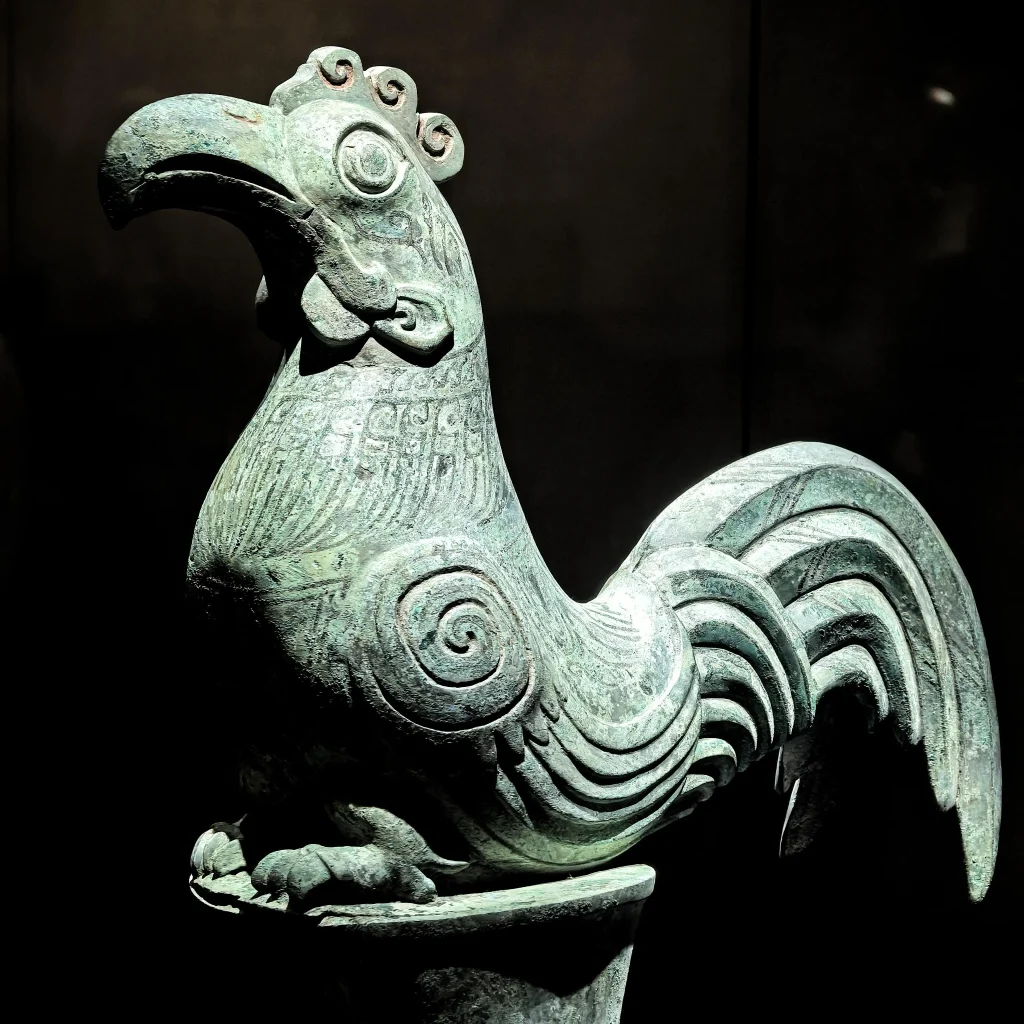
For a deeper dive into the bronze myths and a guide to navigating the massive new 2023 facility, see our Sanxingdui Museum Guide: Decoding the 3,000-Year-Old Bronze Myths.
2. The Golden Link: Jinsha Site Museum
As Sanxingdui faded, its people migrated. The Jinsha Site Museum, located right in Chengdu’s western suburbs, is the archaeological sequel to Sanxingdui.
- The Sun and Immortal Birds: The highlight here is a paper-thin gold foil featuring four birds flying around a sun. It is so iconic that it became the official symbol of Chengdu.
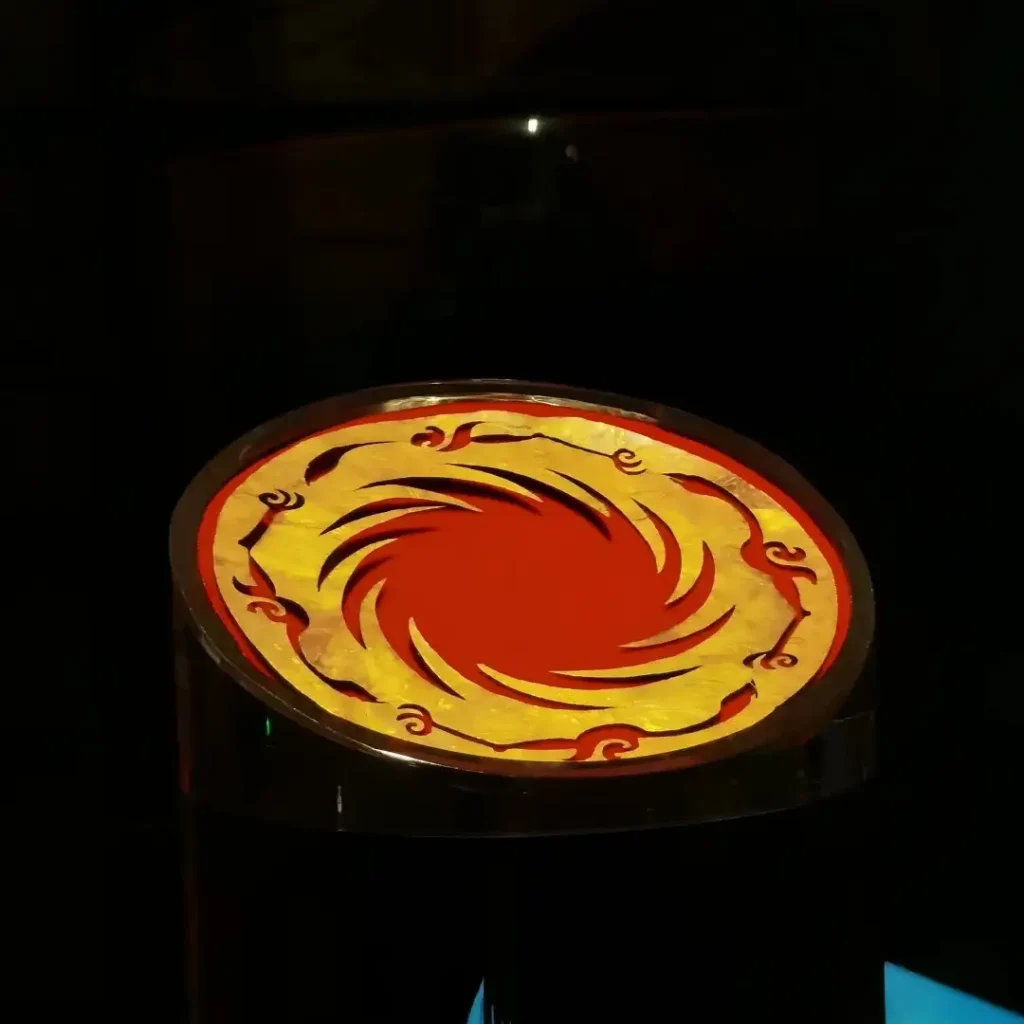
- Live Excavation: You can walk over the actual sacrificial pits on glass platforms, seeing ivory tusks and jade tools exactly where they were unearthed.
3. Wuhou Shrine: Where Heroes Become Gods
If Sanxingdui is about myths, Wuhou Shrine is about the epic reality of the Three Kingdoms (220–280 AD). This is the most famous memorial in China dedicated to the legendary strategist Zhuge Liang and his lord, Liu Bei.
- The Loyalty Narrative: Wuhou Shrine is unique as the only temple in China where a monarch and his minister are honored together—a testament to the ultimate “partnership of loyalty”.
- The Aesthetic: Beyond the history, the shrine is a masterpiece of traditional Chinese architecture. The mossy cypresses and iconic “Red-Wall Path” (near the Huiling Mausoleum) are the most photographed spots in Chengdu.
- The Heroes: Explore the corridors lined with 50 clay statues of Shu Han officials and generals, each representing virtues like bravery, wisdom, and justice.
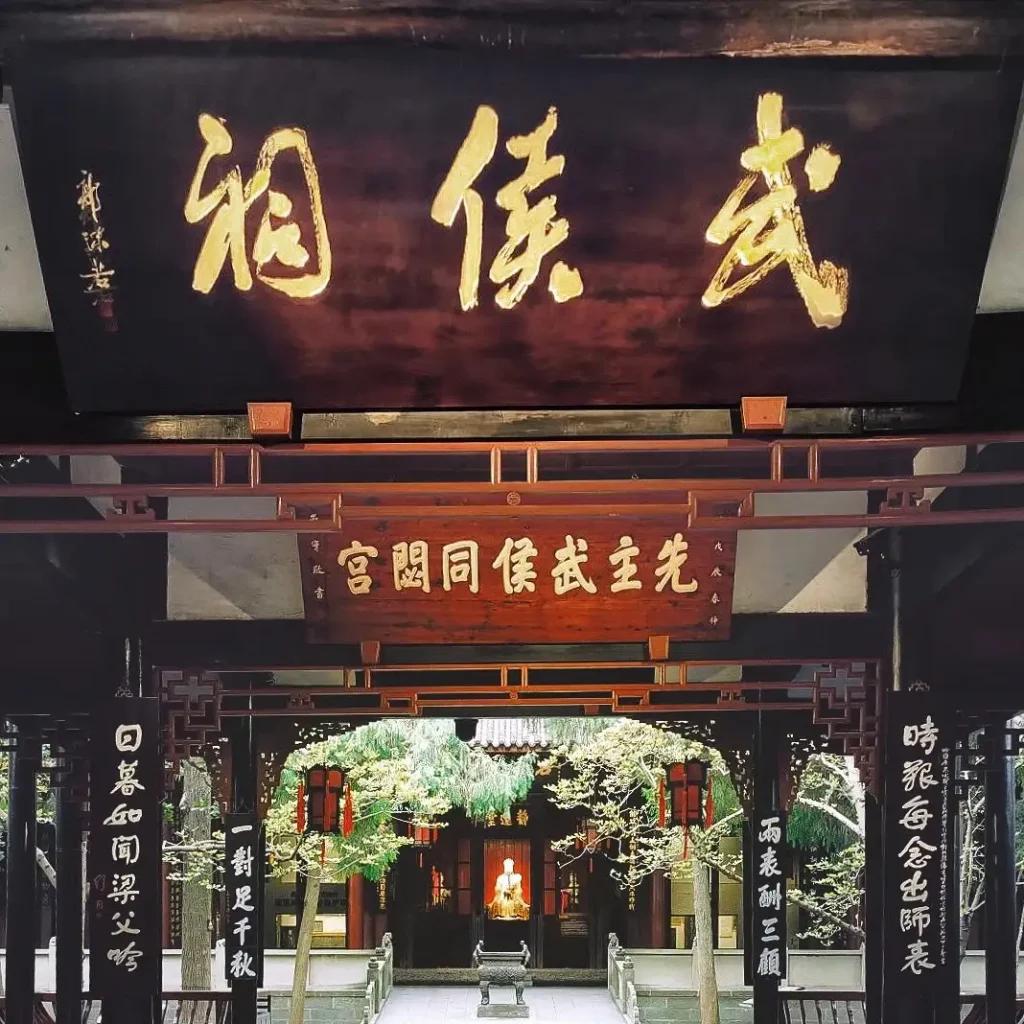
For those visiting for the first time, our Wuhou Shrine for Beginners: The Loyalty of Zhuge Liang and the Most Photogenic Red Walls provides specific photography tips and the legends you need to know.
4. Planning Your Time-Travel Itinerary
- Entrance Fees: Sanxingdui is 72 RMB; Wuhou Shrine is approximately 50 RMB; Jinsha is roughly 70 RMB.
- Peak Season Warning: Avoid the first weeks of January, May, and October, when crowds make quiet reflection nearly impossible.
- Transportation: Sanxingdui requires a 1-hour drive or high-speed rail to Guanghan; Wuhou Shrine and Jinsha are easily reachable via the city’s metro system.
Conclusion
Chengdu’s history is a layer cake of civilizations. Whether you are mesmerized by the “alien” bronze masks or moved by the chivalry of the Three Kingdoms, unearthing these sites is the only way to understand the complex, mystical, and heroic identity of Southwest China.