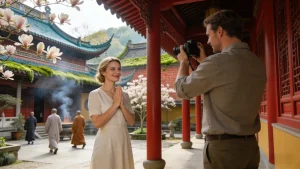
Imagine a time in the 12th century when Hangzhou, then known as Lin’an, was the grandest capital in the world. While West Lake offered a spiritual retreat for poets, the Southern Song Imperial Street (Nan Song Yu Jie) was the city’s pulsing central axis—a thoroughfare once reserved for royal processions and imperial ceremonies. Stretching about 4.6 kilometers, this historic landmark has been meticulously restored to offer a window into China’s imperial past.
What Makes This Street a “Path of Emperors”?
During the Southern Song Dynasty (1127–1279), this street was the most important road in the capital. It wasn’t just a commercial hub; it was the literal path the emperors took for their ancestral rituals. Today, walking on its stone-paved walkways, you are retracing the steps of royalty amidst intricately carved eaves and wooden shopfronts that mirror the grandeur of a bygone era.
Can You Still See the Glory of the Southern Song Dynasty Today?
As you stroll through the heart of the Shangcheng District, history reveals itself in layers.
- The Memorial Archway: Don’t miss the Southern Song Dynasty Memorial Archway, a stunning symbol of the street’s regal past.
- Architectural Fusion: You’ll notice a fascinating blend: traditional Chinese architecture sits naturally alongside 20th-century Western-style buildings and modern cafes.
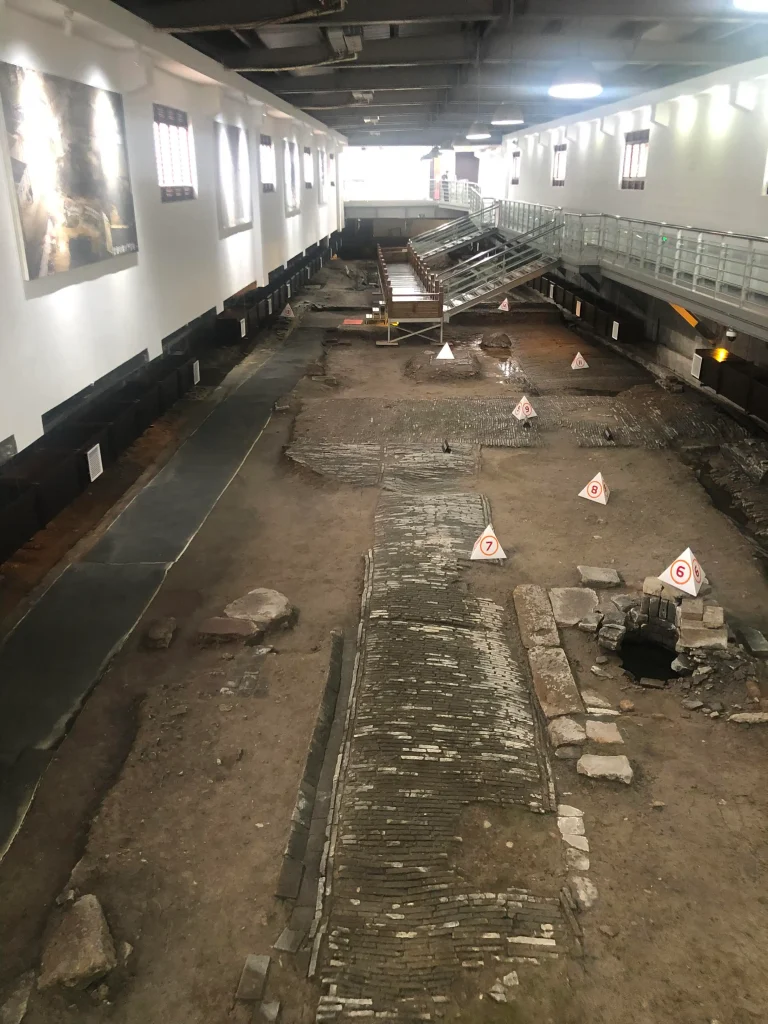
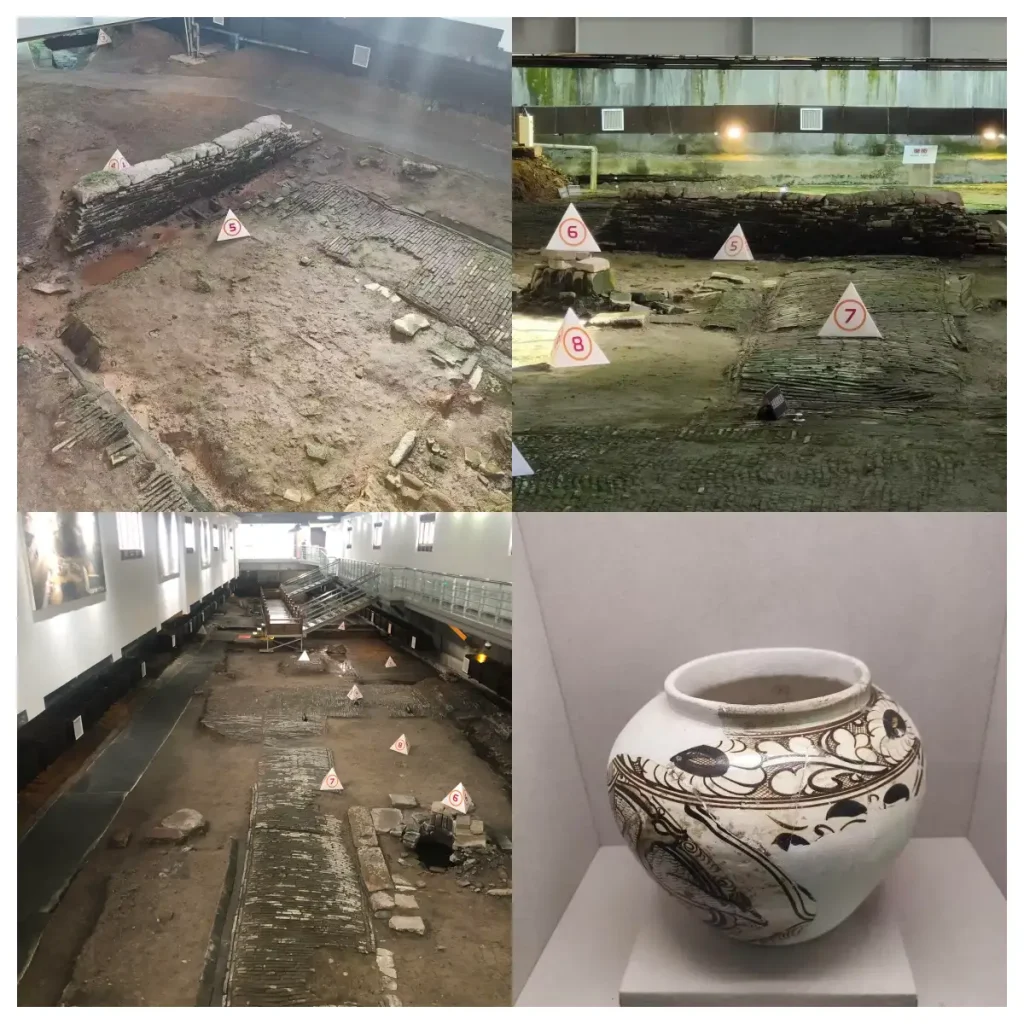
- Museum Insights: Visit the Southern Song Imperial Street Museum for a deeper dive into the archaeological finds that proved this was indeed the heart of the empire.
Which “Time-Honored” Shops Should You Explore?
One of the most unique aspects of this street is the presence of “Lao Zi Hao”—century-old brands that are still operating today.
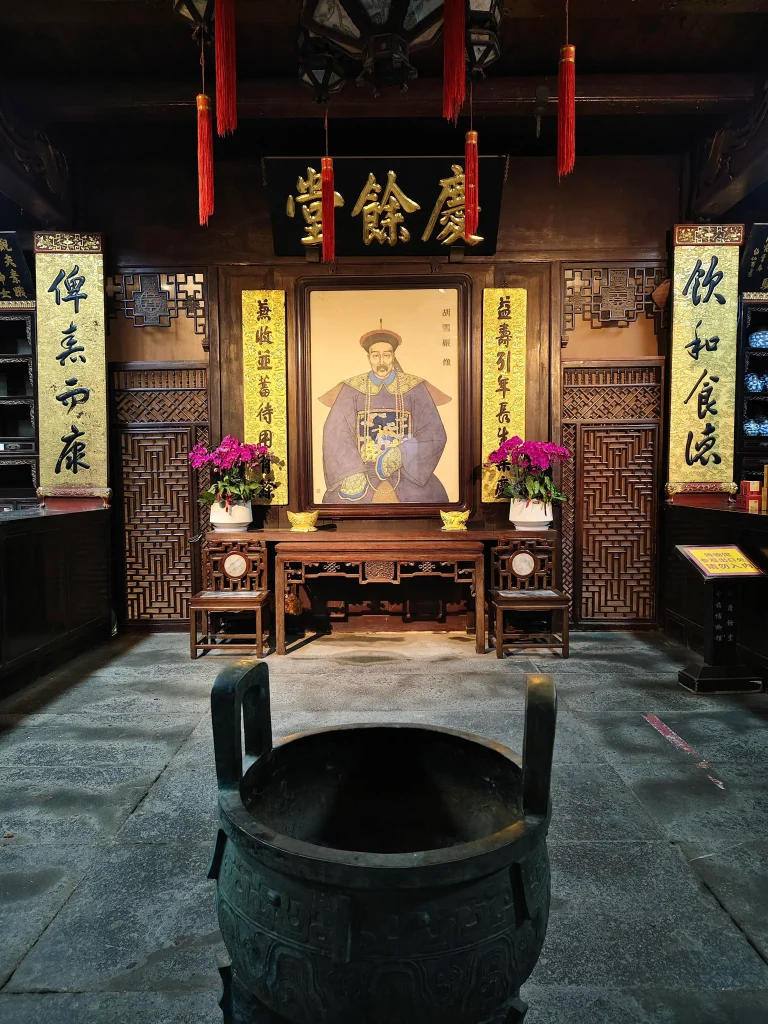
- Hu Qing Yu Tang: Established in 1874, this traditional Chinese medicine pharmacy is a living museum. You can watch herbalists prepare ancient remedies and feel the history in its magnificent wooden halls.
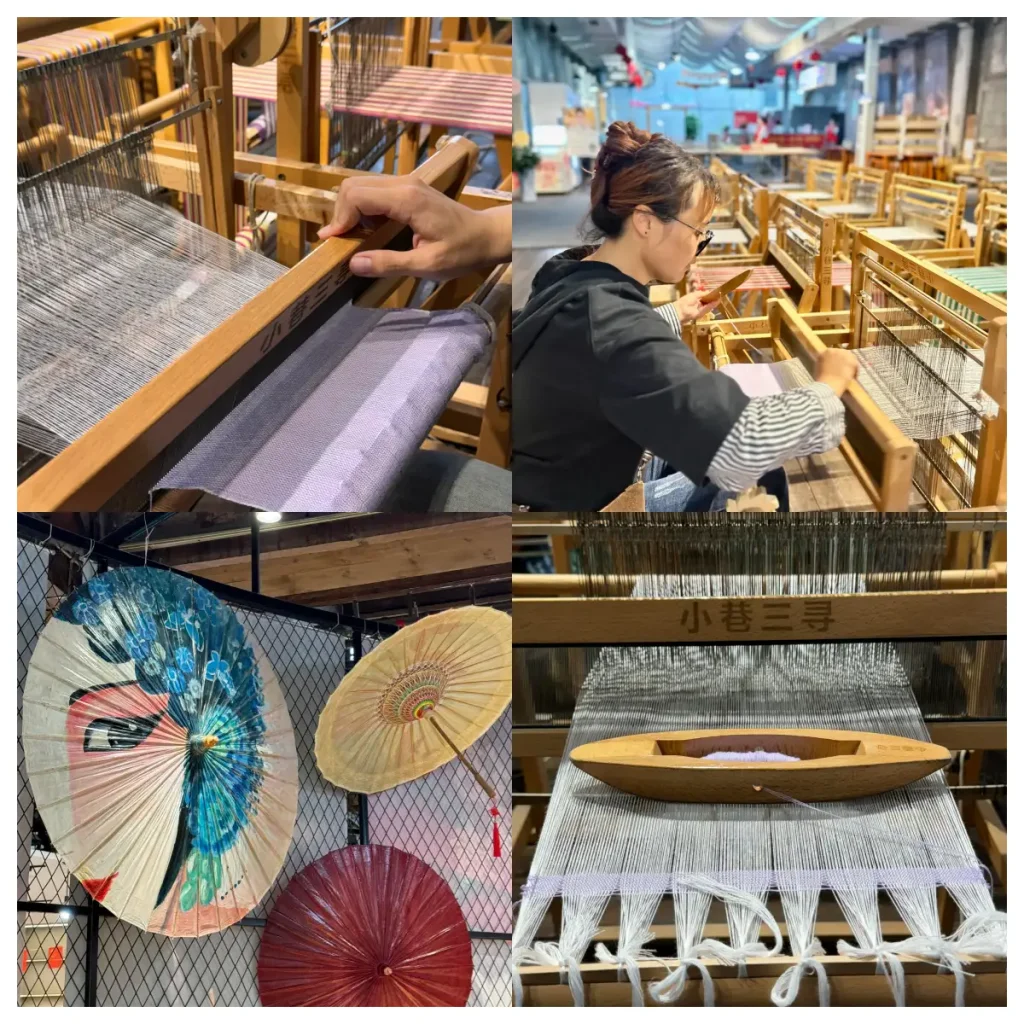
- Artisans at Work: Look for workshops where artisans practice age-old Han Chinese crafts, from silk weaving to fan painting.
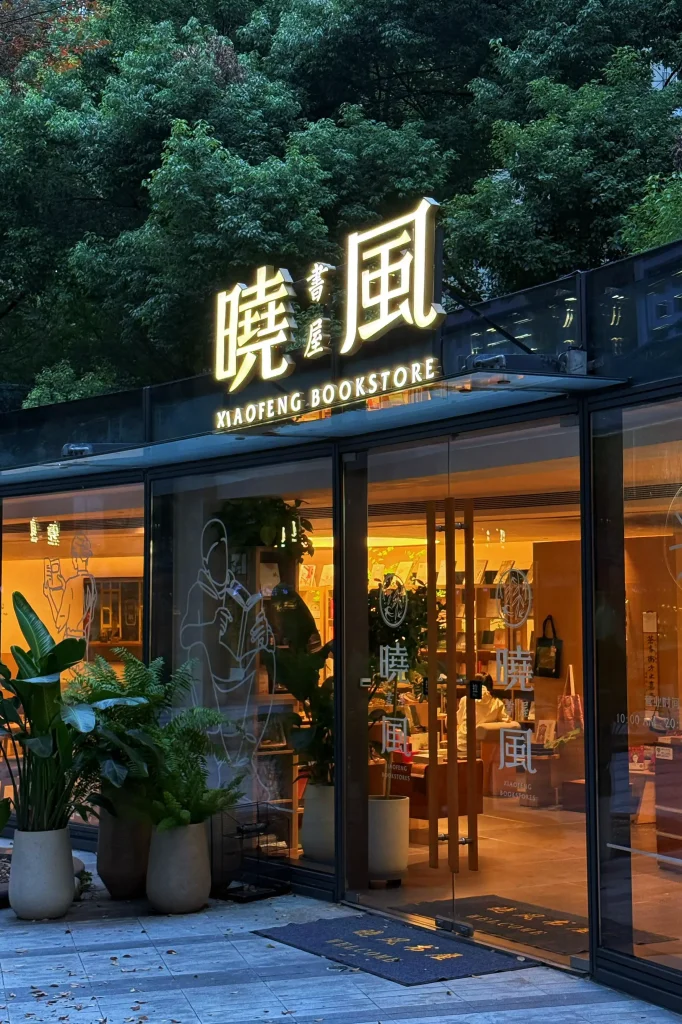
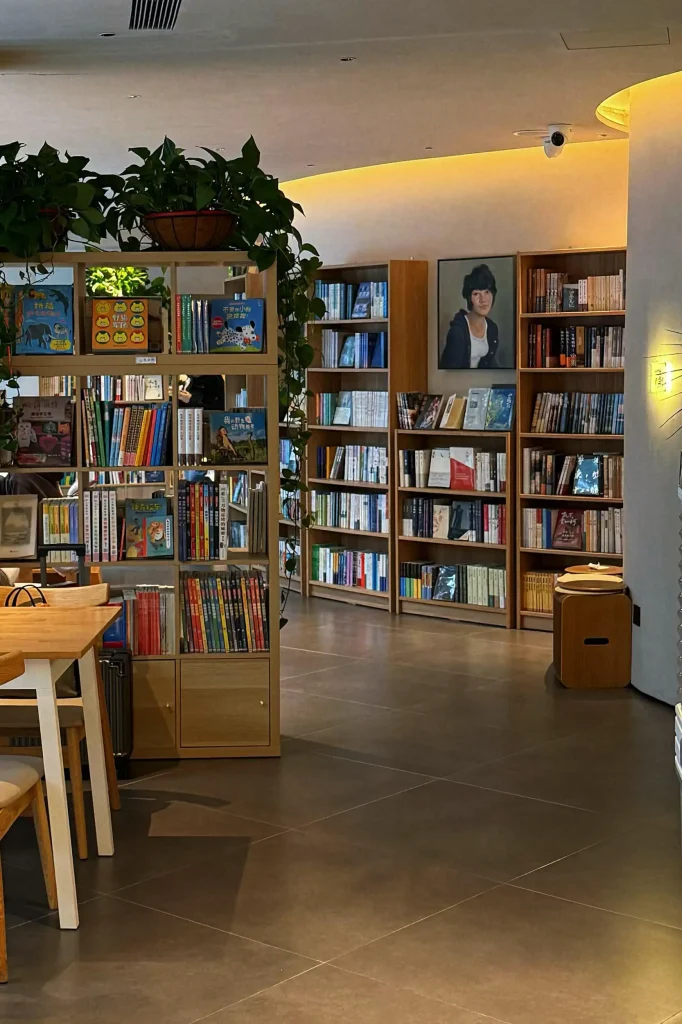
- Literary Stops: Visit the Xiaofeng Bookstore, a beloved local haunt tucked into a historic building, perfect for a quiet break.
Where Can You Find the Best Local Flavors Along the Way?
The street is a paradise for foodies looking for “authentic Hangzhou”.
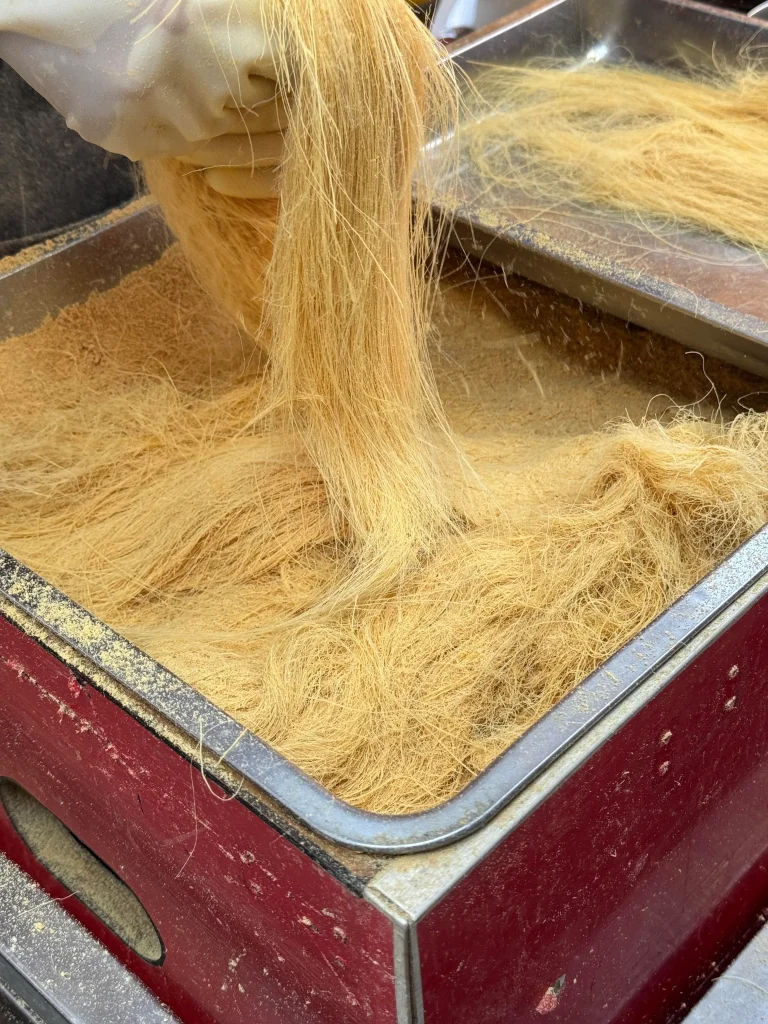
- Street Snacks: Try the Dragon-whisker candy or roasted walnuts sold by street vendors.
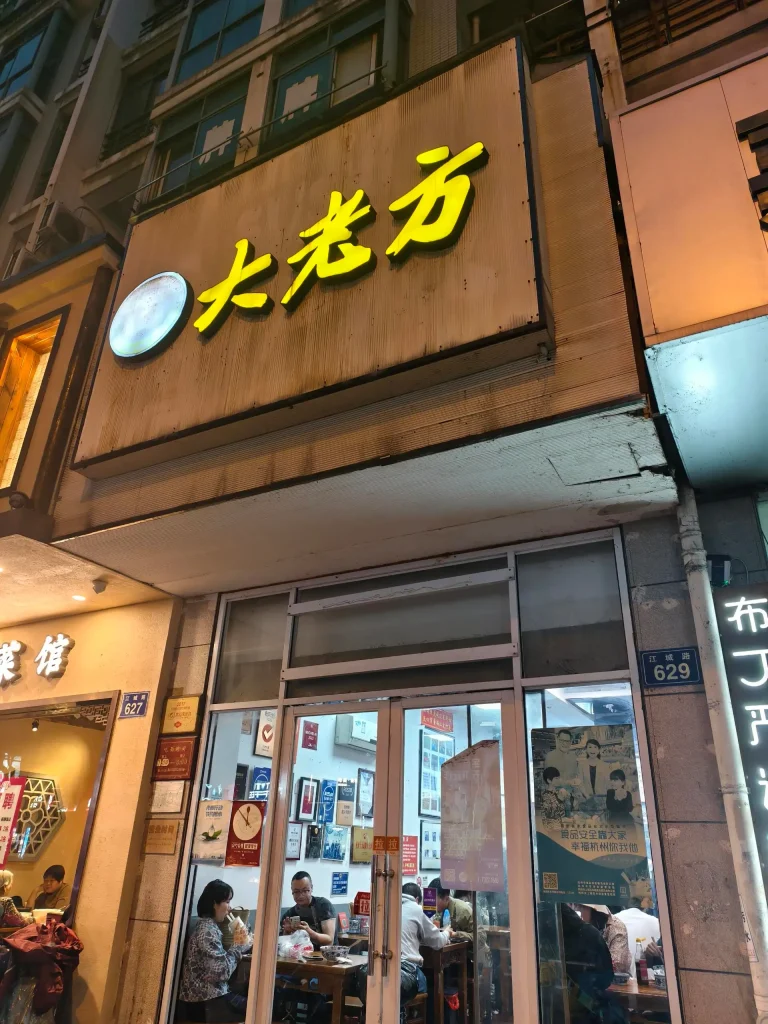
- Iconic Noodle Shops: Check out Fang Laoda Noodle Shop, famous for serving some of the best Hangzhou-style noodles in the city.
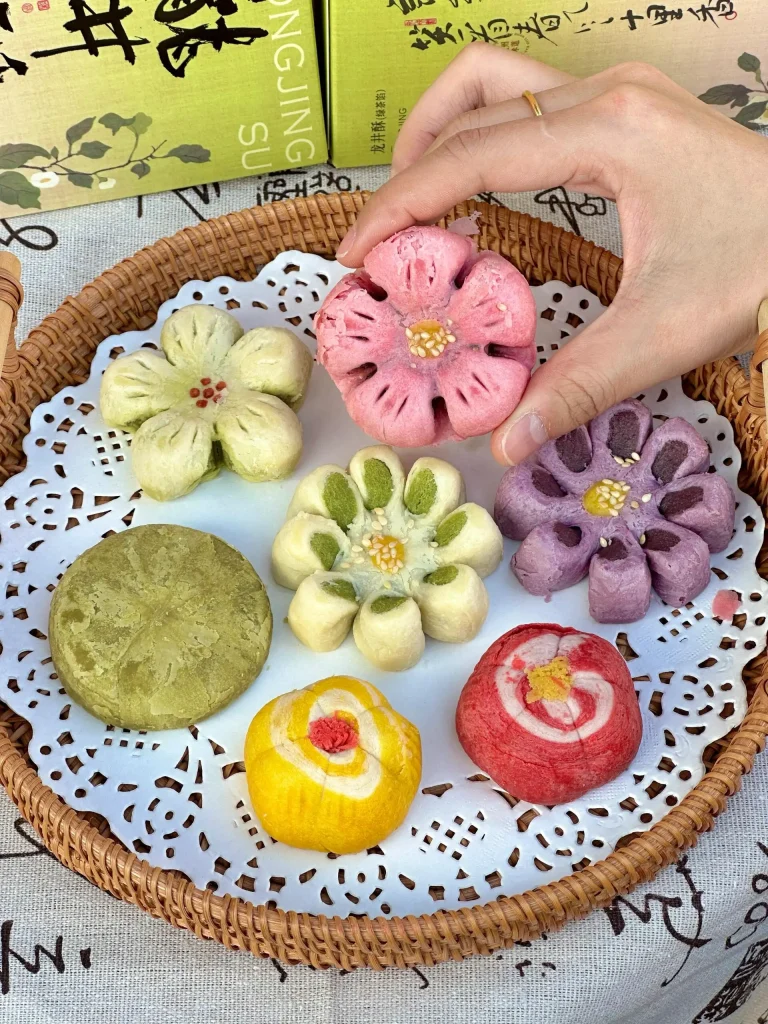
- Dim Sum Delights: Indulge in local delicacies like steamed buns at Zhi Wei Guan, a top choice for traditional snacks.
How Does the Street Transition from Ancient to Modern?
One of the best ways to experience the street is by wandering without a fixed plan.
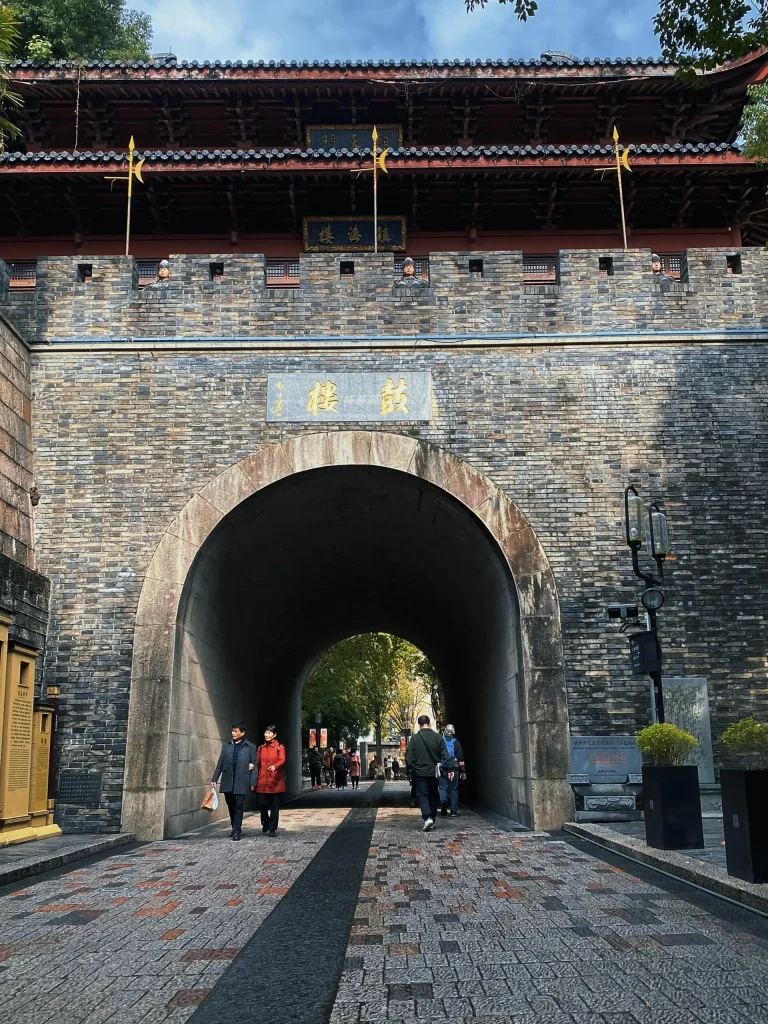
- Dusk at the Drum Tower: As dusk settles, warm lantern light fills the street, creating a meditative atmosphere that reflects off the stone paths.
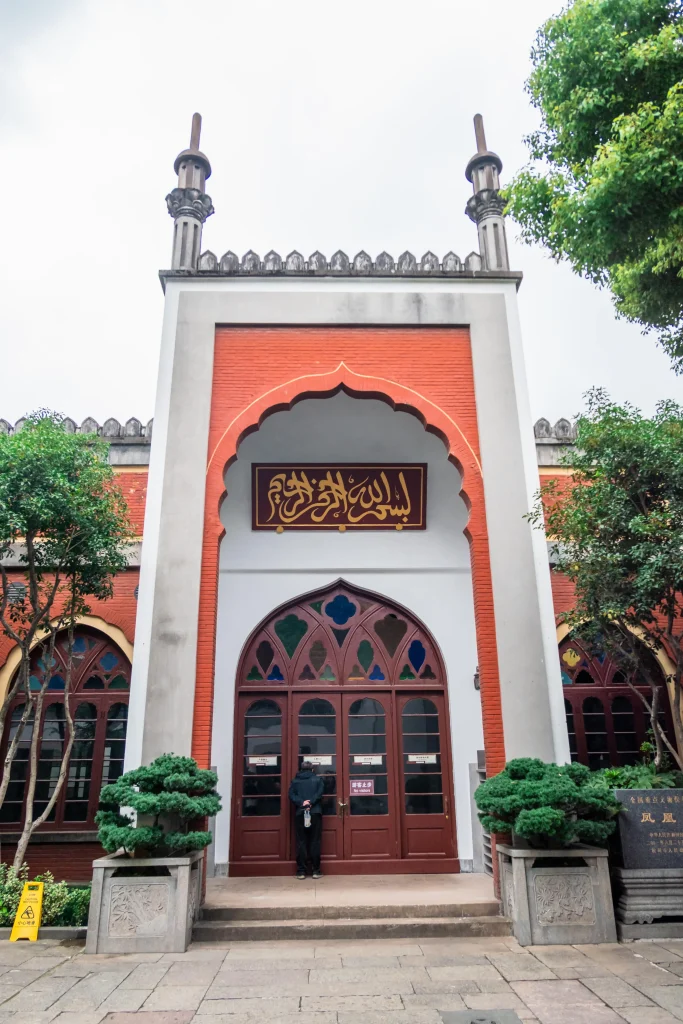
- The Phoenix Mosque: Explore the nearby Phoenix Mosque, one of the four great mosques of ancient China, which showcases the city’s historical religious diversity.
The Imperial Street is the perfect starting point to understand Hangzhou’s royal soul. To see how to combine this historic walk with a sunset cruise on West Lake or a trip to the tea hills, explore our Hangzhou Travel Guide 2026