In Hangzhou, tea is more than just a beverage; it is a “living intangible cultural heritage”. As the birthplace of Longjing (Dragon Well) Tea, the most famous green tea in China, the city offers visitors a rare chance to step into the emerald hills and master a craft that has remained unchanged for a millennium. In 2026, tea tourism has evolved from simple tasting to deep, hands-on participation.
Where are the Best Tea Villages to Visit in 2026?
While Longjing Village is the most famous, several other locations offer unique vibes for international travelers.
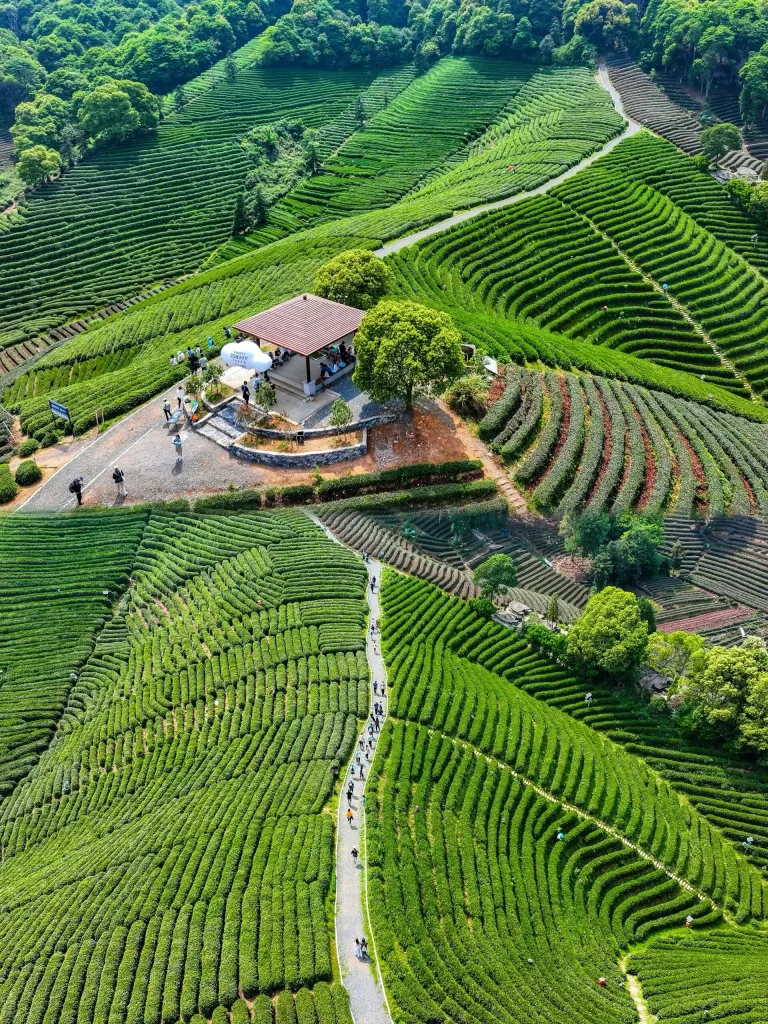
- Longjing Village: The classic choice, perfect for hiking from the Shili Langdang trail.
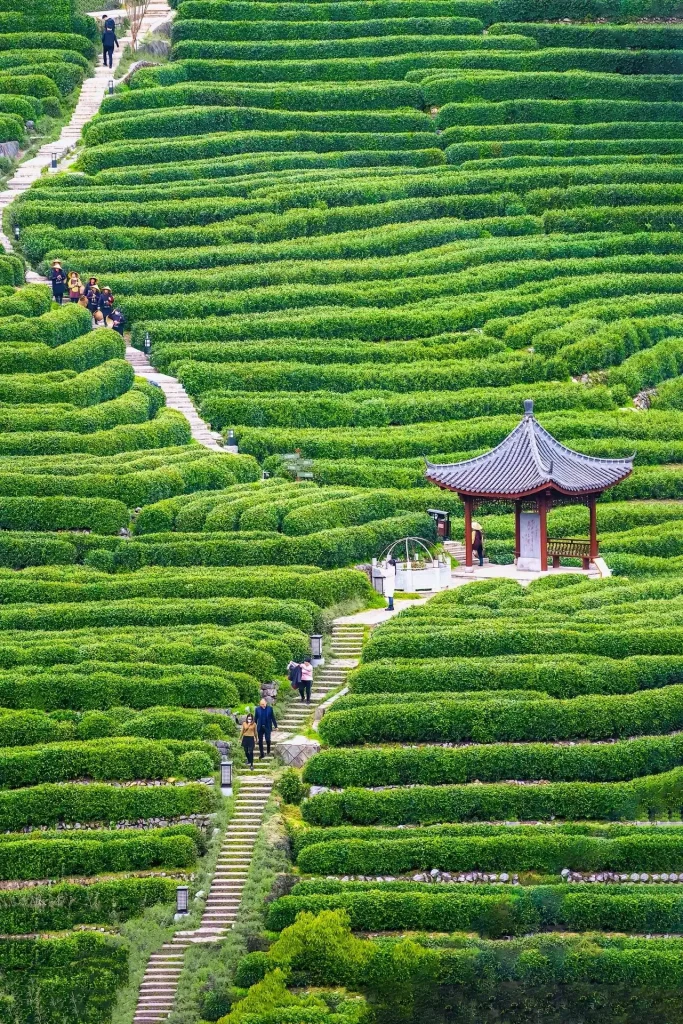
- Meijiawu Tea Village: A scenic valley known for its multi-generation tea farming families and authentic farmhouse lunches.
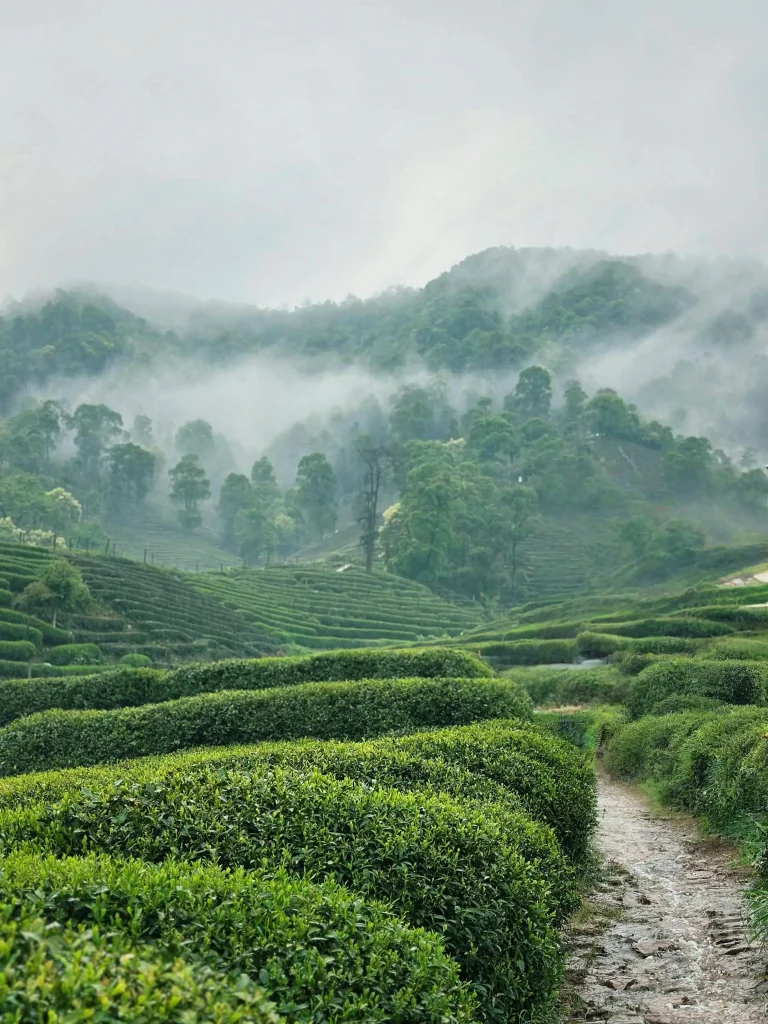
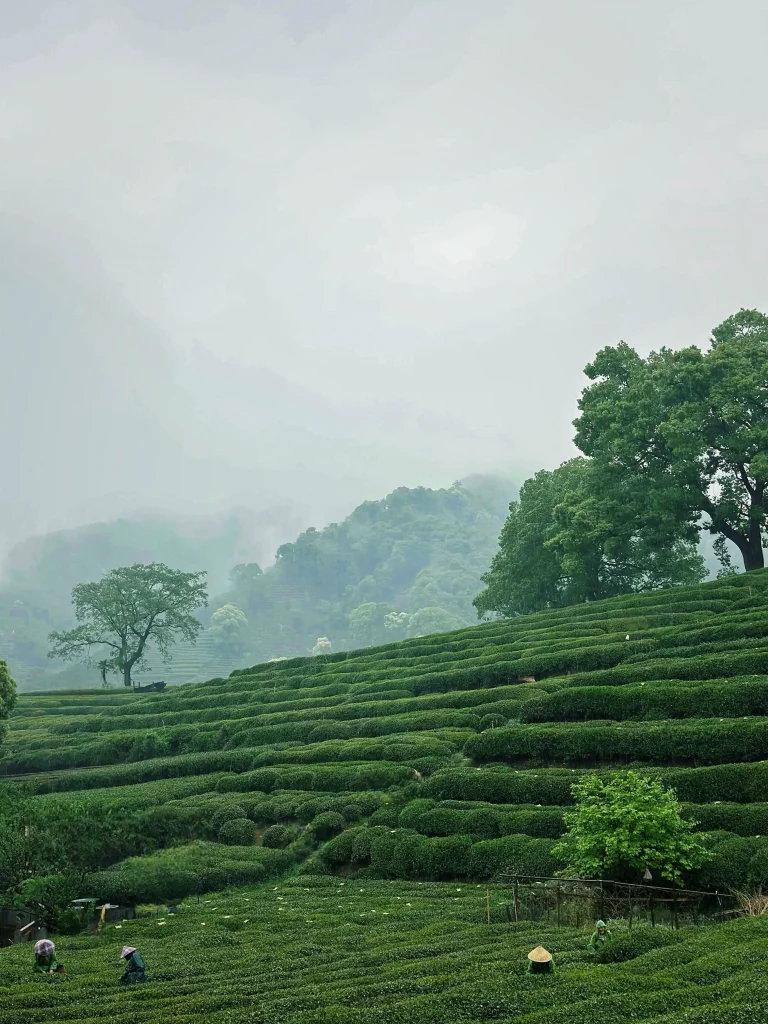
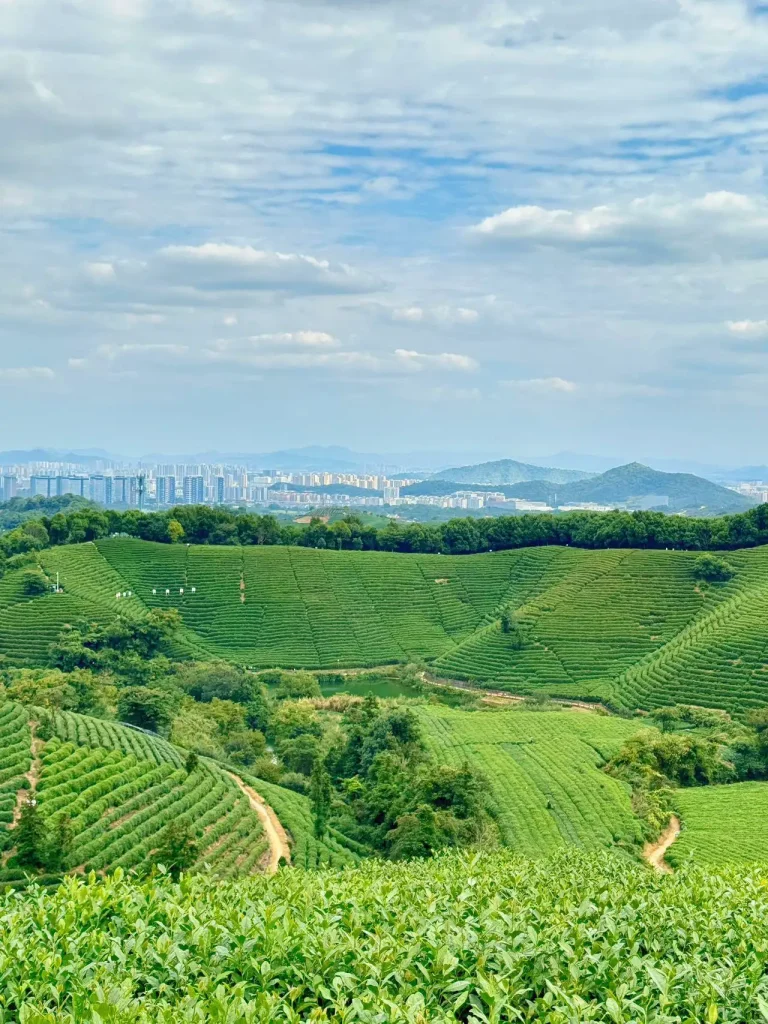
- Longwu (Dragonwu) Tea Village: A quieter alternative about 45 minutes from downtown, surrounded by lush plantations and the Guangming Temple Reservoir—perfect for those wanting to escape the tourist crowds.
What Exactly is the “One Bud, One Leaf” Picking Technique?
The journey begins in the early morning mist of the plantations. To produce premium Longjing tea, you must learn to pick only the most delicate parts: “one bud and one leaf”.
- Hand-Frying Mastery: After picking, you will witness (or even try) the “Ten Techniques” of hand-roasting tea in a hot iron wok. Under the guidance of a tea master, you’ll learn the art of “killing green” to lock in the fresh, earthy aroma.
- The Four Uniques: You’ll be taught how to identify high-quality tea through the “Four Uniques”: green color, fragrant aroma, sweet taste, and beautiful leaf shape.
Why is the Song Dynasty Whisked Tea Ceremony a Must-Try?
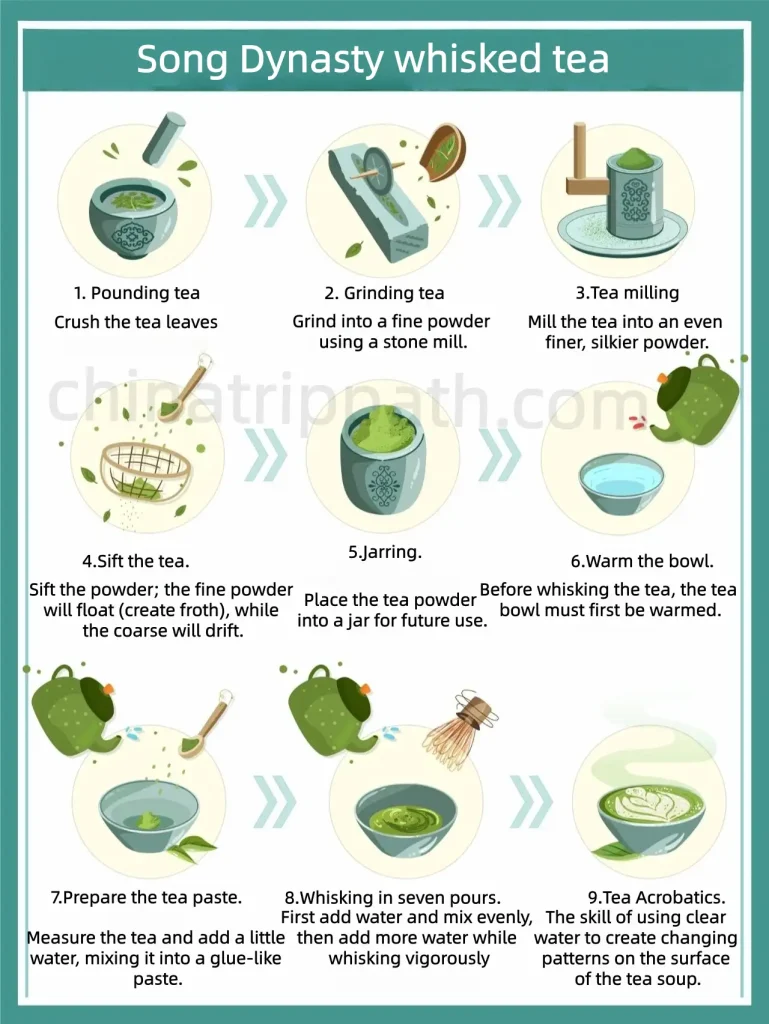
For a truly historical experience, look for workshops offering the “Song Dynasty whisked tea” (Dian Cha).
- Mindfulness & Beauty: This centuries-old art involves whisking tea powder into a delicate froth, much like the precursor to Japanese Matcha.
- Cultural Connection: It’s a meditative practice that allows you to connect with the lifestyle of 12th-century Chinese scholars. Some studios even offer incense making or enamel crafts to complement the tea session.
A tea immersion is the perfect half-day escape from the city’s hustle. To see how to fit this green retreat into a wider exploration of temples and the Grand Canal, follow our Hangzhou Travel Guide 2026