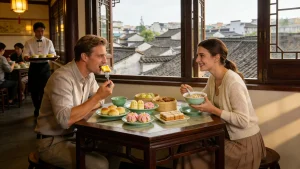
In Hangzhou, food is not just about sustenance; it is a delicious form of storytelling. Known as one of the Eight Great Culinary Traditions of China, Zhejiang cuisine is defined by its fresh ingredients and refined techniques. But for an international traveler in 2026, the real magic lies in the legends served alongside every plate.
Why is a Rich Pork Dish Named After a 1,000-Year-Old Poet?
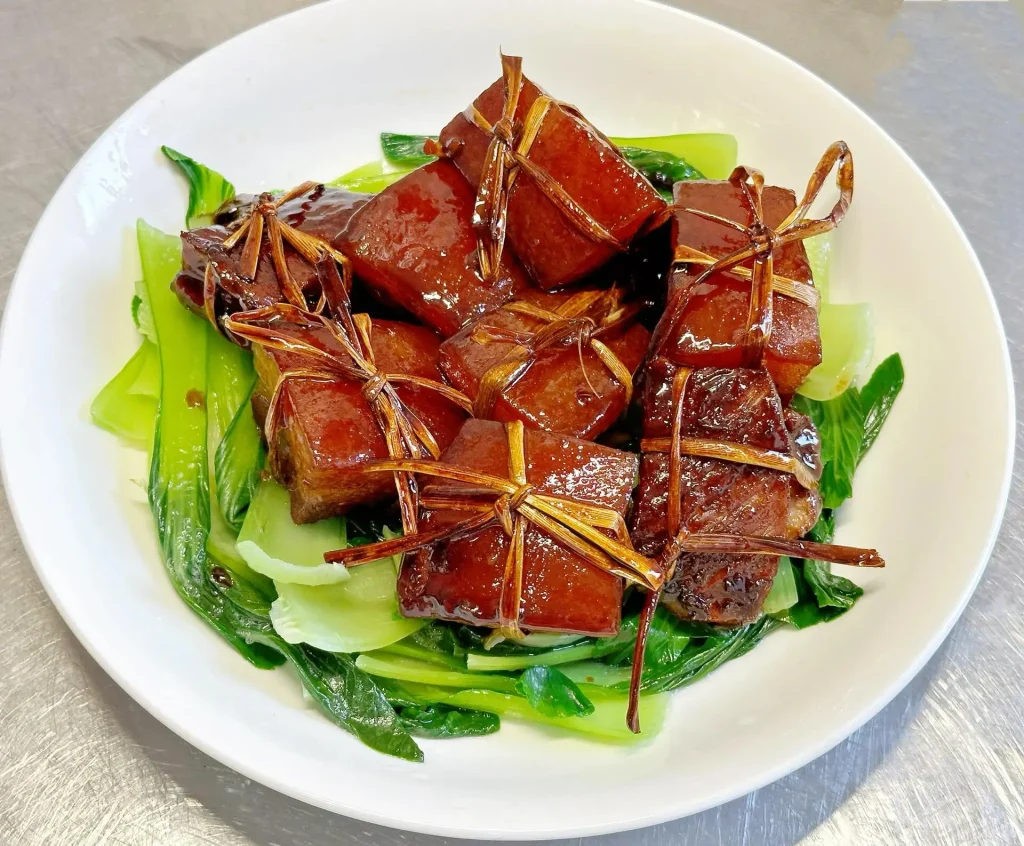
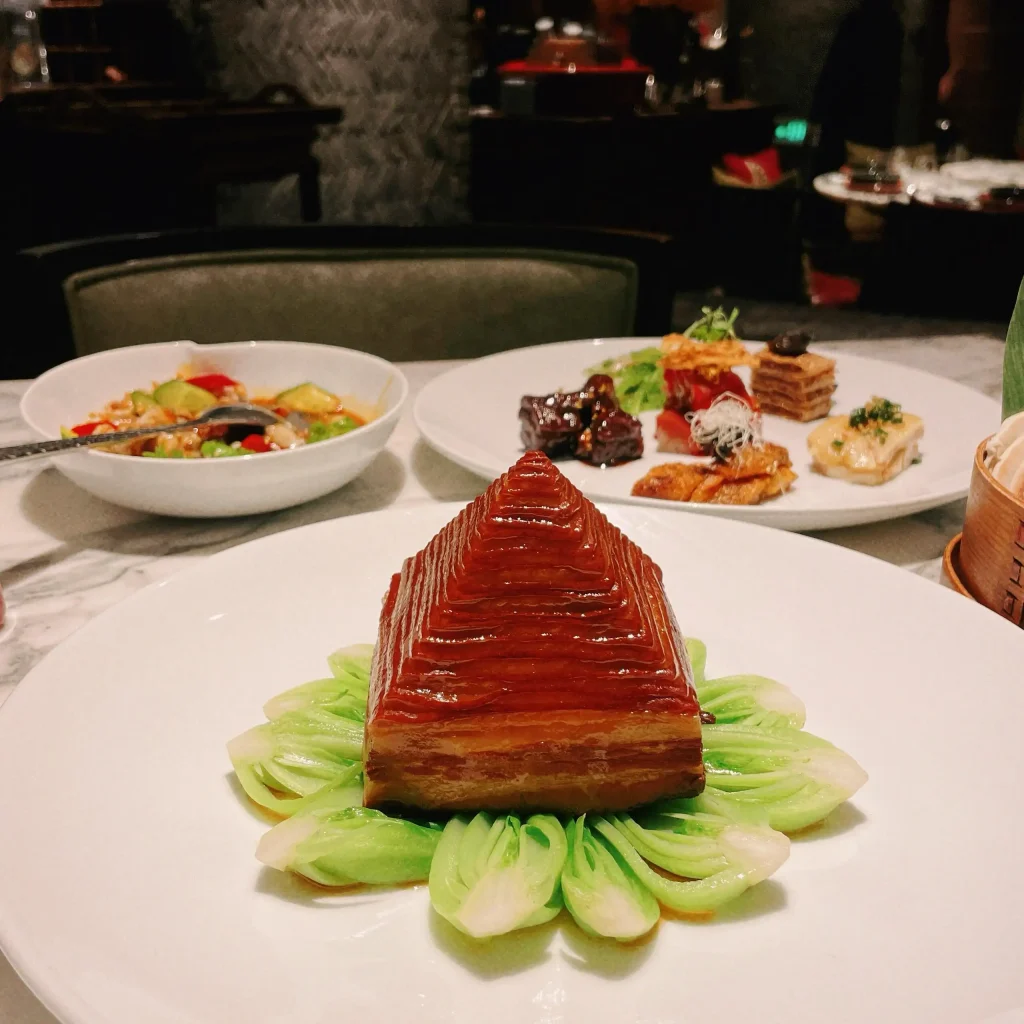
The star of any Hangzhou feast is Dongpo Pork (Dongpo Rou)—thick cubes of braised pork belly that are famously “fat but not greasy”.
- The Legend: Named after the legendary Song Dynasty poet and governor Su Dongpo, the dish was reportedly born from a culinary accident. One story claims Su was so absorbed in a game of chess that he forgot about his simmering pork until it had reached a melt-in-your-mouth perfection.
- The Gift: Another version says Su gifted the recipe to local villagers after they helped him solve a major flooding crisis at West Lake. Today, when you taste the silky, caramelized layers of the pork, you are literally tasting a thousand years of civil engineering and poetry.
How Did a Stolen Chicken Become an Imperial Delicacy?
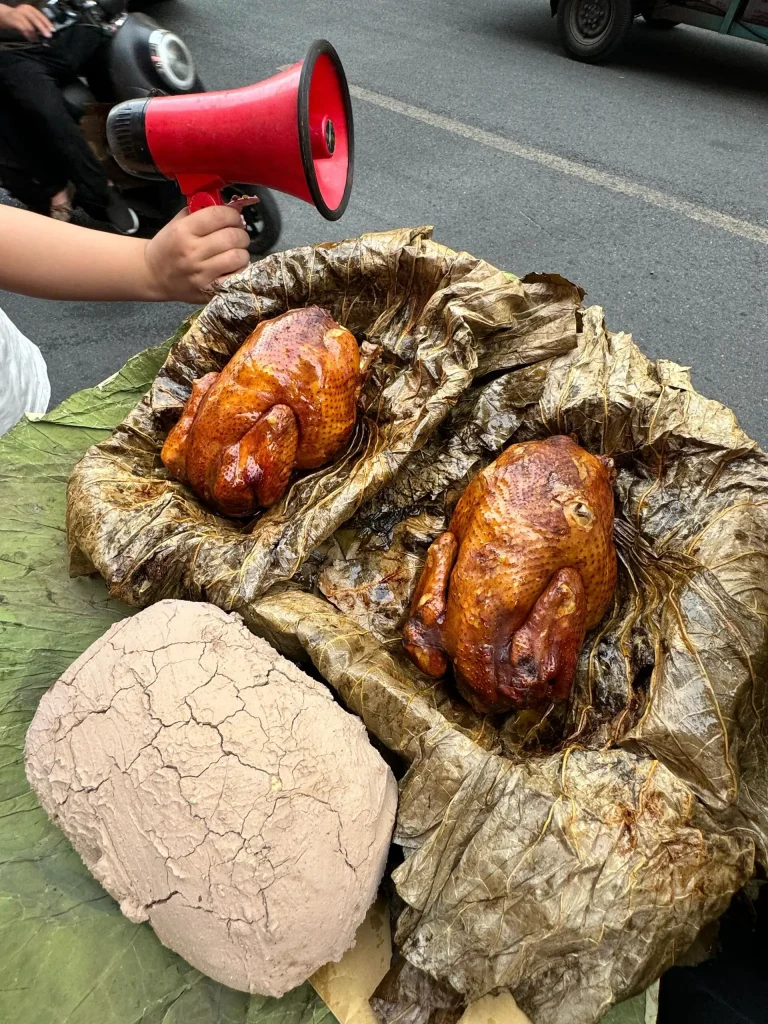
If Dongpo Pork is about poetry, Beggar’s Chicken (Jiaohua Ji) is about survival and high drama.
- The Secret Technique: Legend has it that a starving beggar stole a chicken but had no stove to cook it. To hide his prize from thieves, he wrapped it in lotus leaves and encased it in thick mud before roasting it in a hole in the ground.
- The Emperor’s Surprise: Emperor Qianlong, traveling incognito, was lured by the divine aroma and shared the meal with the beggar. He was so impressed that he added it to the imperial menu, often calling it “Fortune Chicken”. In 2026, many restaurants still preserve the ritual of letting you crack open the hard clay shell with a small wooden hammer at your table.
Can Tea Leaves and Shrimp Really Create the Perfect Harmony?
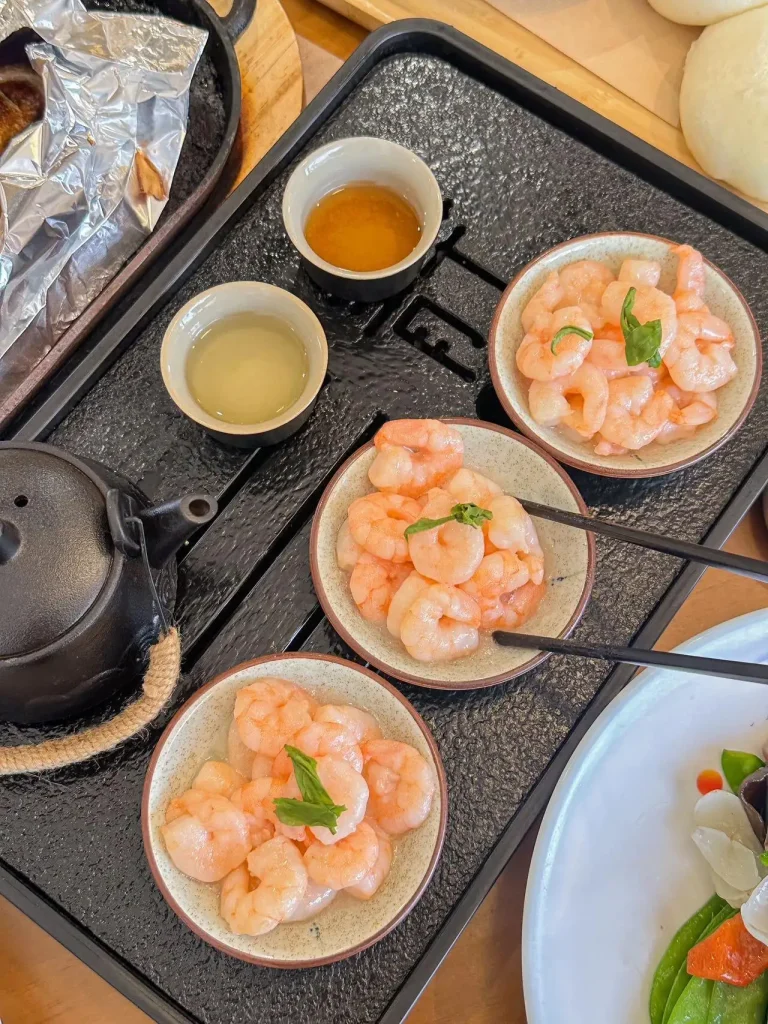
Longjing Shrimp (Longjing Xia Ren) is perhaps the most elegant representation of Hangzhou’s terroir.
- The Story: This dish pairs tender river shrimp with the fragrant leaves of Dragon Well (Longjing) tea. Legend says an emperor accidentally dropped tea leaves into his bowl of shrimp, and the resulting aroma was so refreshing that it became a signature dish.
- The Taste: It is light, floral, and arguably the most “Hangzhou” thing you can put in your mouth.
Where Can You Taste These Historical Legends in 2026?
Finding authentic versions of these dishes is essential for the full experience.
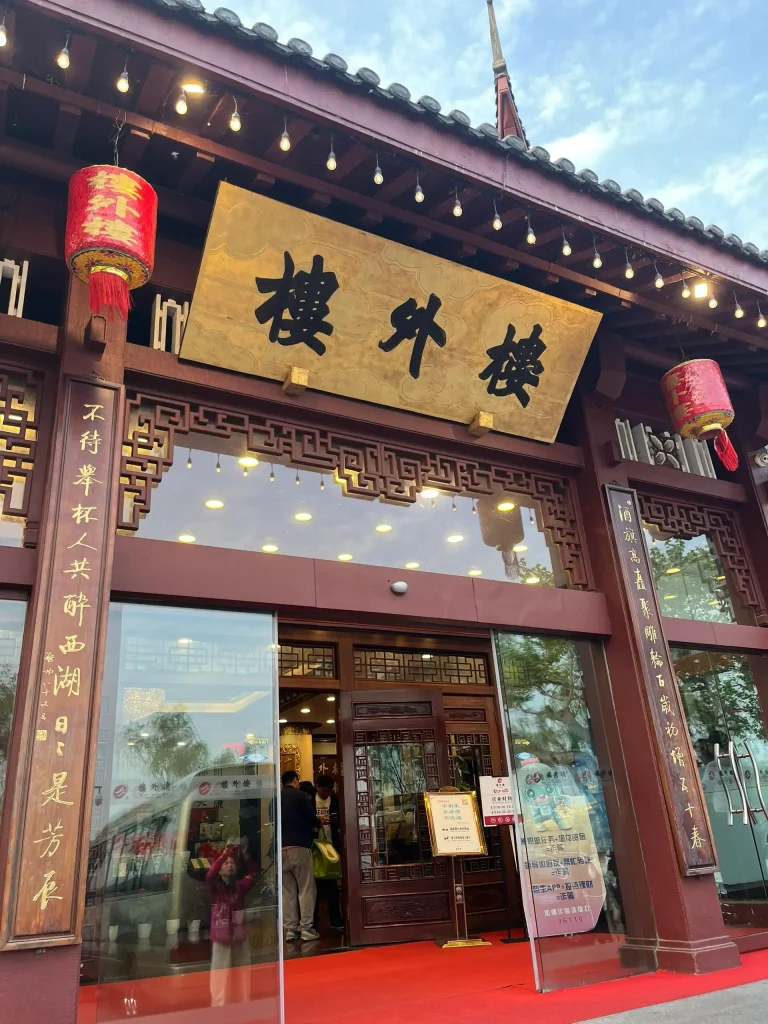
- The Legend: Lou Wai Lou (founded in 1848) is the most iconic spot near West Lake for traditional Dongpo Pork and Beggar’s Chicken.
- The Modern Twist: 28 Hubin Road offers a world-class “pyramid” presentation of Dongpo Pork that is a favorite among food critics.
The best part about these legendary dishes is that they are all located within walking distance of the city’s top sights. To see how to fit these dining spots into your journey, follow our Hangzhou Travel Guide 2026