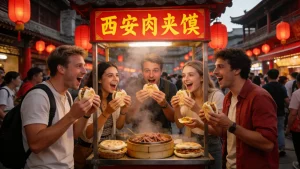
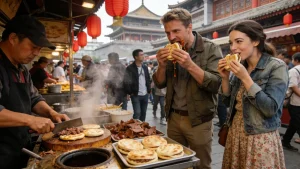
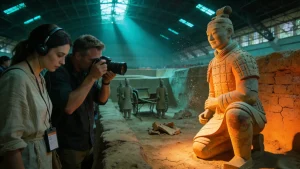
If you walk through any street in Xi’an, you will hear a distinct “slap-slap-slap” sound echoing from open kitchens. This is the sound of Biangbiang Noodles being born. As one of the “eight culinary wonders” of Shaanxi, these thick, long, belt-like noodles are famous not just for their texture, but for possessing the most complex character in the Chinese language. In 2026, as travelers take advantage of the 240-hour visa-free transit, a bowl of Biangbiang noodles has become the ultimate cultural “check-in” experience.
Biangbiang noodles are the energetic soul of the city’s food scene. To see how a noodle lunch fits into a 3-day itinerary exploring the Terracotta Warriors or the City Wall, consult our master travel guide.
The Sound of the Kitchen: Where “Biang” Comes From
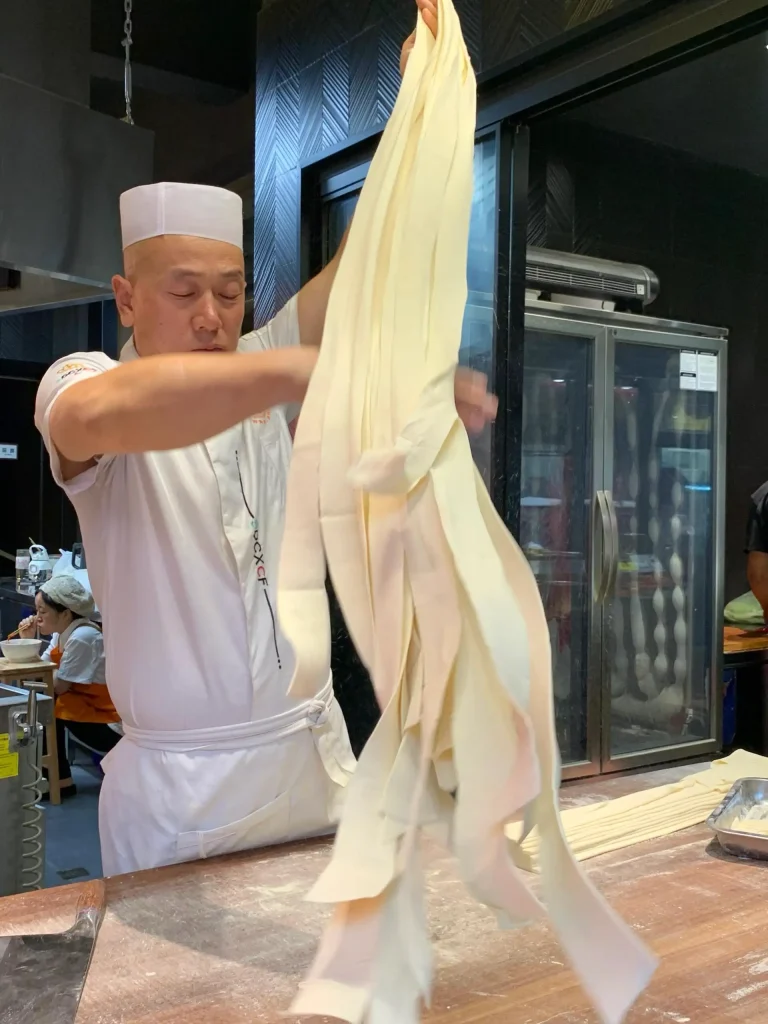
The name “Biang” is onomatopoeic. It mimics the thunderous sound the dough makes when a chef stretches it and slams it against the wooden counter to ensure a perfectly chewy, “al dente” texture.
Legends trace its origin to the Qin Dynasty, where soldiers supposedly pulled dough into thick strips because they lacked rolling pins. Another popular folklore involves Emperor Qin Shi Huang, who grew tired of royal delicacies and found health and vigor again after eating a humble bowl of these hand-pulled noodles offered by a commoner.
The 58-Stroke Character: A Linguistic Mystery
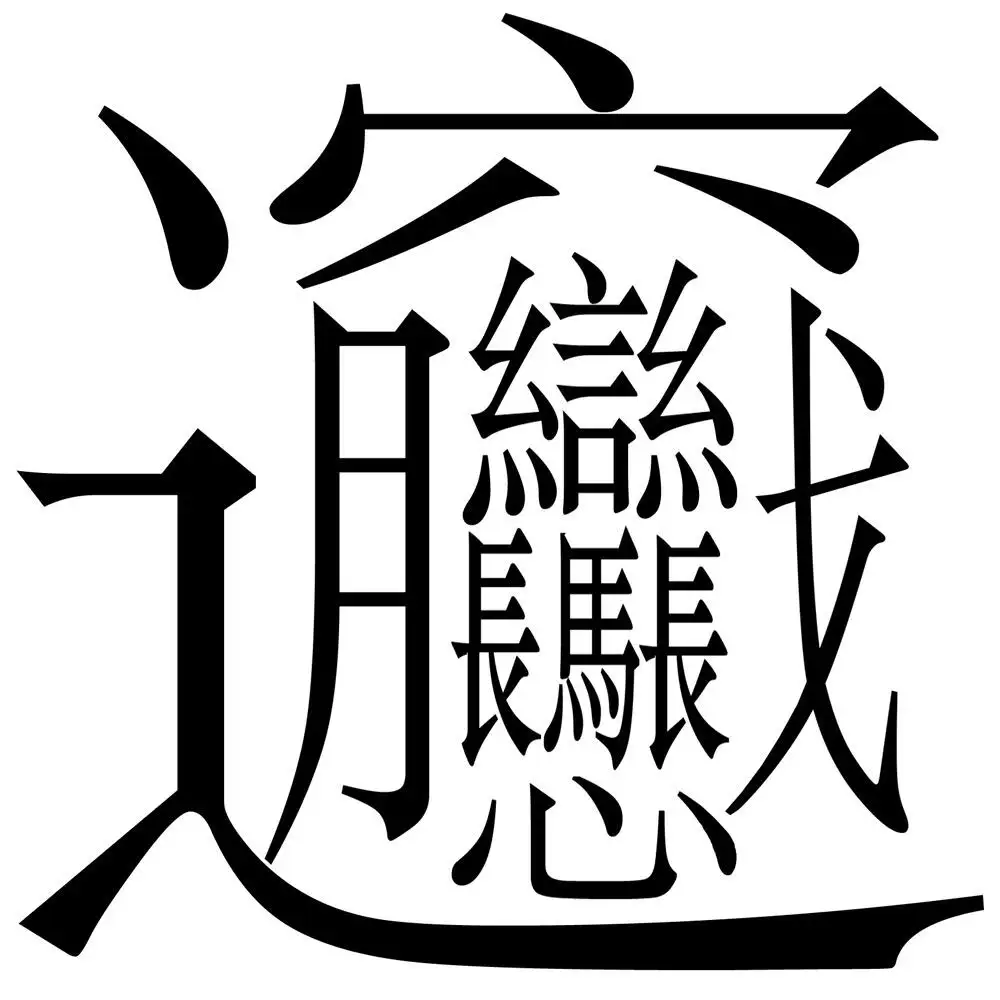
The character for “Biang” is so complex—boasting 58 strokes in its traditional form—that it was only added to Unicode in 2020 and still cannot be typed on most standard keyboards.
The character is a visual metaphor for the Silk Road. It contains radicals for “horse” (馬), “speech” (言), “moon” (月), and “walk” (辶). Locals use a rhythmic mnemonic poem to remember how to write it:
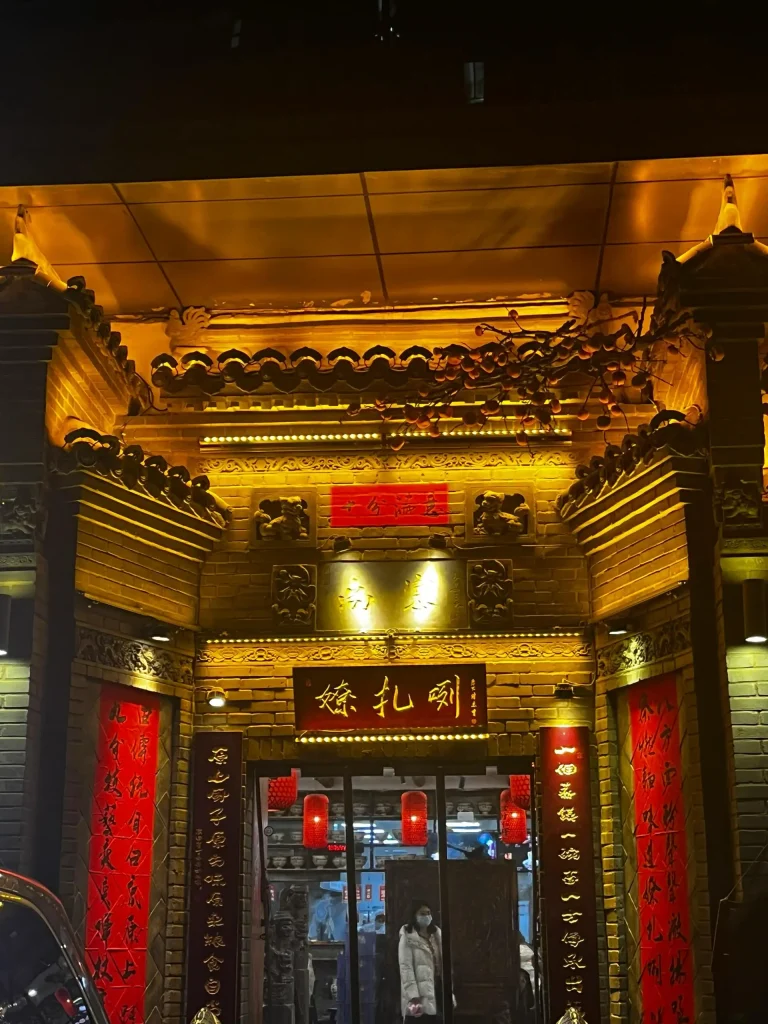
- “A dot rises to the sky, two bends by the Yellow River’s side… in the middle, a horse king will rule…” Most restaurant signs in Xi’an use an image rather than text for this reason, turning every storefront into a piece of art.
Biangbiang noodles are the heavyweights of Shaanxi’s wheat culture. To compare them with other local staples like Roujiamo or Yangrou Paomo, explore our full food guide.
What to Expect: Texture & Toppings
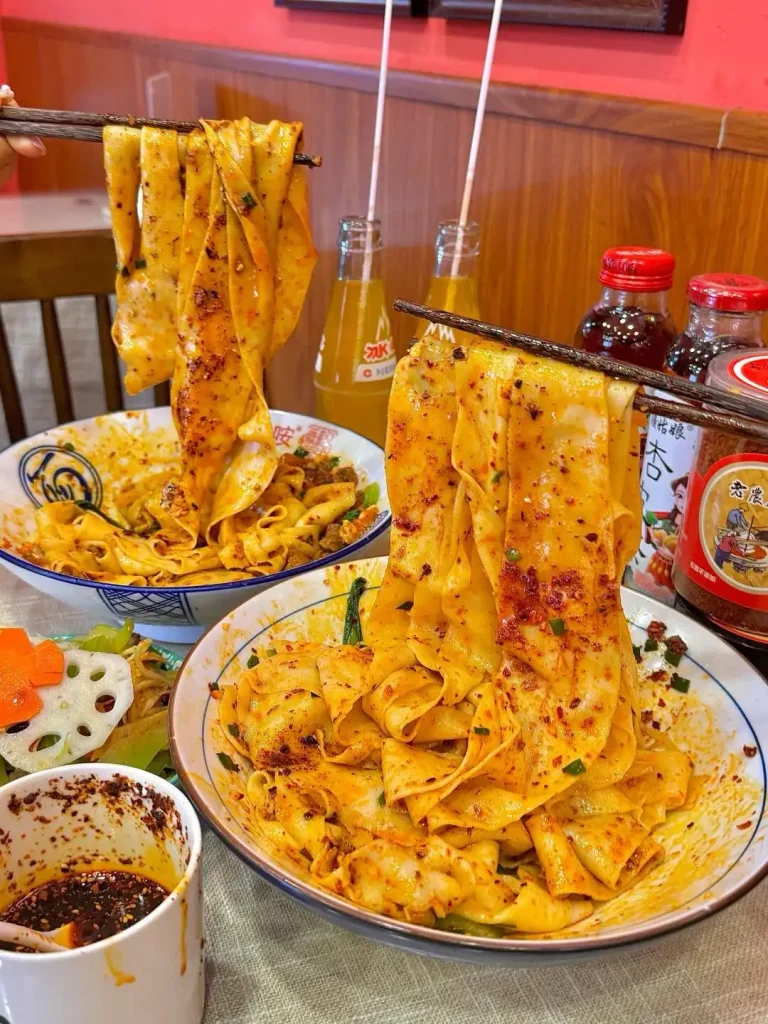
Biangbiang noodles are often called “belt noodles” (Ku Dai Mian) because they are typically 3-5 cm wide and nearly a meter long. Because they are so large, a standard bowl may only contain 3 to 5 noodles.
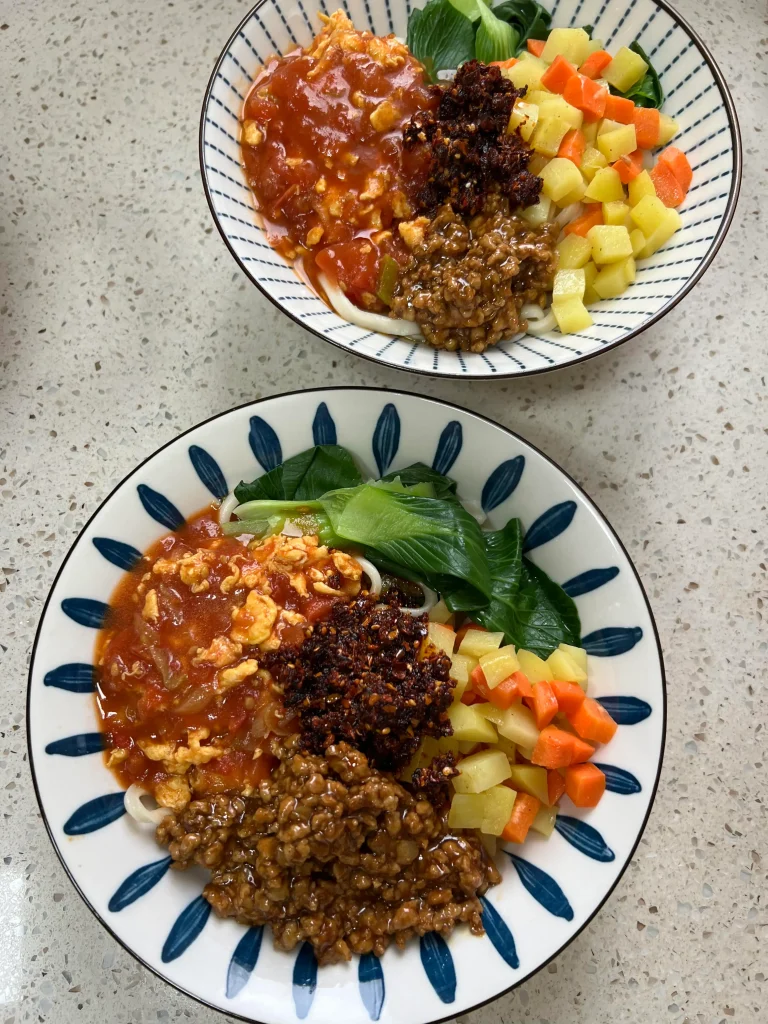
In 2026, the most popular way to order them is the “3-in-1” (Sān hé yī) or “4-in-1” style, which includes:
- Braised Beef or Lamb: Halal versions are standard in the Muslim Quarter.
- Tomato and Egg: Adds a sweet and tangy balance.
- Zajing (Minced Pork): Found in shops outside the religious districts.
- Oil Splashed (Yóu Pō): The final touch where scorching hot rapeseed oil is poured over chili flakes and raw garlic, releasing a bold, smoky aroma.
How to Eat Like a Shaanxi Local
- The Garlic Trick: You will see bowls of raw garlic on every table. Locals peel a fresh clove and take a bite of it between bites of noodles. This adds a spicy kick and is believed to aid digestion in Shaanxi’s dry climate.
- The Mix: Do not eat the toppings separately. Stir everything vigorously until every inch of the “belt” is coated in red oil and sauce.
- Pairing: Drink a cold Ice Peak (Bingfeng) orange soda to cut through the numbing heat of the Sichuan peppercorns.
Top Rated Noodle Shops for 2026
- Ai Hua Ku Dai Noodle House : Located near the Bell Tower, famous for their theatrical “table-side” oil-splashing.
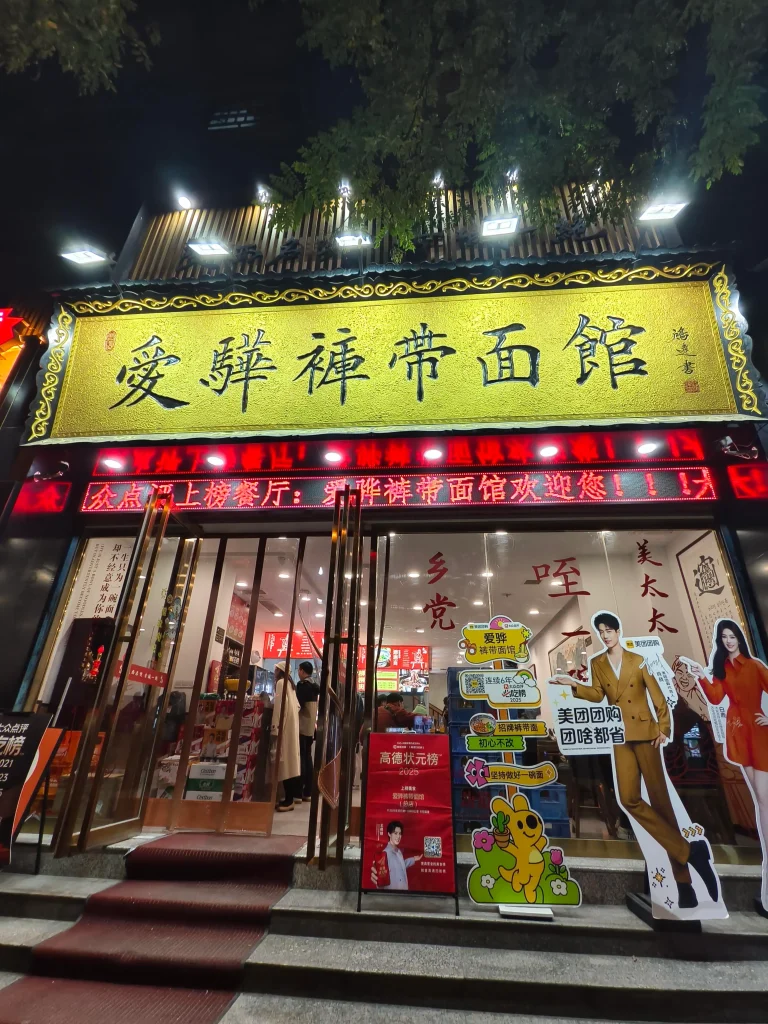
- Shang Zhai Liao Zha Lie : Highly rated for their chewy texture and consistent spicy-tangy balance.
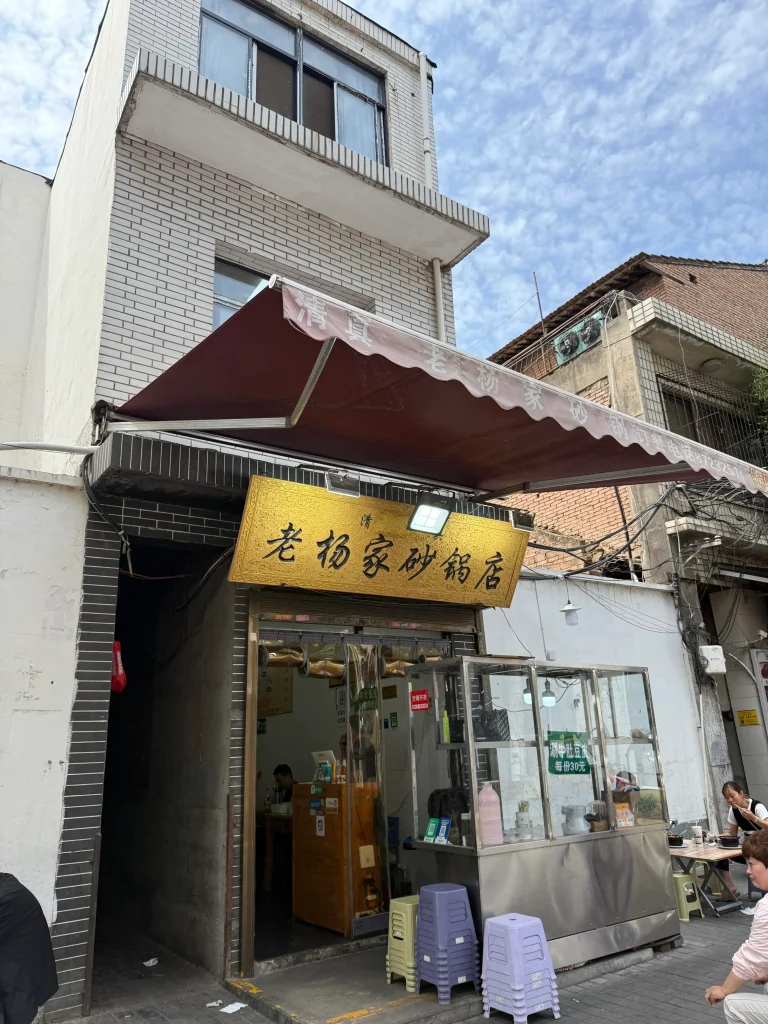
- Lao Yang Jia : A great stop near the Terracotta Warriors museum if you want an authentic meal away from the overpriced tourist cafeterias.
👉 See the full plan in our Perfect 3-Day Xi’an Itinerary.