To visit Xi’an without understanding the Qin Dynasty (221–206 BCE) is to see the statues without seeing the story. The Terracotta Army is more than a collection of 8,000 clay figures; it is a physical manifestation of the absolute power, standardization, and obsession with immortality that defined China’s first empire. In 2026, as ongoing excavations and digital reconstructions reveal new secrets, this guide provides the cultural depth every international traveler needs.
The Terracotta Army is the crown jewel of any Xi’an journey. To see how this archaeological wonder fits into a broader 3-day exploration of China’s ancient capital, consult our master guide.
The Emperor Who Built an Era: Qin Shi Huang
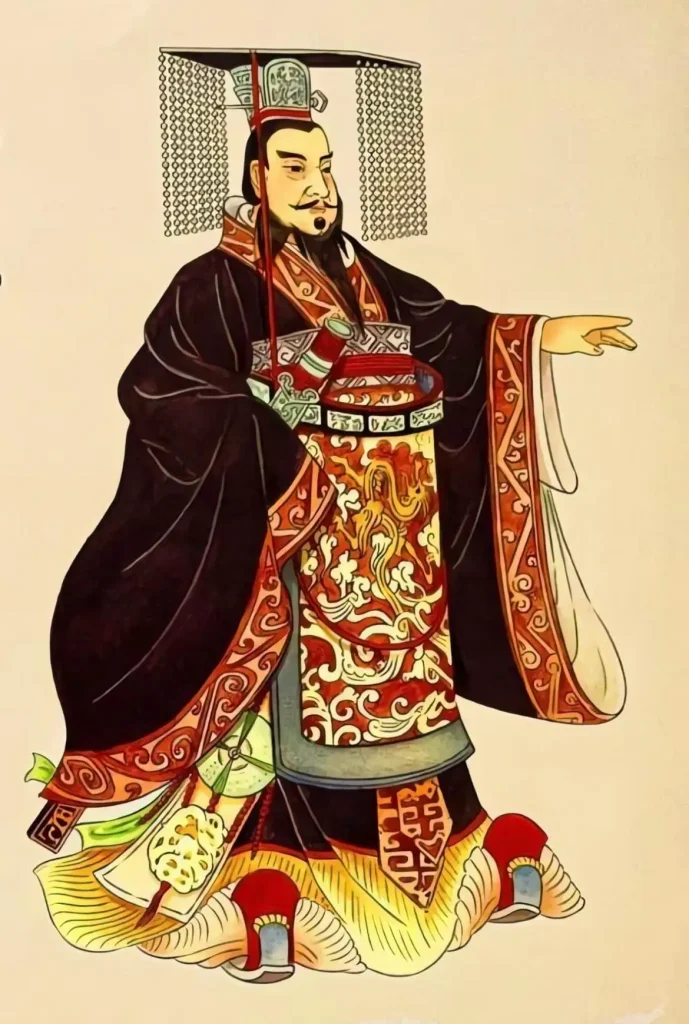
The man behind the army, Qin Shi Huang, ascended the throne at age 13 and unified seven warring states into one empire within a decade. His legacy is a study in contradictions: he was a visionary who standardized the Chinese writing system, currency, and weights, yet a tyrant who implemented harsh Legalist laws. His greatest feat, however, was his attempt to conquer death itself by building a city-sized necropolis.
The Pits: A Blueprint of Ancient Warfare
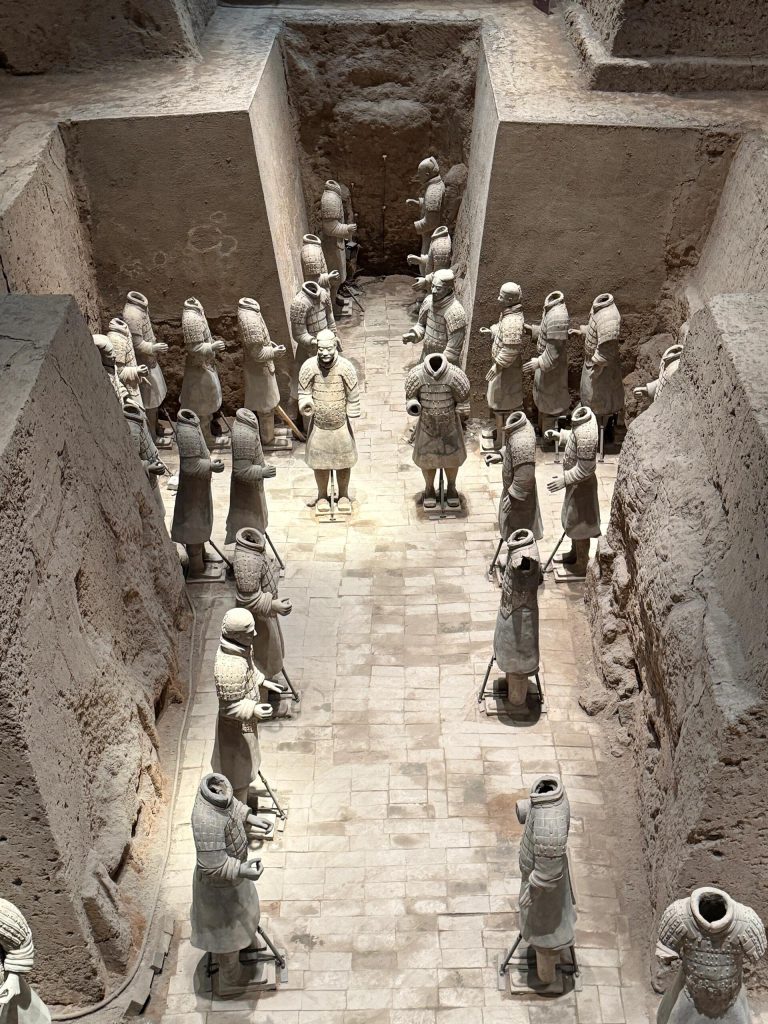
The 8,000 warriors discovered by farmers in 1974 are arranged in battle formation to guard the Emperor’s unexcavated tomb to the west.
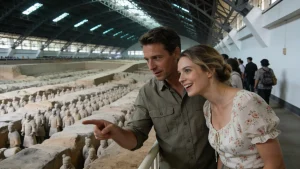
- Pit 1 (The Main Infantry): The size of an airplane hangar, housing over 6,000 figures. This is where you witness the sheer scale of the vanguard, main body, and rearguard.
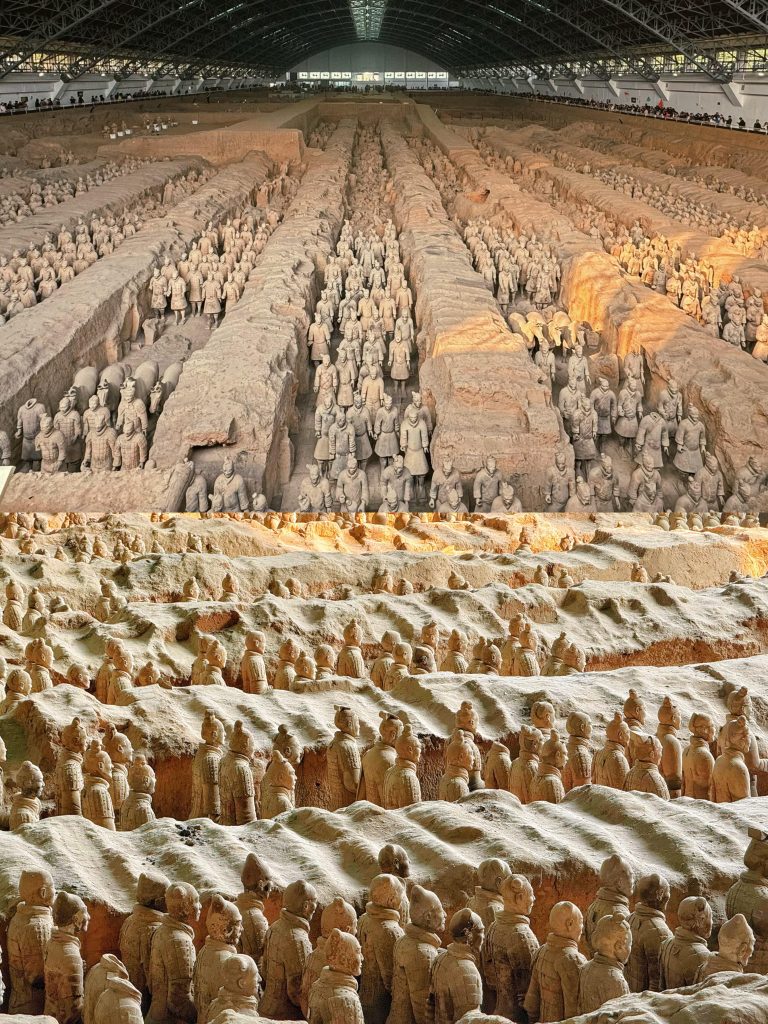
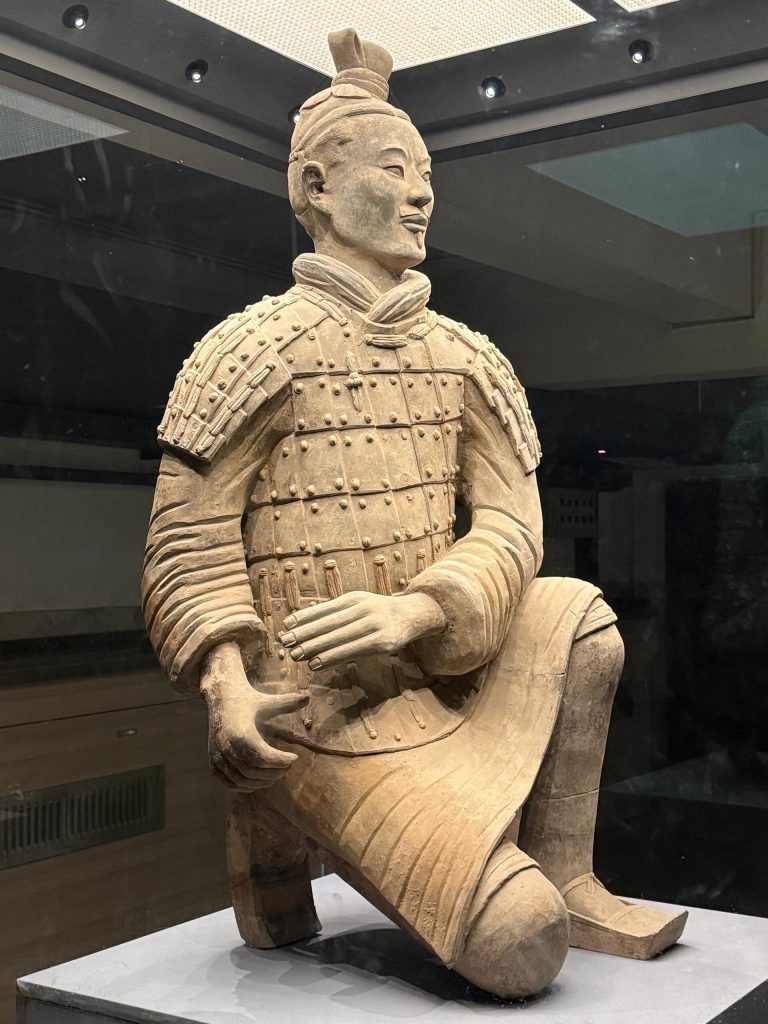
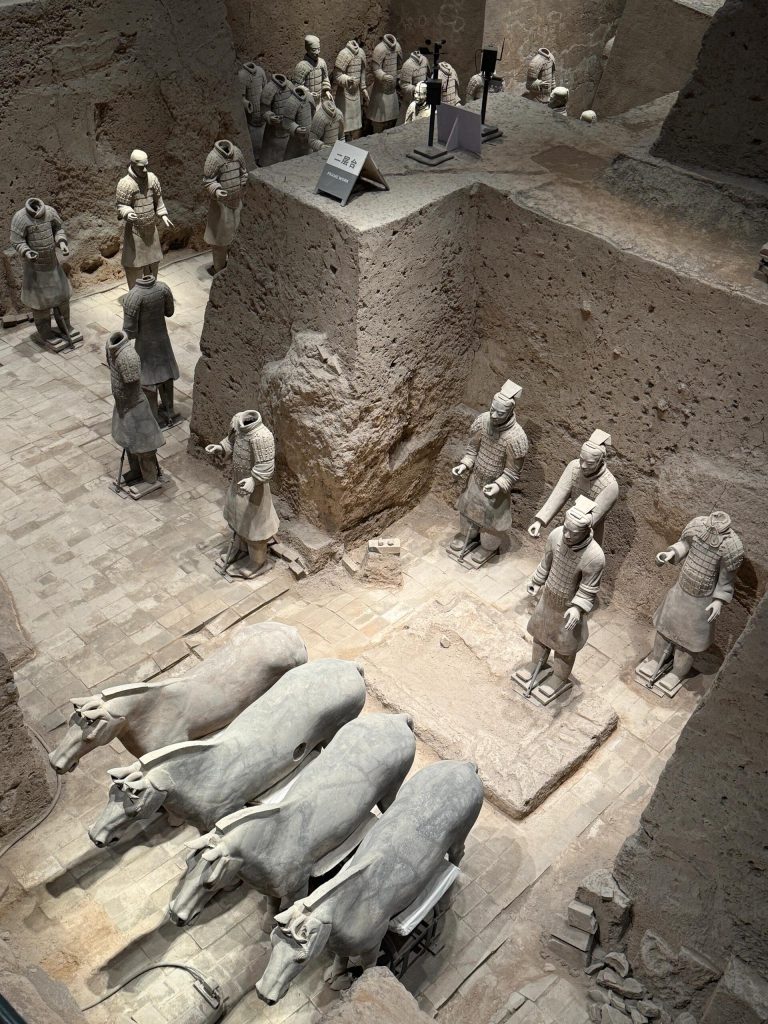
- Pit 2 (The Strategic Reserve): Features a diverse mix of cavalry, war chariots, and the famous Kneeling Archer, whose pose is said to resemble the geographical outline of Shaanxi province.
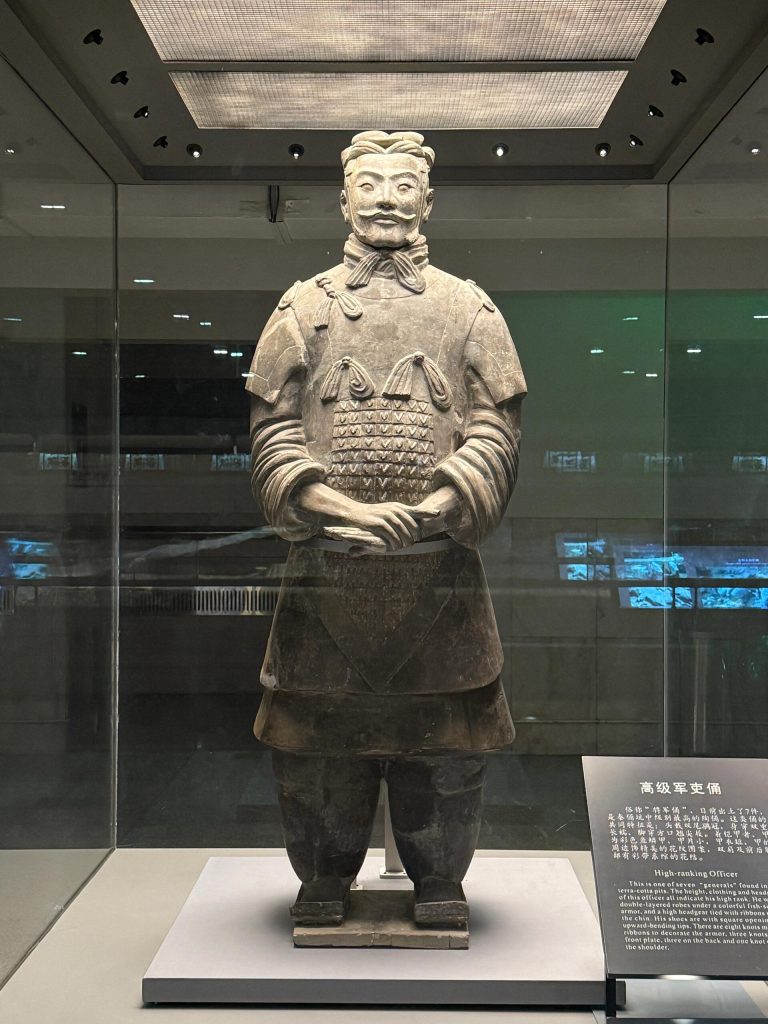
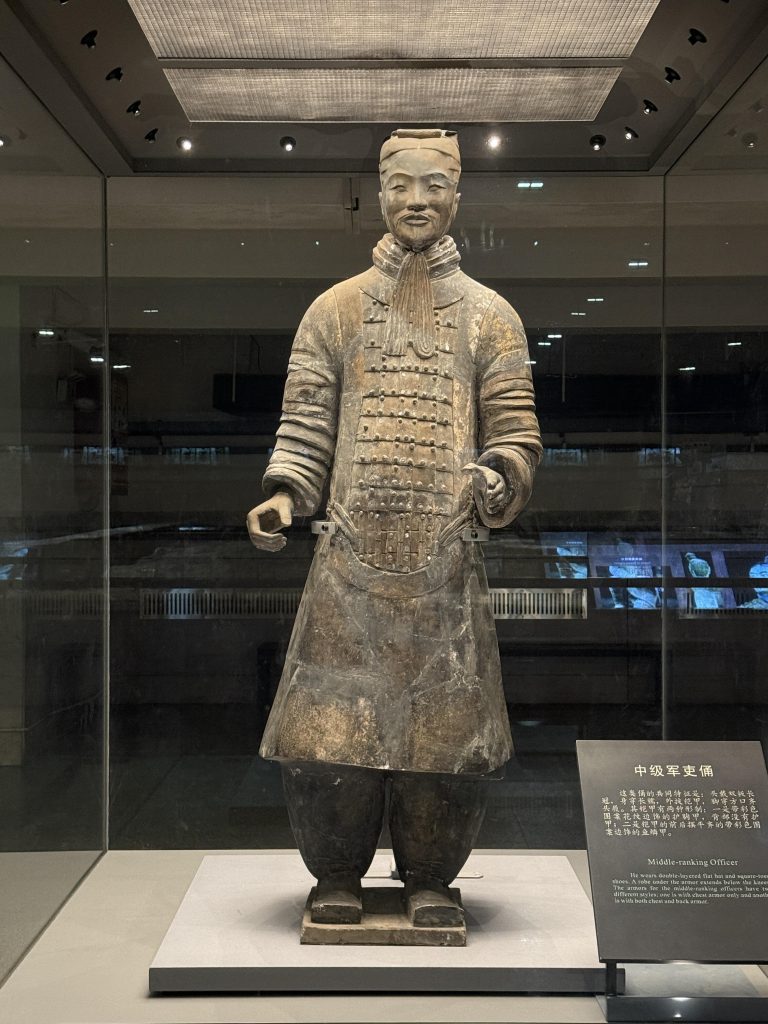
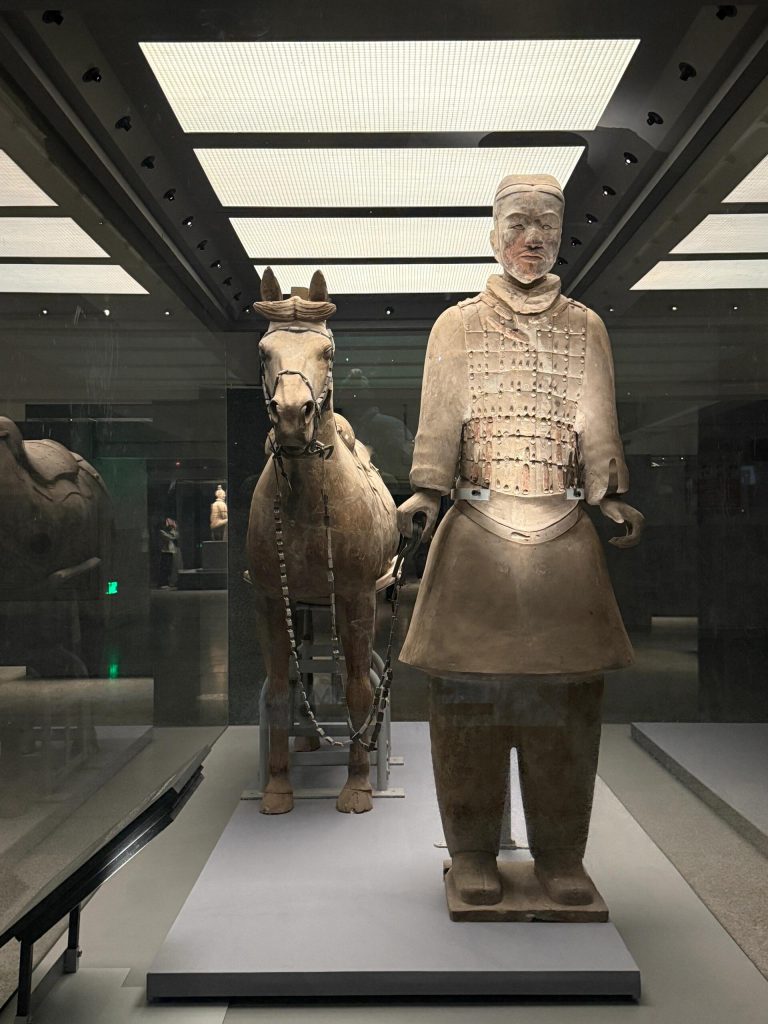
- Pit 3 (The Command Center): The smallest but highest-ranking pit, containing 68 figures representing the elite military headquarters.
Modular Craftsmanship: The World’s First Assembly Line
Contrary to the belief that each statue was carved from a single block, the warriors were created using an advanced modular production system.
- Standardized Parts: Artisans molded heads, torsos, arms, and legs separately using local clay.
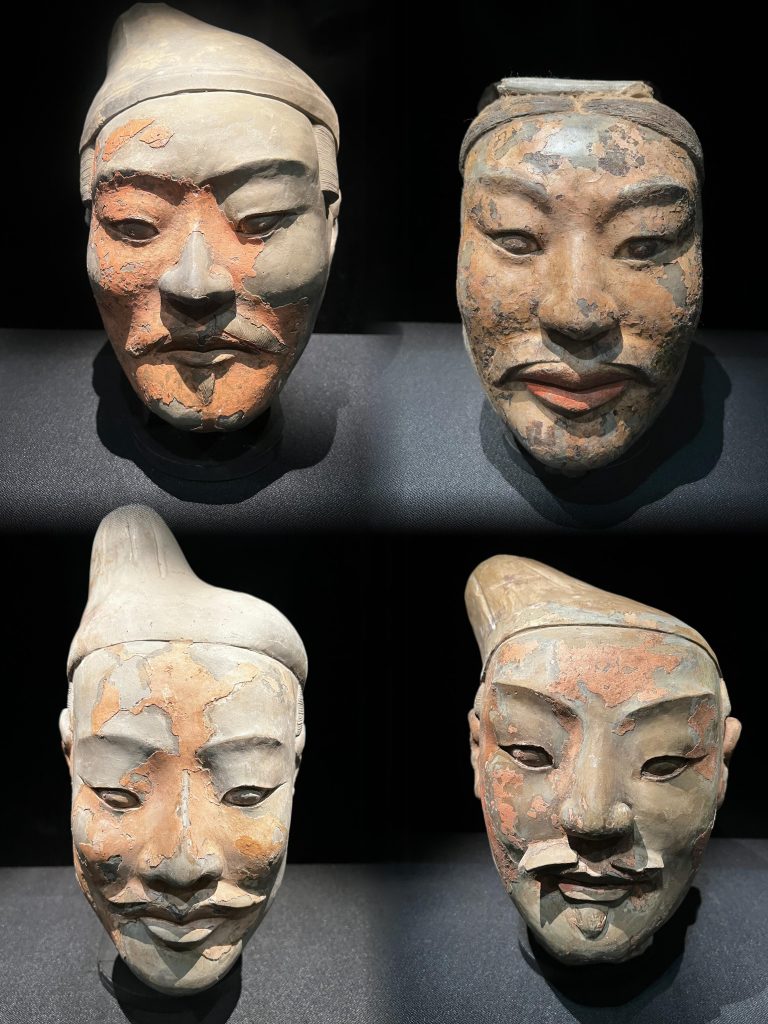
- Unique Customization: After assembly, facial features, hairstyles, and armor details were added by hand, ensuring that no two faces are exactly alike.
- Quality Control: Every workshop was required to sign its name on the figures—a primitive form of product accountability that ensured military-grade durability.
Beyond the Soldiers: The Lishan Necropolis
Most travelers miss the non-military findings that reveal the Emperor’s “eternal court.”
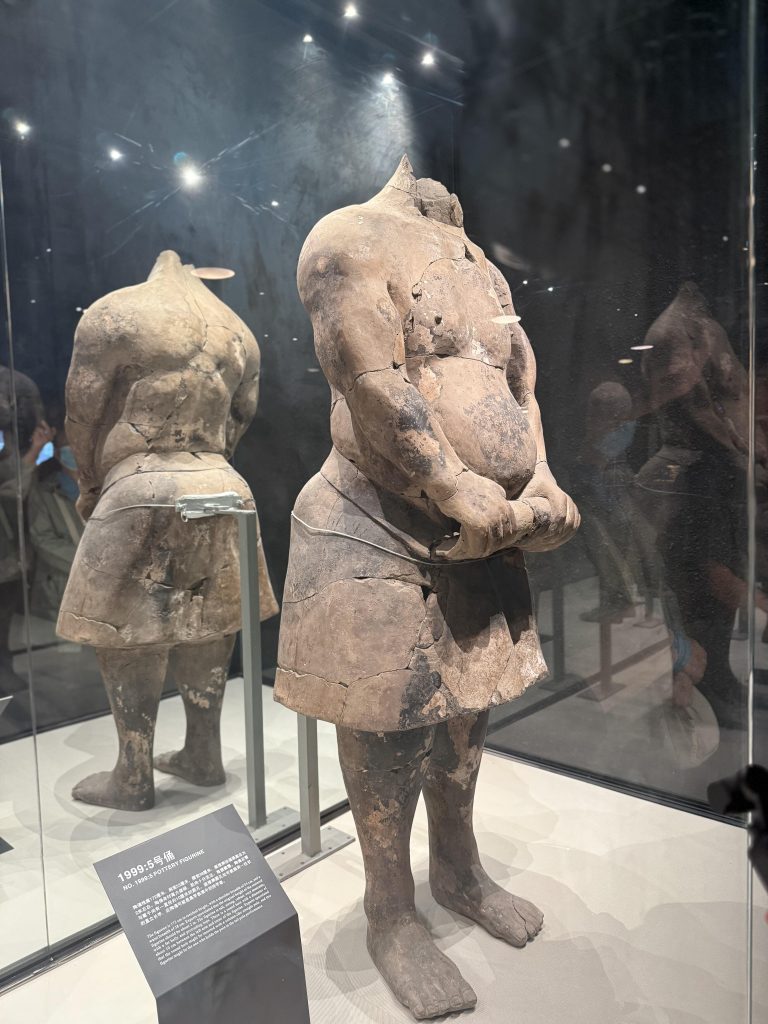
- The Acrobat Pit (K9901): Features terracotta figures of entertainers and strongmen with realistic muscular anatomy.
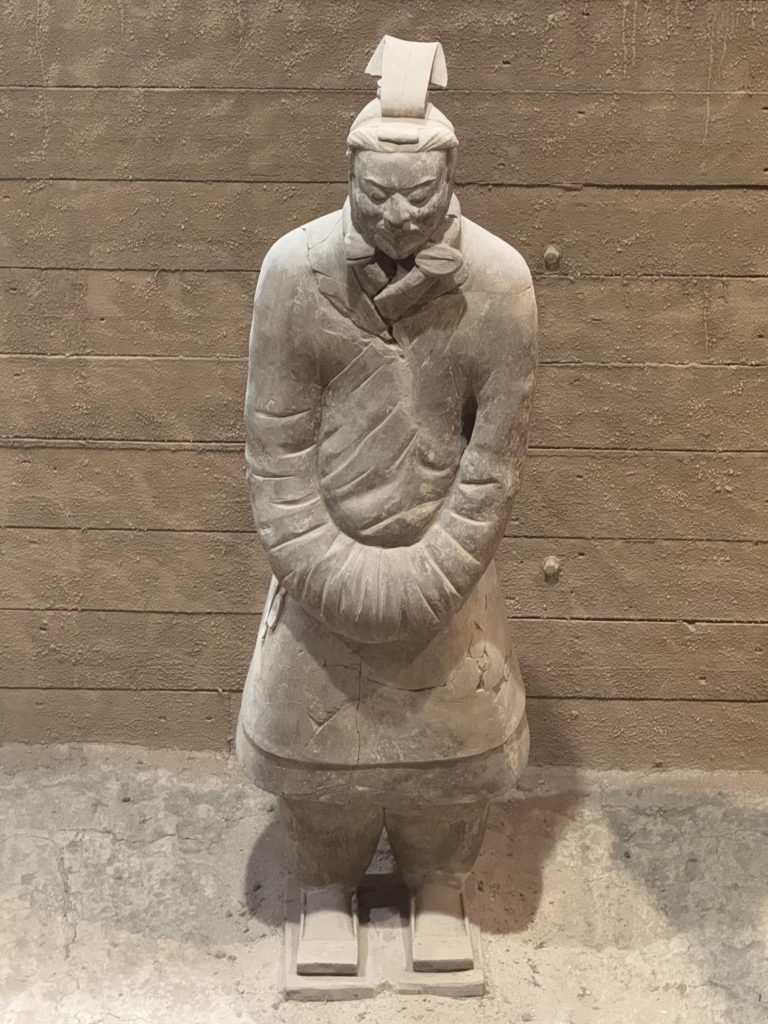
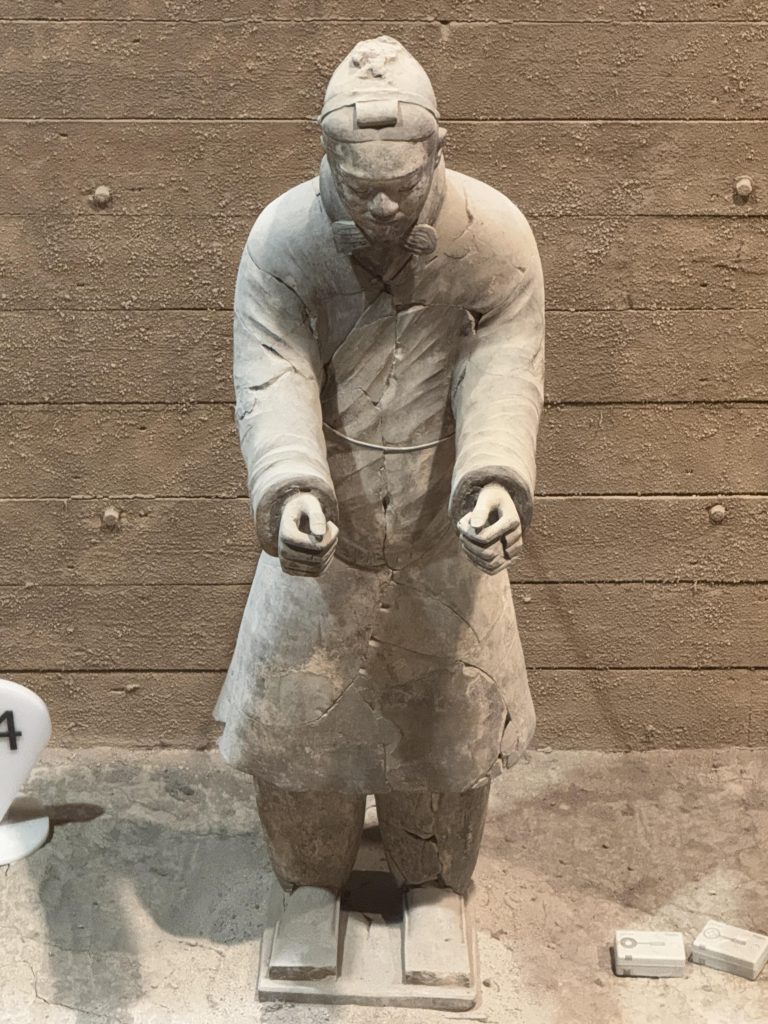
- The Civil Official Pit (K0006): Displays bureaucrats equipped with bone-scrapers and writing tools to manage the afterlife’s administrative needs.
- The Mercury Rivers: Historical records by Sima Qian describe a miniature map of China with rivers made of liquid mercury. Modern soil analysis has confirmed high mercury levels in the tomb mound, supporting these ancient accounts.
2026 Tips for History Buffs
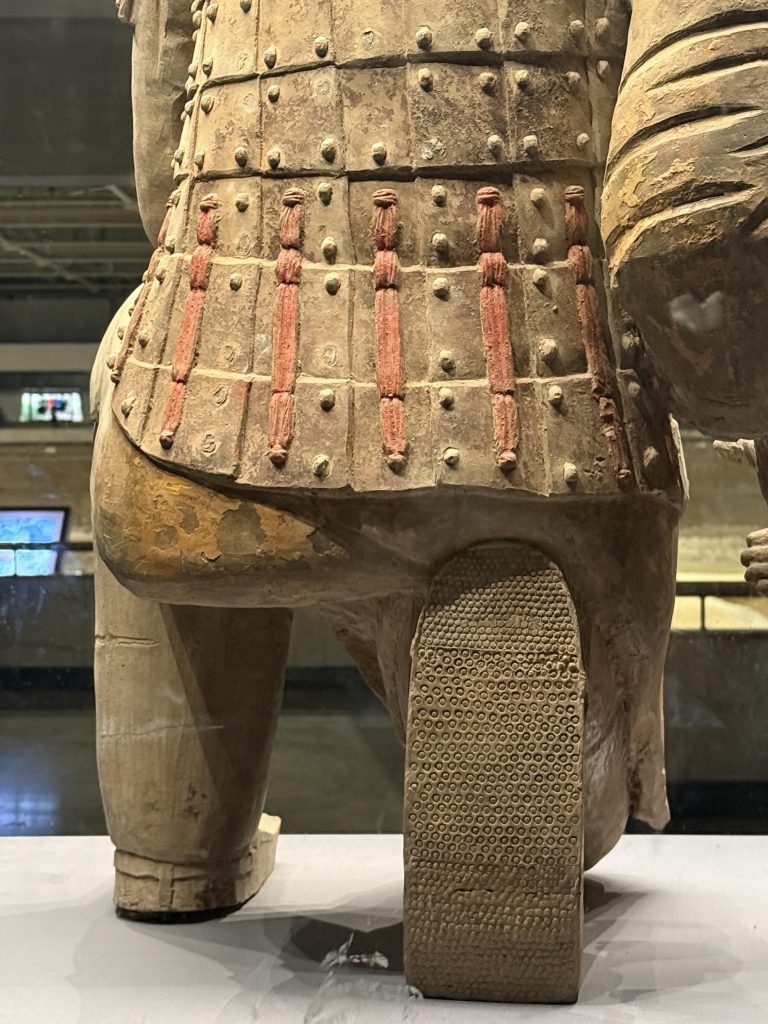
- Observation Strategy: Look at the soles of the kneeling archers’ shoes—you can still see the intricate tread pattern carved by artisans 2,200 years ago.
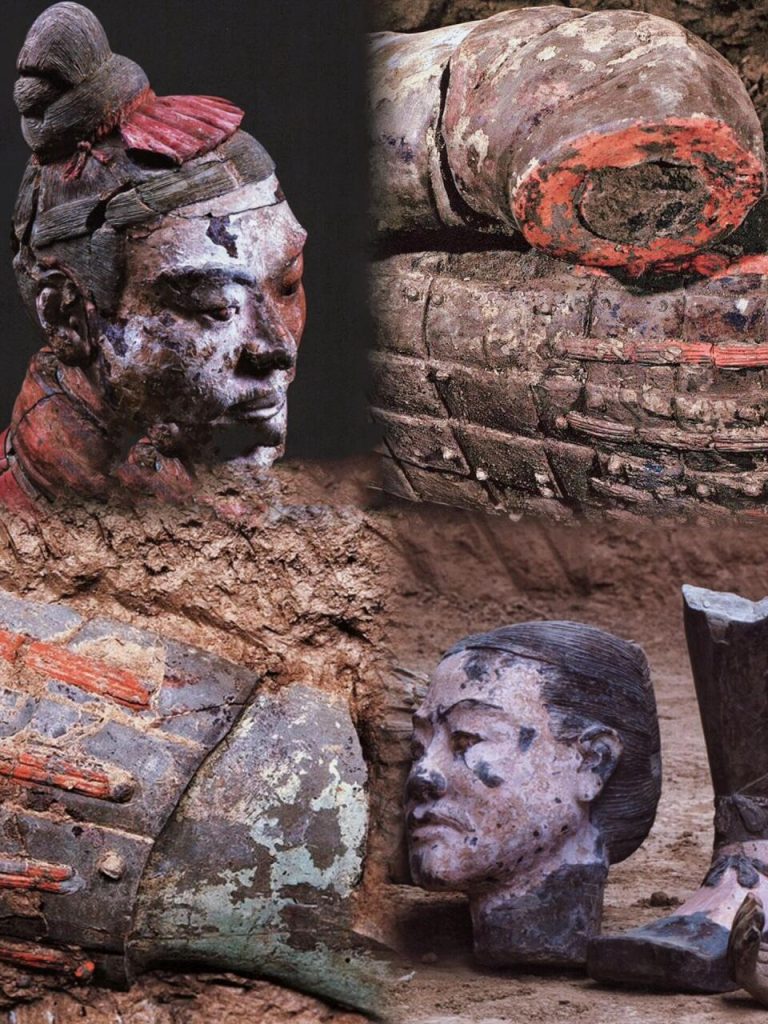
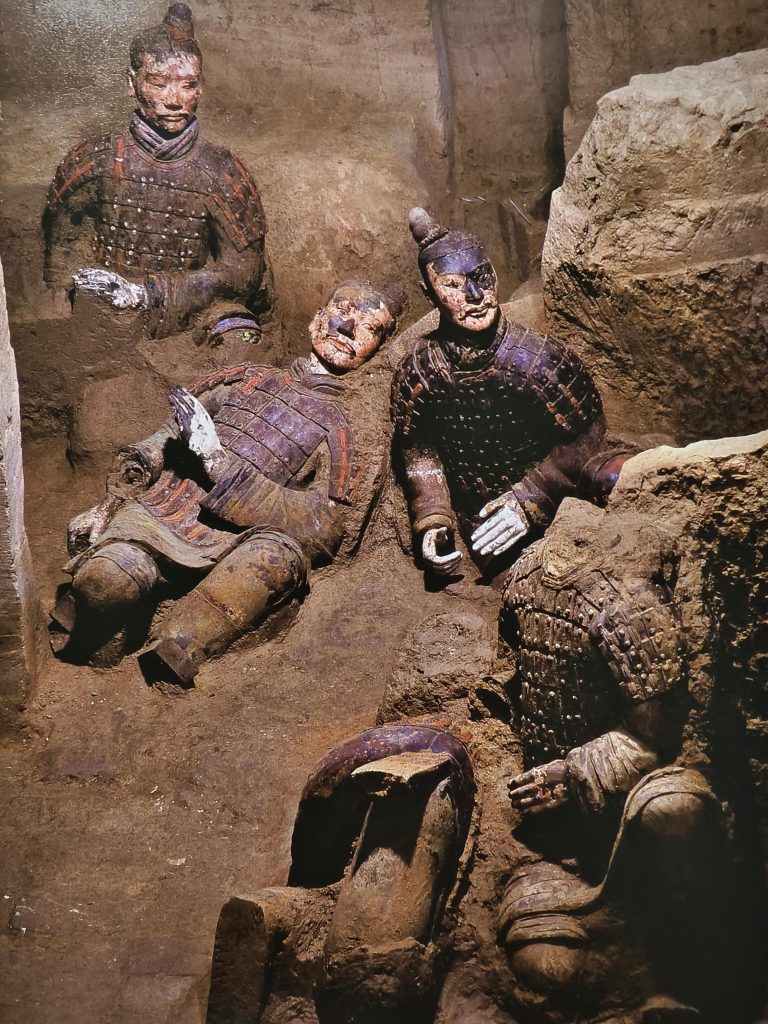
- Color Oxidation: The warriors were once painted in vibrant colors (reds, purples, and greens). Most faded within seconds of being unearthed in 1974. In 2026, you can rent AR headsets to see digital overlays of their original brilliance.
- Avoid Scams: Do not trust “kind strangers” claiming to show you “the real unexcavated warriors elsewhere.” The official museum is the only site with verified relics.
For a complete overview of planning your trip, see our Ultimate Xi’an Travel Guide, the main hub for first-time visitors.