How to taste, evaluate, and buy Yunnan’s legendary teas — from your first cup of shu Pu’er to the ancient-tree sheng cakes that collectors trade like fine wine, plus the province’s other exceptional teas.
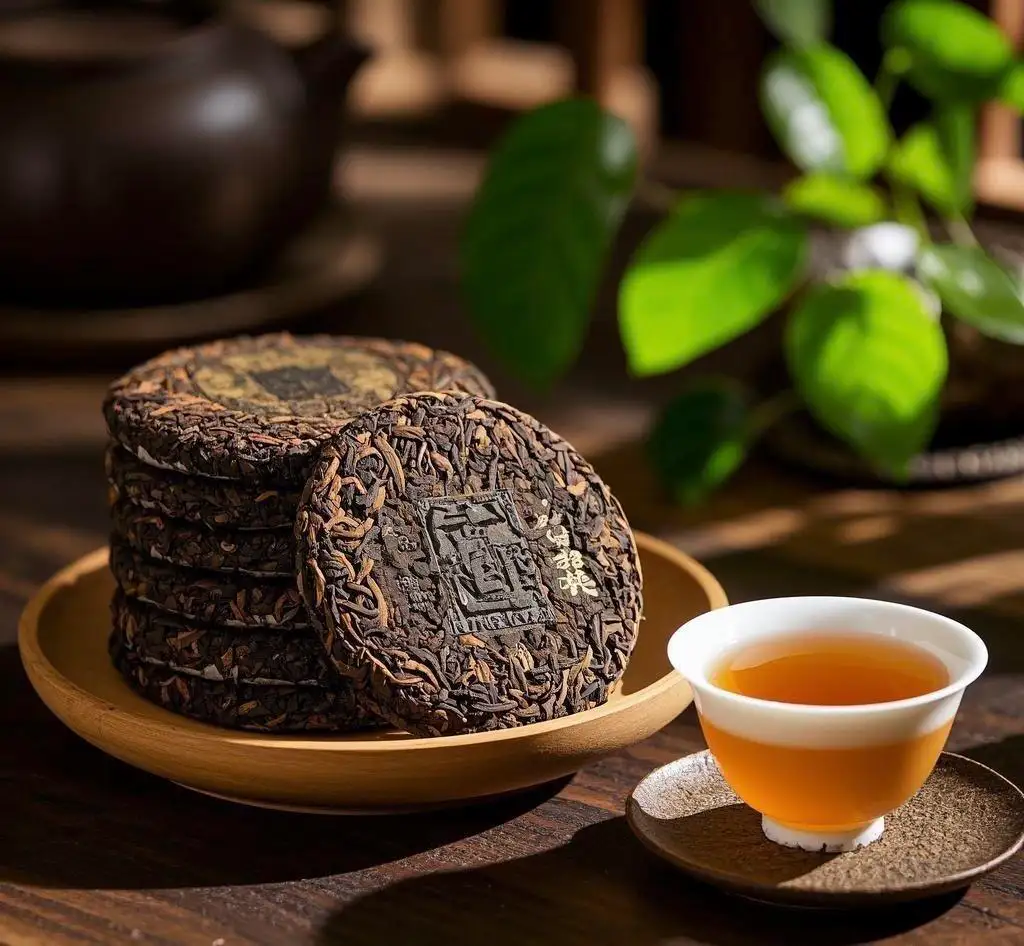
Yunnan is the birthplace of tea. Not metaphorically — literally. The oldest known tea trees on Earth grow in Yunnan’s southern mountains, and the province produces some of the world’s most prized, most complex, and most expensive teas. For the cultural history of Pu’er — the ancient tea mountains, how it’s made, and the Tea Horse Road that carried it to the world — see our Pu’er tea culture guide.
This guide is the practical companion: how to taste tea like a pro, how to evaluate quality, what to buy at different budgets, where to shop in Yunnan, and the province’s other teas beyond Pu’er. For the full Yunnan food and drink picture, see our Yunnan food guide.
How to Taste Pu’er: The Gongfu Method
Pu’er is brewed gōngfū style — small vessel, generous leaf, short infusions, many rounds. A single session of 10–15 infusions reveals how the tea evolves — one of the most fascinating aspects of Pu’er tasting.
Equipment: A gaiwan (lidded bowl, ~120ml) or small Yixing clay teapot. Tasting cups. A tea tray or towel. Hot water at full boil (100°C for Pu’er — don’t hold back).
Ratio: ~7g of tea per 120ml vessel. For compressed tea, break off a piece from the edge of the cake using a tea pick or knife.
Rinse: Pour boiling water over the leaves, immediately discard the first infusion. This “awakens” the tea and washes away dust from storage.
Infuse: Start with 10-second steeps for the first few rounds. Gradually increase to 15, 20, 30 seconds as the tea opens up. Good Pu’er will yield 10–15 meaningful infusions, each one slightly different.
What to Look For
Huí gān : “Returning sweetness” — the sweetness that rises in the throat 5–15 seconds after swallowing. The hallmark of great Pu’er. Powerful, lingering huí gān indicates high-quality, old-tree material.
Chá qì : “Tea energy” — the physical sensation high-quality aged Pu’er produces. Warmth spreading through the body, tingling scalp, a feeling of alert relaxation. Not all Pu’er has strong chá qì — it develops with age and is strongest in ancient-tree material.
Shēng jīn : “Producing saliva” — a mouth-watering effect triggered by the tea’s astringency. Good Pu’er makes your mouth water continuously for minutes after each sip.
Mouthfeel: Thickness, smoothness, texture. Great Pu’er has a substantial, almost viscous mouthfeel — described in Chinese as “hòu” (thick). Thin, watery mouthfeel suggests low-quality material.
Buying Guide: What to Buy at Every Budget
For Beginners (¥50–200)
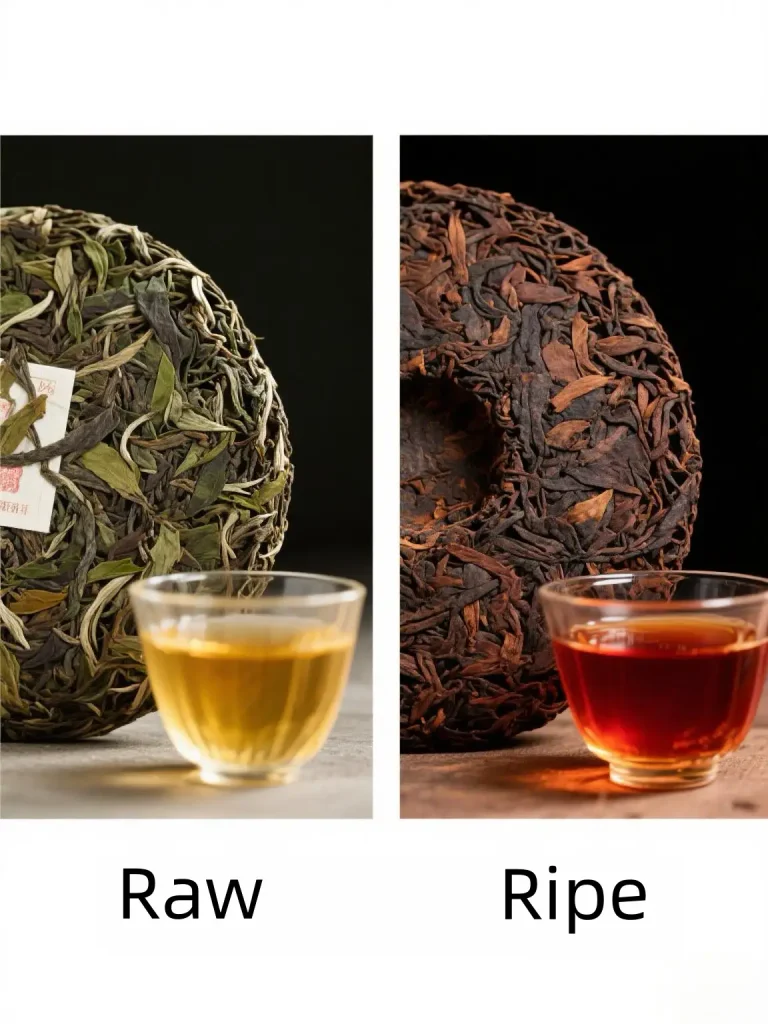
A good shu (ripe) Pu’er cake from a reputable factory. Dayi (大益, Menghai Tea Factory) is the largest and most reliable brand — their “7572” recipe is the benchmark shu. Smooth, earthy, chocolate-like. Easy drinking with no bitterness. This is your entry point.
Dianhong (Yunnan Red Tea): Not Pu’er, but Yunnan’s excellent black tea — golden-tipped, malty, sweet, and approachable. A small bag of premium Dianhong (¥80–150) makes a universally appreciated gift.
For Enthusiasts (¥200–1,000)
A young sheng (raw) Pu’er cake from a named mountain. Look for specific shan tóu (mountain-head) designations: Yiwu for sweetness and floral notes. Bulang Shan for power and bitterness that transforms to sweetness. Jingmai for orchid fragrance and smooth body. A 357g cake from a reputable producer: ¥200–800.
Aged shu with 5–10 years: Time smooths shu further, removing any pile-fermentation taste and adding complexity. Aged shu from good factories: ¥150–500 per cake.
For Collectors (¥1,000+)
Ancient-tree sheng (gǔ shù) from single-origin sources: Material from trees 100–500+ years old, from specific named villages. The depth, complexity, and aging potential are extraordinary. A premium spring-picked cake: ¥1,000–10,000+.
Properly aged vintage sheng (10–30+ years): The holy grail. Well-stored aged sheng develops flavors — camphor, dried fruit, old wood, honey — that cannot be replicated by any shortcut. Authentic vintage: ¥2,000–50,000+. Authentication is critical at this level — buy only from trusted sources.
Beyond Pu’er: Yunnan’s Other Teas
Dianhong (滇红 — Yunnan Red/Black Tea): Rich, malty, with distinctive golden tips. Fengqing county is the heartland. Excellent as a daily drinker and a reliable gift. ¥80–500 depending on grade.
Moonlight White (Yuè Guāng Bái): A white tea made from Yunnan large-leaf varietal — one surface is white-furred, the other dark, creating a visually striking leaf. Delicate, floral, sweet. Increasingly popular and well-priced (¥100–300 per 100g).
Sun-dried Green (Shài Qīng): The base material for Pu’er, but also drunk as a fresh green tea. Bright, vegetal, with a pleasant astringency. Buy from the source in tea-mountain villages.
Wild Tea (Yě Chá): Tea from wild or semi-wild trees growing in forest environments. Unusual, complex flavors with strong chá qì. Available at specialty shops and directly from mountain producers.
Where to Buy in Yunnan
Kunming tea markets: Xiongda Tea City (雄达茶城) is the province’s largest wholesale market — hundreds of shops, every variety and vintage. Kangle Tea City is another major center. Go with a knowledgeable friend or hire a tea guide if possible. Prices are negotiable.
Tea mountain direct: Buy from farmers at the source — Jingmai, Yiwu, Menghai — for the best value and authenticity. You’ll taste before buying, and the farmers are honest (their reputation depends on it).
Dali and Lijiang: Tourist-area tea shops are heavily marked up. If buying here, look for shops with serious tea tables and knowledgeable owners who welcome extended tastings — these are more likely to be genuine enthusiasts than tourist-trap operators.
Xishuangbanna: Menghai town’s tea market is the center of Pu’er production and wholesale. Excellent for buying factory Pu’er and tasting at source. Jinghong has many tea shops catering to visitors.
Buying Tips
Always taste first. Any reputable tea seller in Yunnan will brew samples — multiple samples — before you buy. If a shop won’t let you taste, walk out.
Start small. Buy 50–100g samples rather than full cakes until you know what you like. Many shops sell sample portions.
Beware of fakes. The Pu’er market has significant fraud — fake “ancient tree” labels, fake age claims, and fake factory wrappers. Buy from known producers, reputable shops, or directly from farmers.
Storage matters. Pu’er needs clean air, moderate humidity, and stable temperature to age well. If you’re bringing cakes home, store them away from strong odors (especially kitchen smells), in a breathable container (cotton bag or cardboard box, not plastic).
Trust your palate. Ignore price tags and marketing. The tea that tastes best to you is the right tea. Developing your own palate is more valuable than memorizing mountain names. For the full Pu’er cultural and historical story, see our dedicated guide.
Start with a shu (ripe) Pu’er cake from Dayi (recipe 7572, ~¥80–150) — smooth, easy-drinking, and the benchmark introduction. Or Dianhong (Yunnan black tea) — universally appealing, no learning curve, excellent gift. Both available at any Kunming tea market.
Buy from reputable sources: established tea markets (Kunming’s Xiongda Tea City), directly from mountain farmers, or known online retailers. Always taste before buying. Be skeptical of ‘ancient tree’ and aged claims — fakes are common. A genuine seller will happily brew multiple samples and discuss the tea’s origin in detail.
In a clean, dry, well-ventilated area away from strong odors. Room temperature is fine — no refrigeration needed. Use breathable storage (cotton bags, cardboard boxes), not airtight plastic. Consistent conditions matter more than perfection. Properly stored Pu’er improves for decades.
Kunming’s Xiongda Tea City for the widest selection and competitive wholesale prices. Tea mountain villages (Jingmai, Yiwu, Menghai) for the most authentic and best-value direct-from-farmer purchases. Avoid heavily tourist-focused tea shops in Dali and Lijiang old towns unless the shop demonstrates serious tea knowledge.