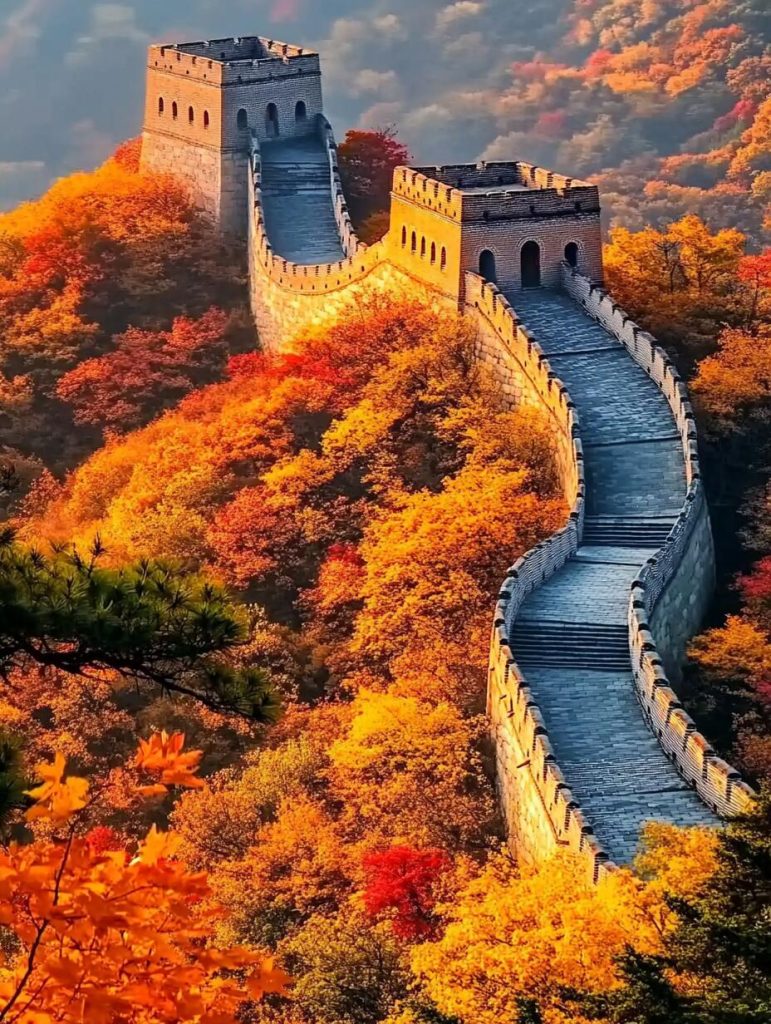
The Great Wall of China
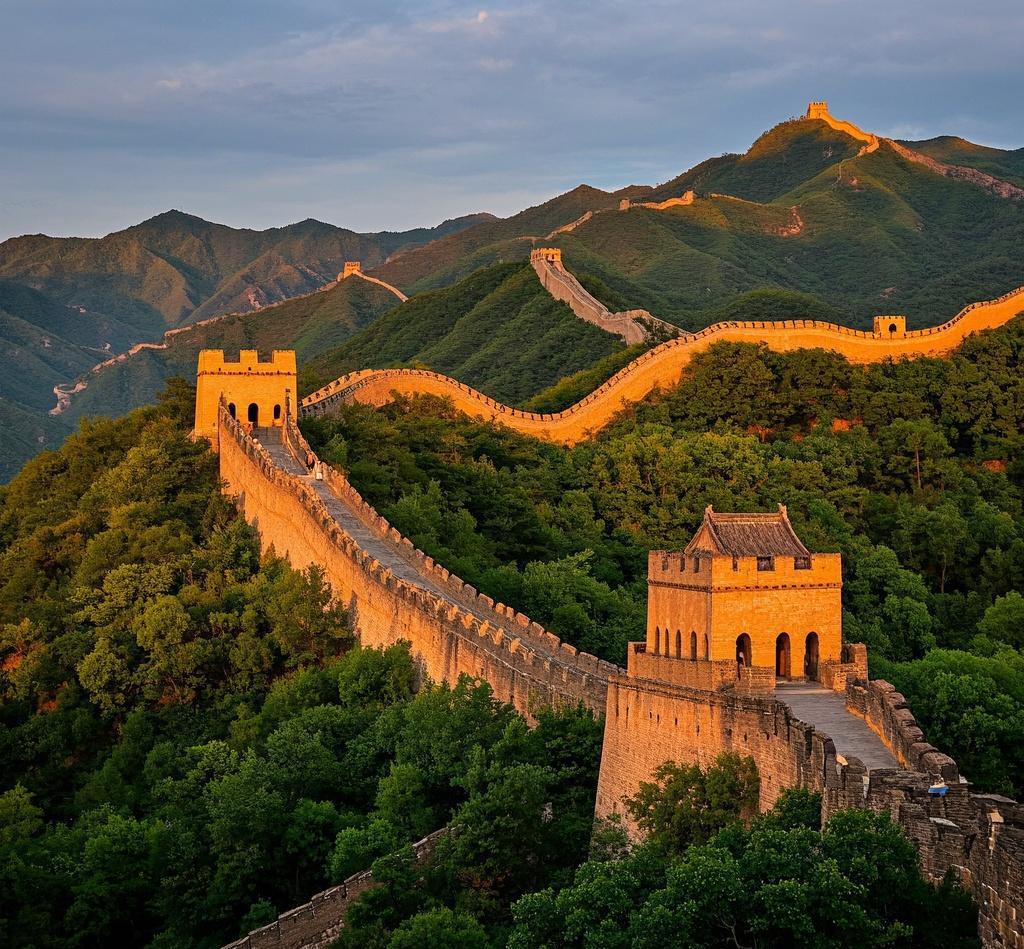
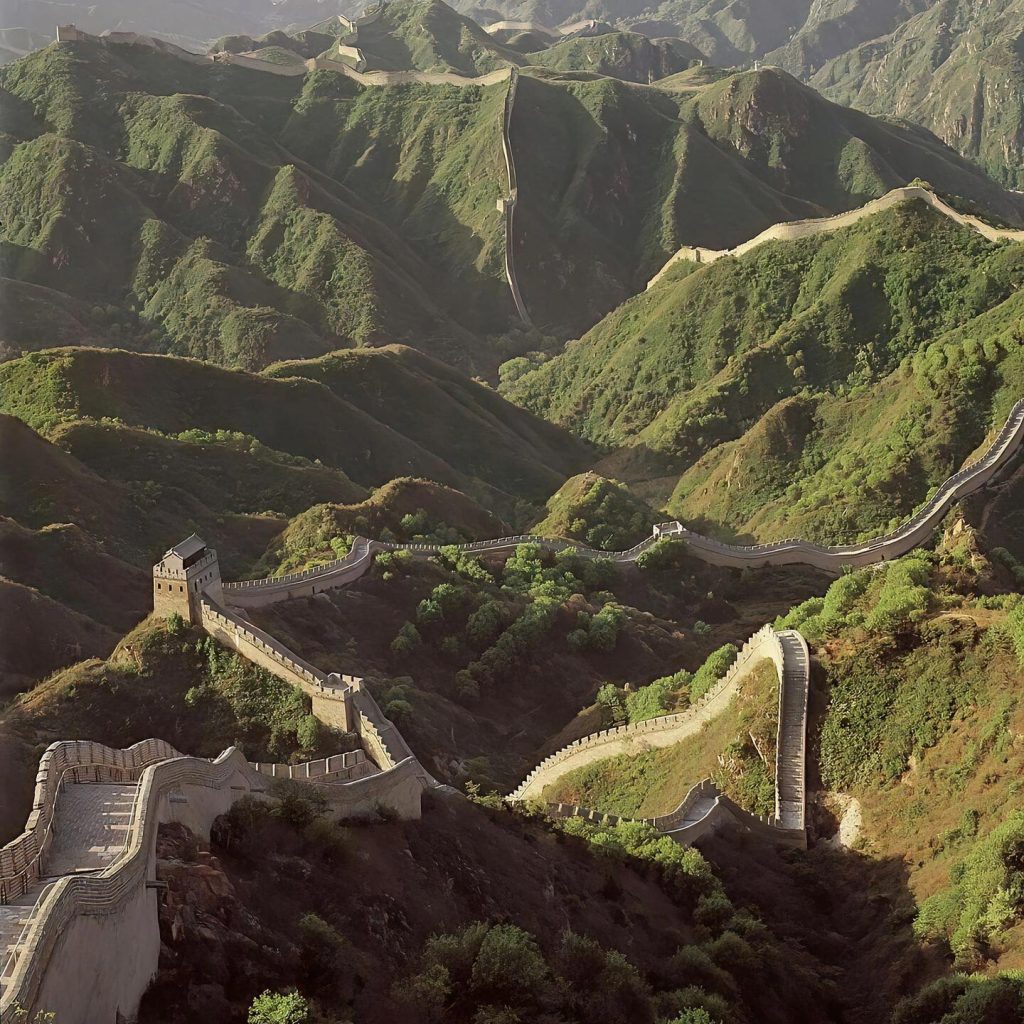
The Great Wall of China is the largest man-made structure in the world, stretching across northern China’s deserts, grasslands, mountains, and plateaus. Though called a “wall”, it is an integrated system of fortifications—including lofty walls, massive beacon towers, barriers, barracks, garrison stations, and fortresses—forming an insurmountable line to protect ancient Chinese states from nomadic tribes. Its total length reaches approximately 21,196 kilometers (13,170 miles).
Renowned as a UNESCO World Heritage Site since 1987 and recognized as one of the Seven Wonders of the Medieval World, the Great Wall of China has a history spanning more than two millennia. Early in the 7th century BC, various states built boundary walls, which were later connected by Qin Shi Huang (259–210 BC), the First Emperor of China, forming the initial “10,000-li Long Wall.” Successive dynasties consolidated and extended the Wall for defense, border trade management, tariffs, and immigration control.
The history of the Great Wall
Early Walls
During the Spring and Autumn Period (770–221 BC), states such as Chu, Qin, and Qi constructed regional walls to protect their territories, laying the foundation for the Great Wall.
Qin Dynasty
After China was unified in 221 BC, Qin Shi Huang connected the existing walls to create a national defense line. Construction relied on soldiers, peasants, and convicts.
Han Dynasty
The Han Dynasty (202 BC–220 AD) extended the Wall westward to protect trade routes along the Silk Road, combining military and economic functions.
Ming Dynasty
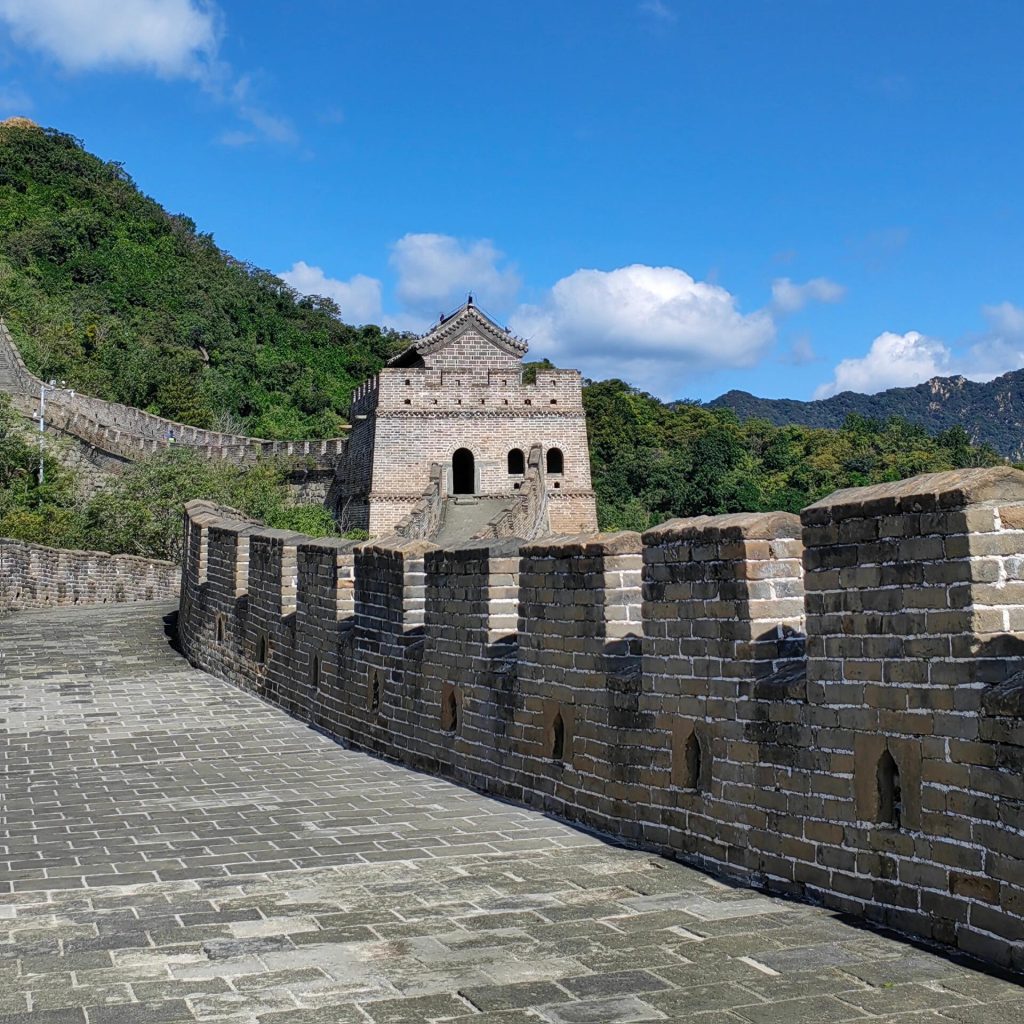
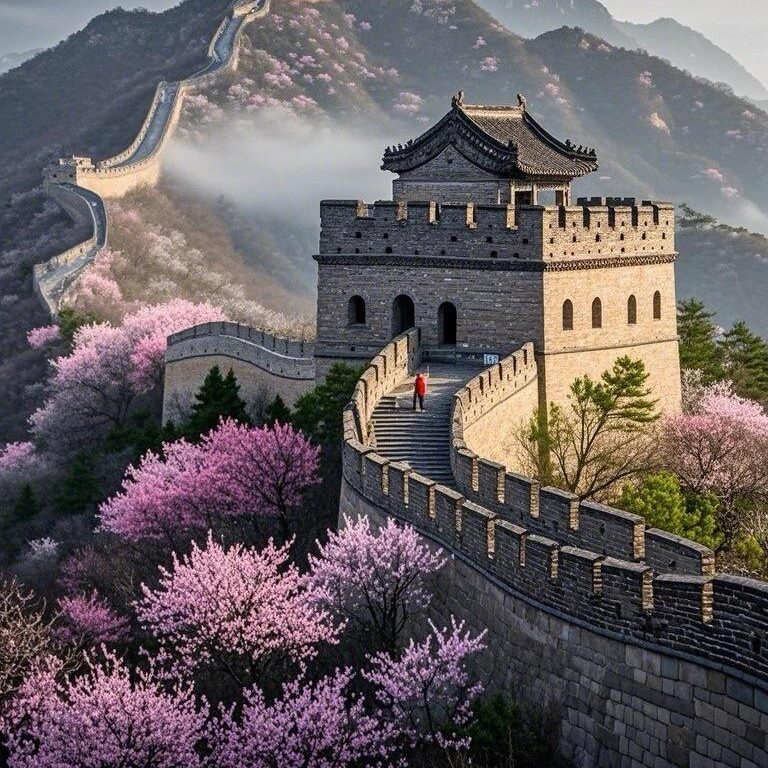
The Ming Dynasty (1368–1644) rebuilt large sections using brick and stone, creating the best-preserved Wall sections seen today. Most of the Great Wall that tourists visit originates from this era.

The military functions of the Great Wall
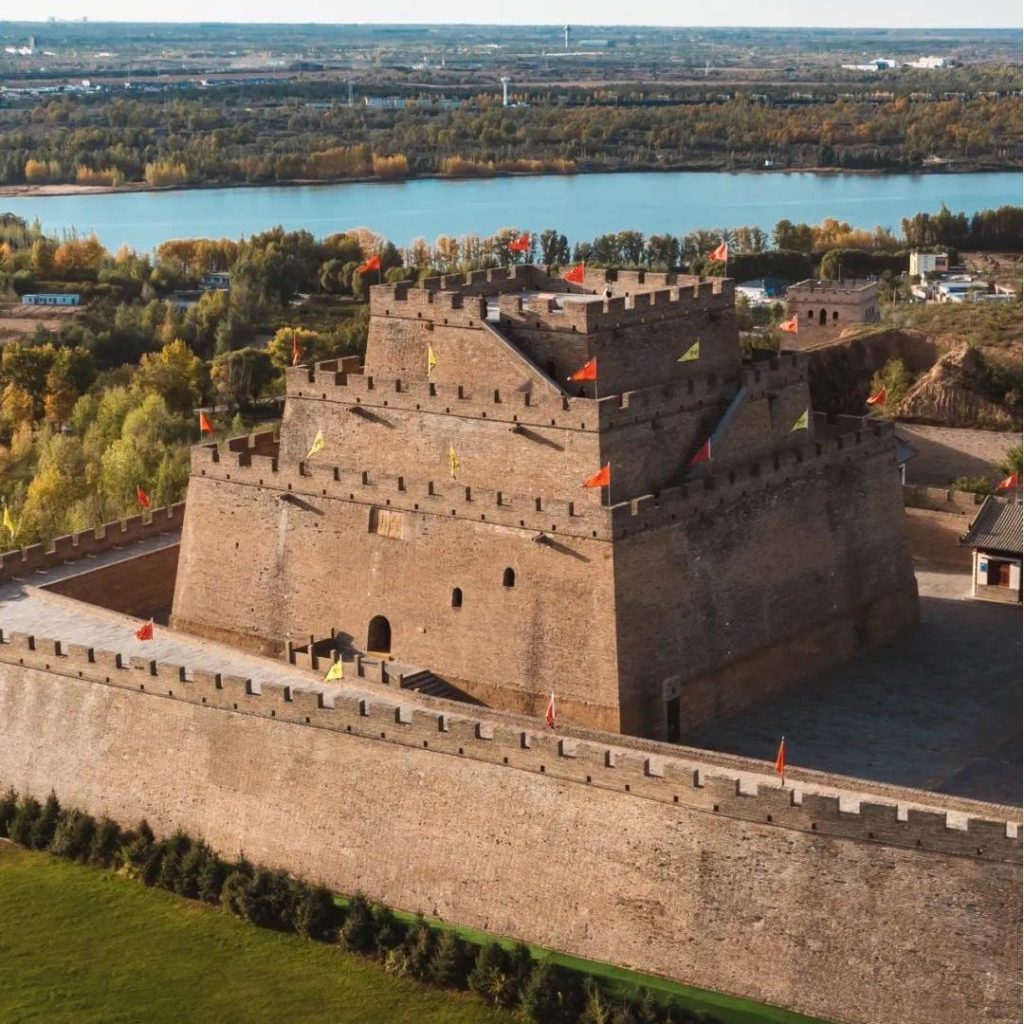
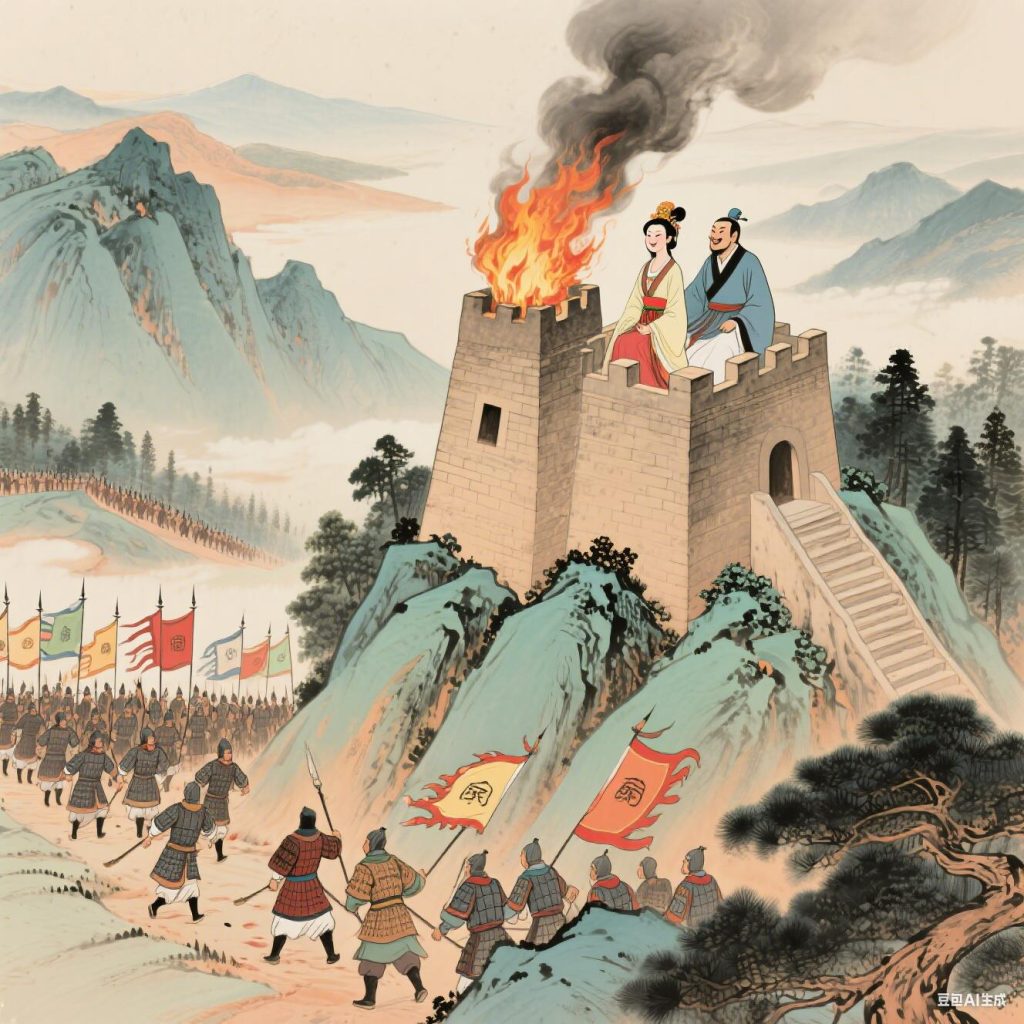
The Great Wall was a sophisticated defense system. Beacon towers allowed rapid communication using smoke signals during the day and fire at night. Natural barriers like mountains increased defensive efficiency. Watchtowers provided accommodation and storage for troops, while strategic passes like Shanhaiguan and Jiayuguan enabled both defense and offense.
Cultural Significance
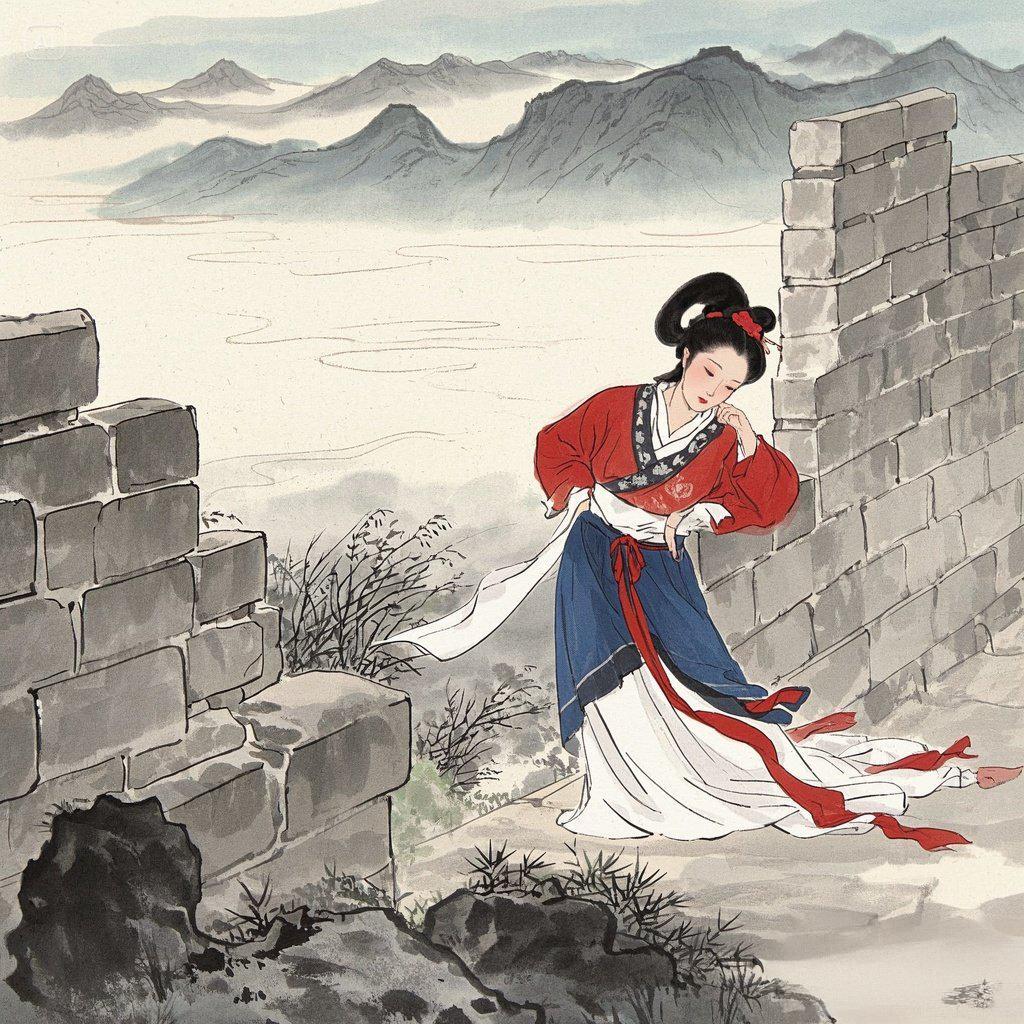
The Wall symbolizes national spirit, perseverance, and ingenuity. Legends such as Meng Jiangnu’s tears causing the Wall to collapse and tricking the Marquess with beacon fires have enriched its history. These stories appear in literature, art, and modern media, enhancing the Wall’s mystique.
Location and Notable Sections
Spanning 15 provinces, the Wall covers diverse terrains. Prominent sections include:
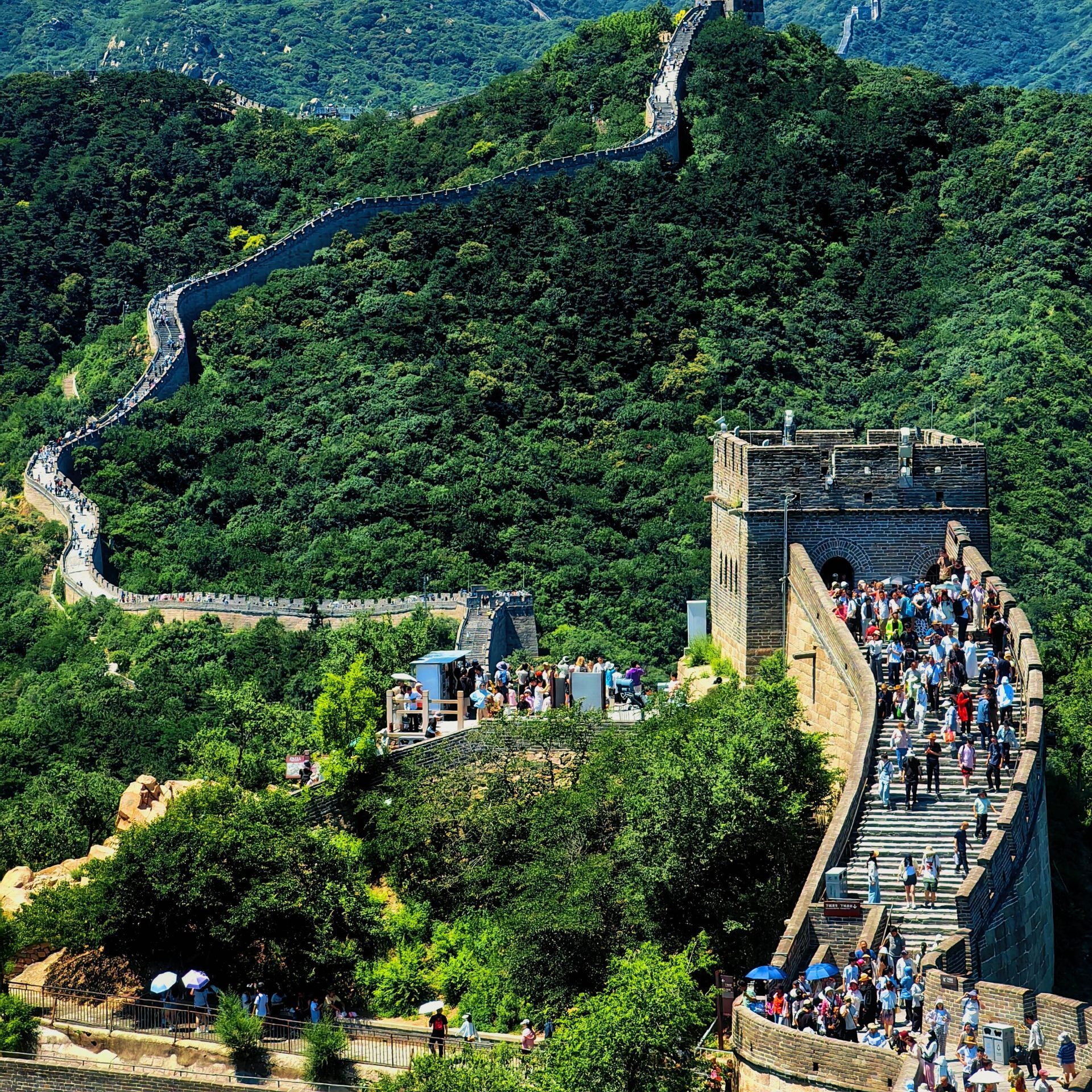
Badaling: Most visited, well-restored, near Beijing
Mutianyu: Scenic, fewer crowds, cable car available
Simatai: Night visits offer magical views
Jinshanling & Jiankou: Original, rugged, ideal for hikers
Shanhaiguan & Jiayuguan: Historical gates outside Beijing
Travel Tips
Best time: Spring (March–May) and Autumn (September–November)
Avoid crowds: Labor Day (May 1–5), National Day (Oct 1–7)
Packing essentials: Hiking shoes, water, camera, weather-appropriate clothing
Accessibility: Cable cars and guided tours available for most sections