Chinese is one of the world’s oldest living languages and also one of the six official languages of the United Nations. In modern China, Mandarin Chinese, known as Putonghua in mainland China, serves as the country’s official and most widely spoken language.
Mandarin Chinese
Mandarin is the standard language used across mainland China and is spoken by the majority of the population. It is based primarily on the Beijing dialect and is taught nationwide as the standard form of Chinese in schools.
Although the language is called Putonghua in mainland China, it is known as Guoyu in Taiwan and Huayu in Singapore and Malaysia. Today, Mandarin is the native language of over one billion people, making it the most spoken language in the world.
Due to China’s historical influence, Chinese characters and vocabulary have also shaped neighboring languages such as Japanese, Korean, and Vietnamese.
Is English Spoken in China?
English is a compulsory subject in Chinese schools, and its usage is increasingly common, especially in large cities. Young people, students, and professionals working in hotels, airports, restaurants, banks, and tourist attractions often have a basic to good command of English.
However, in smaller towns and rural areas, English speakers are less common. For travelers, learning a few basic Chinese phrases can greatly improve communication and travel experiences in China.

Chinese Dialects: Why Do Chinese People Sound So Different?
China’s vast territory and long history have given rise to many regional dialects. These dialects can differ significantly in pronunciation and vocabulary, sometimes making communication difficult between speakers from different regions.
Broadly speaking, Chinese dialects can be divided into northern (official) and southern (non-official) groups. Major dialect families include Mandarin, Wu, Yue (Cantonese), Min, Xiang, Gan, and Hakka, each spoken in specific regions across the country.
Despite these differences, Mandarin serves as the common spoken language, allowing people from different areas to communicate effectively.
Simplified and Traditional
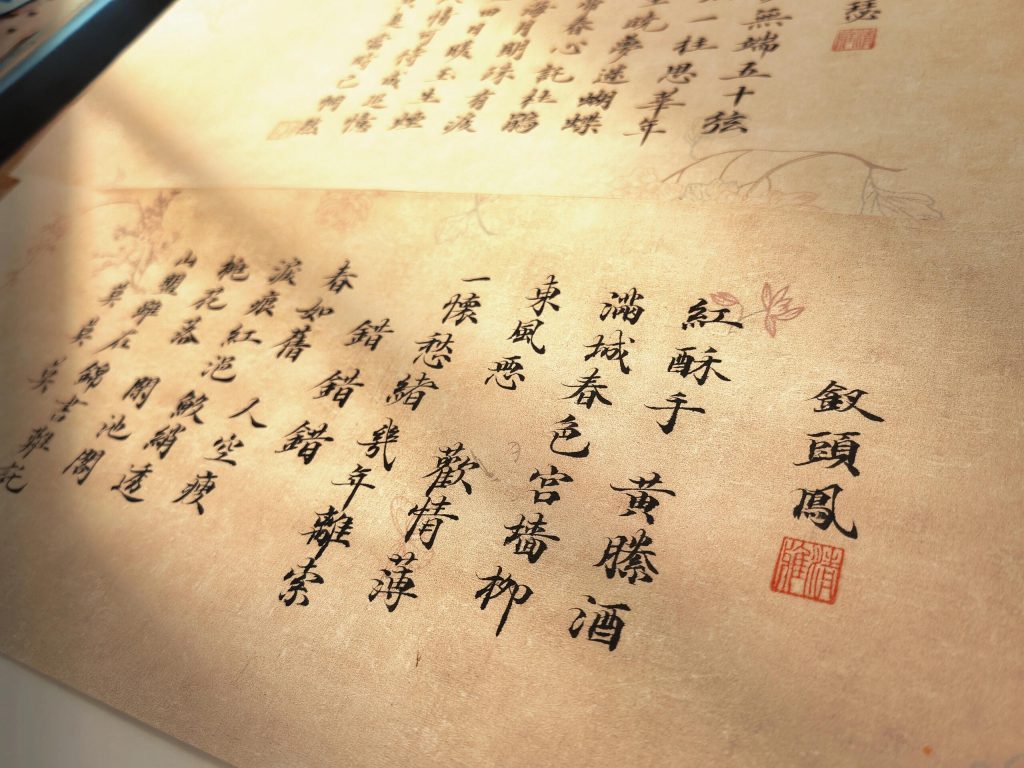
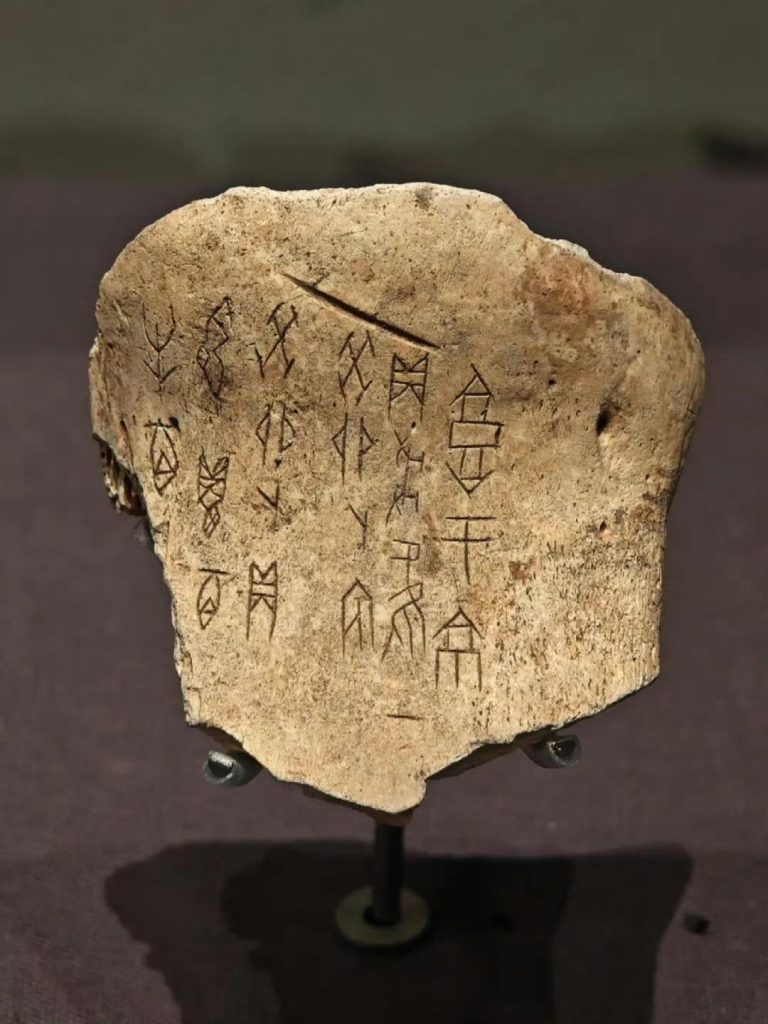
Chinese writing has a history of more than 3,000 years, originating from ancient pictographic scripts carved on bones and shells. Over time, these scripts evolved into various calligraphic styles such as seal script, clerical script, regular script, cursive script, and running script.
Although there are tens of thousands of Chinese characters, only about 3,000 commonly used characters are needed for everyday reading and writing.
Today, Chinese characters are written in two main forms:
- Simplified Chinese – used in mainland China, Singapore, and much of Southeast Asia
- Traditional Chinese – used in Taiwan, Hong Kong, Macau, and many overseas Chinese communities
Minority Languages in China
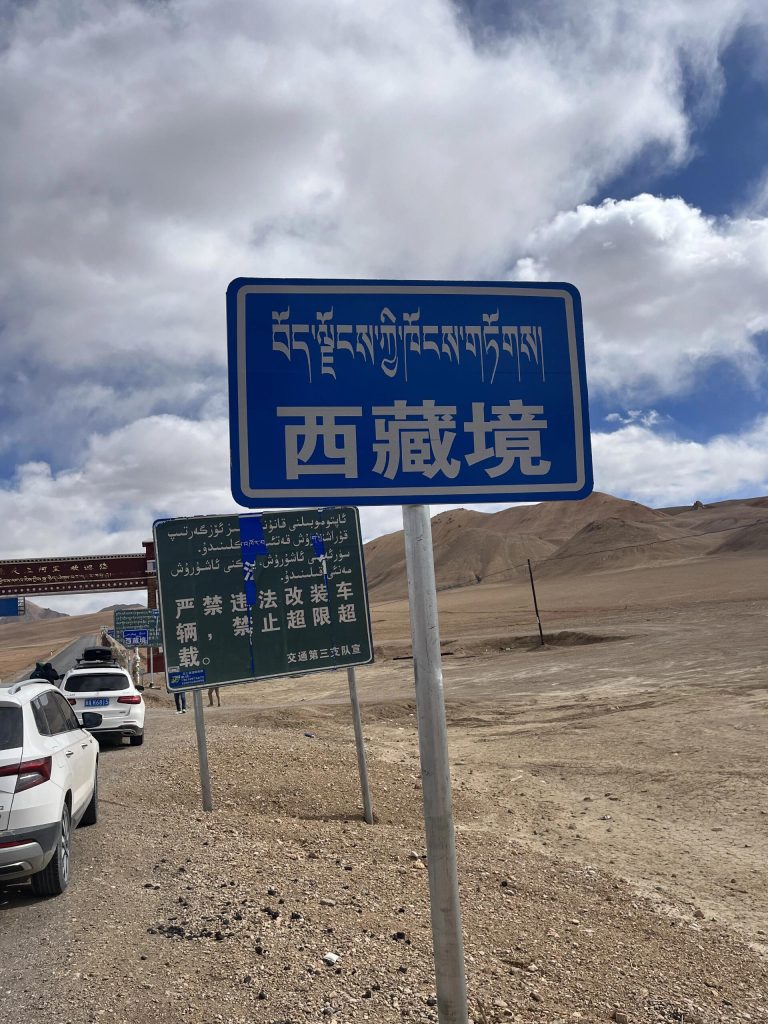
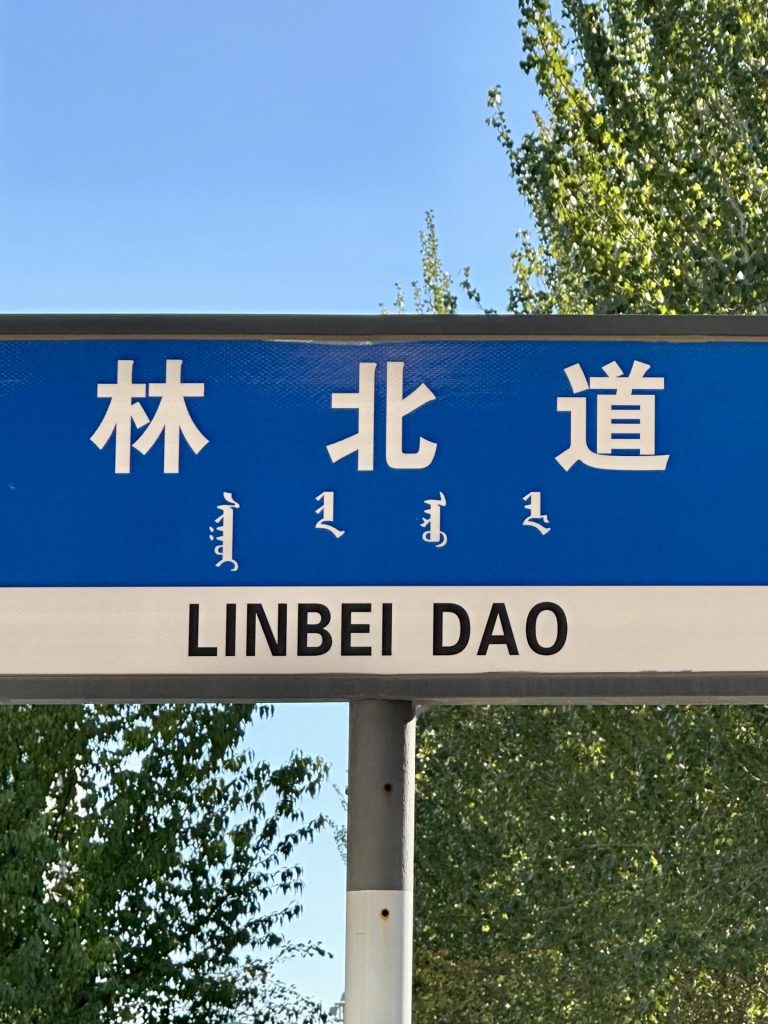
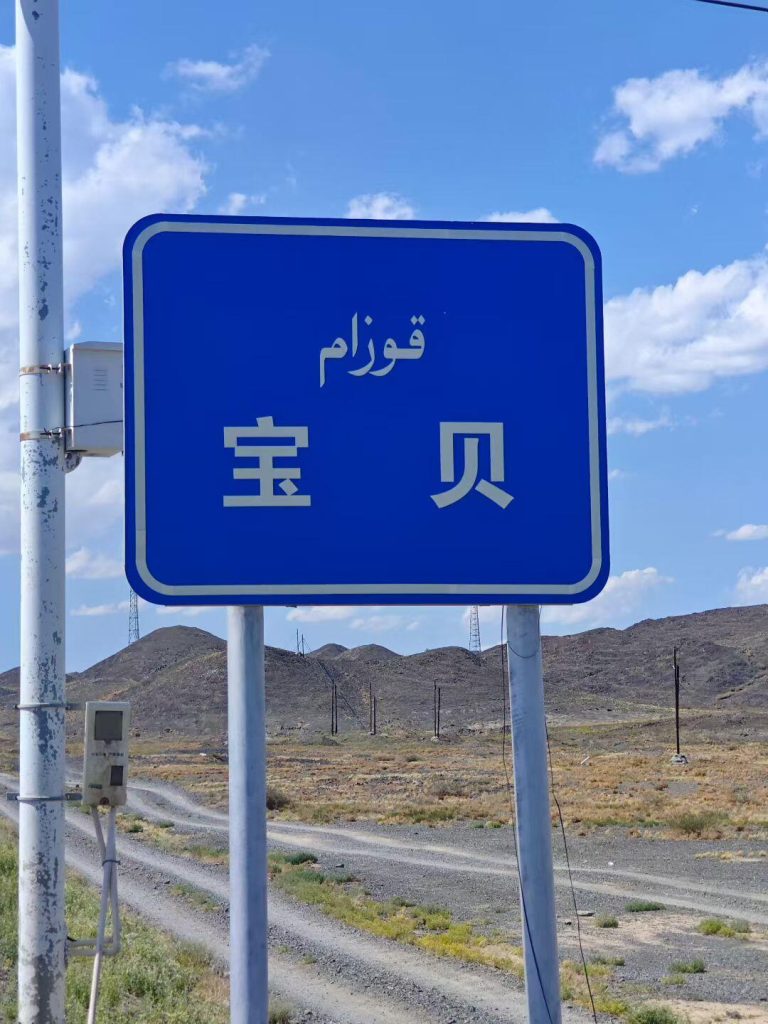
While Mandarin and Chinese characters are used nationwide, China is home to 55 recognized ethnic minorities. Some minority groups, such as the Hui and Manchu, mainly use Mandarin, while others—including Tibetan, Uyghur, Mongolian, and Kazakh—have preserved their own spoken and written languages.
This linguistic diversity reflects China’s rich cultural heritage and long history.
Final Note for Travelers
For most visitors, language barriers in China are no longer a major concern. With the help of English signage, translation apps, and basic Mandarin expressions, traveling in China has become easier and more convenient than ever.
This linguistic diversity reflects China’s rich cultural heritage and long history.