China is a country with a rich cultural heritage, where etiquette and social manners play an important role in everyday life. For international travelers, understanding Chinese etiquette can help avoid misunderstandings, show respect, and create more positive interactions with locals.
This guide introduces the most common Chinese social customs you may encounter during your trip, from greetings and introductions to dining and visiting Chinese families.
Greetings in China
Greeting customs in China are generally polite and reserved. When meeting someone for the first time, a simple greeting such as “Hello” or “Nice to meet you,” accompanied by a smile, is appropriate. In formal situations, greetings tend to be calm and respectful rather than overly expressive.
Physical contact is limited in most first meetings, especially between people who are not familiar with each other.
How to Make Introductions in China
Introductions are an important part of Chinese social etiquette and are often the first step in building relationships.
Self-Introductions
When introducing yourself in China, it is polite to state your full name. In business or formal settings, you may also mention your job title and company. In casual situations, simply saying your name is sufficient.
Common English phrases include:
- “Hello, my name is…”
- “Nice to meet you, I’m…”
Keeping your introduction modest and brief is usually appreciated.
Being Introduced by Others
If someone else is responsible for making introductions, it is considered impolite to introduce yourself first. When being introduced, stand or sit upright, smile naturally, and acknowledge the other person. A light handshake often follows, particularly in professional or formal environments.
Business cards may be exchanged after the introduction, especially during business meetings.
Introducing People to Each Other
Traditional Chinese etiquette follows certain conventions:
- Younger people are introduced to older people first
- Men are introduced to women first
- Junior staff are introduced to senior staff first
- Hosts are introduced to guests first
These rules reflect the importance of respect for age, social status, and hospitality in Chinese culture. In informal situations, these conventions are often applied more flexibly.
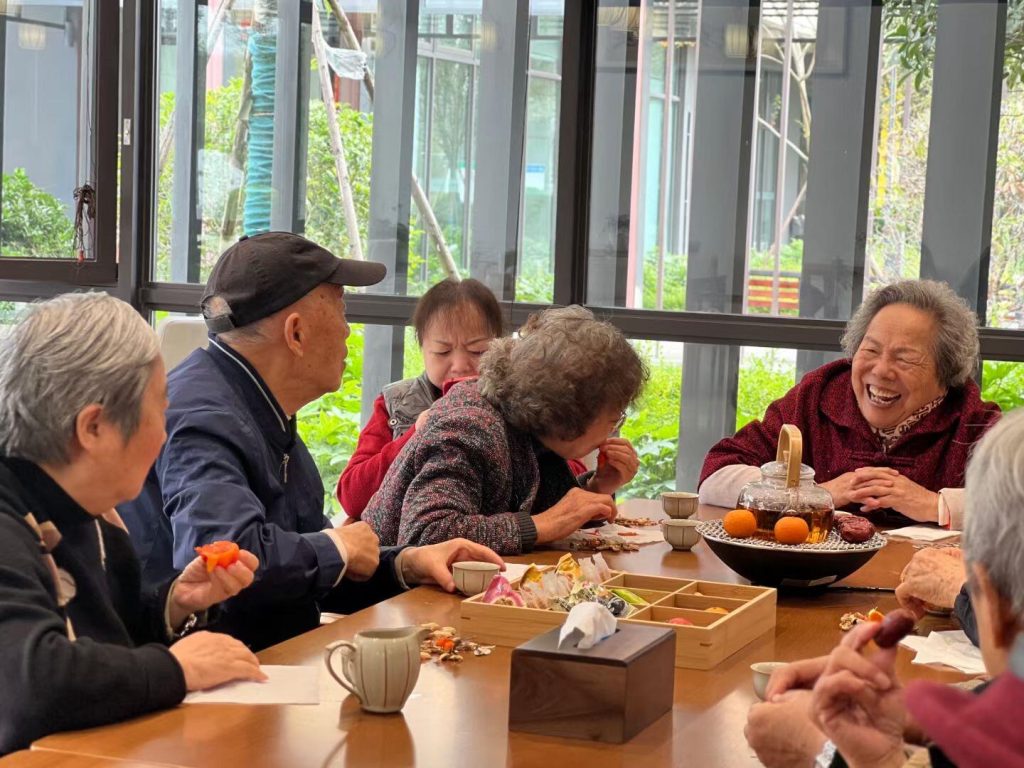
They became friends through an introduction.
Handshake Etiquette in China
Handshakes are common in modern China, especially in business settings. Chinese handshakes are usually gentle and brief rather than firm. Maintaining eye contact and offering a polite smile is considered appropriate.
Table Manners in China
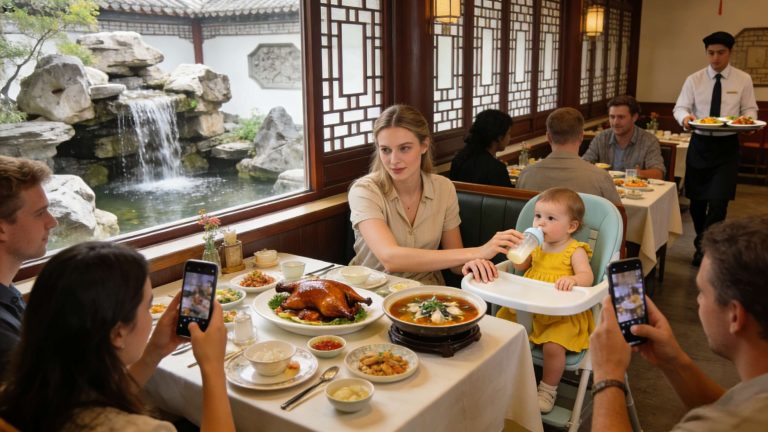
Dining etiquette is an important part of Chinese culture. When eating with others, proper table manners show respect and good upbringing. For example:
- Do not stick chopsticks upright in a bowl of rice
- Avoid pointing chopsticks at others
- Wait for elders or the host to begin eating first
Following basic dining rules can leave a positive impression on your hosts.
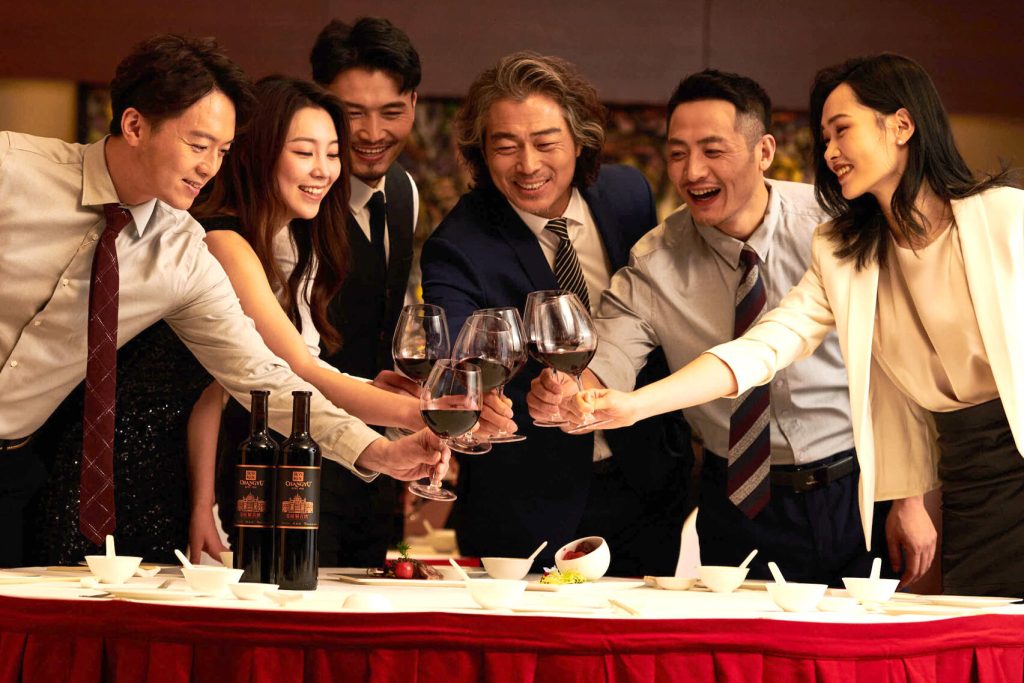
Visiting a Chinese Family: Etiquette Tip
If you are invited to visit a Chinese family, it is customary to bring a small gift, such as fruit or local specialties. Gift-giving reflects the cultural value of reciprocity and politeness.
Showing appreciation, being respectful to elders, and following the host’s arrangements are all important aspects of family visiting etiquette in China.
Final Tips for Travelers
Understanding basic Chinese etiquette can greatly enhance your travel experience. By showing respect for local customs and social norms, you will find it easier to communicate, build connections, and enjoy a more meaningful journey in China.
Whether you are visiting China for tourism, business, or family reasons, learning these essential manners will help you feel more confident and welcomed.