- Official Name: People’s Republic of China
- Chinese Name: 中华人民共和国 (Zhōnghuá Rénmín Gònghéguó)
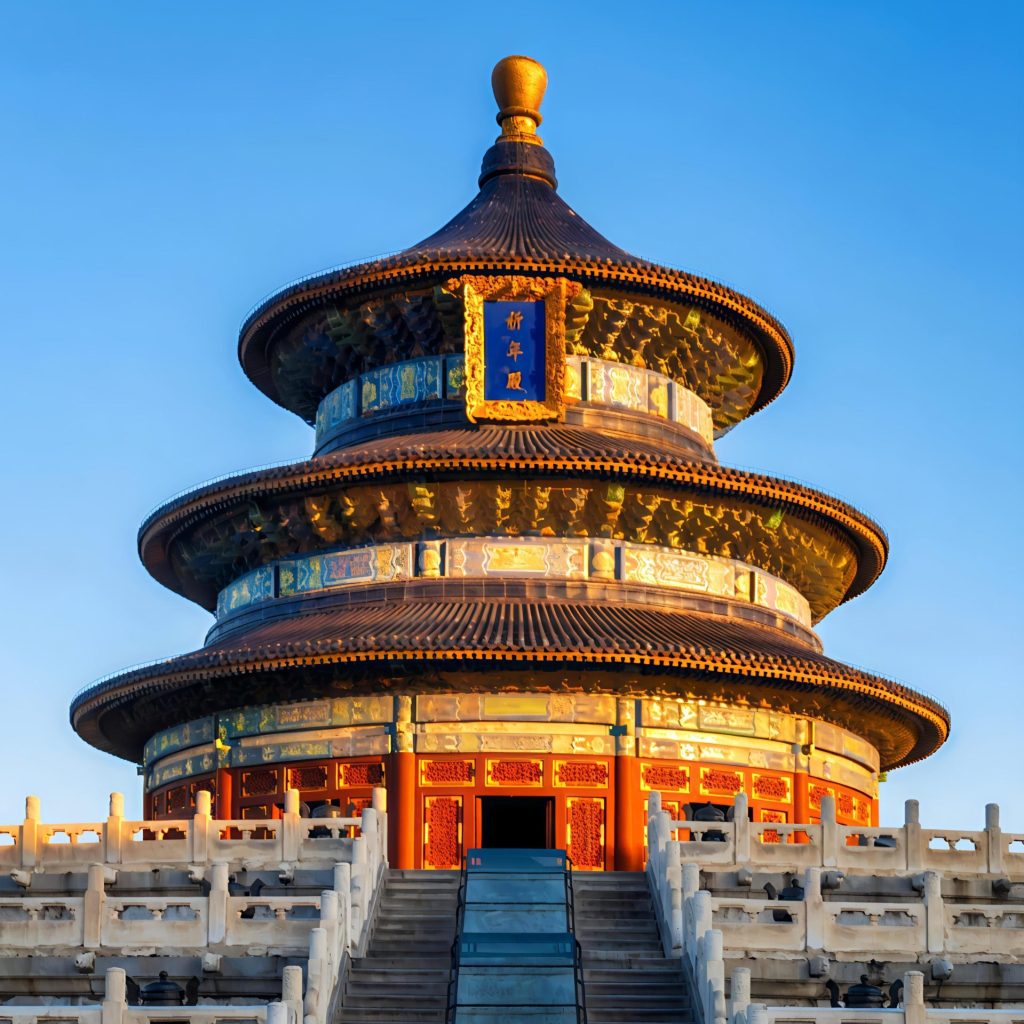
- Capital City: Beijing
- Total Area: Approximately 9.6 million square kilometers
- Population: Over 1.4 billion
- National Flag: Red flag with five yellow stars
- Currency: Renminbi (RMB / Chinese Yuan)
- Form of Government: National People’s Congress system
- Administrative Divisions:
23 provinces, 5 autonomous regions, 4 municipalities, and 2 Special Administrative Regions
Where Is China Located?
China is situated in East Asia, with a long coastline along the Pacific Ocean. It borders several major seas, including the Bohai Sea, Yellow Sea, East China Sea, and South China Sea. Due to its enormous size, China spans multiple latitudes and longitudes, making it the third-largest country in the world by land area.
Geography and Climate of China
China’s geography is extremely diverse. From snow-capped mountains and vast deserts to fertile plains and long rivers, the country offers a wide range of natural landscapes. This geographical variety has played a major role in shaping Chinese civilization over thousands of years.
The climate of China is mainly influenced by a continental monsoon system, resulting in four distinct seasons in most regions. Southern China tends to be warmer and more humid, while northern areas experience colder winters. High-altitude regions such as Tibet have unique vertical climate zones.
China Population and Ethnic Groups
China has the largest population in the world, with more than 1.4 billion people. The Han Chinese make up the majority of the population, while 55 officially recognized ethnic minority groups contribute to the country’s cultural diversity. Each ethnic group has its own customs, traditional clothing, festivals, and languages.
Language Spoken in China
The official language of China is Mandarin Chinese, also known as Putonghua, which is based on the Beijing dialect. Mandarin is widely used across the country in education, media, and government. In addition, many regions speak local dialects or minority languages, reflecting China’s rich linguistic landscape.
Religion and Beliefs in China
China is officially a secular country, but religious and philosophical traditions have deeply influenced its culture. Confucianism, Buddhism, and Taoism have shaped Chinese values for centuries. Islam and Christianity are also practiced by millions of people in different parts of the country.
A Brief History of China
Human history in China dates back over one million years. The earliest recorded dynasty emerged around the 21st century BC, marking the beginning of a continuous dynastic history that lasted thousands of years.
In 1911, the imperial system came to an end, and on October 1, 1949, the People’s Republic of China was officially founded. Since then, economic reforms and opening-up policies have transformed China into one of the world’s leading economies.
Chinese Culture and Global Influence
China has made many important contributions to world civilization, including the Four Great Inventions: papermaking, printing, gunpowder, and the compass. Traditional arts such as calligraphy, painting, Chinese opera, and silk production continue to thrive today.
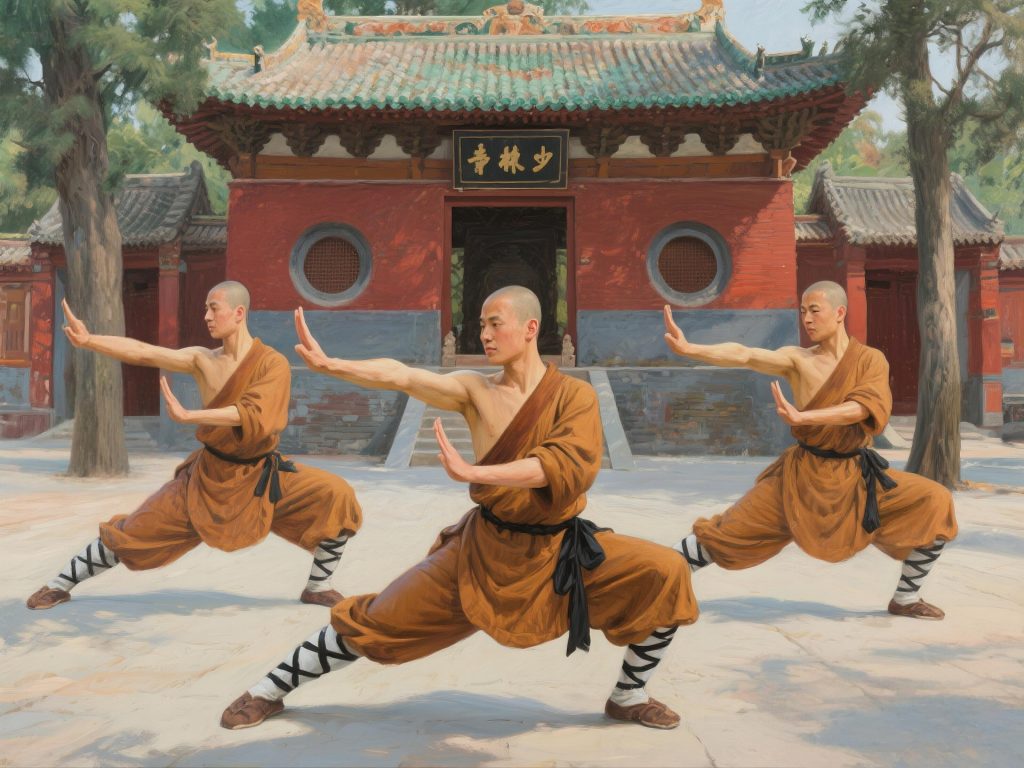
Chinese martial arts, commonly known as Kung Fu, along with Chinese literature and world-famous Chinese cuisine, have helped spread Chinese culture across the globe. These cultural elements are also a major reason why China attracts millions of international travelers every year.