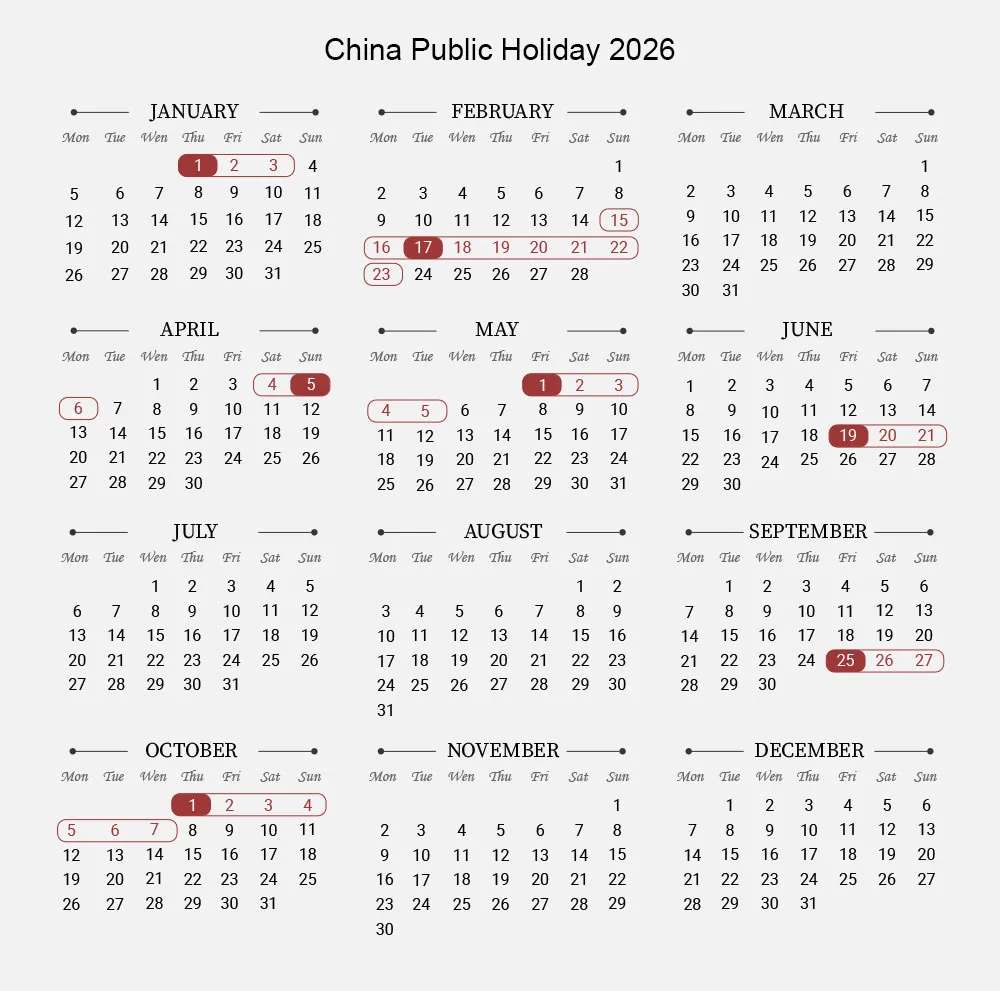
China has seven official public holidays each year, offering a total of 13 days of paid leave nationwide. These holidays are closely connected to traditional culture, history, and modern national events, and they can greatly influence travel conditions such as crowd levels, transportation availability, and accommodation prices.
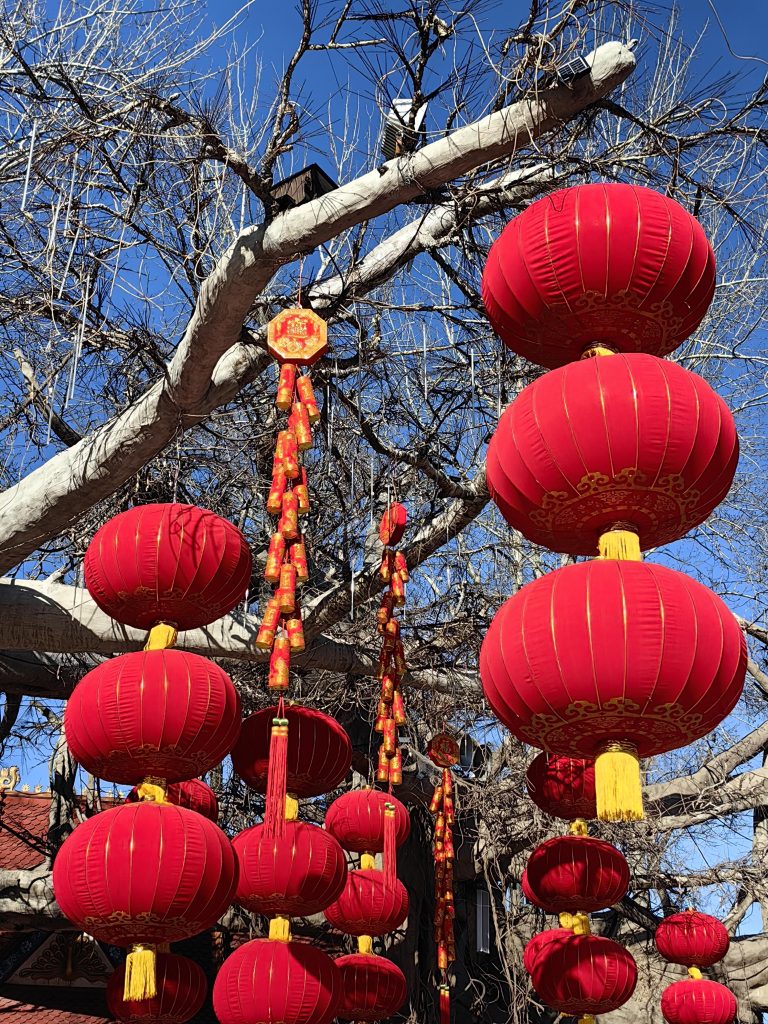
China Public Holiday Calendar (2026–2027)
China releases its official holiday schedule annually. The most impactful holidays for travelers are Chinese New Year and National Day, both of which include week-long breaks known as Golden Weeks.
During these periods, transportation tickets sell out quickly, popular attractions become extremely crowded, and hotel prices rise sharply.
Additional Holidays & Observances
In addition to official public holidays, China observes several special days where some employees may receive a half-day off, including:
- International Women’s Day
- Youth Day
- Children’s Day
- Army Day
There are also widely recognized observances such as Arbor Day and Teachers’ Day, although they do not come with official time off.
Major Chinese Festivals Explained
Chinese New Year (Spring Festival)
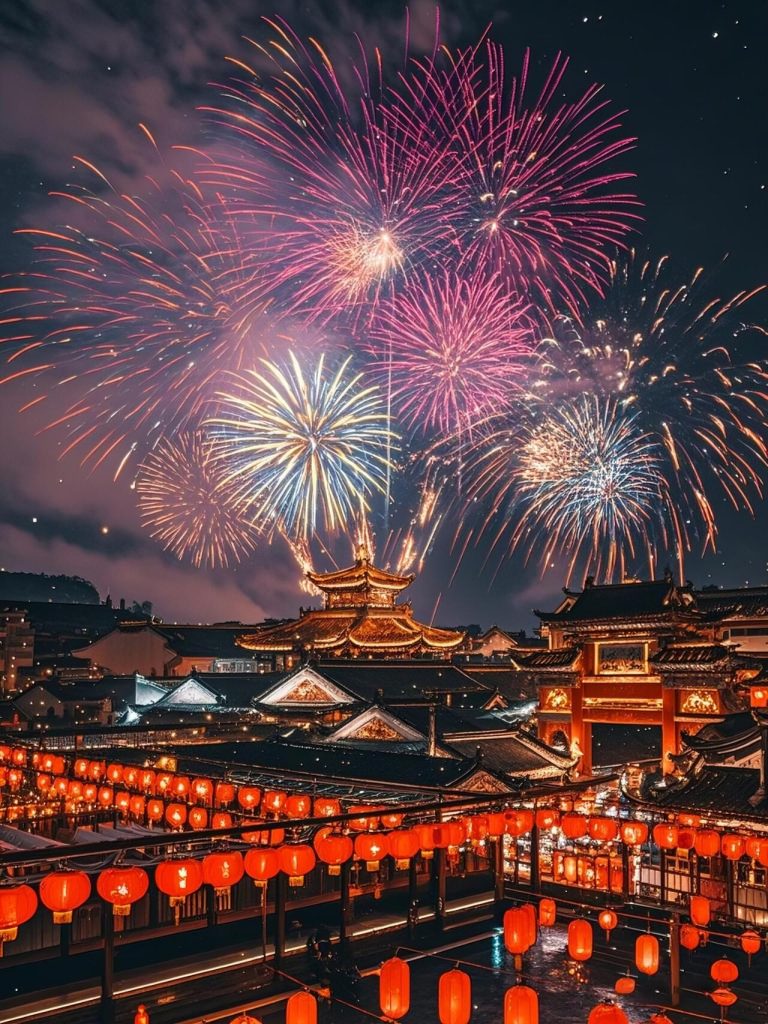
The most important festival in China, usually falling between late January and mid-February. It is a time for family reunions, festive meals, fireworks, and large-scale travel across the country. This period also marks the busiest travel season of the year.
Qingming Festival
Held in early April, Qingming Festival is dedicated to honoring ancestors. Families visit ancestral tombs and often enjoy short spring outings during the holiday.

Dragon Boat Festival
Celebrated in June, this festival commemorates the ancient poet Qu Yuan. Traditional activities include dragon boat races and eating zongzi (sticky rice dumplings).

Mid-Autumn Festival
Taking place in September, Mid-Autumn Festival symbolizes reunion and gratitude. Families gather to admire the full moon and share mooncakes.

National Day
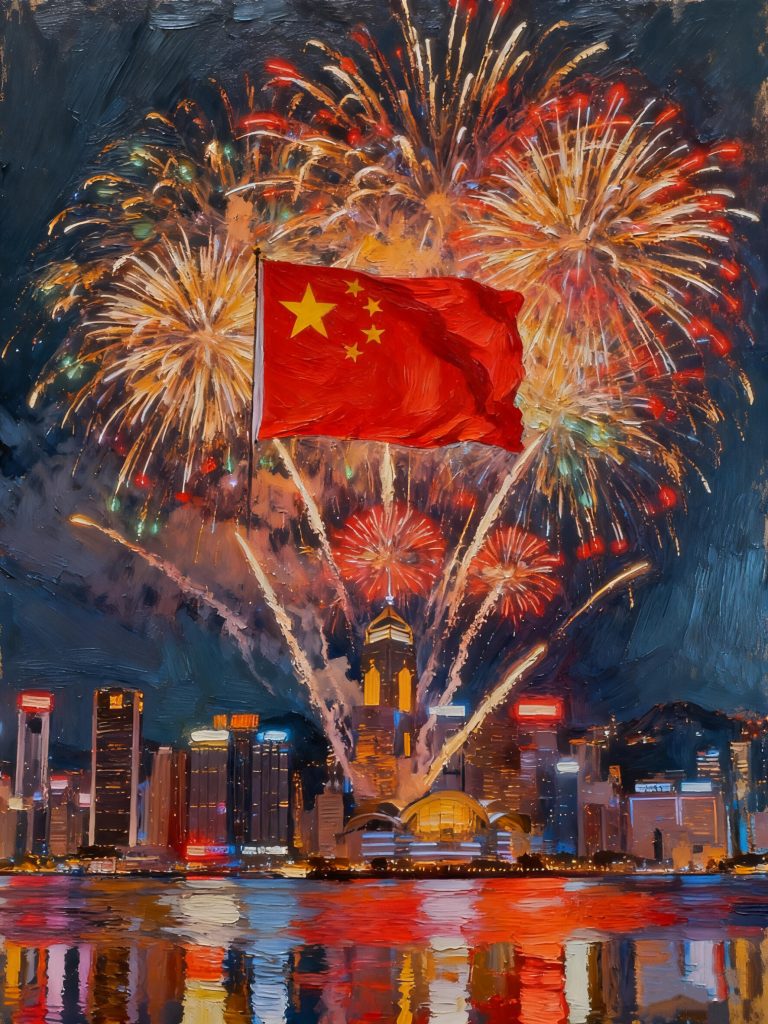
Observed on October 1st, National Day celebrates the founding of the People’s Republic of China. The following week-long holiday leads to massive domestic travel and is considered one of the busiest periods for tourism.
Golden Week in China
China has two major Golden Weeks each year:
- Chinese New Year Holiday
- National Day Holiday
During Golden Week, airports, train stations, highways, and tourist attractions experience extreme congestion. Travelers who prefer a quieter and more relaxed experience are generally advised to avoid visiting China during these periods.
Do Businesses Operate During Chinese Public Holidays?
Most commercial businesses remain open during public holidays, including shopping malls, restaurants, and entertainment venues. Many even extend their operating hours.
However, visitors should note:
- Government offices, embassies, and schools are closed
- Banks and post offices operate limited branches only
- Hospitals remain open, but some specialist services may be unavailable
Planning ahead is recommended, especially for banking or administrative needs.
Tips for Planning Your Trip Around Chinese Holidays
Understanding China’s public holiday schedule can help travelers avoid crowds, reduce costs, and enjoy a smoother travel experience. If flexibility allows, visiting China outside major holiday periods offers better transportation availability and a more comfortable sightseeing experience.
Knowing when and how these holidays affect travel is essential for anyone planning a trip to China.