❓ What is the official currency of China?
✔️ The official currency of China is the Renminbi (RMB), also known as the Chinese Yuan. The primary unit is the Yuan (¥), with fractional units called Jiao and Fen. RMB is issued by the People’s Bank of China and is the legal tender used across mainland China.
❓ What are the common denominations of Chinese currency?
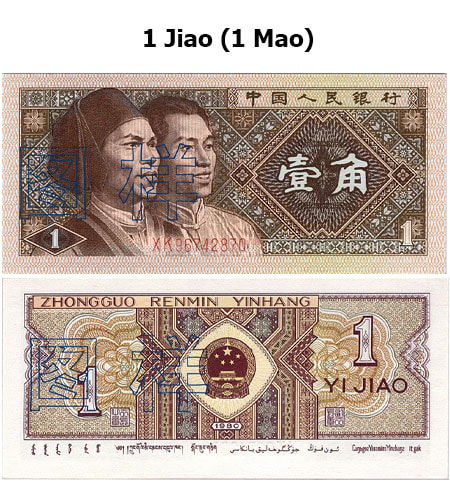
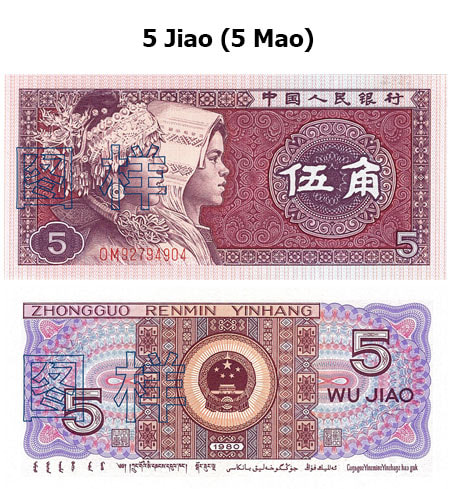
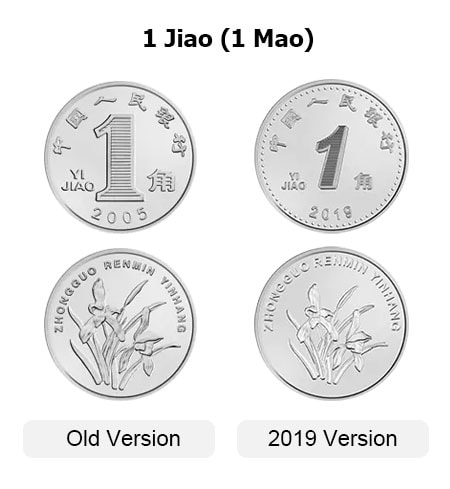
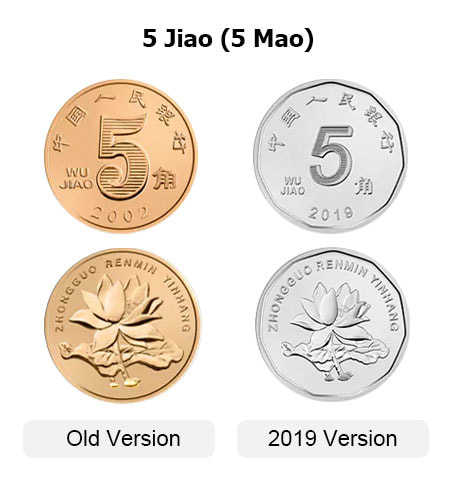
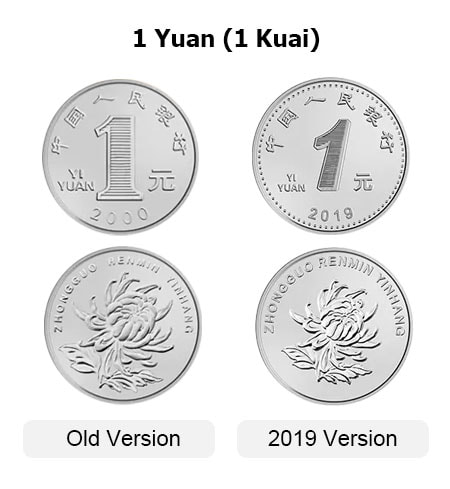
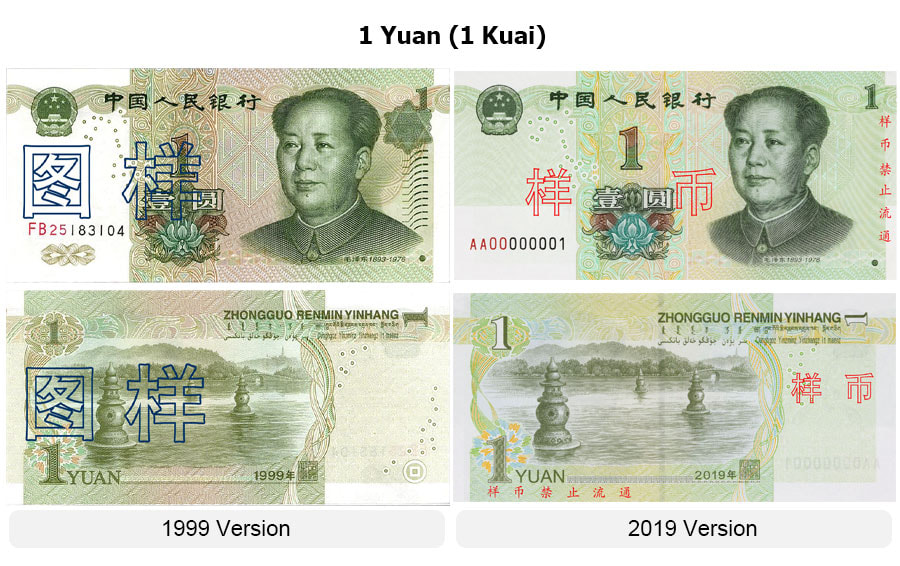
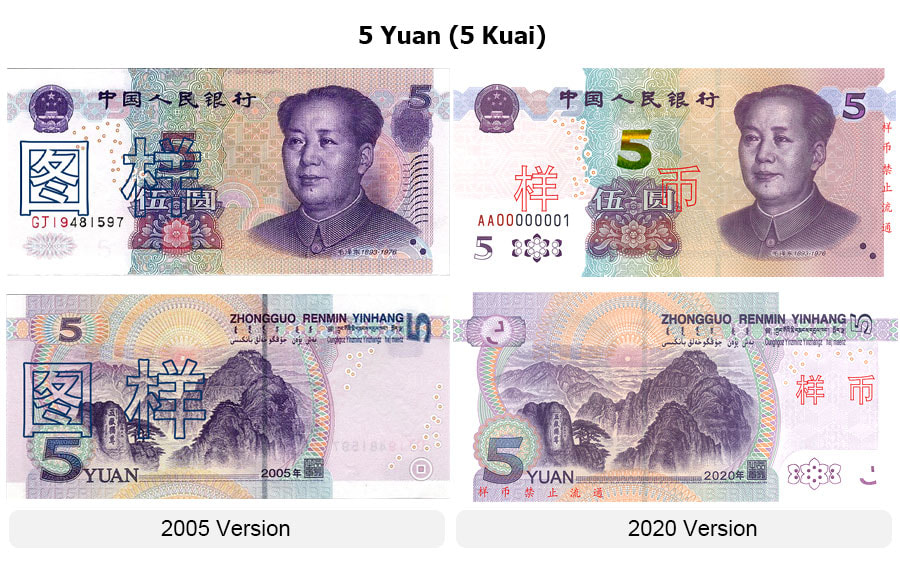
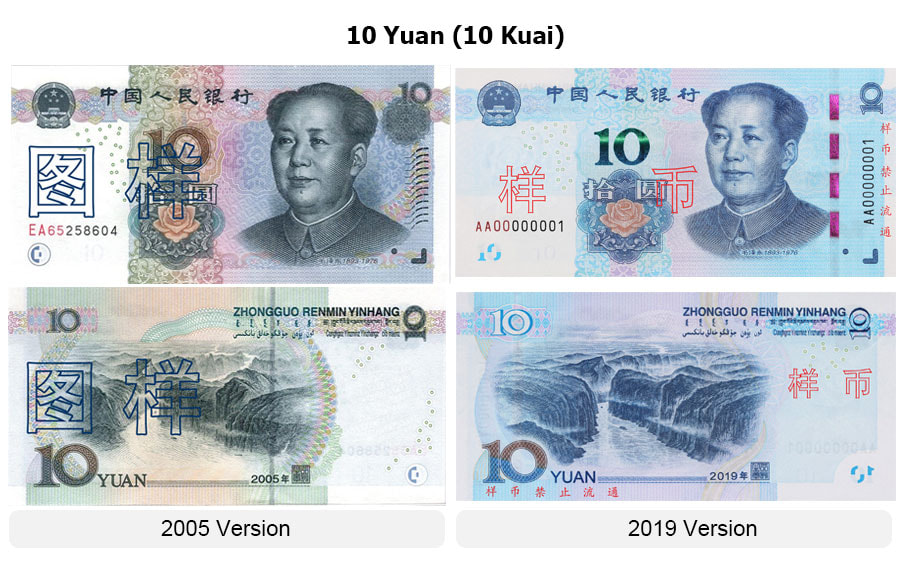
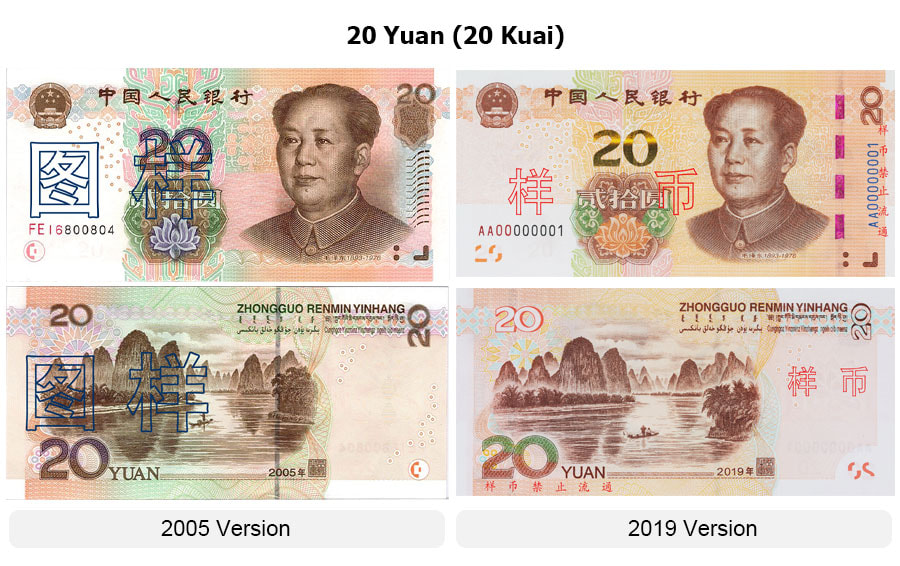
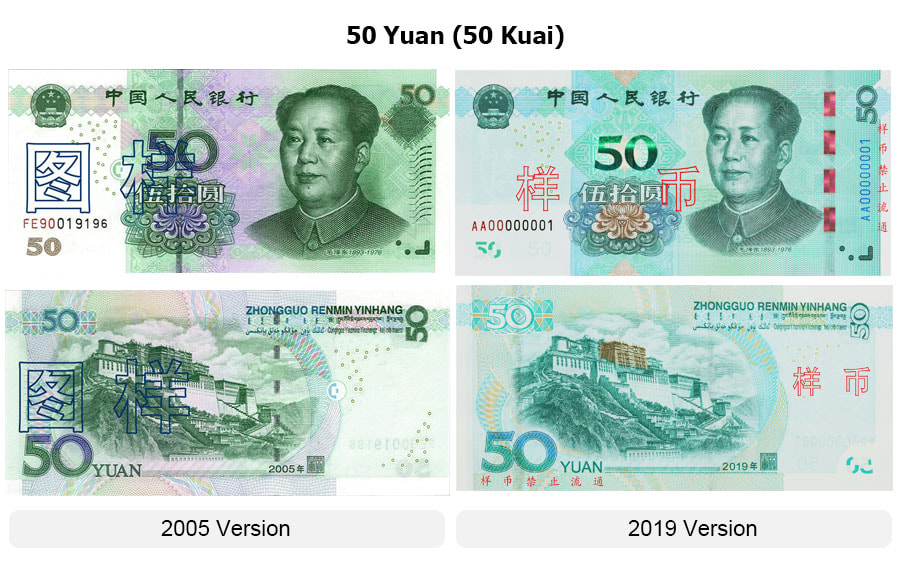
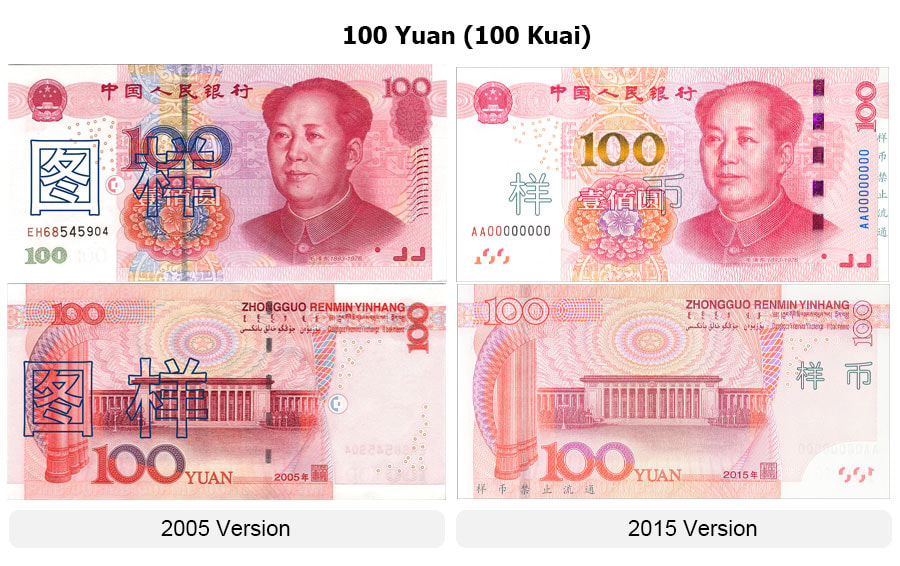
✔️ The most commonly used banknotes are 1 Jiao, 5 Jiao, 1 Yuan, 5 Yuan, 10 Yuan, 20 Yuan, 50 Yuan, and 100 Yuan. Coins include 1 Yuan and 5 Jiao. It is recommended to use these standard denominations and avoid accepting uncommon notes.
❓ Where and how can I exchange foreign currency to RMB in China?
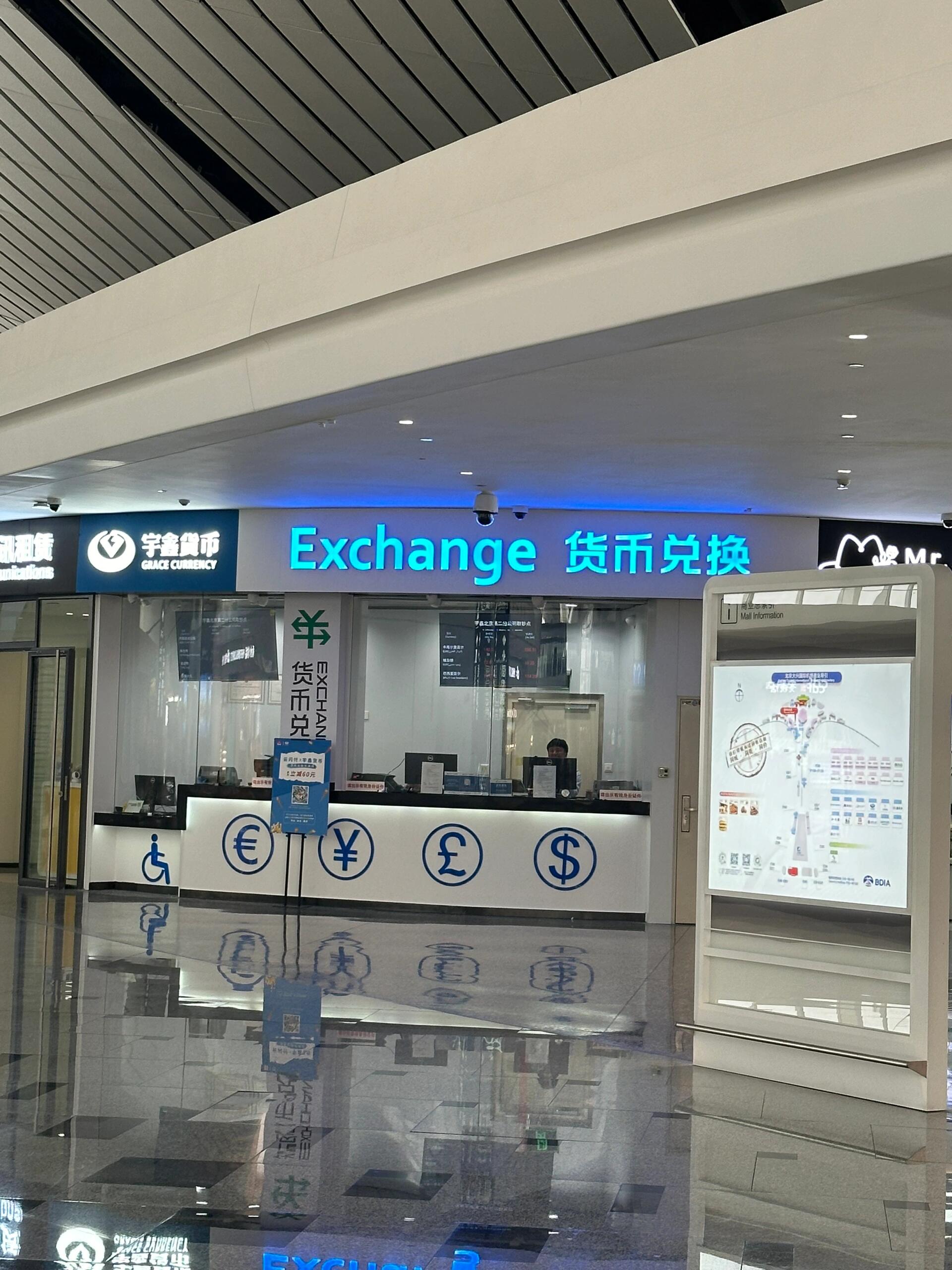
✔️ Tourists can exchange foreign currency at airports, major banks such as the Bank of China, China Construction Bank, and Industrial and Commercial Bank of China. A passport is required for currency exchange. While it’s advisable to exchange a small amount before departure, you can generally get better rates within China. For remote areas, bring enough cash as bank or ATM access may be limited.
❓ Can I use credit cards or ATMs in China?
✔️ Visa and MasterCard are widely accepted in major cities like Beijing, Shanghai, and Guangzhou, but acceptance in rural areas is limited. Foreigners can also open bank accounts in China, obtain a bank card, and withdraw cash from ATMs. Most ATMs display the logos of accepted cards. Daily withdrawal limits vary, usually up to 20,000 Yuan. Remember to check with your bank if your card PIN is four digits, as Chinese ATMs typically require six digits.
❓ How can I identify counterfeit RMB?
✔️ The fifth series of RMB banknotes feature watermarks, security threads, and color-changing denomination numbers. Always check large notes (50 or 100 Yuan) carefully before accepting them. A genuine RMB will also produce a distinct “snap” sound when bent slightly.
❓ Can I use RMB in Hong Kong and Macau?
✔️ Some merchants in Hong Kong and Macau accept Chinese RMB, particularly large notes like 100 Yuan. Smaller denominations are less common, and change is usually given in local currency (HKD or MOP). The exchange rate may not be as favorable as in mainland China.
❓ Are there any tips for exchanging money safely in China?
✔️ Always use reputable banks near your hotel for large exchanges. Avoid exchanging money on the street or in small shops, as this may be illegal and risk counterfeit notes. Keep all exchange receipts if you plan to convert leftover RMB back to your home currency.