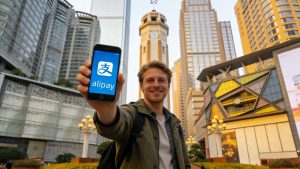
Welcome to Chongqing, a city that defies logic, gravity, and maps. Often referred to as the “8D City” or the “Cyberpunk Capital of the World,” this sprawling megacity in Southwest China feels like a fever dream where Blade Runner meets ancient Chinese tradition.
Whether you are here for the world-famous spicy hot pot, the mind-bending vertical architecture, or the rich history of China’s wartime capital, this guide will help you navigate the beautiful chaos of the “Mountain City”.
1. The “8D” Experience: Urban Marvels
Chongqing’s geography is its most famous attraction. Built on steep hills at the confluence of the Yangtze and Jialing Rivers, the city has developed a multi-layered infrastructure that is truly unique.
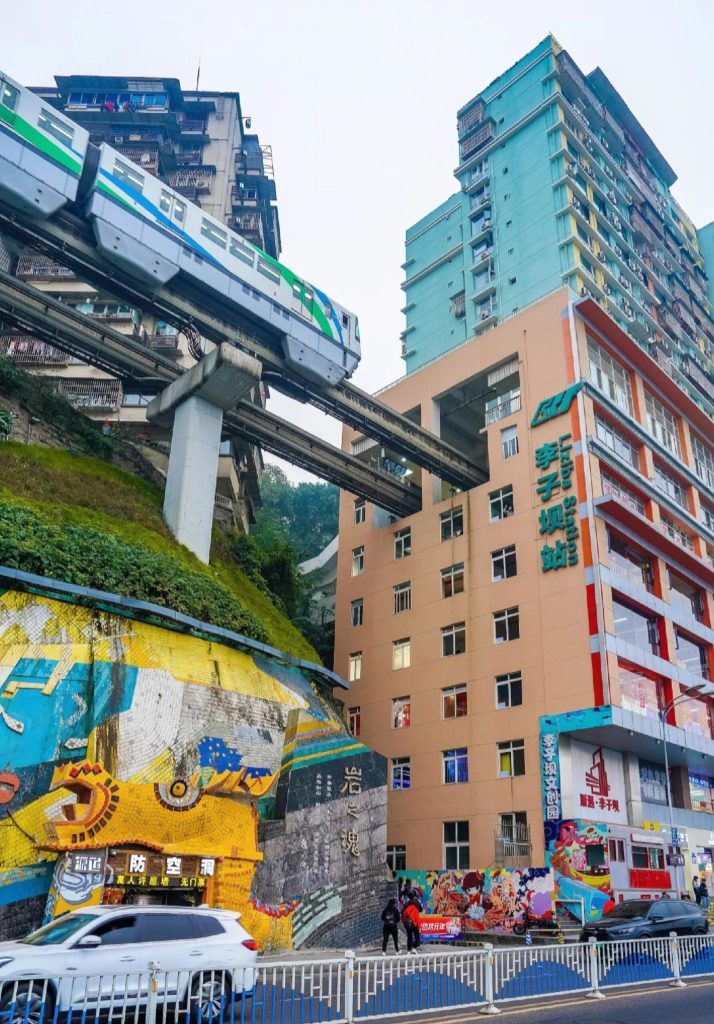
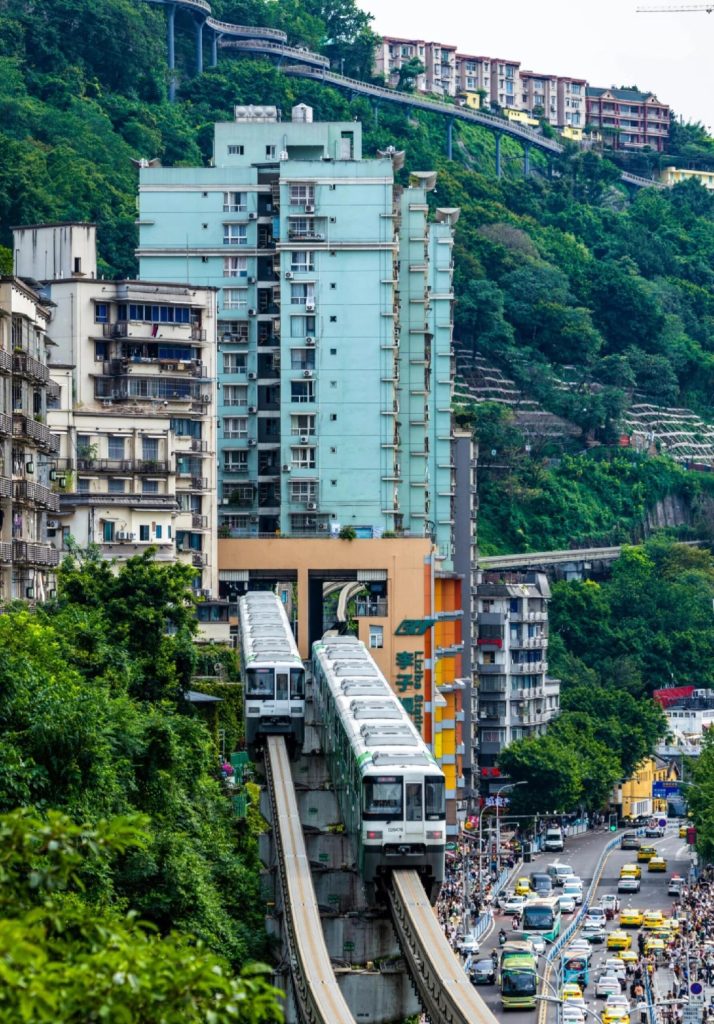
- Liziba Monorail Station: Perhaps the most viral spot in the city, where the Line 2 monorail literally passes through the 6th and 7th floors of a 19-story residential building.
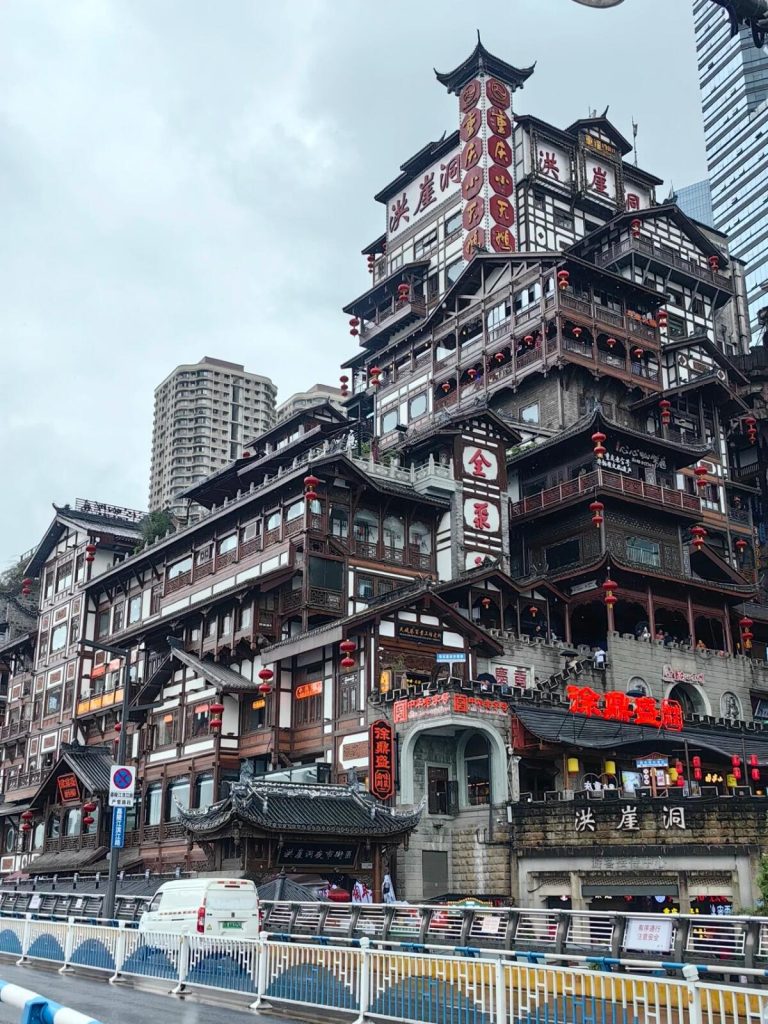
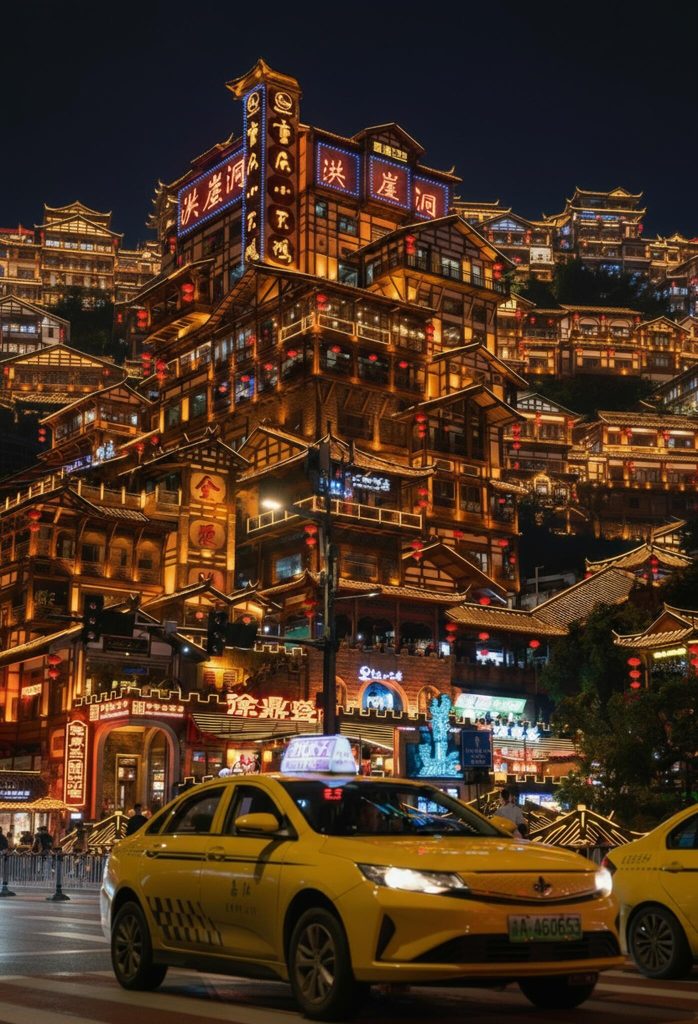
- Hongyadong (Hongya Cave): An 11-story complex of traditional stilt houses built into a cliffside. At night, it glows in warm gold, famously resembling the bathhouse from Hayao Miyazaki’s Spirited Away.
- Kuixing Building & 3D Plazas: Experience the “Chongqing Illusion” at places like Kuixing Building, where you can walk out of a 22nd-floor elevator only to find yourself standing on a busy ground-level city square.
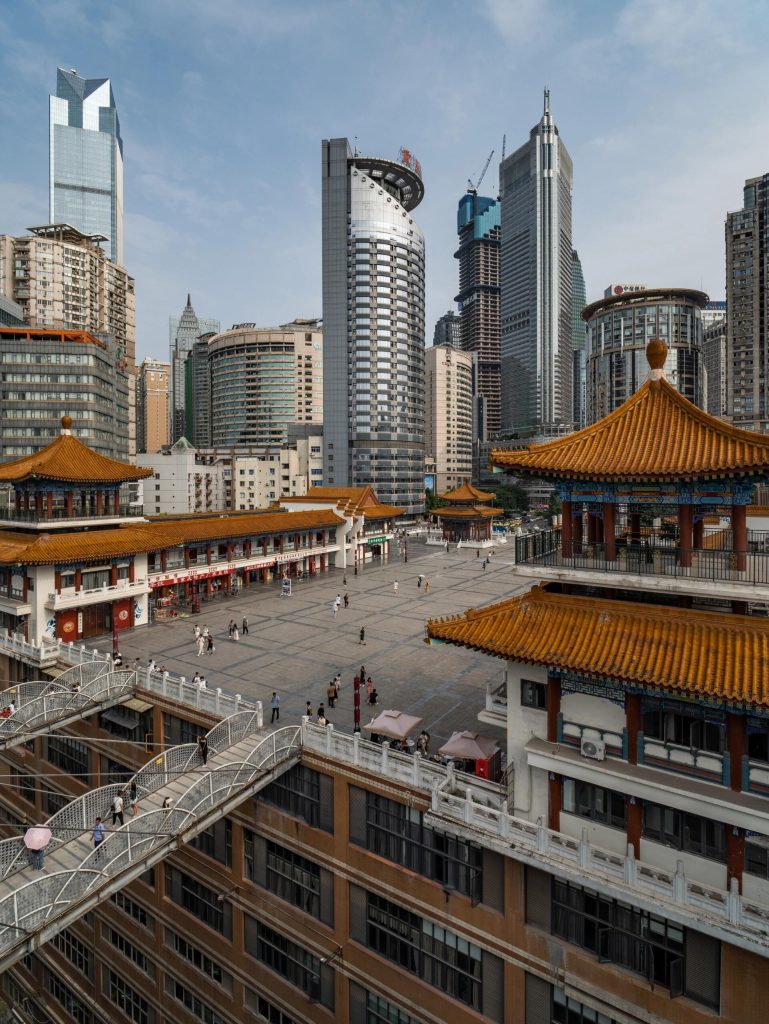
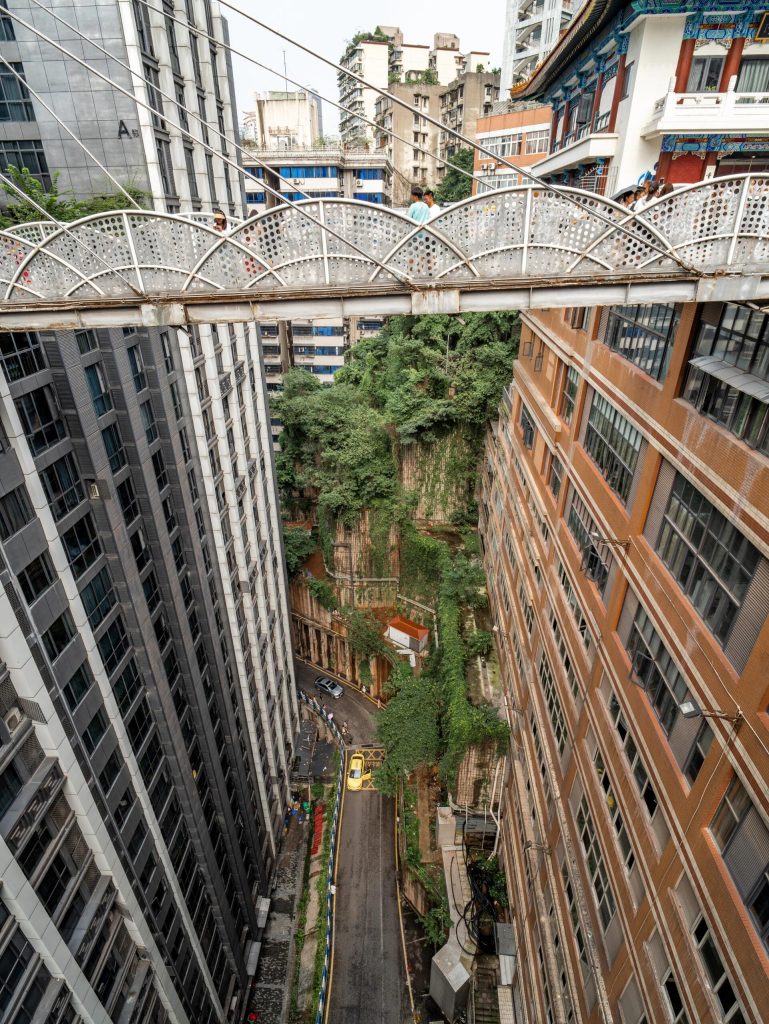
Chongqing is a playground for photographers. To find the exact coordinates for these mind-bending layers, see our 《Chongqing Photography Map: 15 Best Spots for the Perfect Cyberpunk Shot》
2. Culinary Soul: Surmounting the Spice
Chongqing is the undisputed “Hot Pot Capital.” For locals, hot pot is more than food—it’s a religion.
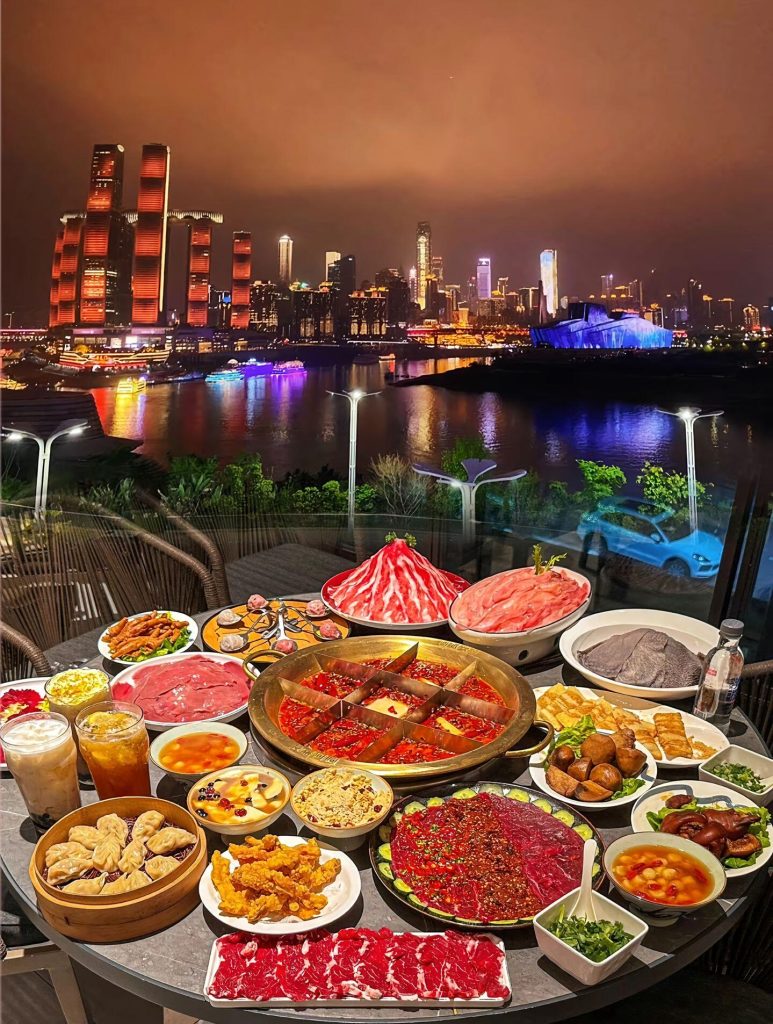
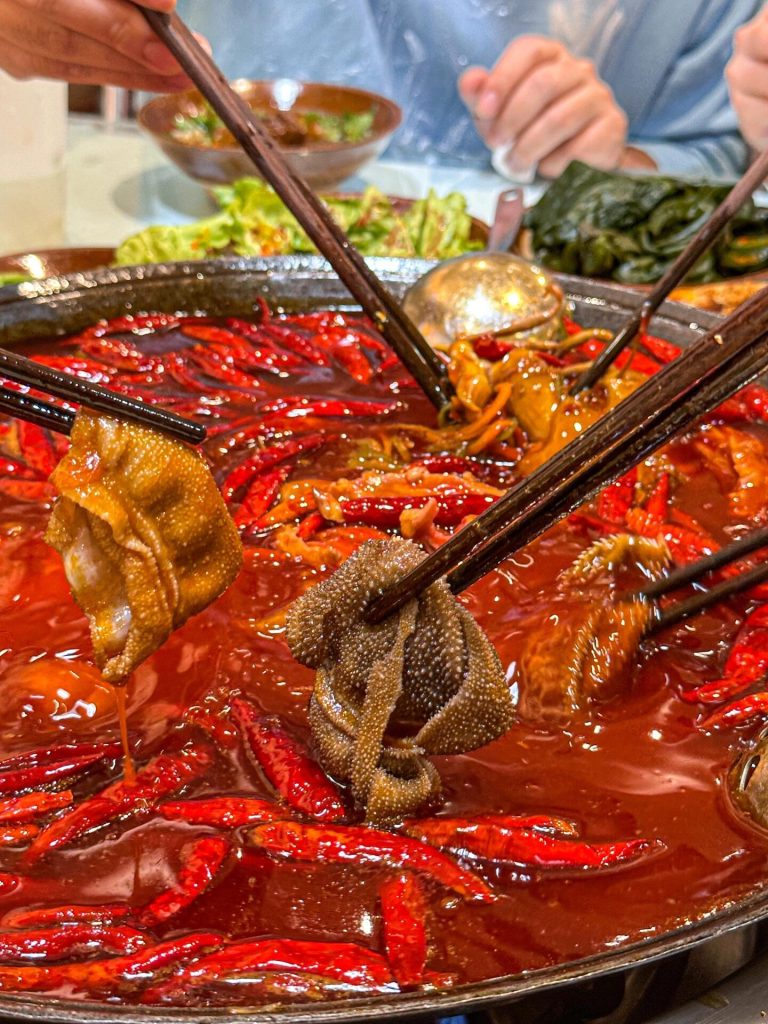
- The Survival Sauce: Mix sesame oil with plenty of minced garlic. The oil creates a protective layer for your stomach lining against the chili.

- Chongqing Small Noodles (Xiao Mian): The city’s favorite breakfast. It’s spicy, numbing, and incredibly cheap street food.

3. History & Hidden Alleys
Beyond the neon lights, Chongqing preserves the grit and soul of “Old China.”
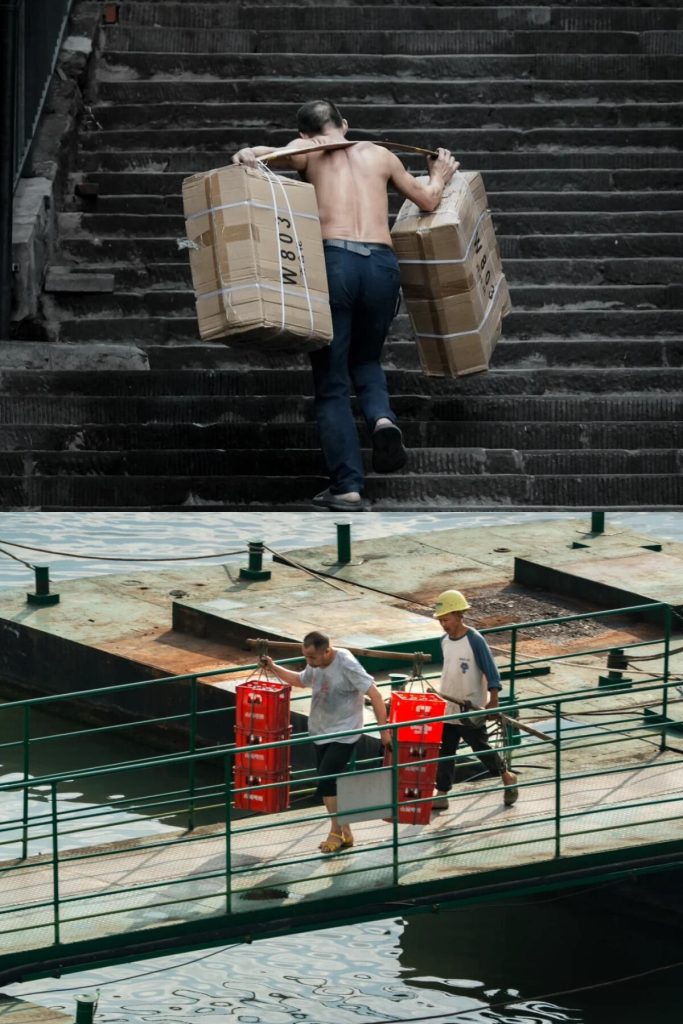
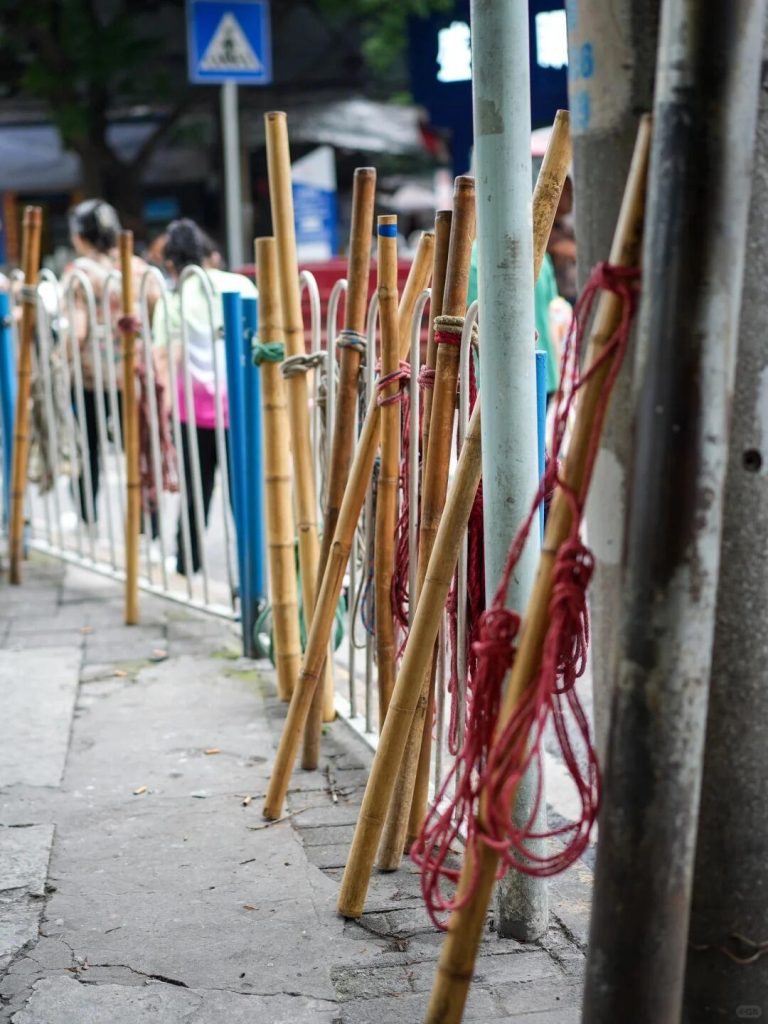
- The “Bang Bang” Men: These traditional porters carry heavy loads on bamboo poles across the city’s endless stairs. They are the “human backbone” of the city, though their numbers are dwindling.
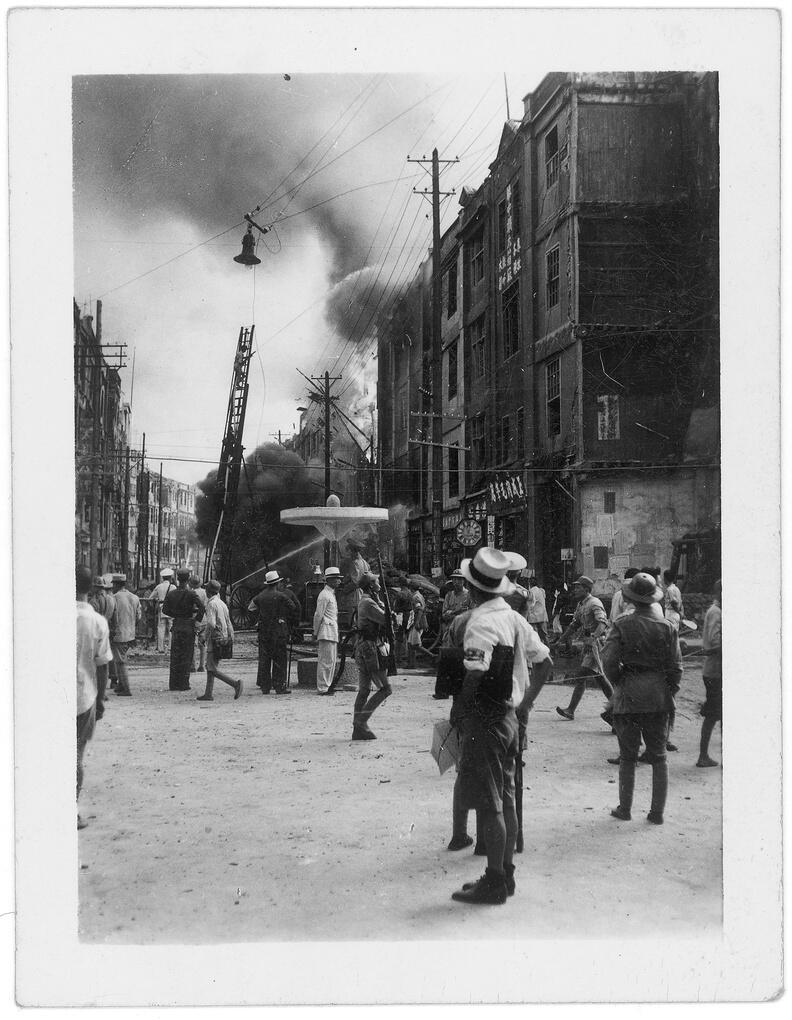
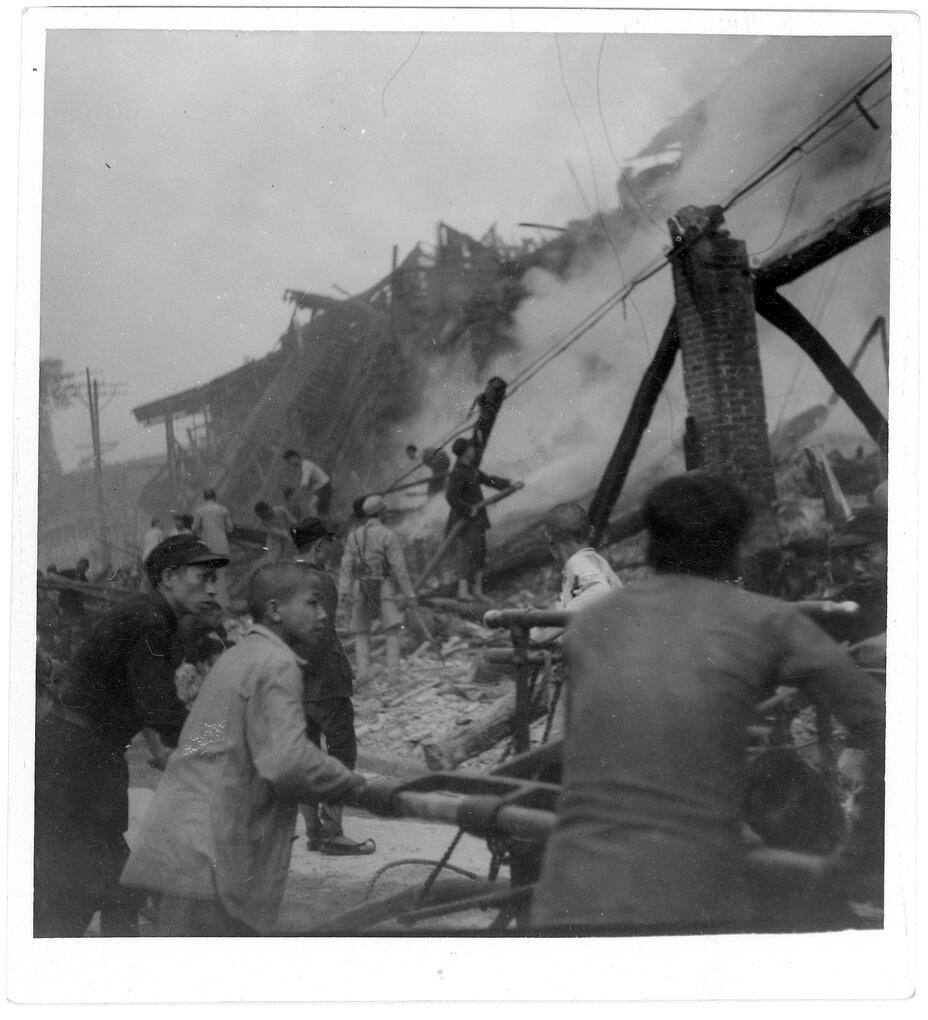
- WWII Heritage: As the provisional capital of China during WWII, Chongqing is home to the Stilwell Museum and the Flying Tigers Exhibition Hall, honoring the American volunteers who fought alongside China.
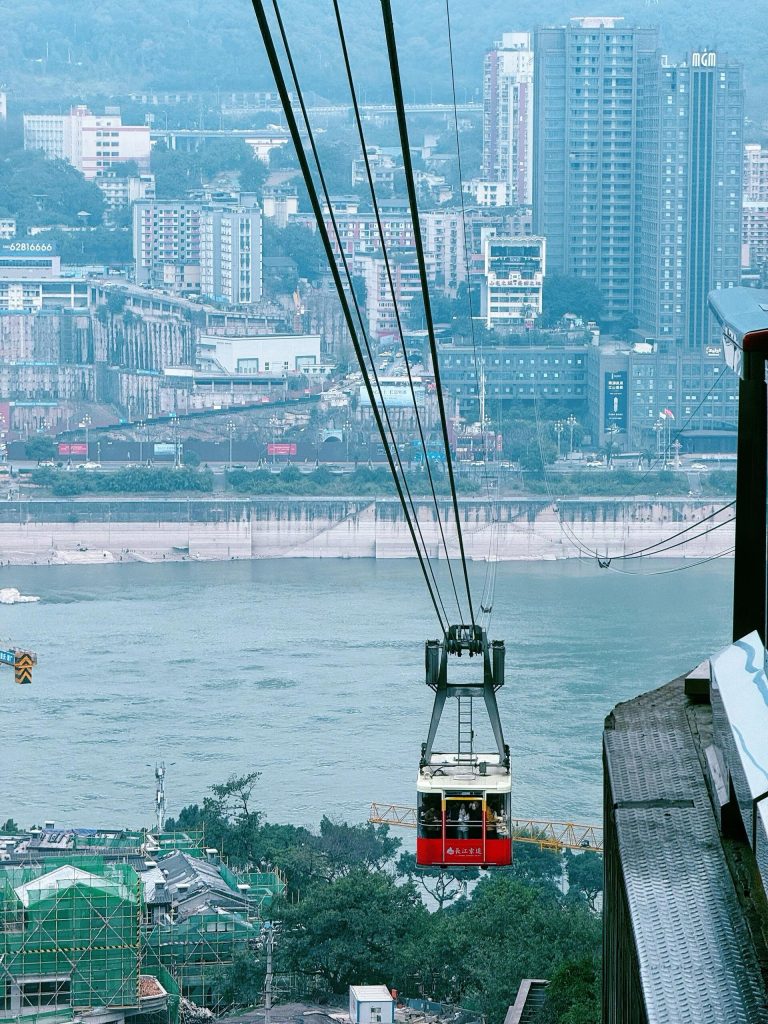
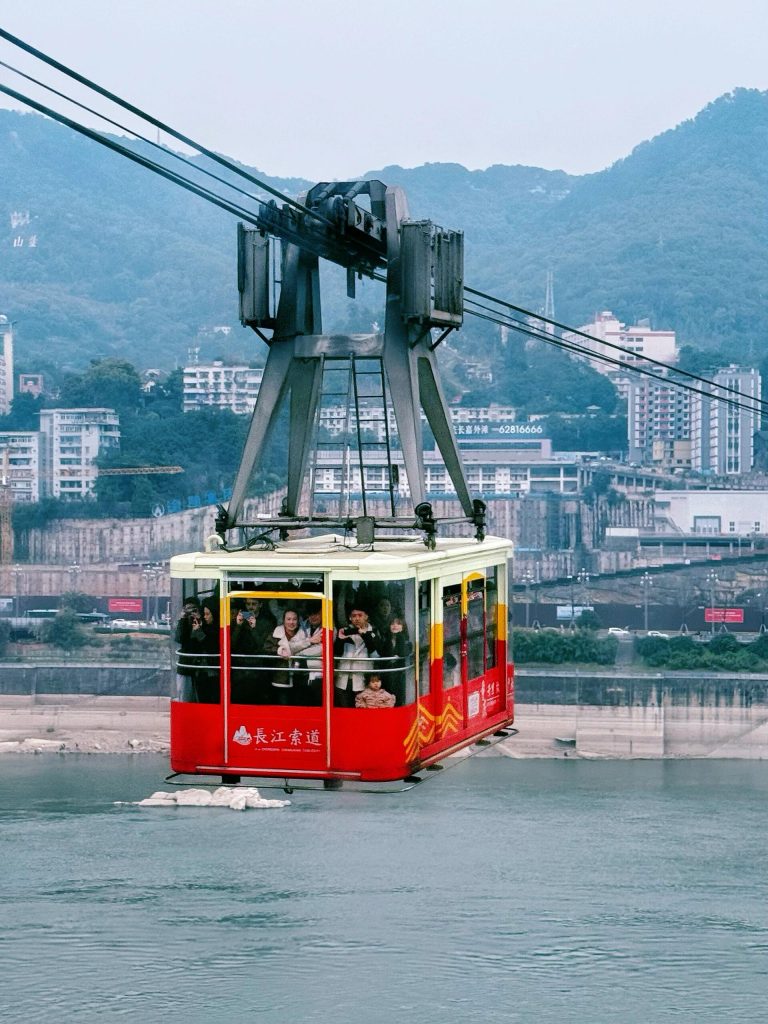
- Transport Heritage: Ride the Yangtze River Cableway, once a vital commute for locals, now an “Airbus” providing 360-degree views of the rivers.
4. Digital Survival: Essential Tools
China’s ecosystem is unique. To avoid being “digitally stranded,” you need these apps before you land:

- Amap (Gaode Maps): Google Maps is unreliable in China. Download Amap and set it to English; it is the only app that can handle Chongqing’s complex 3D floor-to-floor navigation.

- Trip.com: The best platform for booking high-speed trains and hotels in English with international payment support.

5. Beyond the City: UNESCO Day Trips
If you have more than three days, head to the outskirts for natural and artistic wonders:
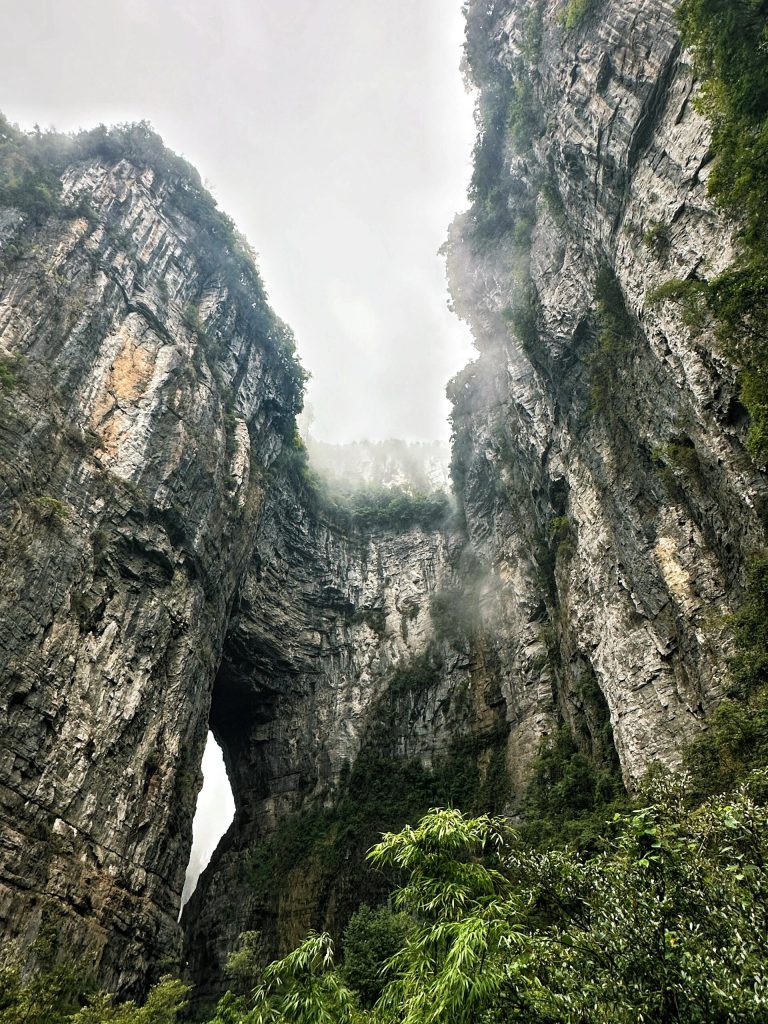
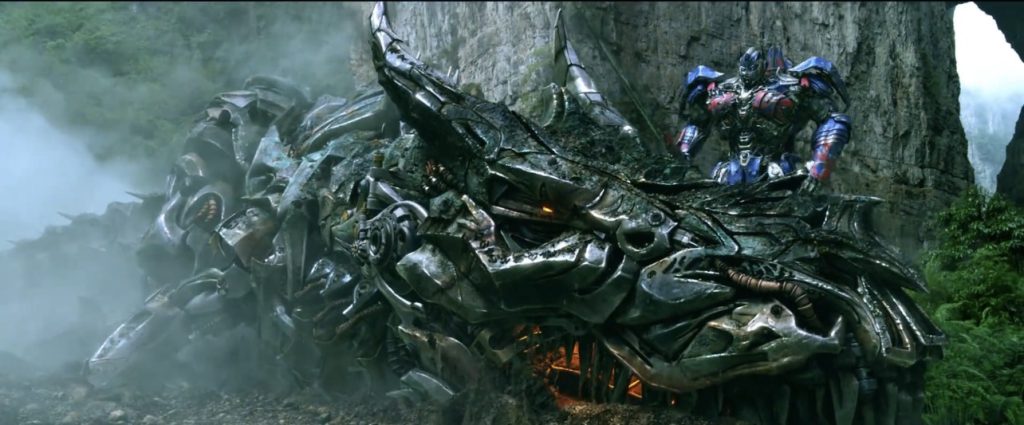
- Wulong Karst (2 hours by train): A UNESCO site featuring massive natural stone bridges and sinkholes. It was a filming location for Transformers: Age of Extinction.
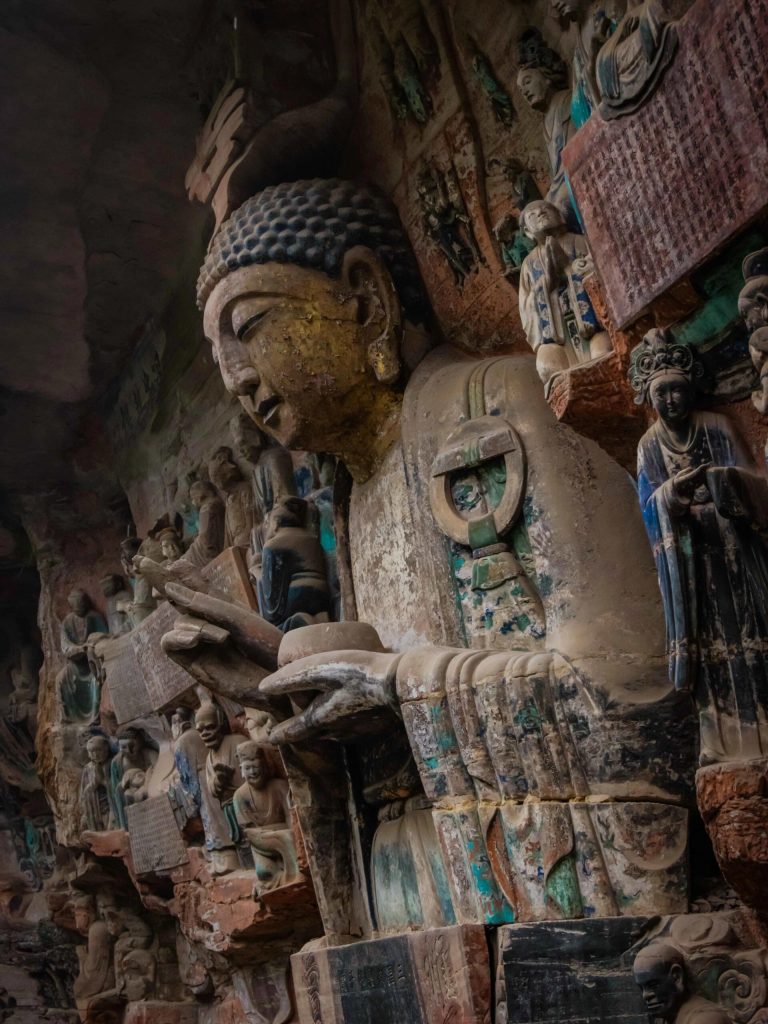
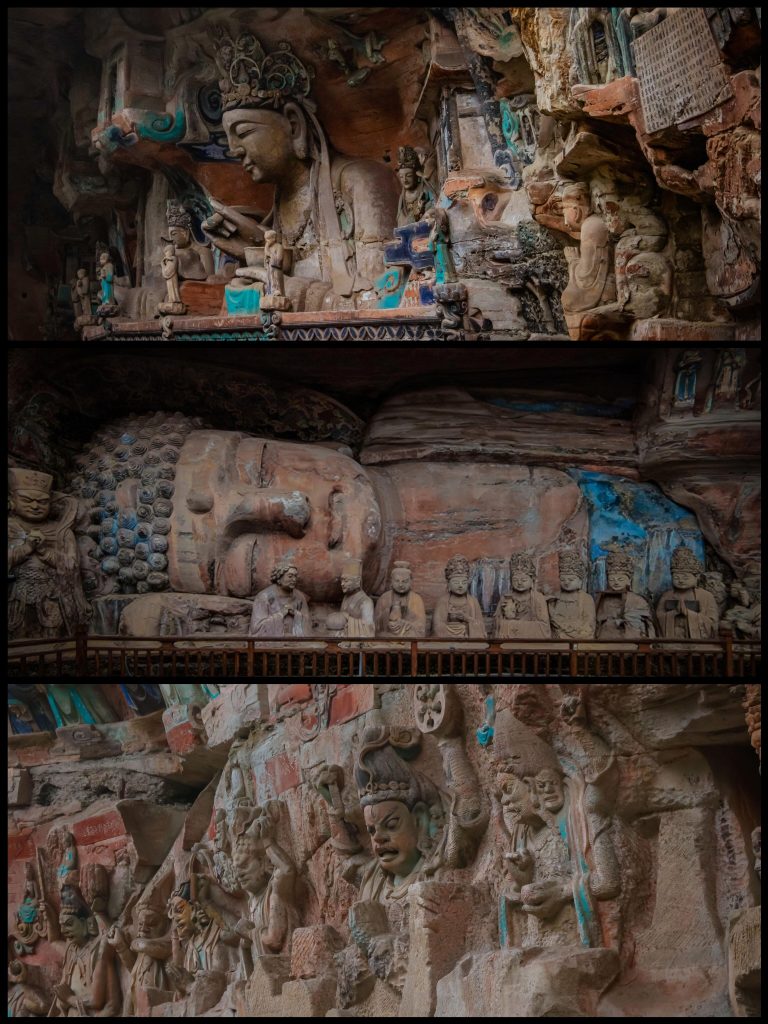
- Dazu Rock Carvings: Exquisite religious stone carvings dating back to the 7th century, representing the pinnacle of Chinese cave art.
Best Time to Visit & Photography Tips
- Best Seasons: Spring (March–May) and Autumn (September–November) offer the most comfortable temperatures for the heavy walking required.
- The Fog City: Chongqing is often shrouded in mist. Embrace it—the fog adds a moody, dystopian aesthetic that is perfect for photography.
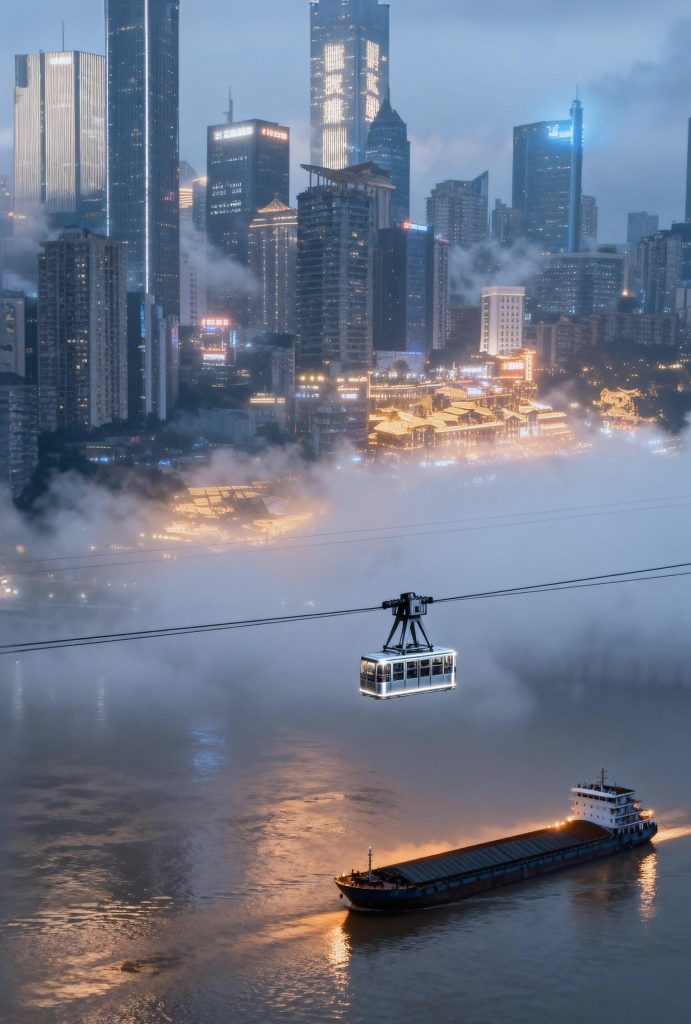
- Night Owls: The city truly comes alive after 7:00 PM when the lights turn on. Most landmark lights stay on until 10:00 or 10:30 PM.