Culture and Religion of the Tang Dynasty

The Tang Dynasty (618–907) is widely regarded as one of the most brilliant and open periods in Chinese history. During this era, culture, science, literature, and religion flourished simultaneously, creating a lasting legacy that shaped later Chinese civilization and influenced neighboring regions across Asia.

Scientific and Technological Achievements

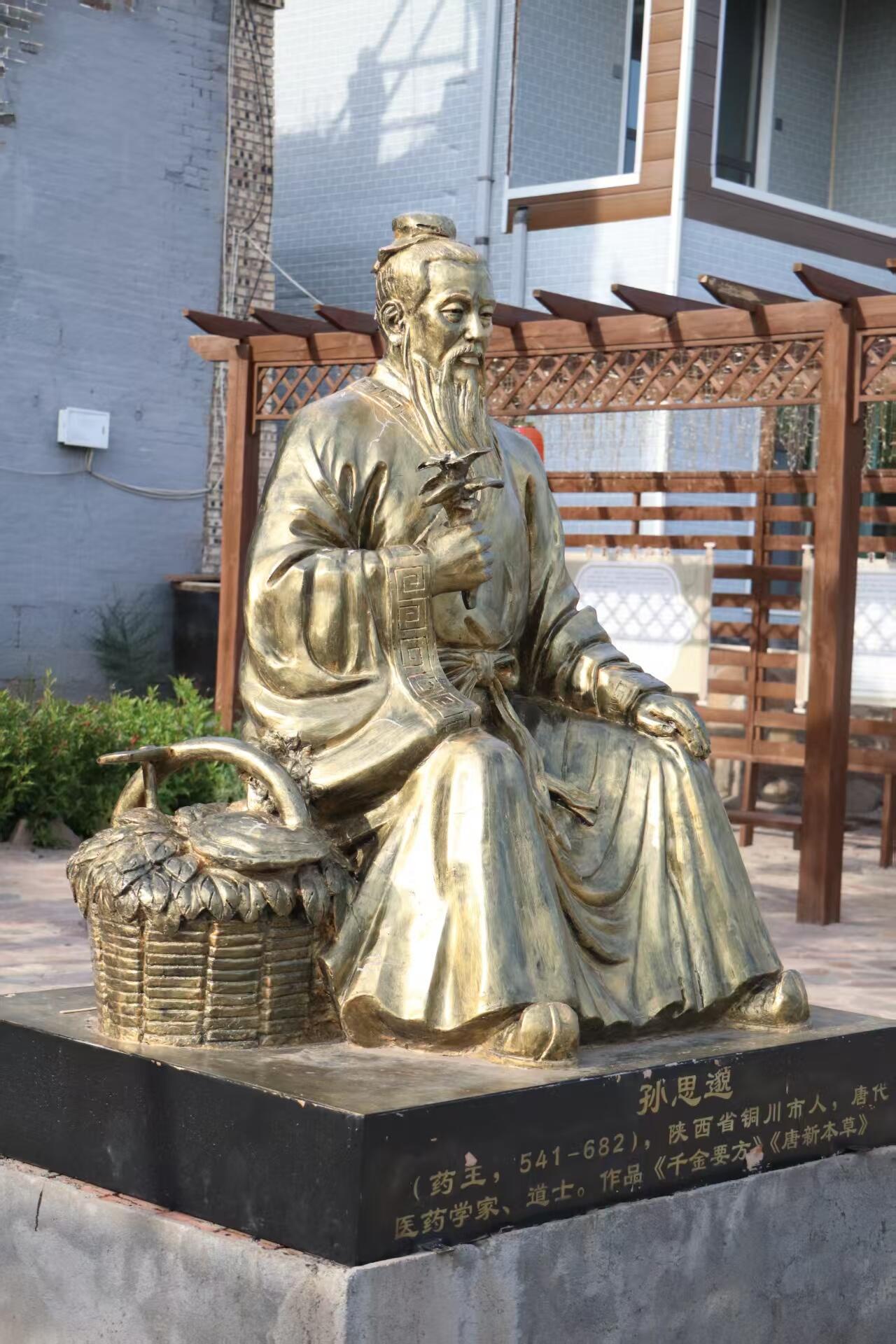
The Tang Dynasty made remarkable contributions to astronomy, medicine, and printing. The Buddhist monk and astronomer Yi Xing was the first in Chinese history to accurately measure the length of the meridian line. In medicine, Sun Simiao, known as the “King of Medicine,” compiled Qianjin Fang (Thousand Golden Prescriptions), which became a cornerstone of traditional Chinese medicine.

In 868 AD, the Diamond Sutra was printed using woodblock technology, recognized today as the world’s earliest dated printed book, marking a milestone in global printing history.

Tang Poetry and Literary Prosperity

The greatest cultural achievement of the Tang Dynasty was undoubtedly Tang poetry, which reached an artistic peak unmatched in Chinese literary history. Thousands of poets emerged throughout the dynasty, producing works that reflected frontier life, pastoral scenes, political events, and personal emotions.

Famous poets include Li Bai, Du Fu, Wang Wei, Bai Juyi, Li Shangyin, and Du Mu, whose poems continue to be studied and memorized today. Their writings not only defined classical Chinese poetry but also influenced East Asian literature for centuries.

During this period, early forms of Chinese fiction known as Chuanqi (tales) also developed, laying the foundation for the flourishing novels of later dynasties.
Architecture and Artistic Heritage

Tang architecture was grand, symmetrical, and highly influential. Many iconic structures, such as the Big Wild Goose Pagoda in Xi’an, were built to preserve Buddhist scriptures. In art, murals and sculptures reached a new height, especially those in the Mogao Caves of Dunhuang, where a large proportion of surviving artworks date back to the Tang era.

Religion in the Tang Dynasty

The Tang Dynasty was characterized by religious tolerance and diversity. The two dominant native religions were Buddhism and Daoism, both receiving imperial support in the early and middle periods.

A famous example of religious devotion was the monk Xuanzang, who traveled to India to obtain Buddhist scriptures. His journey greatly promoted the spread and development of Buddhism in China.

At the same time, foreign religions such as Islam, Nestorian Christianity, and Zoroastrianism entered China through the Silk Road, reflecting the dynasty’s openness. However, during the reign of Emperor Wuzong, Buddhism faced suppression, causing many sects to decline, while Zen Buddhism survived and continued to develop.

Cultural Exchange and the Silk Road

Thanks to its strong economy and stable governance, the Tang Dynasty became a center of international cultural exchange. The capital Chang’an (modern Xi’an) attracted students, monks, merchants, and envoys from Japan, Korea, Central Asia, and the Arab world.

Through the Silk Road, not only goods but also ideas, religions, and artistic styles flowed between China and the wider world, making the Tang Dynasty one of the most cosmopolitan civilizations of its time.

Legacy of Tang Culture

The cultural and religious achievements of the Tang Dynasty left a profound impact on later Chinese history. Its poetry, religious thought, artistic style, and openness to the world continue to shape China’s cultural identity and attract global interest today.

Leave a Reply