Q1: What are the procedures for entering China as a foreigner?
A1: All foreigners entering China must go through several official procedures, including:
Health check
Frontier inspection
Customs declaration
Security check
These procedures ensure compliance with China entry regulations and protect public health and safety.

Q2: What documents do I need to prepare before entering China?
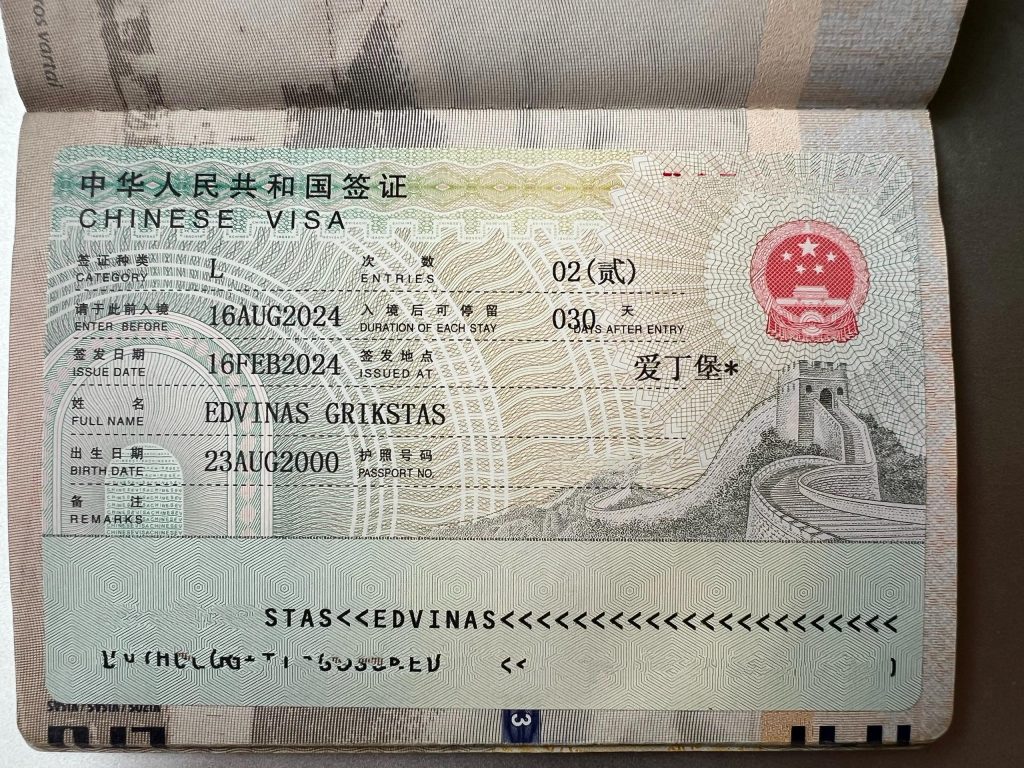
A2: Foreign travelers must have a valid passport and visa. Airlines or ships usually provide an entry card and customs declaration form before arrival. These documents, along with any additional required credentials, must be presented at the port of entry for verification.
Q3: Can I drive my own car into China?
A3: Yes, but entry is allowed only through pre-approved ports. Upon arrival, travelers must present valid passports, visas, and related documents for customs verification.
Q4: Who is not allowed to enter China?
A4: The following categories of individuals are prohibited:
People who have violated Chinese laws or were previously expelled and are not permitted to re-enter
Known or suspected terrorists, or those engaged in violent or subversive activities
Individuals involved in contraband, drug trafficking, or prostitution
People with serious mental disorders, infectious tuberculosis, or other dangerous infectious diseases
Individuals unable to cover their expenses during their stay
People engaging in activities harmful to China’s social order or national security
Travelers without valid passports, visas, or required credentials
Holders of stolen, forged, or altered documents
Those refusing document inspection
Individuals explicitly banned by the Ministry of Public Security or Ministry of State Security
Q5: Are there specific health requirements for entering China?
A5: Yes. Travelers from yellow-fever infected areas must present valid vaccination certificates. Anyone with serious mental disorders, infectious tuberculosis, or other public health hazards is not permitted entry.
Q6: What should I do if I feel unwell upon arrival in China?
A6: Travelers showing symptoms such as fever, vomiting, diarrhea, jaundice, acute measles, swollen lymph nodes, or other infectious diseases must report immediately to the inspection and quarantine authorities and comply with medical check-up procedures.
Q7: What happens if there is a plague or cholera case on my vessel or flight?
A7: China strictly prohibits the entry of plague or cholera patients.
Plague incubation period: 6 days
Cholera incubation period: 5 days
Passengers and crew exposed within these periods will be isolated and monitored according to quarantine regulations.
Q8: Can travelers with autoimmune diseases, like Graves or Hashimoto’s, enter China?
A8: Yes. These conditions are not infectious diseases, so affected individuals are allowed entry, provided they meet all other China entry requirements.
Q9: Can HIV-positive travelers or those with Hepatitis B enter China?
A9: Yes. HIV and Hepatitis B are not listed as quarantinable infectious diseases by the Chinese authorities. Travelers must carry necessary medications and follow standard entry procedures.
Q10: Can I bring e-cigarettes or cigarettes into China?
A10: Yes, but regulations apply:
E-cigarette liquid: max 12ml
Cigarettes: max 400 units
Q11: Can a person with hypertension enter China for study or business purposes?
A11: Yes, hypertension is not a restriction for entry. Travelers should ensure they have adequate medication for their stay.