In 2001, construction workers in Chengdu’s western suburbs accidentally struck something that would change the city’s history forever: a massive cache of jade, gold, and ivory buried for 3,000 years. This was the Jinsha Site Museum , and unlike many archaeological wonders hidden in remote mountains, this one sits right within the modern city’s pulse.
If Sanxingdui is the “mysterious beginning” of the ancient Shu civilization, Jinsha is its “golden peak.”
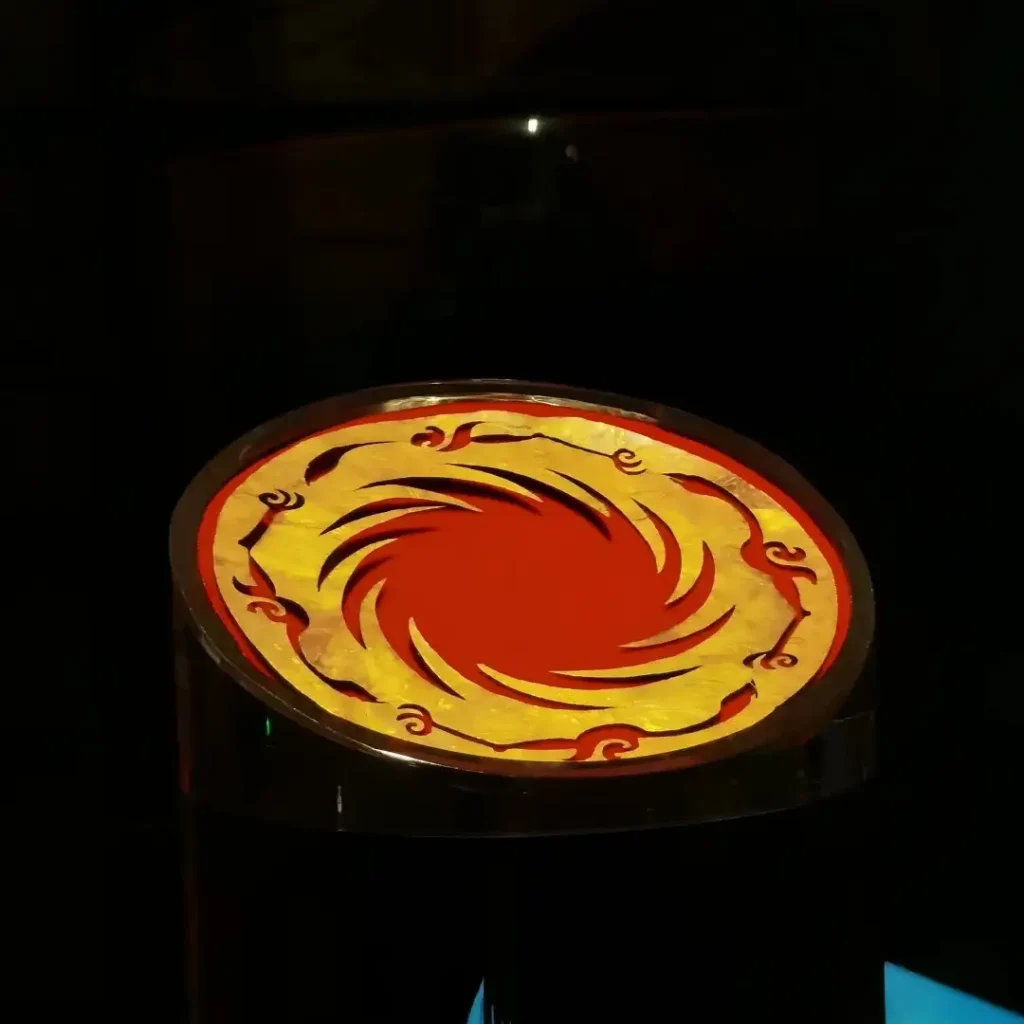
1. The Crown Jewel: The Golden Sun Bird
The most famous artifact at Jinsha—and arguably in all of China—is the Golden Sun Bird. This paper-thin foil, made of 94.2% pure gold, features four immortal birds flying around a central sun with twelve rotating rays.
- Cultural Icon: It is so significant that it was chosen as the official logo for Chinese Cultural Heritage and the city of Chengdu itself.
- Symbolism: Historians believe it represents the ancient Shu people’s worship of the sun and the cyclical nature of life. Seeing its delicate craftsmanship in person is a highlight that “will blow your mind”.
2. Walking Above History: The Relics Hall
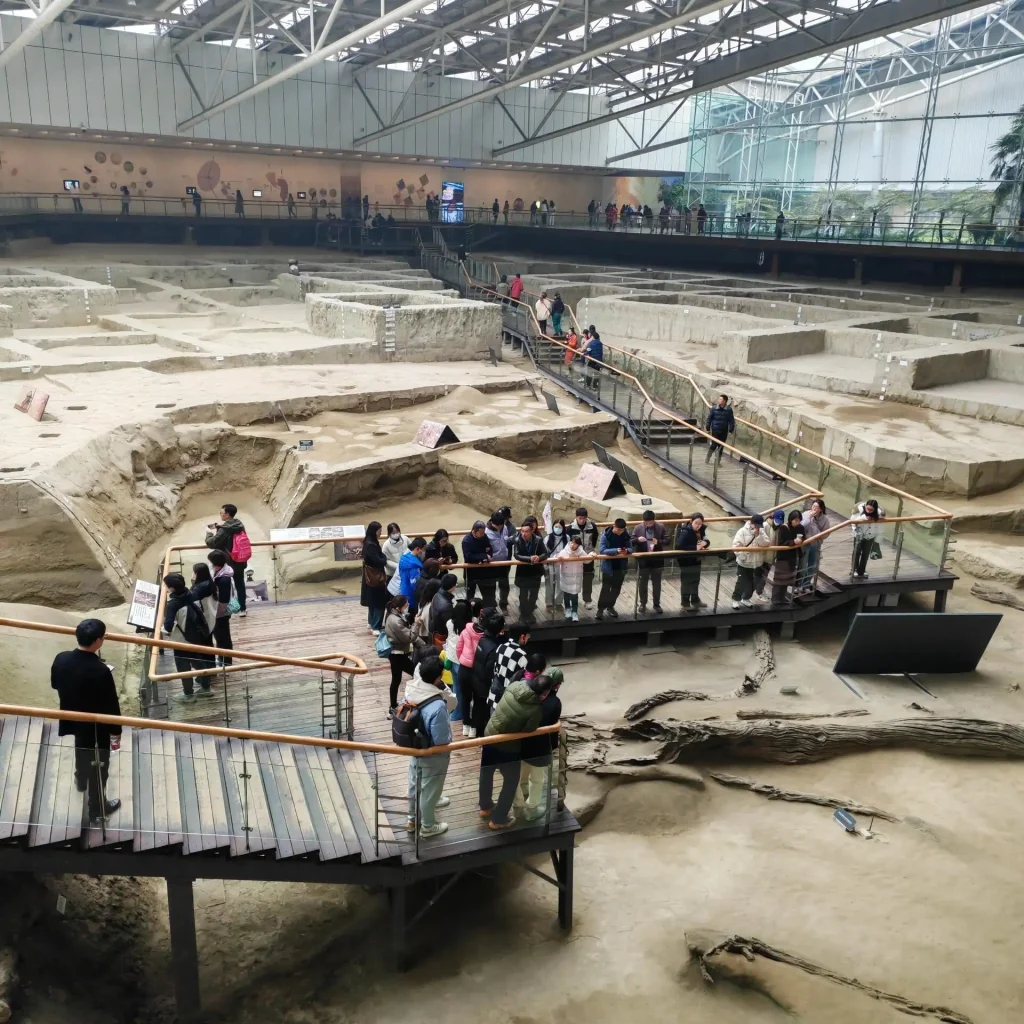
The Museum is divided into two main areas: the Relics Hall and the Exhibition Hall.
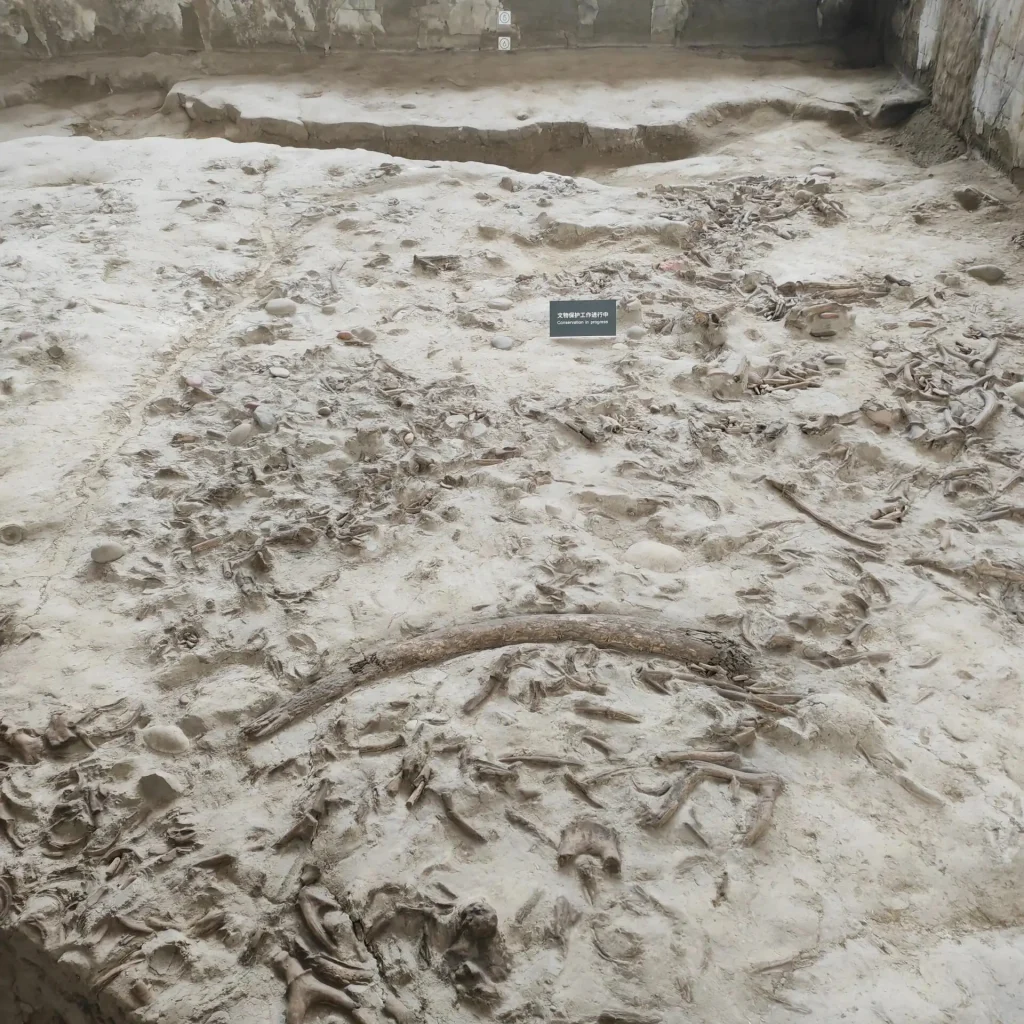
- The Excavation Site: The Relics Hall is built directly over the primary sacrificial site. You can walk along elevated glass pathways to look down at the original pits where ivory tusks, jade tools, and pottery were unearthed.
- Active Archaeology: High-tech instruments constantly monitor the humidity and UV levels to protect the remains while allowing visitors an up-close view of “urban archaeology” in action.
3. The “Sequel” to Sanxingdui
For history buffs, Jinsha is the “missing link.” Archaeologists believe that after the sudden decline of Sanxingdui, the royal capital of the Shu Kingdom shifted here to Jinsha.
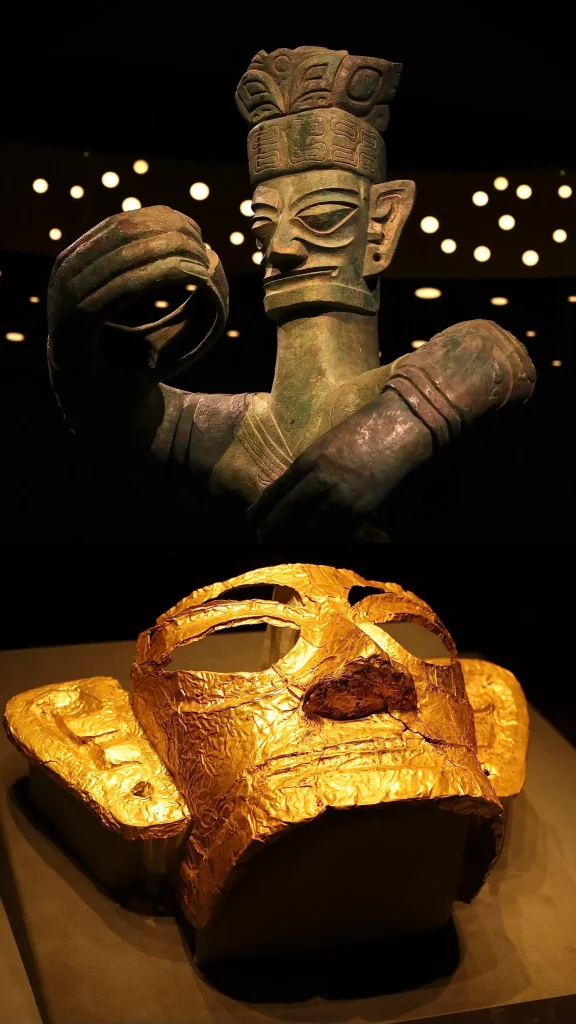
In the Exhibition Hall, you can compare the bronze styles of the two sites. While Sanxingdui is famous for its “alien-like” bronze masks, Jinsha shows a shift toward smaller, more refined gold and jade work, marking a new era of prosperity.
4. Practical Information for 2026
- Tickets: Approximately 70 RMB per person.
- Opening Hours: 09:00 – 18:00 (Check official channels for seasonal extensions).
- How to Get There: Take Metro Line 7 directly to the Jinsha Site Museum Station. It is extremely accessible compared to the 50km trip to Sanxingdui.
- Pro-Tip: Combine this with a visit to the Sichuan Museum (located nearby) for a full day of historical exploration.
Conclusion
Jinsha is where the ancient world meets the future. Standing over the sacrificial pits while hearing the distant hum of the modern city outside is a surreal experience that defines Chengdu’s dual identity.
“Jinsha is the golden bridge that connects the mysterious bronze masks of the past to the heroic legends of the future. To see how this ancient gold led to the rise of the Three Kingdoms, explore our primary history guide: Unearthing the Unknown: A Journey from the Alien-Like Masks of Sanxingdui to the Heroic Legends of Wuhou Shrine.“