
The Tang Dynasty (618–907) is renowned for possessing one of the strongest military forces in Chinese history. From the reunification of China after the fall of the Sui Dynasty to its peak in the 7th and early 8th centuries, Tang military power played a decisive role in maintaining internal stability and expanding imperial influence across East and Central Asia.
Foundation of Tang Military Strength
The foundation of Tang military power was established during the Zhenguan Reign of Emperor Taizong. Known for his strategic brilliance, Emperor Taizong personally led military campaigns against rival states and nomadic forces, laying the groundwork for Tang dominance.
Under the reigns of Emperor Taizong, Emperor Gaozong, and Empress Wu Zetian, the Tang army expanded its control across vast territories. At its height, Tang influence reached the Mongolian Plateau, northeastern China, the Korean Peninsula, and even extended into Central Asia, making the Tang Empire one of the most powerful states in the world at that time.
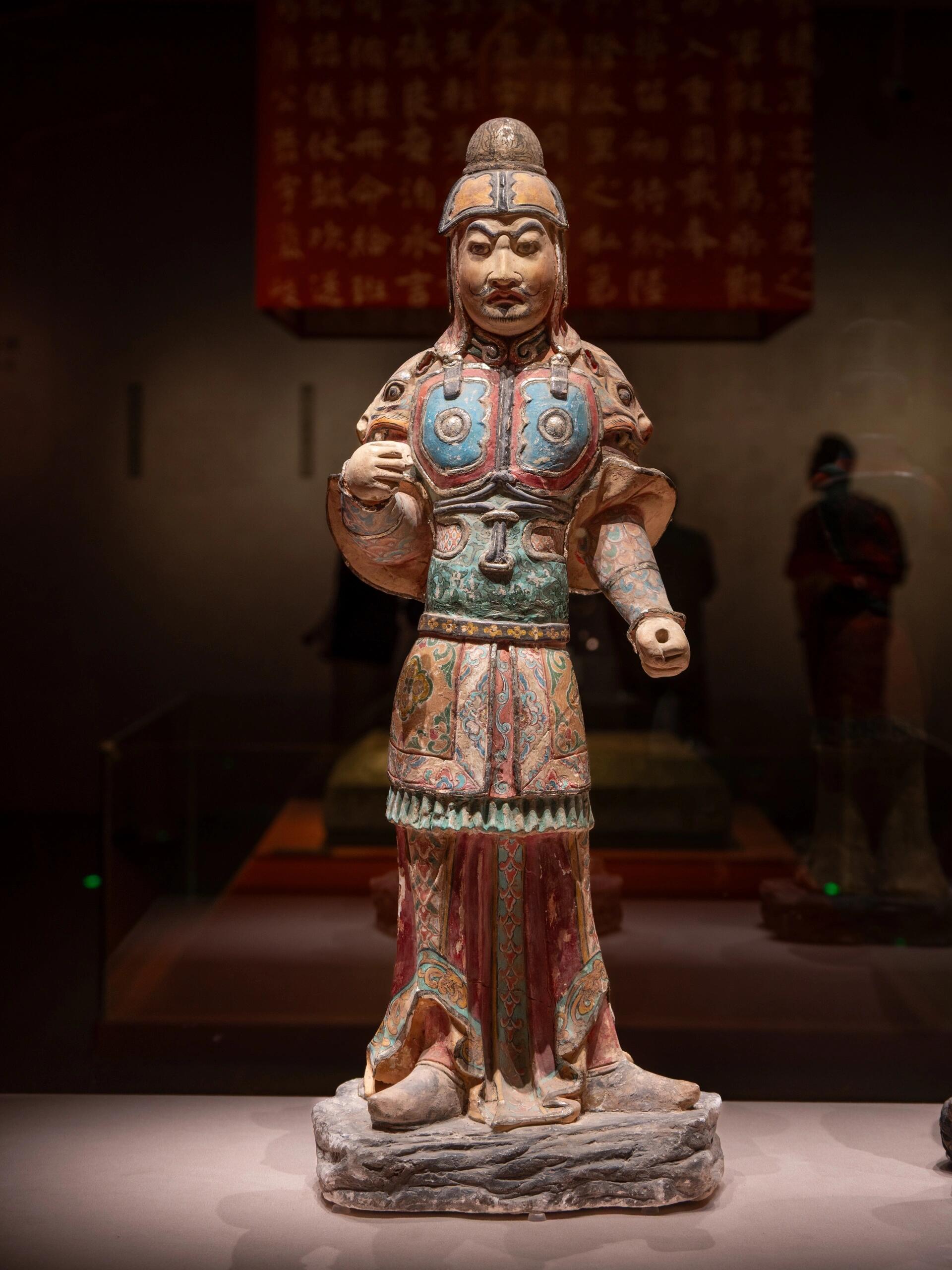
Military Organization and Centralized Command
Upon founding the dynasty, Tang emperors implemented a highly centralized military leadership system. Ultimate command of the armed forces rested firmly with the emperor, ensuring strong control over military operations.
Elite units such as the Twelve-Guardian Community, Six-General Community of the Prince’s Palace, and imperial guard forces including the Yulin Army, Longwu Guards, and Shenwu Guards were established to protect the emperor and the capital. Strict military regulations and discipline further strengthened the Tang army’s effectiveness.
However, in later periods, the appointment of eunuchs as military supervisors, though intended to reinforce imperial authority, gradually weakened central control and contributed to the rise of rebellious forces.
Reasons Behind Tang Military Success
The extraordinary strength of the Tang military was supported by several key factors:
A prosperous economy, providing sufficient supplies and funding
Advanced science and technology, improving weapons and logistics
The appointment of talented generals from diverse ethnic backgrounds, including Gaogouli, Qidan, Tujue, and Mohe
Cultural and political policies that promoted unity among different ethnic groups, strengthening soldiers’ loyalty and national pride
These combined elements created a powerful and resilient military system.
Famous Generals of the Tang Dynasty
The Tang Dynasty produced many outstanding military leaders. Renowned Han Chinese generals such as Xue Rengui, Guo Ziyi, Li Sheng, Gao Pian, as well as generals of minority origins including An Lushan, Shi Siming, Li Guangbi, and Gao Xianzhi, all played significant roles in Tang military history.
Xue Rengui (614–683) was celebrated for his successful campaigns against the Tujue, Gaogouli, and other frontier forces, greatly contributing to border security and social stability.
In contrast, An Lushan (703–757), once a powerful military governor, later led the An Lushan Rebellion, which severely weakened the Tang military system and marked a turning point in the dynasty’s decline.
Military Decline in the Late Tang Period
During the late Tang Dynasty, the traditional Fubing System, in which soldiers farmed and served without permanent commanders, was gradually replaced by the Mubing System, where troops were personally recruited and controlled by individual generals.
This shift allowed frontier commanders to build private armies, undermining central authority. Combined with internal fragmentation, repeated rebellions, and external invasions, Tang military power steadily declined, eventually contributing to the fall of the dynasty in 907.
Historical Significance
Overall, the military power of the Tang Dynasty was a cornerstone of its imperial success. Through strong leadership, effective organization, and inclusive policies, the Tang army secured both territorial expansion and long-term stability. At the same time, its later decline offers valuable lessons on the dangers of military decentralization and internal division in imperial governance.