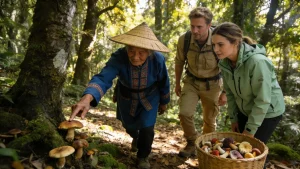
The only pictographic script still in active use on Earth, a musical tradition older than most European nations, and a matrilineal heritage that quietly shaped one of China’s most celebrated old towns.
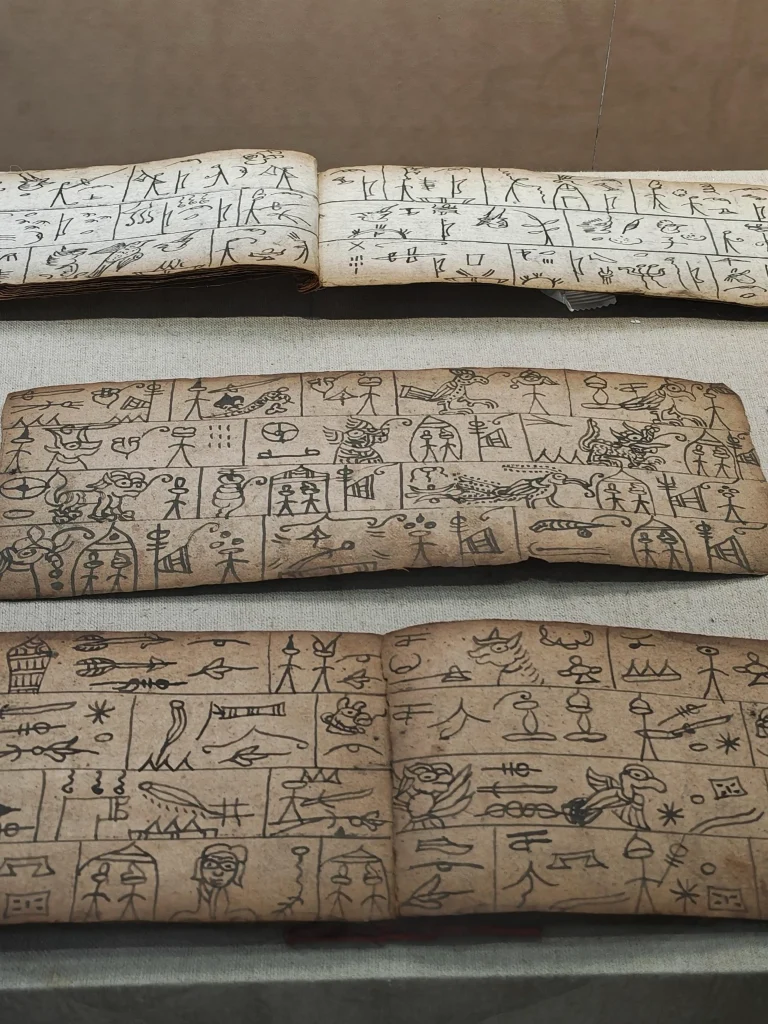
Walk through the UNESCO-listed streets of Lijiang Old Town and you’ll notice something unusual painted on shop signs, carved into doorways, and printed on souvenir postcards: small, whimsical drawings that look like a child’s doodles but are actually one of the last surviving pictographic writing systems on the planet. A stick figure with arms raised means “person.” A circle with rays means “sun.” A figure dancing beside a tree means “joy.”
This is Dongba script — the sacred writing of the Naxi people — and its survival is nothing short of extraordinary. While every other ancient pictographic writing system (Egyptian hieroglyphs, Sumerian cuneiform, Chinese oracle bones) evolved into abstract characters or disappeared entirely, the Naxi Dongba script preserved its original pictographic form for over 1,000 years. UNESCO recognized the Dongba manuscripts as a Memory of the World treasure in 2003, and the Naxi community that created them remains one of the most culturally fascinating ethnic groups in China.
This guide goes deep into Naxi culture — the Dongba religion, the writing system, the ancient music, the architecture, and the matrilineal social structures that make the Naxi unique. For how the Naxi fit into Yunnan’s broader ethnic tapestry, see our Yunnan ethnic minorities guide and Yunnan culture guide.
What this guide covers: Who the Naxi are → Dongba religion & cosmology → The pictographic writing system → Naxi Ancient Music → Architecture & daily life → Where to experience Naxi culture → Ethical engagement → FAQ.
Who Are the Naxi?
The Naxi people (population ~310,000, mostly in Yunnan) are believed to have migrated south from the Tibetan Plateau over 1,400 years ago, settling in the fertile valleys around what is now Lijiang. They established a distinctive civilization that borrowed from multiple surrounding cultures — Tibetan Buddhism, Chinese Confucianism, indigenous animism — while synthesizing them into something entirely their own.
The Naxi are historically matrilineal: women traditionally managed households, controlled finances, and played a central role in agriculture, while men focused on trade, scholarship, and religious duties. Although modern Naxi society has become more conventionally patriarchal, the matrilineal heritage is still visible — Naxi women are notably independent, commercially active, and culturally prominent in Lijiang.
The Naxi political structure was defined by the Mu family, hereditary rulers who governed Lijiang for over 450 years (1253–1723) under a system of indirect rule recognized by successive Chinese dynasties. Mu Palace in the Old Town — a restored version of the family compound — provides the best historical overview of Naxi political power. The Mu rulers were cosmopolitan patrons who invited Tibetan, Han, and Bai scholars to Lijiang, creating the cultural synthesis that defines Naxi identity.
Dongba Religion: Between Earth and Sky
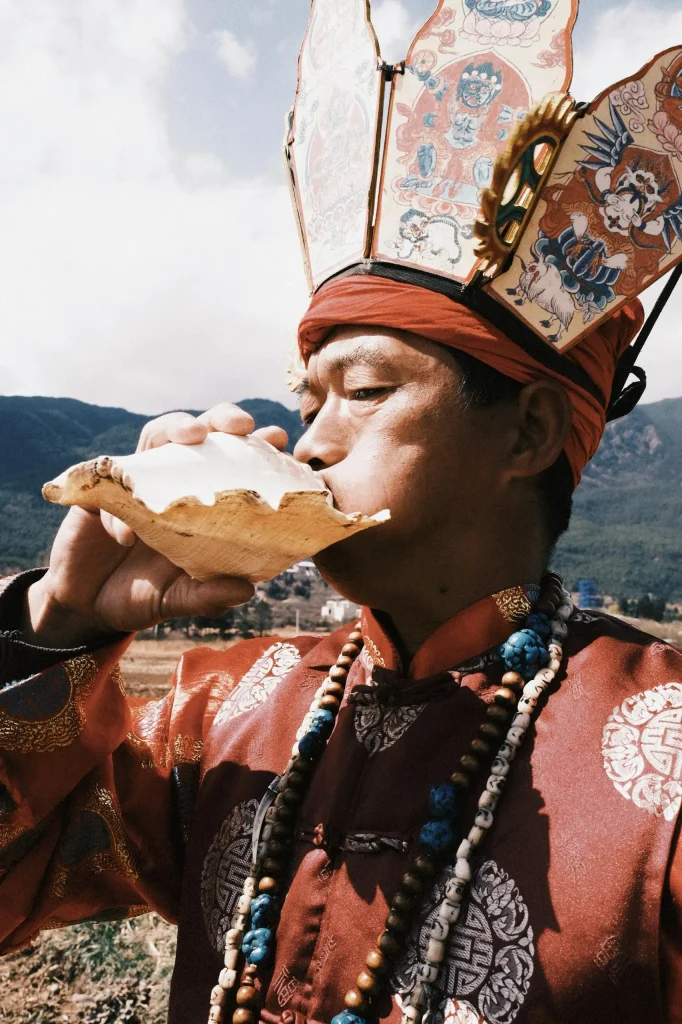
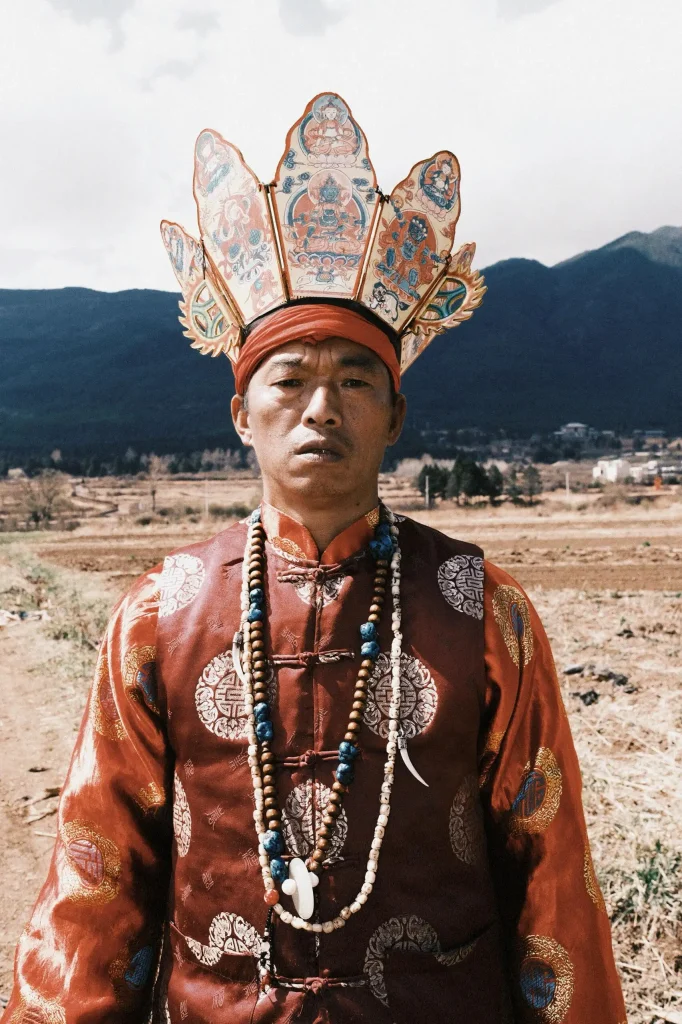
At the heart of Naxi culture is the Dongba religion — a complex animist-shamanist belief system that predates Buddhism’s arrival in the region and has survived alongside it. The name comes from the Dongba priests (dōngbā) who serve as the religion’s custodians: ritual specialists who can read the sacred pictographic texts, perform ceremonies, and mediate between the human world and the spirit realm.
Dongba cosmology centers on the relationship between humans and nature. The supreme deity, Shu (Nature), governs all natural forces. When humans and nature exist in harmony, life flourishes. When the balance is broken — through excessive hunting, logging, or disrespect — natural disasters, illness, and misfortune follow. This ecological spirituality, developed centuries before modern environmentalism, gives Naxi culture a philosophical depth that resonates powerfully with contemporary visitors.
Key Dongba rituals include the Sacrifice to Heaven (Jì Tiān), the most important annual ceremony, involving offerings to the supreme deities at sacred outdoor altars. Funeral rites, which guide the soul through a complex spiritual geography back to the ancestral homeland in the north. And propitiation ceremonies (Shǔ Gǔ), performed when natural disasters or community misfortunes indicate a broken relationship with nature spirits.
There are an estimated 30–40 practicing Dongba priests left in the Lijiang region — most elderly, though a revival effort supported by the Yunnan government and international organizations is training younger practitioners. Encountering a working Dongba priest is one of the rarest and most meaningful cultural experiences in Yunnan.
The Dongba Writing System: Pictures That Survived
The Dongba script is what makes the Naxi globally famous — and it deserves its fame. It’s the only pictographic writing system in the world that remained in active ceremonial use into the modern era, and its survival is a direct result of the Dongba religion’s oral-textual tradition: priests learned to read and write the script as part of their religious training, passing it from master to apprentice across generations.
The script contains approximately 1,400 characters, each one a miniature drawing. Some are directly representational: a circle is the sun, a crescent is the moon, a figure holding a staff is a priest. Others are more metaphorical: “love” is depicted as two figures facing each other with a red symbol between them. “War” shows figures with weapons and flames. The characters can be combined to form complex narratives — the Dongba manuscripts contain over 20,000 volumes covering everything from creation myths to funeral rites to medical prescriptions.
UNESCO inscribed the Dongba manuscripts as a Memory of the World in 2003, recognizing them as “a unique pictographic writing tradition that constitutes one of the great documentary heritages of the world.” The Lijiang Dongba Culture Research Institute houses the largest collection of original manuscripts and offers guided tours.
Where to See Dongba Script in Action
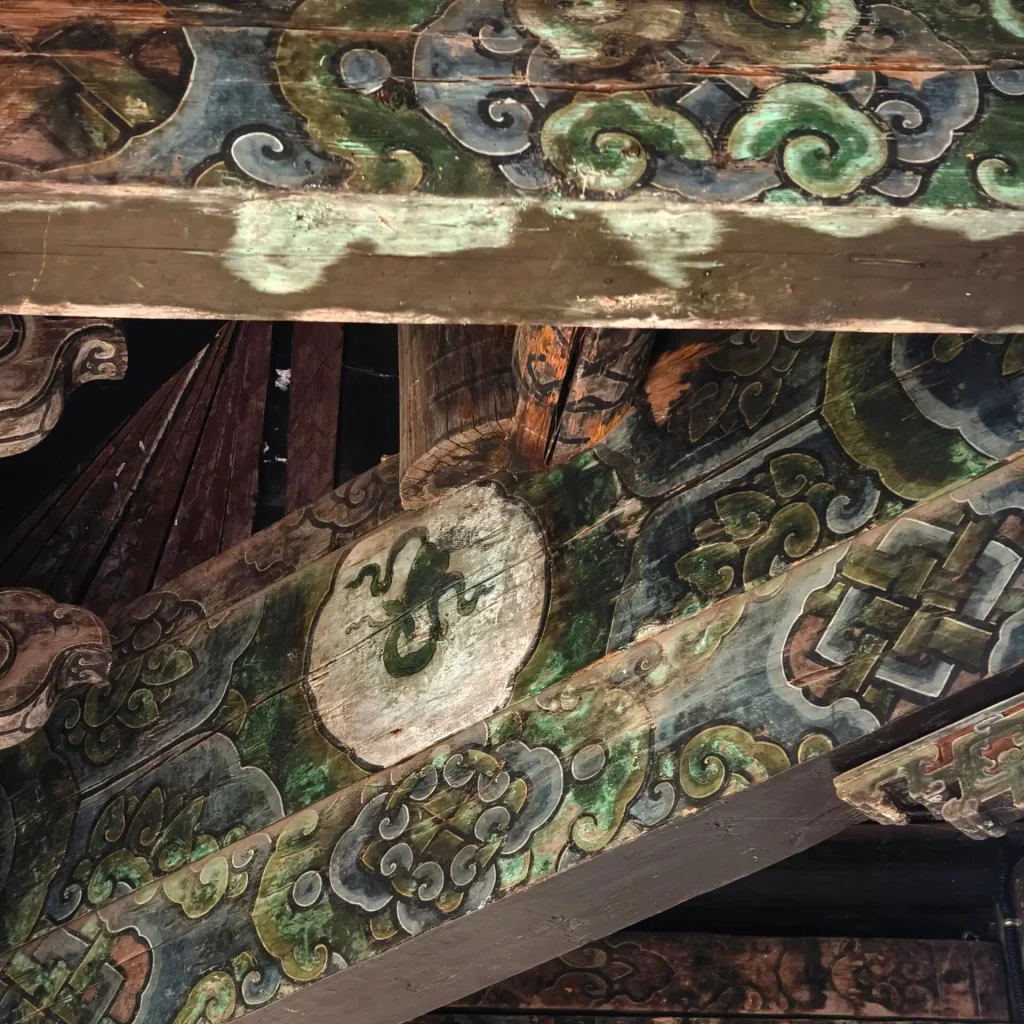
Baisha Village: The former Naxi capital, 10 km north of Lijiang Old Town, is where Naxi culture feels most alive. Several Dongba workshops here welcome visitors to watch priests paint pictographic characters on handmade paper, explain the meaning of key symbols, and purchase authentic Dongba art directly from the makers. The Baisha Murals — painted between the 14th and 17th centuries — blend Dongba, Buddhist, and Daoist imagery in a style found nowhere else.
Dongba Palace (Dōngbā Gōng): In the Lijiang Old Town, this cultural center hosts regular demonstrations of Dongba calligraphy and ritual arts. The exhibitions provide good context for understanding the script’s structure and religious function.
Lijiang Dongba Culture Museum: On Black Dragon Pool, this museum offers the most comprehensive academic overview of the Dongba tradition — manuscripts, ritual objects, priest’s vestments, and multimedia presentations.
Naxi Ancient Music: Sounds from a Lost Dynasty
If the Dongba script is the Naxi visual legacy, the Naxi Ancient Music (Nàxī Gǔyuè) is the auditory one — and it’s equally extraordinary. The ensembles perform pieces originally composed during China’s Tang (618–907) and Song (960–1279) dynasties — music that was lost everywhere else in China during centuries of war and cultural upheaval but was preserved in Lijiang by Naxi musicians who passed the scores and performance techniques from generation to generation.
The musicians themselves are part of the spectacle. Most are elderly men — some in their 80s and 90s — dressed in traditional robes, playing instruments (guqin, erhu, flute, percussion) that in some cases are centuries old. The atmosphere of a Naxi Ancient Music performance — hearing sounds from a dynasty that fell a thousand years ago, performed by men who learned from their grandfathers, who learned from theirs — is genuinely moving.
Where to attend: The Naxi Ancient Music Association performs nightly in the Lijiang Old Town (Dayan Ancient Music Hall, near Sifang Square). Performances last about 90 minutes and cost ¥120–160. The Dayan troupe, led by the late Xuan Ke (a legendary local musicologist who almost single-handedly revived the tradition), is the most famous. Arrive 15 minutes early for a good seat.
Naxi Architecture & Daily Life
The Naxi built Lijiang without a city wall — unusual for a Chinese town of its era — reflecting a confidence in their natural mountain defenses and a cosmopolitan openness to trade. The Old Town’s layout follows the flow of water: canals fed by the Black Dragon Pool spring snake through the streets, and every home was designed to incorporate running water for cooking, washing, and irrigation.
Traditional Naxi courtyard homes (sì hé wǔ tiān jǐng — “four buildings, five courtyards”) are built from wood and adobe, with tile roofs, carved wooden screens, and inner courtyards planted with flowers and fruit trees. The best-preserved examples are in Baisha and the northern residential lanes of the Old Town — the same streets that are quietest and least commercialized.
Modern Naxi life in Lijiang balances tradition and change. Many families still maintain ancestral homes and participate in festivals, but younger Naxi increasingly pursue education and careers outside the Old Town. The Dongba revival effort — supported by cultural institutions, the tourism economy, and genuine community pride — represents an active negotiation between preservation and adaptation.
The Naxi Calendar of Rituals
Sanduo Festival (Sānduo Jié): The most important Naxi festival, held on the 8th day of the 2nd lunar month (usually February or March). Sanduo is the Naxi patron deity — a war god who protects the community. Celebrations include animal sacrifices, horse racing, archery, and communal feasting at the Sanduo Temple north of Lijiang. For the full festival details and how to plan around it, see our Yunnan festivals guide.
Bangbang Festival (Bàngbàng Huì): A unique Naxi market festival held around the 15th day of the 1st lunar month, where villagers bring wooden farming tools to sell and trade. It’s a charming, very local event with no tourist infrastructure — just Naxi farmers doing what they’ve done for centuries.
Torch Festival: While primarily a Yi tradition, Naxi communities also celebrate with bonfires and street gatherings in late July or early August.
Experiencing Naxi Culture: A Practical Guide
Start in Baisha. Cycle from Lijiang Old Town (20 min, flat road) to the original Naxi capital. Visit the Baisha Murals, watch a Dongba calligraphy demonstration, and walk the quiet village streets where Naxi daily life is most visible.
Attend the Ancient Music. Evening performances at Dayan Ancient Music Hall are the most accessible window into Naxi musical heritage. Budget 90 minutes.
Explore Mu Palace. The restored seat of the Naxi rulers provides the best historical overview of Naxi political and cultural life. The view from the palace rooftop is excellent.
Hire a Naxi guide. A local Naxi guide who can explain Dongba script, translate market conversations, and share family stories transforms the experience from sightseeing into cultural understanding. Ask at your guesthouse or at the Dongba Palace.
Visit Shuhe. The smaller old town, 4 km from Dayan, has a quieter Naxi atmosphere and was historically a leather-working center on the Tea Horse Road.
For the complete Lijiang planning — mountain trips, day trips, food, and transport — see our Lijiang travel guide. For Lijiang’s food scene, including Naxi copper-pot rice and Lijiang baba, see our food guide.
Dongba is the world’s only pictographic writing system still in active ceremonial use. Created by the Naxi people over 1,000 years ago, it contains about 1,400 characters — each a miniature drawing representing a word or concept. The script is used by Dongba priests to read sacred manuscripts covering everything from creation myths to funeral rites. UNESCO recognized the Dongba manuscripts as a Memory of the World in 2003.
Yes. In Baisha village (10 km from Lijiang Old Town), several Dongba workshops welcome visitors to watch priests paint pictographic characters and explain their meanings. The Dongba Palace in the Old Town also hosts regular calligraphy demonstrations. The Lijiang Dongba Culture Museum on Black Dragon Pool provides the most comprehensive academic overview.
Ensembles of elderly Naxi musicians performing pieces from the Tang and Song dynasties (7th–13th centuries) that were lost everywhere else in China. The music, instruments, and performance techniques have been passed down through generations. Nightly performances at Dayan Ancient Music Hall in Lijiang are the most accessible way to experience this tradition (¥120–160, ~90 minutes).
China officially classifies the Mosuo as a branch of the Naxi, but the Mosuo consider themselves a distinct group — and culturally, they are. The Mosuo live around Lugu Lake and practice a matrilineal system with ‘walking marriages,’ while the Naxi of Lijiang have a different social structure, religion (Dongba), and artistic tradition. They share some ancestral roots but are functionally separate cultures.
Start in Baisha rather than the touristy Old Town for a more authentic Naxi experience. Hire a local Naxi guide for cultural context. Ask before photographing Dongba priests or elders. Buy Dongba art directly from artists rather than mass-produced souvenir shops. Attend the Ancient Music with genuine interest, not just as a checkbox. If you witness a ceremony, observe respectfully.