One river, two worlds. The Huangpu River splits Shanghai into its two most famous identities: Puxi (West of the river) and Pudong (East of the river). For a first-time visitor in 2026, choosing the right side can define your entire experience.
Should you wake up to the 1920s charm of the French Concession or the 21st-century skyline of Lujiazui? Here is the breakdown to help you decide.
Puxi: The Heritage Heart (Old Shanghai)
Puxi is where the history of Shanghai breathes. It represents the city’s early days as a global trading center and retains much of its colonial and traditional character.
Why stay in Puxi?
- Character & Charm: This side is home to the Former French Concession (FFC) and Jing’an, known for leafy, tree-lined streets, boutique bistros, and historic villas.
- Walkability: Unlike the massive blocks of Pudong, Puxi is highly walkable. You can spend hours wandering through “Lilong” (alleyways) or strolling the Nanjing Road Pedestrian Street.
- Nightlife & Dining: Most of the city’s best speakeasies, jazz clubs (like the legendary Fairmont Peace Hotel), and Michelin-recommended street food are located here.
- The “Iconic View”: Many experts recommend staying in Puxi specifically so you can look across the river at the glowing Pudong skyline—the most famous photo-op in China.
Top Puxi Neighborhoods:
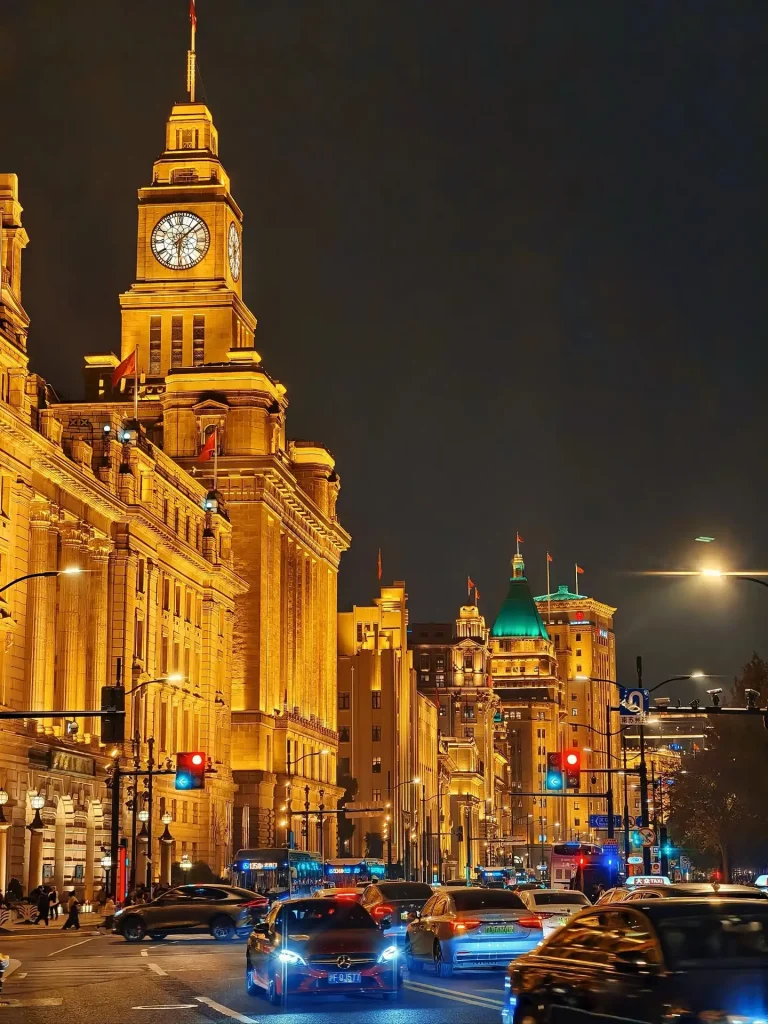
- The Bund/Nanjing Road: For those who want to be in the middle of everything.
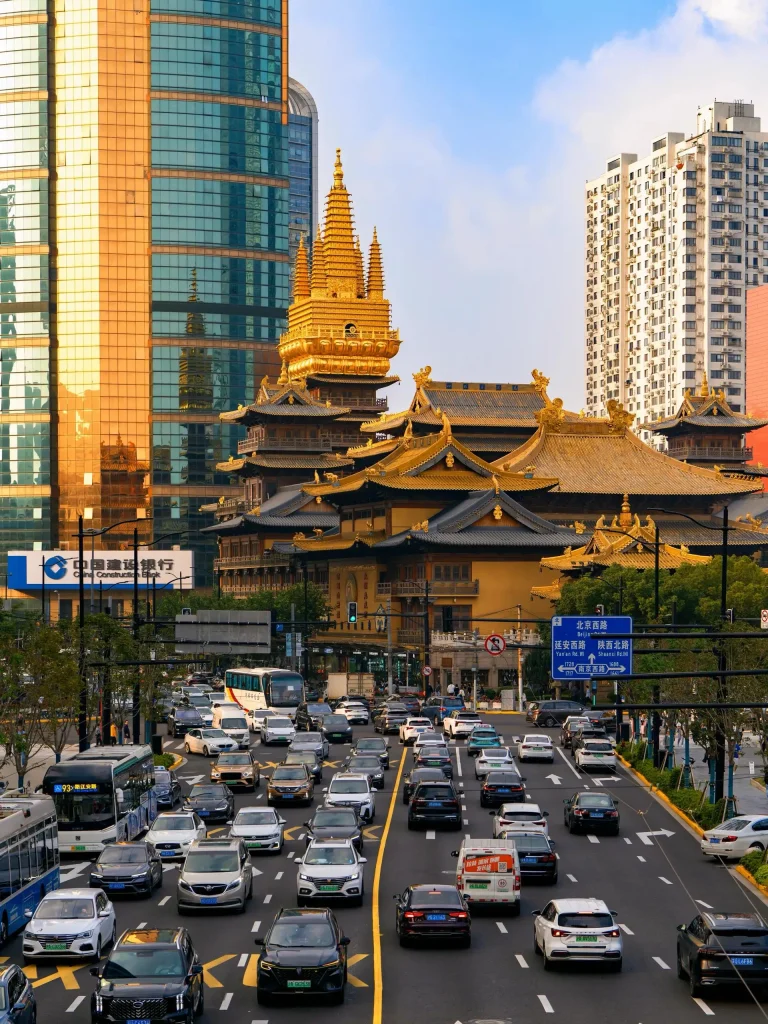
- Jing’an: A perfect mix of modern malls and ancient temples, ideal for high-end boutique hotels.
Pudong: The Futuristic Hub (New Shanghai)
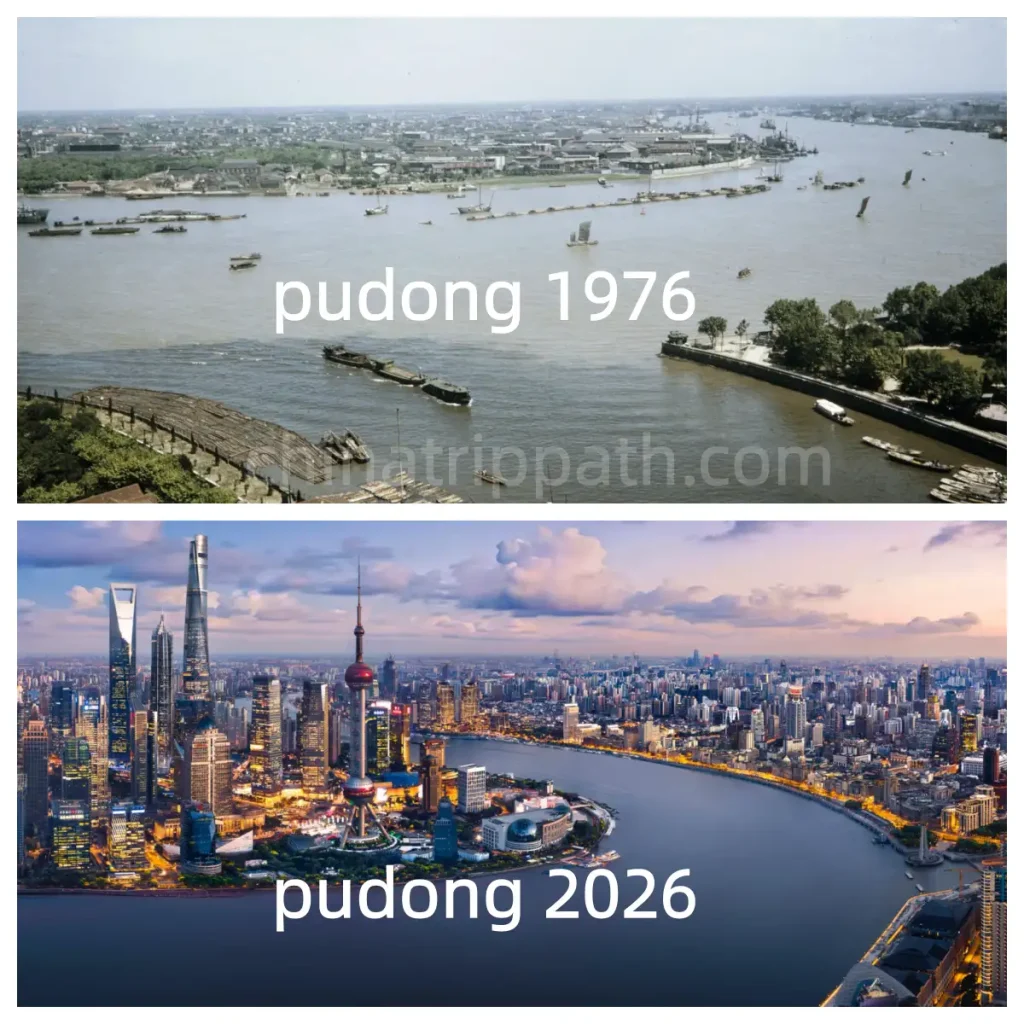
Pudong was mostly farmland 40 years ago. Today, it is the financial engine of Asia, characterized by its “Three-Piece Set” of super-tall skyscrapers.
Why stay in Pudong?
- Luxury & Scale: If you want a room on the 80th floor with a bird’s-eye view of the city, Pudong is your place. It hosts the world’s most prestigious luxury hotel chains.
- Business Efficiency: If you are visiting for the CIIE or other trade fairs, staying in Lujiazui puts you close to the major financial centers.
- Family Friendly: With wider sidewalks and proximity to attractions like the Shanghai Ocean Aquarium and Disney Resort (via Line 11), it can be less overwhelming for families.
- Modern Infrastructure: The malls here are massive, air-conditioned, and feature futuristic dining experiences like SPACELAB.
Top Pudong Neighborhoods:
Lujiazui: The financial district, home to the Shanghai Tower and Oriental Pearl Tower.
Comparison Table: At a Glance
| Feature | Puxi (West Bank) | Pudong (East Bank) |
| Vibe | Historic, European, Cozy | Futuristic, Massive, Corporate |
| Accommodation | Boutique, Heritage, 4-star | Luxury, Skyscrapers, Modern |
| Best For | Foodies, History buffs, Walkers | Business, Views, Families |
| Crowds | Bustling local life | Busy office workers / Tourists |
Moving Between the Two
In 2026, crossing the river is seamless, meaning you aren’t “stuck” on one side:
- Metro Line 2: The “Green Line” connects the main hubs of both sides (Jing’an/Bund to Lujiazui).
- Public Ferry: For just 2 RMB, you can take a 5 minute ferry ride with the locals—the most authentic (and cheapest) way to see the skyline.
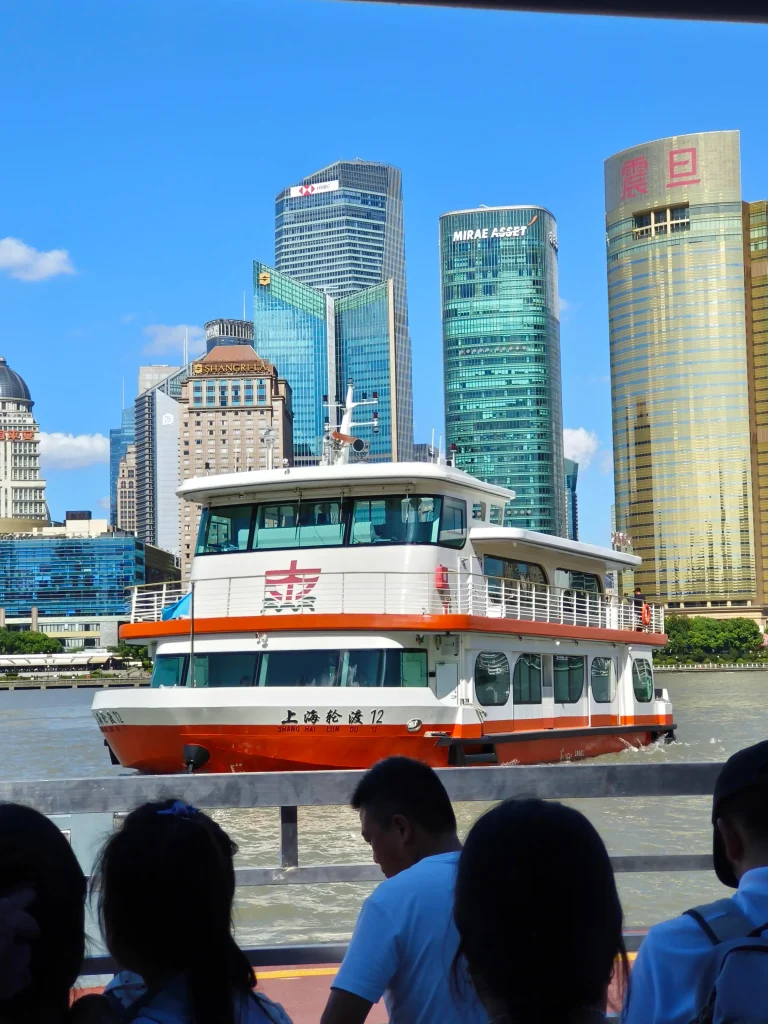
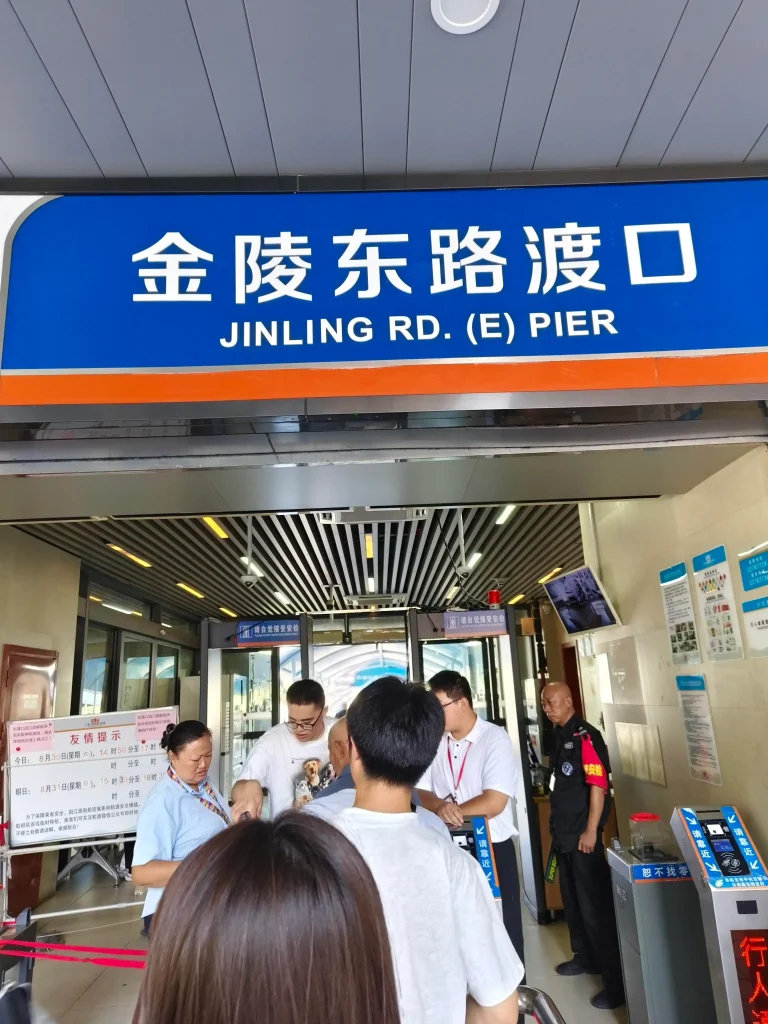
- Bund Sightseeing Tunnel: A psychedelic light-show train that runs under the river. It’s a bit of a tourist trap, but kids love it.
For a complete look at how to balance your Shanghai itinerary, head back to our 《Shanghai Travel Guide 2026》