
The Qing Dynasty (1644–1911) was the final imperial dynasty in Chinese history. Founded by the Manchu people, it ruled China for nearly three centuries and played a crucial role in shaping the country’s transition from a traditional empire to the modern era.
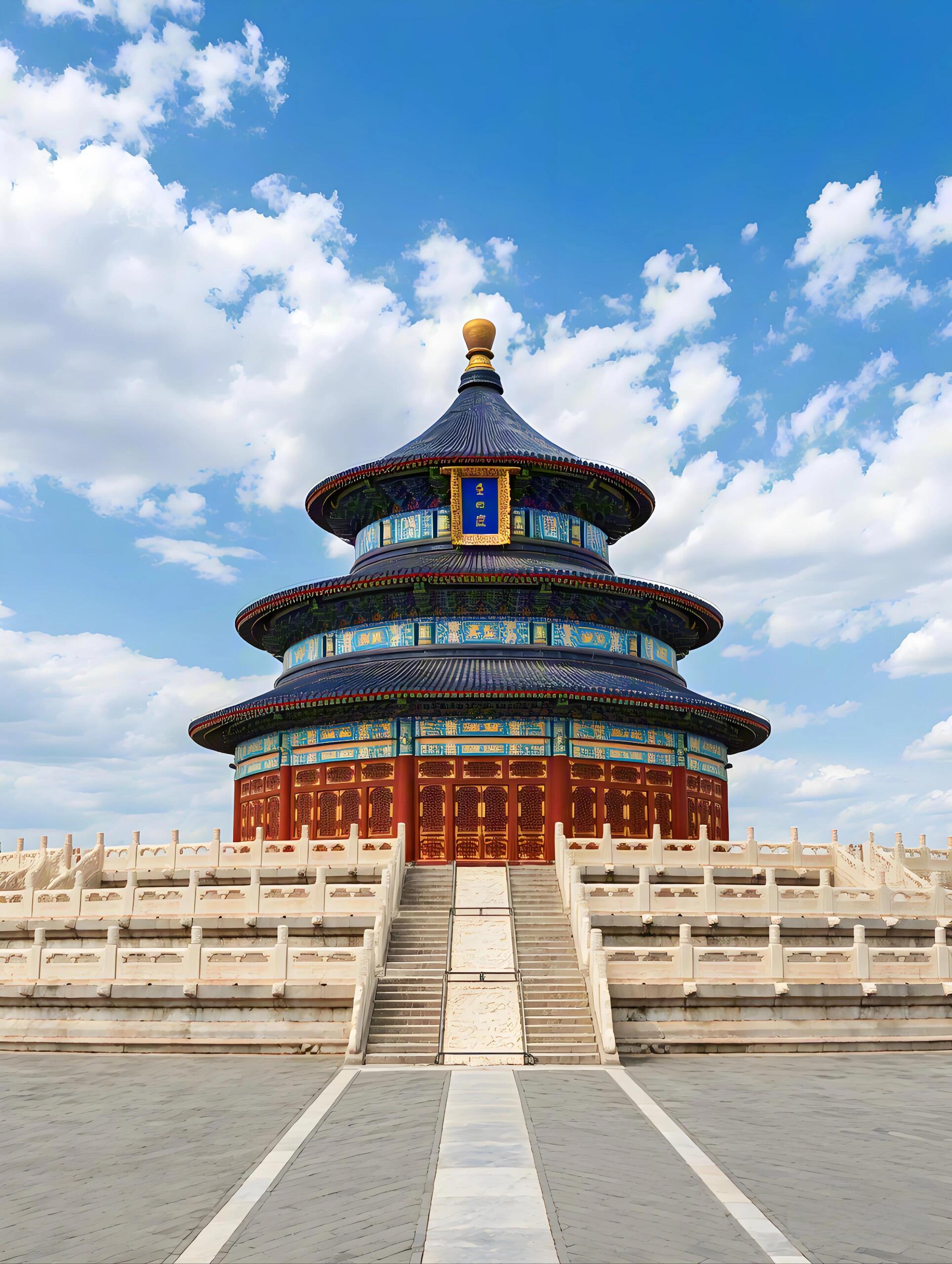
Origins of the Qing Dynasty: From Later Jin to Qing
Before the Qing Dynasty was officially established, the Manchu leader Nurhaci founded a state known as the Later Jin in 1616 after unifying the Jurchen tribes in northeast China. This marked the rise of a powerful new force on China’s northern frontier.
In 1636, Nurhaci’s son Huang Taiji renamed the regime “Qing” and moved the capital to Shenyang. These reforms laid the political and military foundation for the dynasty’s future expansion into central China.
Entering China Proper and Establishing Rule
In 1644, the Ming Dynasty collapsed amid widespread rebellion. With the assistance of the Ming general Wu Sangui, Qing forces entered Beijing and quickly established it as their capital. This event marked the beginning of Qing rule over China.
The Qing government largely adopted the administrative system of the Ming while strengthening centralized imperial authority. It also expanded effective control over frontier regions such as Tibet, Xinjiang, Mongolia, and Taiwan, helping to shape China’s modern territorial boundaries.
The Golden Age: Prosperity under Kangxi, Yongzheng, and Qianlong
The mid-18th century represented the height of Qing power, commonly known as the “Golden Age of the Three Emperors”, referring to the reigns of Emperor Kangxi, Emperor Yongzheng, and Emperor Qianlong.
During this period, agriculture, commerce, and handicrafts flourished. Culture and scholarship reached new heights, highlighted by the compilation of The Complete Library of the Four Treasuries. Literary giants such as Cao Xueqin, author of Dream of the Red Chamber, also emerged, while architecture and imperial gardens achieved remarkable sophistication.
Decline of the Qing Dynasty: Internal Crisis and Foreign Pressure
From the 19th century onward, the Qing Dynasty faced growing internal unrest, official corruption, and population pressure. At the same time, Western powers began to challenge China militarily and economically.
The Opium War of 1840 marked a turning point, forcing China to open its doors to foreign influence. Reform efforts such as the Self-Strengthening Movement and the Hundred Days’ Reform attempted to modernize the empire but ultimately failed to reverse its decline.
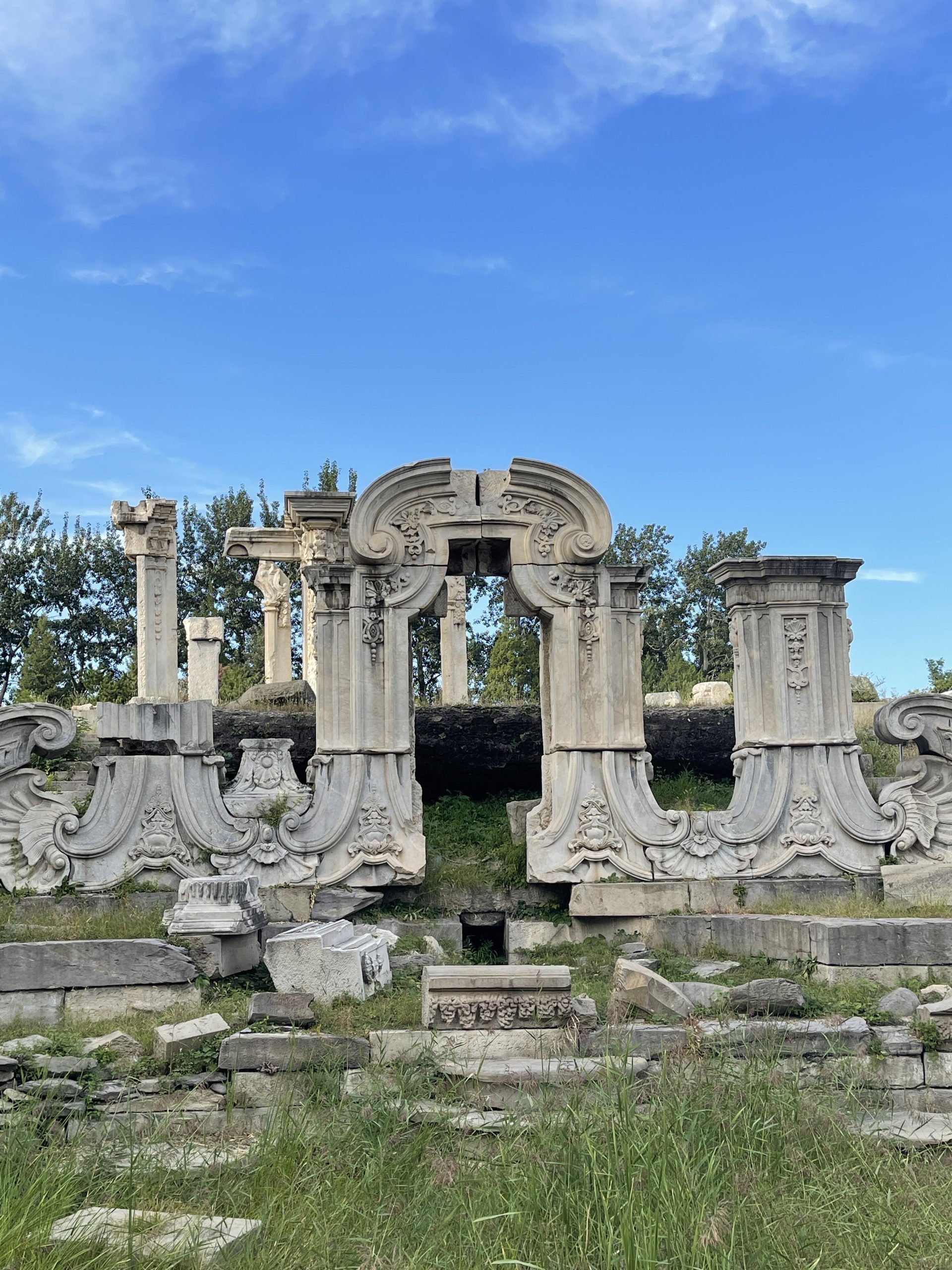
Fall of the Qing Dynasty and the End of Imperial China
In 1911, the Xinhai Revolution, led by Sun Yat-sen, overthrew the Qing government. The last emperor, Puyi, abdicated the throne, bringing more than two thousand years of imperial rule in China to an end.
The fall of the Qing Dynasty marked a historic transition, paving the way for the Republic of China and a new chapter in Chinese history.
Why the Qing Dynasty Matters Today
As the last imperial dynasty of China, the Qing left a lasting legacy in politics, culture, architecture, and territorial formation. Understanding Qing history offers valuable insight into modern China’s identity and its complex path toward modernization.
Emperors of the Qing Dynasty (1644–1911)
| Order | Emperor | Key Highlights | Reign |
|---|
| 1 | Emperor Taizu (Nurhaci) | Founder of the Later Jin state and creator of the Banner System, which became the military backbone of the Qing Dynasty. | 1616–1626 |
| 2 | Emperor Taizong (Huang Taiji) | Consolidated Manchu power, renamed the state Qing, and laid the foundation for ruling China proper. | 1626–1643 |
| 3 | Emperor Shunzhi (Fulin) | First Qing emperor to rule from Beijing after the conquest of the Ming Dynasty. | 1643–1661 |
| 4 | Emperor Kangxi (Xuanye) | One of China’s greatest emperors; his long reign marked the beginning of the Qing Dynasty’s golden age. | 1661–1722 |
| 5 | Emperor Yongzheng (Yinzhen) | A capable and reform-minded ruler who strengthened administration and maintained national stability. | 1722–1735 |
| 6 | Emperor Qianlong (Hongli) | Oversaw the empire at its territorial and cultural peak, though signs of decline emerged late in his reign. | 1735–1796 |
| 7 | Emperor Jiaqing (Yongyan) | Attempted to curb corruption and restore discipline after years of excess during the late Qianlong era. | 1796–1820 |
| 8 | Emperor Daoguang (Minning) | Faced mounting internal problems and foreign pressure, including the outbreak of the First Opium War. | 1820–1850 |
| 9 | Emperor Xianfeng (Yizhu) | His reign witnessed severe internal rebellions, notably the Taiping Rebellion, signaling rapid decline. | 1850–1861 |
| 10 | Emperor Tongzhi (Zaichun) | Ruled under the influence of Empress Dowager Cixi; died young before implementing lasting reforms. | 1861–1875 |
| 11 | Emperor Guangxu (Zaitian) | Supported reform movements such as the Hundred Days’ Reform, but lacked real political power. | 1875–1908 |
| 12 | Emperor Xuantong (Puyi) | The last emperor of China; abdicated after the 1911 Xinhai Revolution, ending imperial rule. | 1908–1911 |