Gorge hikes that rank among the planet’s best. Sunrise over 1,300-year-old rice terraces. Wild mushroom hot pots that might make you hallucinate. Here are the 20 experiences that make Yunnan unforgettable.
Most provinces in China offer you one kind of trip. Yunnan offers you five. In the space of two weeks, you can trek above a roaring river gorge, cycle around a mirror-still highland lake, watch a Tibetan monk debate scripture at a 300-year-old monastery, eat cheese made by a grandmother in a Bai village, and get deliberately drenched at a water fight that involves an entire city. The experience density here is extraordinary — and it’s the reason travelers who come for a week often end up staying for a month.
This isn’t a generic bucket list. We’ve organized these 20 experiences into five categories — natural wonders, ancient towns, cultural encounters, food adventures, and off-the-beaten-path gems — so you can mix and match based on your interests and route. Each one links to a detailed guide with practical information. And if you’re still figuring out the big picture, start with our ultimate Yunnan travel guide for an overview of the province.
How to use this list: We’ve organized these 20 picks into five themes. Jump to what excites you most: Natural Wonders → Ancient Towns → Cultural Encounters → Food Adventures → Hidden Gems. Each entry includes a practical tip and links to our full guide.
Epic Landscapes & Natural Wonders
Yunnan’s terrain spans from 76m above sea level to nearly 6,740m. That vertical range produces some of the most dramatic scenery on the continent — gorges, terraces, snow peaks, and karst formations that look like they belong on another planet.
1. Hike Tiger Leaping Gorge
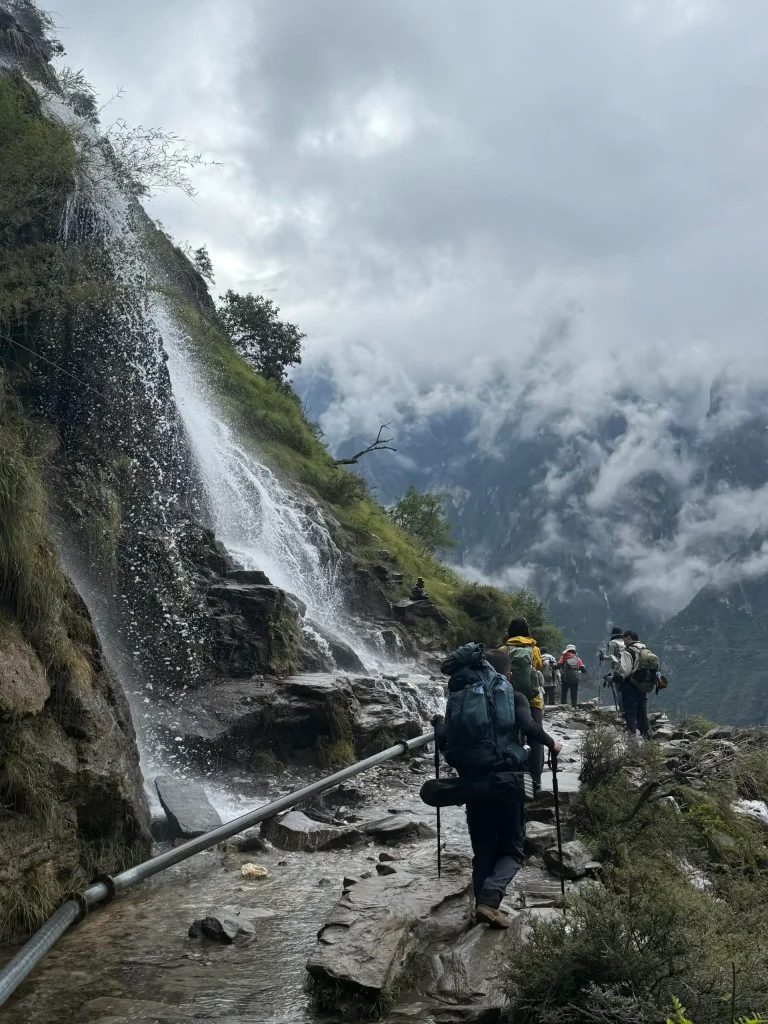
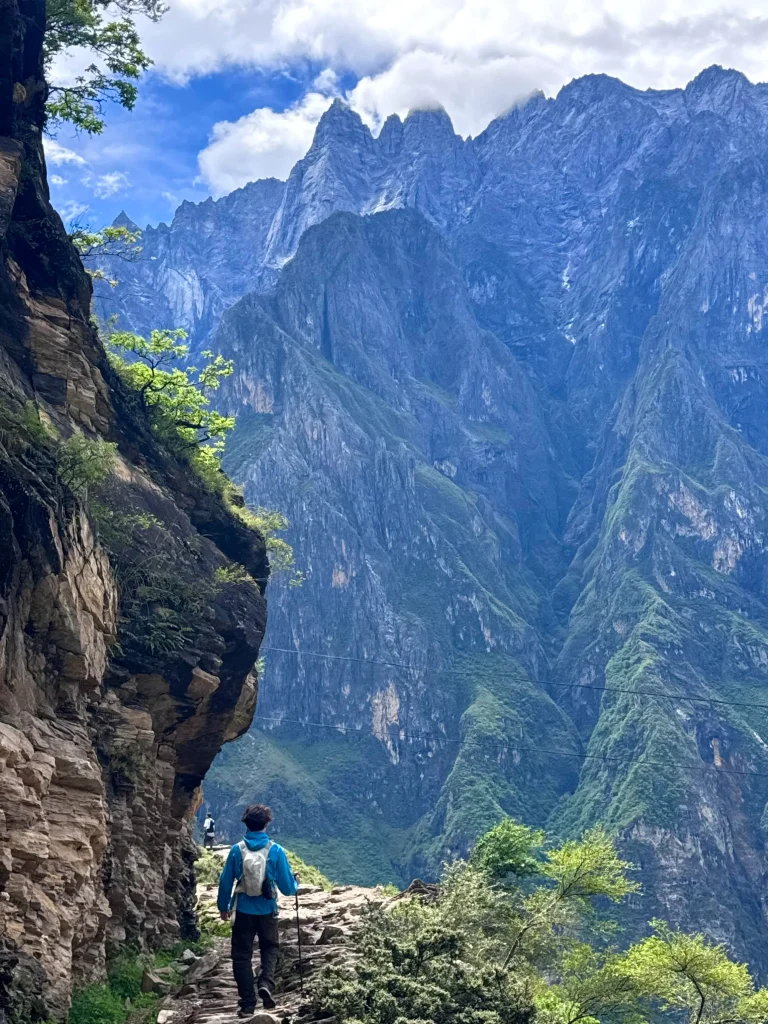
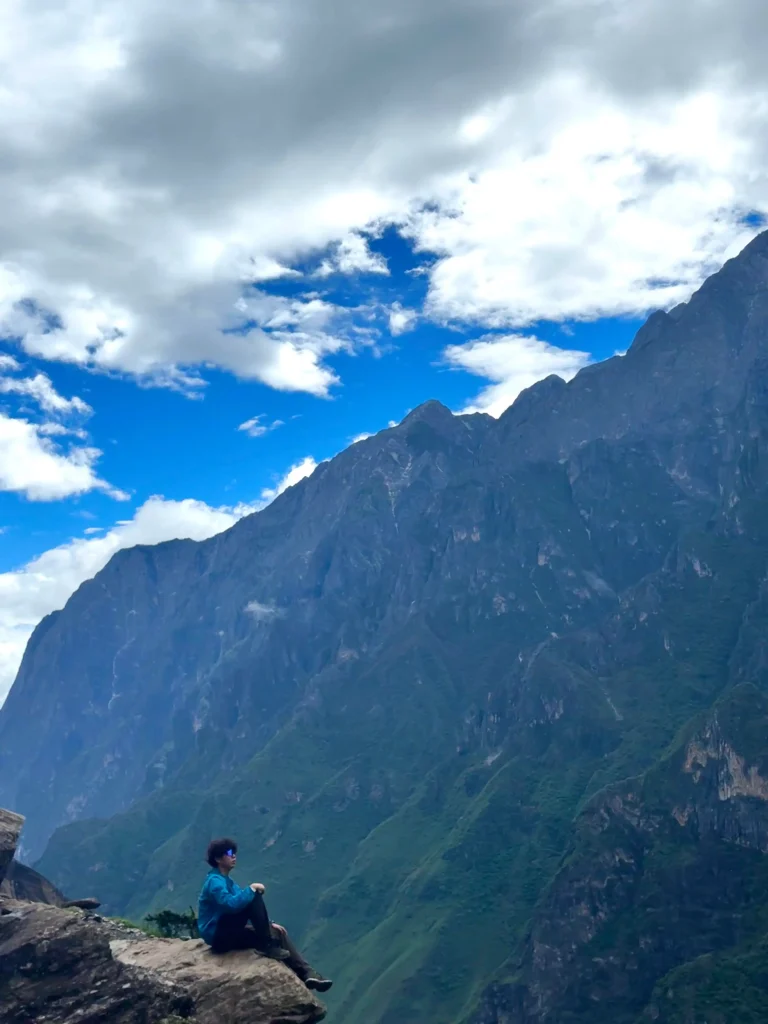
The trail hugs a cliff face 2,000 meters above the Yangtze River, and for a while the only sounds are your own breathing, the distant roar of rapids below, and the occasional rockfall reminder that these mountains are still very much alive. Tiger Leaping Gorge is consistently ranked among the world’s top day-to-multi-day treks — and unlike many of them, it requires no permits, no guides, and no technical skills. Just decent fitness and a tolerance for vertigo.
The classic high trail takes two days and one night, starting from Qiaotou and finishing near Tina’s Guesthouse. September through November offers the clearest skies and driest trails. Start from the Qiaotou end — you’ll have the sun at your back all morning, and the gorge reveals itself gradually rather than all at once. For the complete route breakdown, packing list, and guesthouse recommendations, read our Tiger Leaping Gorge hiking guide.
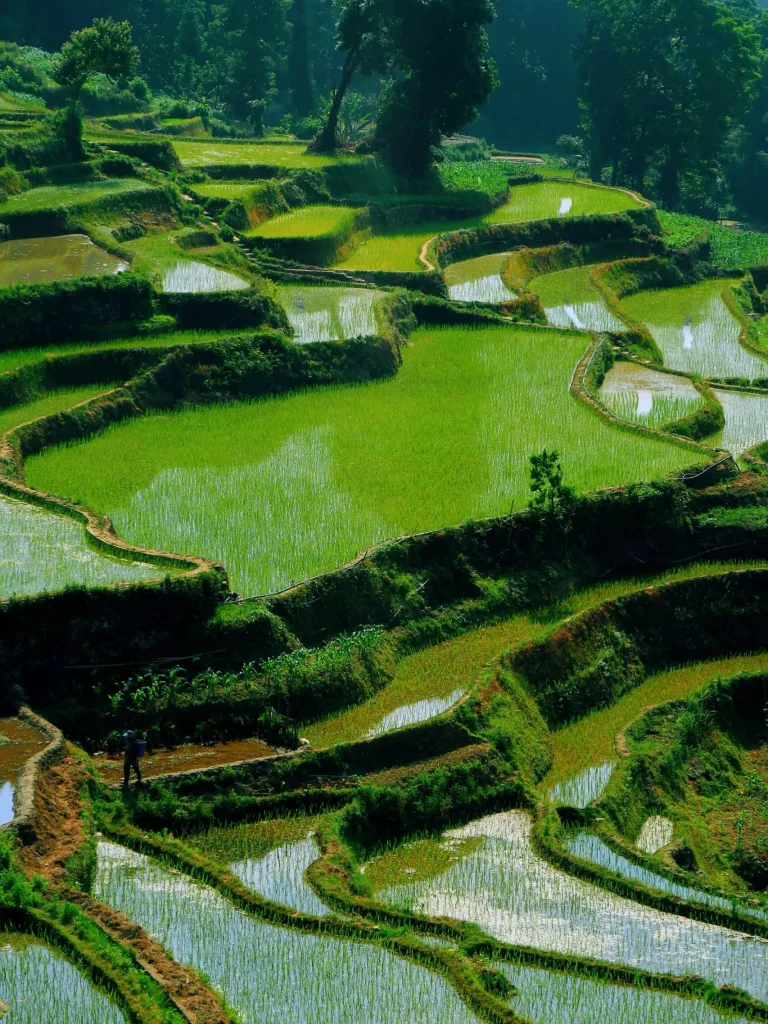
2. Watch Sunrise Over Yuanyang Rice Terraces
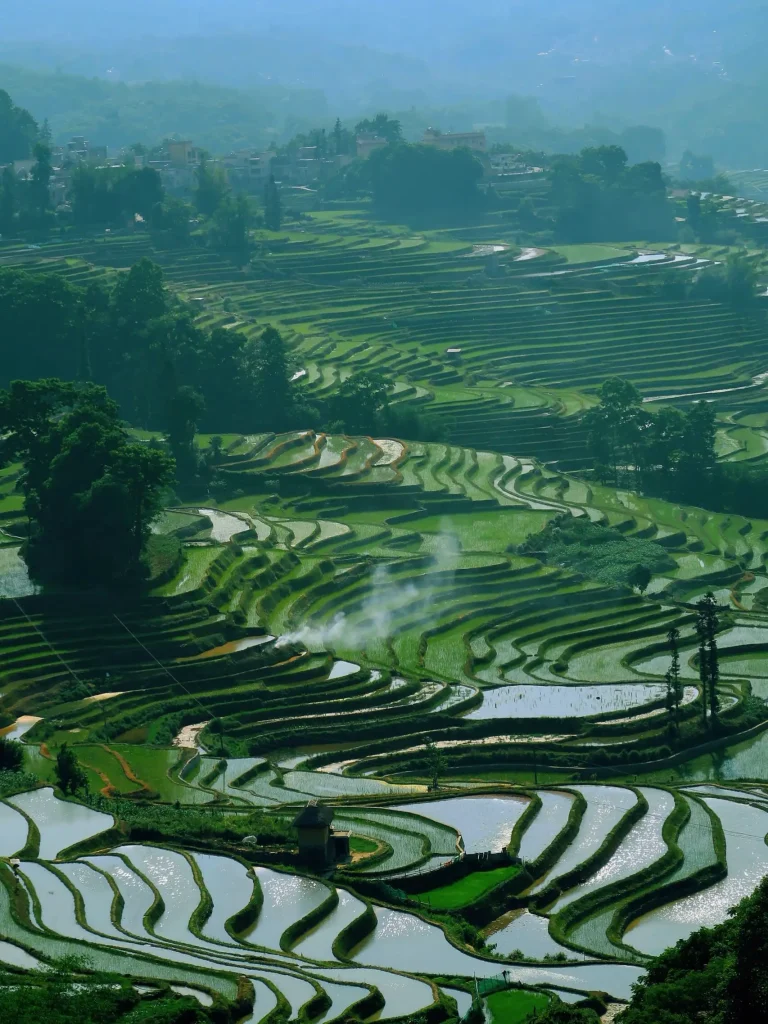
You’ll set your alarm for 5:30 AM, curse yourself on the dark walk to the viewing platform at Duoyishu, and then the sky breaks open — and suddenly 3,000 terraces carved into the mountainside catch the first light, turning into a cascade of gold, pink, and silver mirrors stretching to the horizon. It’s one of those moments that makes you forget you’re holding a camera.
The Yuanyang Rice Terraces are a UNESCO World Heritage site, hand-carved by the Hani people over 1,300 years. The best viewing season is November to April, when the terraces are flooded and reflect the sky like glass. Duoyishu is the classic sunrise spot; Bada and Laohuzui are best at sunset. Budget at least two full days — the terraces reward patience, and the Hani villages between viewpoints are destinations in themselves. Explore our complete Yuanyang Rice Terraces guide for viewpoint maps and transport tips.
3. Chase the Sacred Peak of Meili Snow Mountain
Kawagebo, the highest peak in Yunnan at 6,740 meters, has never been summited — it’s considered too sacred by the local Tibetans, and after a tragic 1991 expedition that killed 17 climbers, the Chinese government permanently banned all attempts. You can’t climb it. But you can stand at the Feilai Temple viewpoint at dawn and watch the first sunlight hit the peak in a phenomenon locals call “the golden crown” (rì zhào jīn dǐng). When it happens — and it’s not guaranteed — it’s the kind of moment that makes people cry.
December to February offers the highest chance of clear skies. Stay overnight in Feilai village (not Deqin town) to minimize your morning commute to zero. For the truly committed, the 4-5 day trek to Yubeng Village — a remote settlement accessible only on foot — is one of Yunnan’s most rewarding adventures.

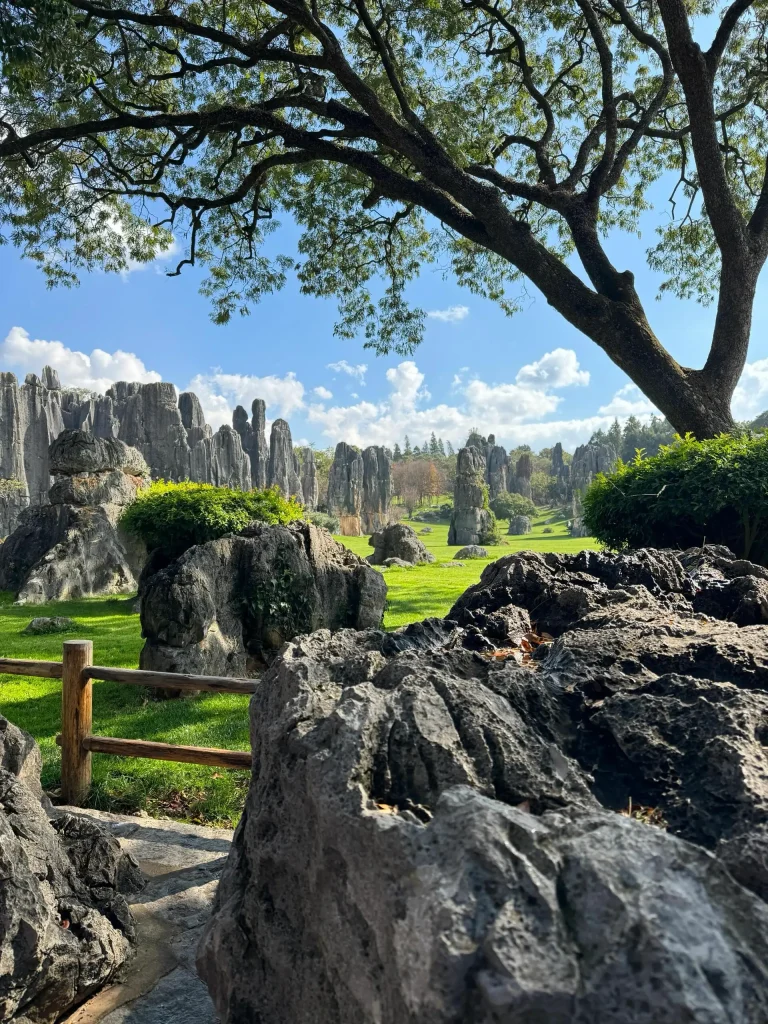
4. Navigate the Stone Forest
Imagine a forest, but replace every tree with a 30-meter limestone pillar. Now stretch that forest across 400 square kilometers. The Stone Forest (Shilin) is a 270-million-year-old geological wonderland that looks like the set of a science fiction film — towering karst formations riddled with narrow passageways, hidden ponds, and caves. It’s bizarre, beautiful, and unlike anything you’ve seen.
The park is a 90-minute drive from Kunming, making it an easy day trip. Skip the crowded main scenic area in the early afternoon — instead, arrive by 8 AM or head to the less-visited Naigu Stone Forest section, which is wilder and more atmospheric. The Yi ethnic minority’s Sani people are the traditional guardians of the forest, and if you visit during the Torch Festival (late July), the Stone Forest transforms into one of the most dramatic festival settings in China. Read our Stone Forest guide for routing and transport options.
5. Ride the Cable Car Up Jade Dragon Snow Mountain
The cable car deposits you at 4,506 meters — high enough that the air feels thin and the light turns sharp and crystalline. Below you, the glacier gleams blue-white against volcanic rock, and behind you, the entire Lijiang valley spreads out in miniature. It’s the most accessible high-altitude experience in Yunnan: no trekking required, though the altitude will remind you that you’re nearly a kilometer higher than any point in the Alps.
Book your cable car ticket through the official WeChat mini-program at least one day in advance — same-day tickets sell out by mid-morning in peak season. Take the altitude seriously: ascend slowly, don’t run, and consider buying a supplemental oxygen canister at the base station (¥10). The mountain is a 40-minute drive from Lijiang Old Town. Check our Lijiang travel guide for full logistics.

Ancient Towns & Living History
Yunnan’s ancient towns aren’t frozen-in-amber relics — they’re still home to people who drink tea on the same stone doorsteps their great-grandparents used. The trick is knowing when to visit (early morning, always) and where to wander (away from the main commercial streets, always).
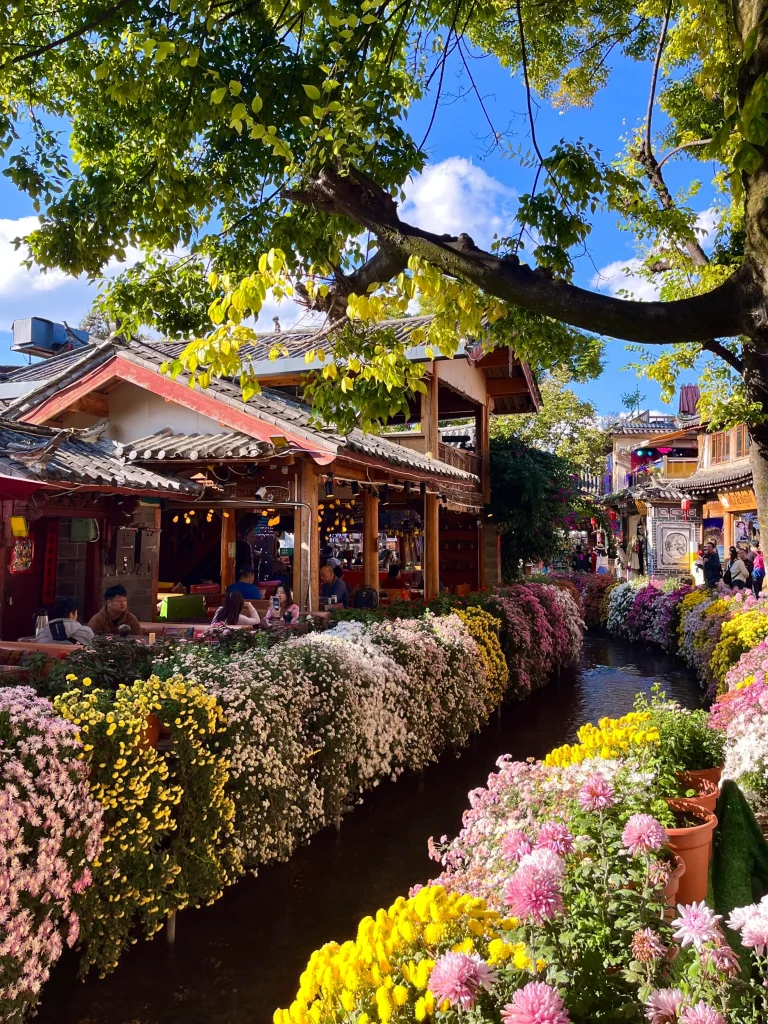
6. Get Lost in Lijiang Old Town at Dawn
Here’s the secret to Lijiang: wake up before the tour groups. At 6:30 AM, the UNESCO-listed Old Town belongs to you, the canal water, and the elderly Naxi women heading to the morning market with baskets on their backs. The cobblestone lanes catch the first light, woodsmoke drifts from courtyard kitchens, and for about two hours, you’ll understand exactly why this place earned its World Heritage status. By 10 AM, the souvenir shops will be open and the selfie sticks will be out. But you’ll have already had the real Lijiang.
Stay inside the Old Town rather than in the new city — the atmosphere after dark, when red lanterns reflect in the canals, is worth the premium. Don’t miss Baisha Village (20 minutes by bike), where centuries-old murals blend Buddhist, Taoist, and Naxi Dongba imagery. Read our complete Lijiang travel guide for where to stay, eat, and escape the crowds.
7. Cycle Around Erhai Lake in Dali
The 130-kilometer loop around Erhai Lake is one of those rides where you stop pedaling every few minutes — not because you’re tired, but because the view keeps changing. The western shore gives you the Cangshan Mountains reflected in still water. The eastern shore is quieter, dotted with fishing villages where Bai grandmothers dry fish on bamboo racks. And everywhere, the light does that Dali thing where everything looks like it’s been run through a film filter.
You don’t have to do the full loop. The most scenic section — Xizhou to Shuanglang along the western shore — is about 40 km and takes half a day on an e-bike. Rent from a reputable shop in Dali Ancient Town (¥50-80/day for an e-bike with enough battery for the full loop). Combine with a stop in Xizhou for a Bai-style breakfast of erkuai and the famous three-course tea. See our Dali travel guide for the best route options.

8. Step Back in Time in Shaxi
If Dali is what happens when a backpacker town grows up, Shaxi is what Dali was before anyone discovered it. This tiny market town — a former stop on the ancient Tea Horse Road — still holds a Friday morning market where Yi and Bai villagers come down from the hills to trade produce, herbs, and handmade goods. The cobblestone square, the 600-year-old Xingjiao Temple, and the restored caravanserai feel like a living diorama of Silk Road-era trade.
Shaxi is a 2.5-hour drive from Dali (or a long day trip from Lijiang). Stay at least one night — two if you want to hike the surrounding Shibao Mountain grottoes. Time your visit for a Friday to catch the market. The town has a handful of excellent small guesthouses and a surprising café scene. Learn more in our Yunnan hidden gems guide.
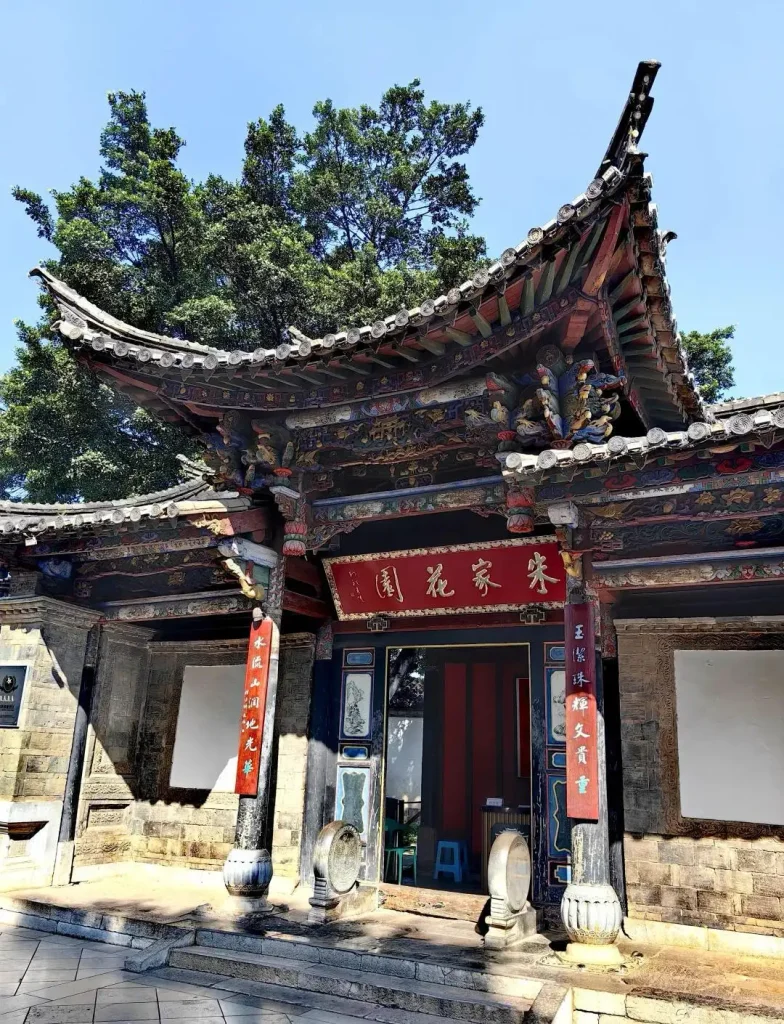
9. Walk the Confucian Heritage of Jianshui
Jianshui flies under most foreign tourists’ radar, which is exactly why you should go. This 1,200-year-old town in southeastern Yunnan has the largest Confucian temple outside of Qufu (Confucius’ birthplace), a double-decker city gate that rivals anything in Beijing, and some of the best food in the entire province — the famous Jianshui tofu, grilled over charcoal at street stalls until it puffs up like a golden pillow, is alone worth the detour.
The Zhu Family Garden — a sprawling Qing Dynasty mansion with 42 courtyards — is the architectural highlight. Combine with the surreal Swallow Cave, where millions of swallows nest in a river-carved grotto. Jianshui is a 3-hour train ride from Kunming and pairs well with a visit to Yuanyang (2.5 hours further south). See our hidden gems guide for a suggested southeastern Yunnan route.
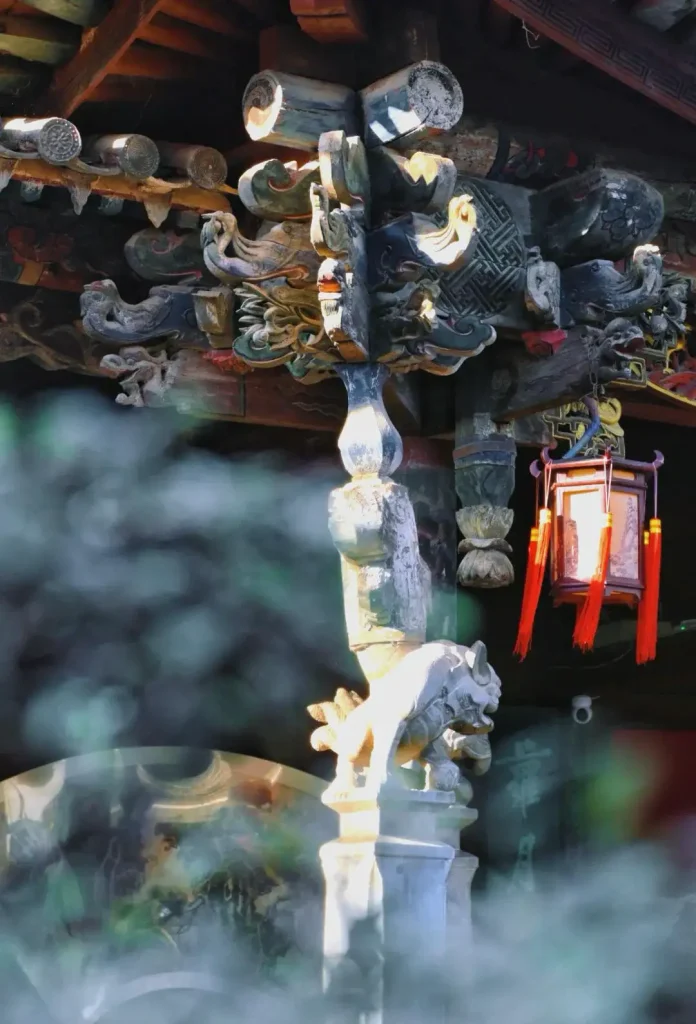
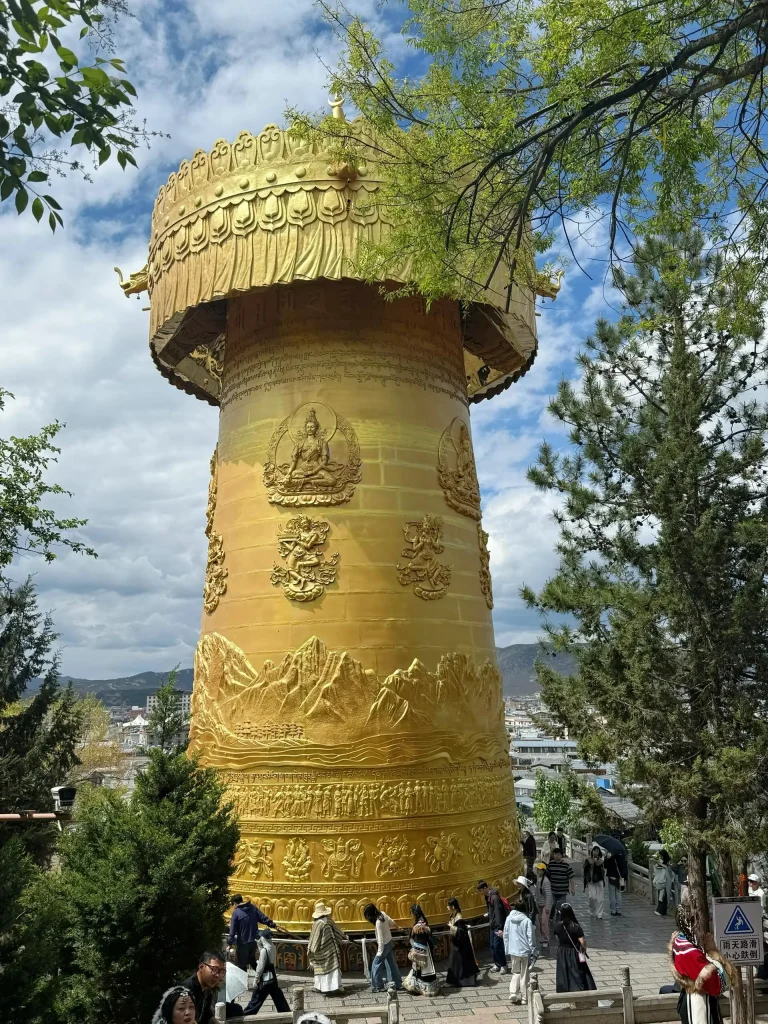
10. Spin the Giant Prayer Wheel in Shangri-La
The prayer wheel on Guishan Hill (Turtle Mountain) is the largest in the world — 21 meters tall, weighing 60 tons, and requiring at least four people pushing together to set it in motion. As it turns, the copper cylinder catches the setting sun, the 100,000 Buddhist scriptures sealed inside spin their prayers into the wind, and below you, the reconstructed Dukezong Old Town spreads out against a backdrop of snow-dusted peaks. It’s spectacle and spirituality rolled into one.
Shangri-La sits at 3,300 meters, so take the altitude seriously — spend a day acclimatizing before exerting yourself. Visit the enormous Songzanlin Monastery (often called the “Little Potala Palace”) in the morning light, and save the prayer wheel for golden hour. Our Shangri-La travel guide covers everything from altitude tips to yak butter tea etiquette.
Cultural Encounters & Ethnic Experiences
Yunnan is home to 25 ethnic minorities — more than any other province in China — and their traditions aren’t behind museum glass. They’re in the streets, the kitchens, the temples, and the festivals. These five experiences put you face-to-face with living cultures. For a deeper understanding of Yunnan’s ethnic diversity, explore our Yunnan culture guide.
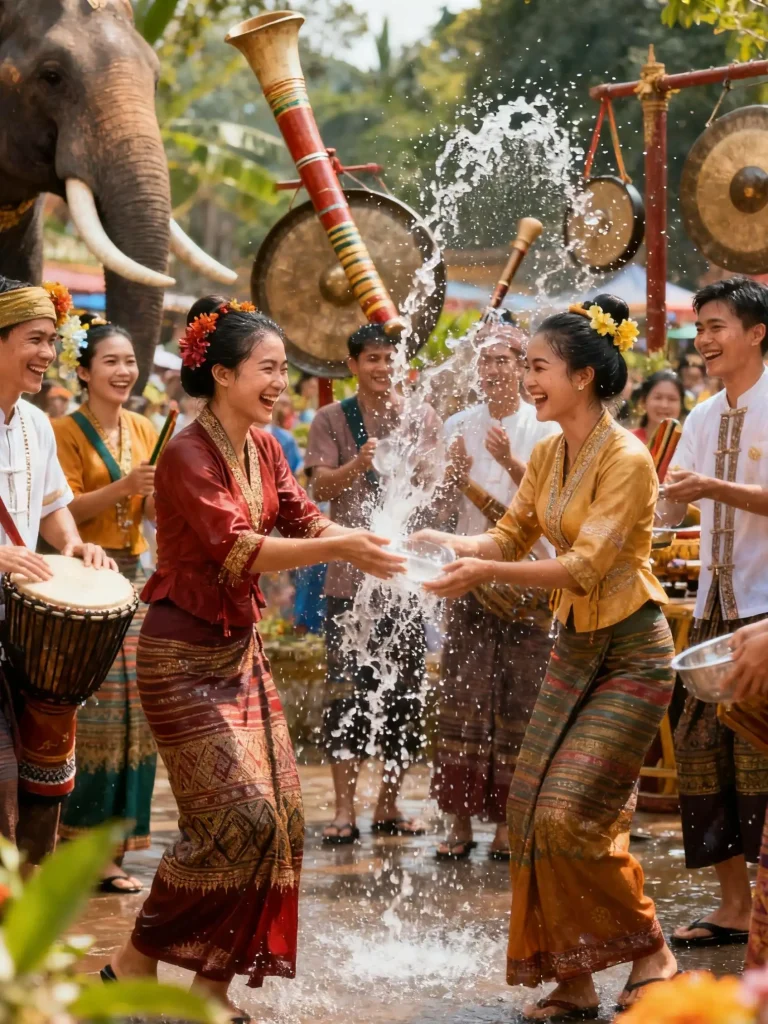
11. Get Drenched at the Dai Water Splashing Festival
Every April, the Dai people of Xishuangbanna celebrate their New Year with three days of enthusiastic, city-wide water warfare. The rules are simple: everyone gets wet. Strangers splash strangers. Grandmothers drench tourists. Fire trucks drive down the main street hosing down the crowd. Being thoroughly soaked is considered a blessing — the more water you receive, the more good luck you carry into the new year. It’s the most joyful, chaotic, and participatory festival you’ll ever attend.
The main celebrations happen in Jinghong (Xishuangbanna‘s capital) around April 13-15, though exact dates follow the Dai calendar. Book accommodation weeks in advance — the entire city fills up. Wear clothes you don’t mind sacrificing, waterproof your phone, and bring a water gun if you want to fight back. Read our Yunnan festivals guide for exact dates and survival tips.
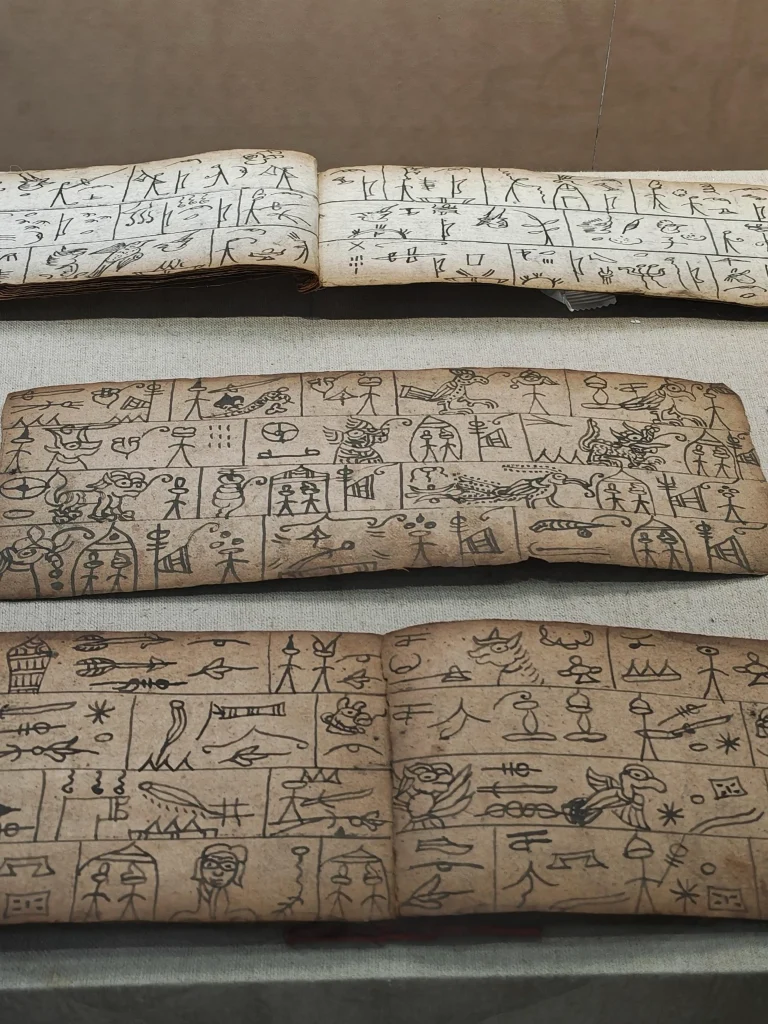
12. Decode Naxi Dongba Pictographs in Baisha Village
In a quiet courtyard in Baisha Village — 20 minutes by bike from Lijiang — a Dongba priest sits at a wooden table, brush in hand, painting symbols that look like they belong in an ancient Egyptian tomb. But this isn’t a dead language. The Naxi Dongba script is the world’s only pictographic writing system still in active ceremonial use, and in Baisha, you can watch it being written, learn what the symbols mean, and even try your hand at painting a few.
Baisha is also home to the remarkable Baisha Murals — 500-year-old frescoes that mix Buddhist, Taoist, and Dongba imagery in ways found nowhere else. The village is blissfully quiet compared to Lijiang Old Town and has several excellent small cafés. Dive deeper in our Naxi Dongba culture guide.
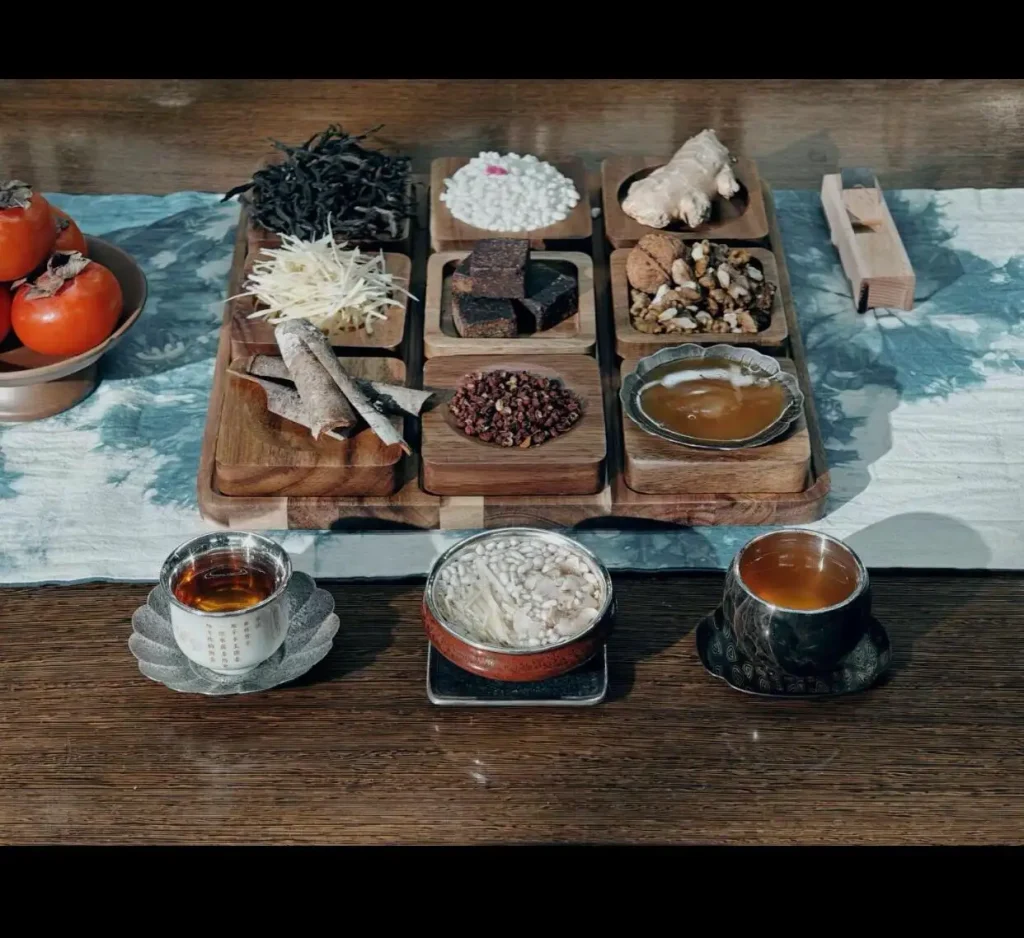
13. Drink the Three-Course Tea with the Bai People
The first cup is bitter. The second is sweet. The third is “reflective” — a complex, lingering flavor that’s meant to represent the fullness of life after you’ve known both hardship and joy. The Bai people‘s three-course tea ceremony (sān dào chá) is part ritual, part philosophy lesson, and part excuse to sit in a beautiful courtyard and talk for an hour.
The best place to experience it is Xizhou, a Bai town on the western shore of Erhai Lake, about 30 minutes from Dali. Several traditional homes offer the ceremony along with Bai cultural performances. Combine it with a visit to the Xizhou morning market — one of the most authentic local markets in all of Yunnan. Read more in our Bai culture guide.
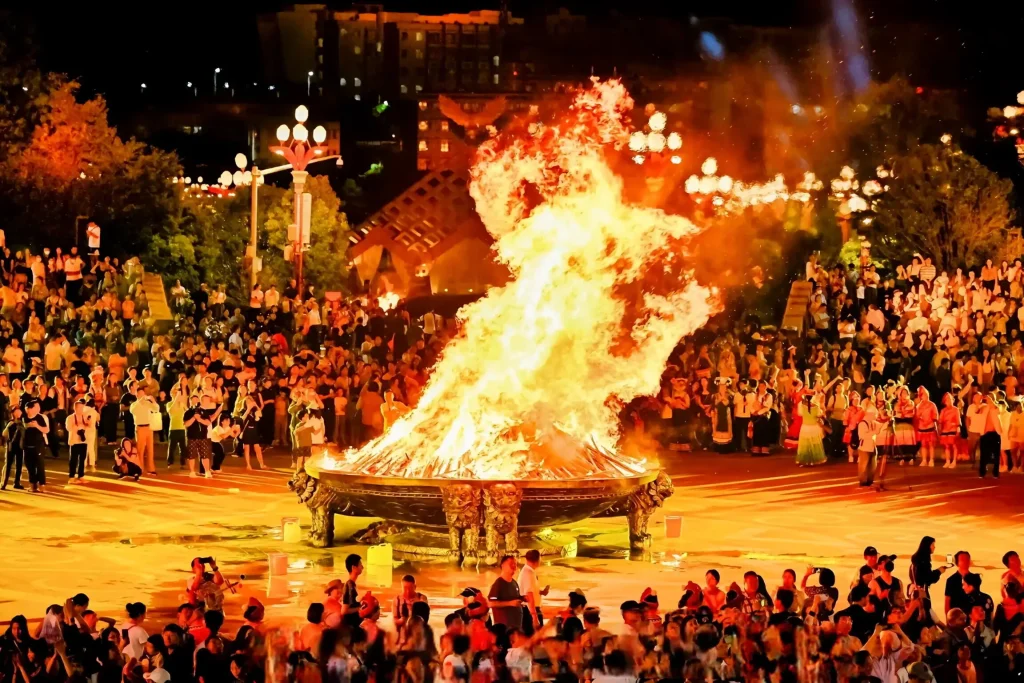
14. Dance Around Bonfires at the Yi Torch Festival
Imagine an entire mountainside lit by thousands of hand-held torches, moving in rivers of fire down darkened paths while drums pound and Yi men and women in embroidered finery dance in circles around bonfires tall enough to throw sparks fifty feet into the night sky. The Torch Festival (huǒbǎ jié), held in late July or early August, is three days of fire worship, bullfighting, wrestling, and communal feasting that has earned it the title “the Oriental Carnival.”
The largest celebrations happen in Chuxiong (3 hours from Kunming) and the Stone Forest area. Unlike the Water Splashing Festival, which is widely known internationally, the Torch Festival remains relatively under-the-radar for foreign tourists — meaning you’ll likely be one of very few non-Chinese visitors, which makes the experience feel even more authentic. See our Yunnan festivals guide for dates and logistics.
15. Visit a Mosuo Matriarchal Family at Lugu Lake
Lugu Lake straddles the Yunnan-Sichuan border, a deep-blue alpine lake ringed by forested mountains and small wooden villages. It’s beautiful in the conventional sense — but what makes it truly extraordinary is the Mosuo people, who maintain one of the world’s last matriarchal societies. Women head the households, property passes through the female line, and romantic partnerships follow a “walking marriage” system where couples never formally live together.
Several Mosuo families welcome visitors for home-cooked meals and cultural introductions — this isn’t a tourist performance but a genuine exchange. The most respectful way to experience Mosuo culture is to stay in a family-run guesthouse in Lige or Luoshui village, share a meal, and ask questions with genuine curiosity. Paddle a traditional dugout canoe (zhūchí chuán) on the lake at sunset for one of Yunnan’s most serene moments. Learn more in our Mosuo people guide.

Food Adventures
In Yunnan, eating isn’t just sustenance — it’s adventure. The province’s cuisine draws on wild-foraged ingredients, Southeast Asian influences, and the traditions of 25 ethnic groups to produce food that defies every stereotype about Chinese cooking. For the complete culinary picture, explore our Yunnan food guide.
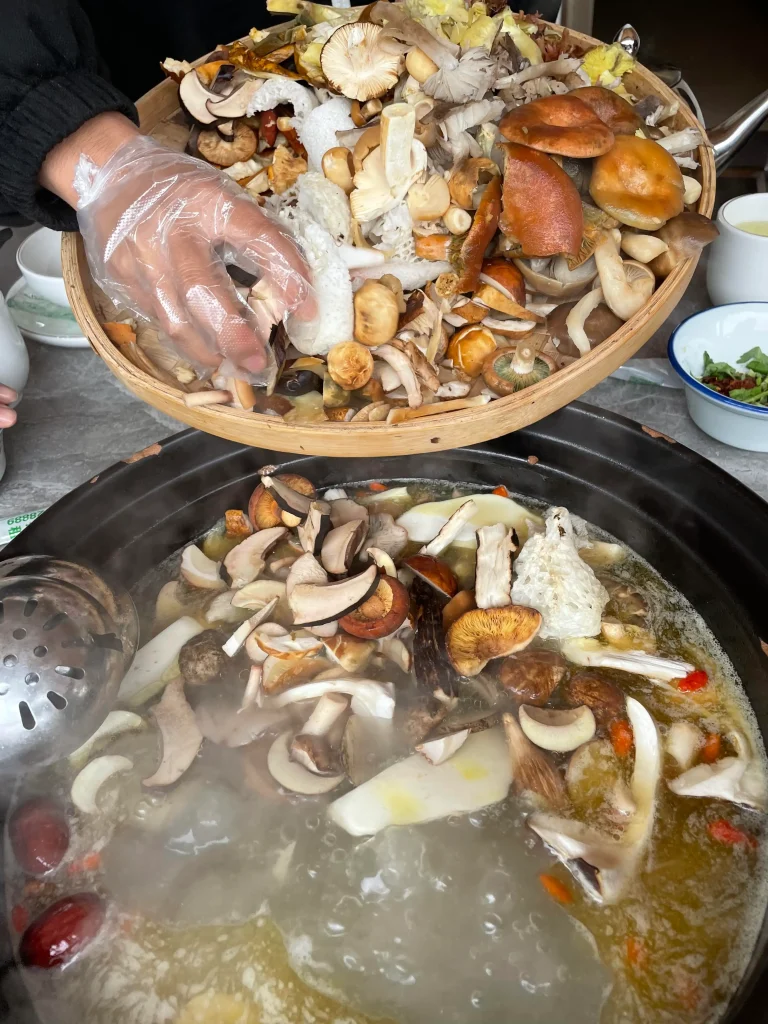
16. Brave a Wild Mushroom Hot Pot
Between June and October, Yunnan’s mountains produce over 800 species of edible wild mushrooms — more than almost anywhere else on Earth. This is mushroom season, and the centerpiece experience is the wild mushroom hot pot (yě shēng jūn huǒguō): a bubbling cauldron of rich broth into which you feed a rotating cast of matsutake, porcini, chanterelles, chicken-oil mushrooms, and a dozen varieties whose names you’ll forget but whose flavors you won’t.
The key rule: only eat wild mushrooms at established, reputable restaurants with experienced staff. This is not a joke — certain Yunnan mushrooms are psychoactive, and every summer the local news runs reports of “the season’s first mushroom poisoning.” A good mushroom restaurant knows exactly which species are safe and how long each needs to cook. Kunming’s Guanshang neighborhood has the highest concentration of dedicated mushroom restaurants. Dive deeper in our wild mushroom guide.
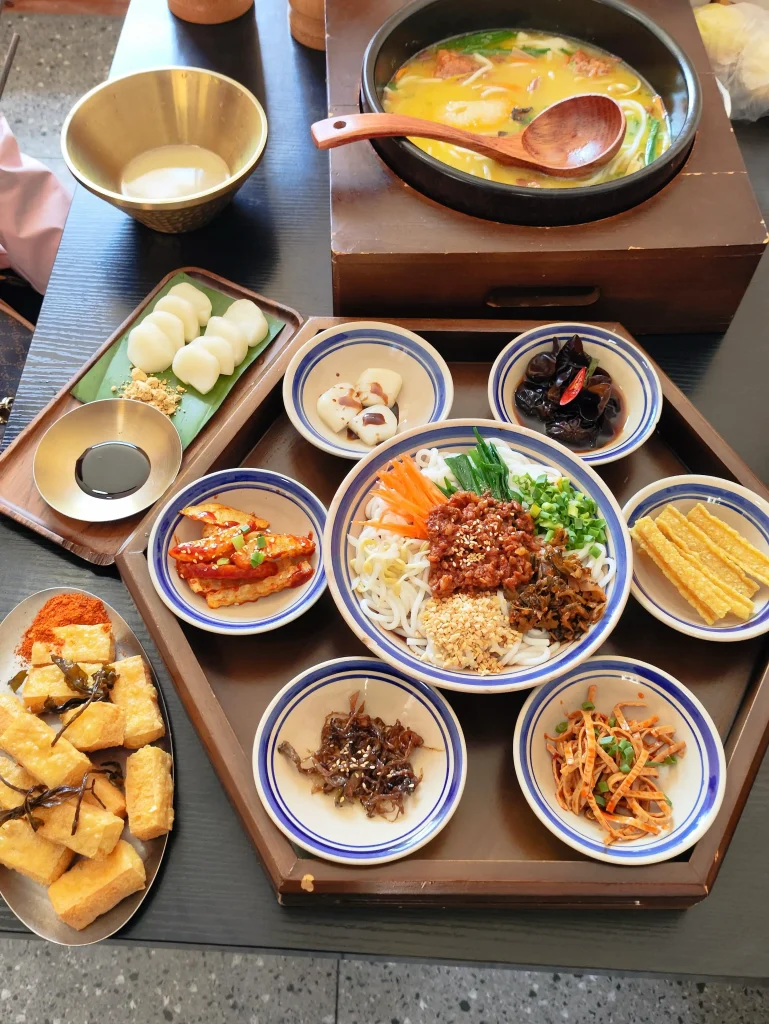
17. Assemble Your Own Crossing the Bridge Noodles
A bowl of chicken broth arrives at your table so hot that a thin layer of oil on the surface keeps it from steaming — which fools you into thinking it’s not boiling. Then you add the ingredients one by one: paper-thin slices of raw chicken, quail eggs, chrysanthemum petals, tofu skin, chives, and finally the silky rice noodles. The scalding broth cooks everything in seconds. It’s interactive, theatrical, and deeply satisfying.
Crossing the Bridge Rice Noodles (guòqiáo mǐxiàn) originated in the city of Mengzi in southeastern Yunnan, and the love story behind it — a wife who figured out how to keep soup hot during the long walk across a bridge to her studying husband — is part of every bowl. The most authentic versions come with 20+ ingredient plates. In Kunming, Jianxin Garden on Baita Road is a local institution. For the full history and our restaurant picks, see our Crossing the Bridge Noodles guide.
18. Try Yunnan’s Cheese — Yes, Cheese in China
Western visitors who’ve resigned themselves to a cheese-free trip through China are in for a surprise. The Bai people of Dali have been making rubing — a firm, non-melting goat’s milk cheese similar to halloumi — for centuries. It’s pan-fried until the outside turns golden and slightly crispy, then served with a sprinkle of salt and chili, or — in the version that converts even skeptics — drizzled with local rose-petal jam.
You’ll find rubing at street stalls and restaurants throughout Dali and Kunming. For the freshest version, visit a morning market in Dali’s Xizhou village, where Bai women sell it still warm from the mold. Another Yunnan dairy specialty: rushan (“milk fan”), a thin sheet of stretched cheese dried over racks and eaten fried — it looks like a crepe and tastes like nothing you’ve expected to find in China. Read more in our Yunnan cheese guide.

19. Feast Through a Xishuangbanna Night Market
The night markets of Jinghong don’t feel like China. They feel like Chiang Mai with better food. Stall after stall of grilled meats wrapped in banana leaves, pineapple rice served inside a carved pineapple, sticky rice steamed in bamboo tubes, tropical fruit you can’t name, and — at the more adventurous stalls — fried crickets, bamboo worms, and silk pupae arranged in glistening piles.
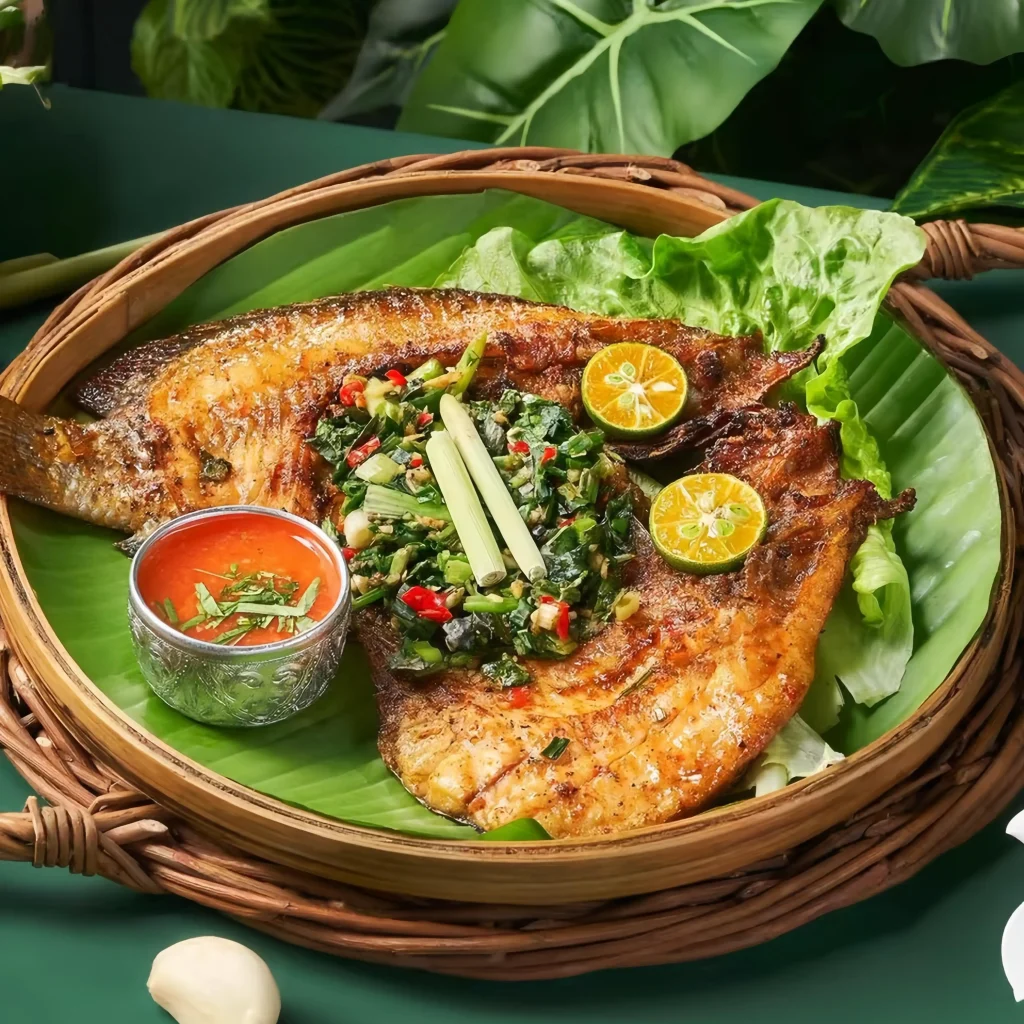
The star dish is Dai grilled fish (kǎo yú): a whole freshwater fish stuffed with lemongrass, chili, galangal, and fresh herbs, grilled over charcoal until the skin shatters and the flesh falls apart. Dipped in the sour-spicy Dai dipping sauce, it’s the single dish that best captures Yunnan’s identity as the bridge between China and Southeast Asia. The Manting Road night market in Jinghong is the largest and most famous; the Gasa Road market is smaller and more local. Get the full breakdown in our Xishuangbanna food guide.
Off the Beaten Path
For travelers who’ve done the golden route and want something wilder, quieter, and more yours.
20. Drive Through the Dongchuan Red Earth
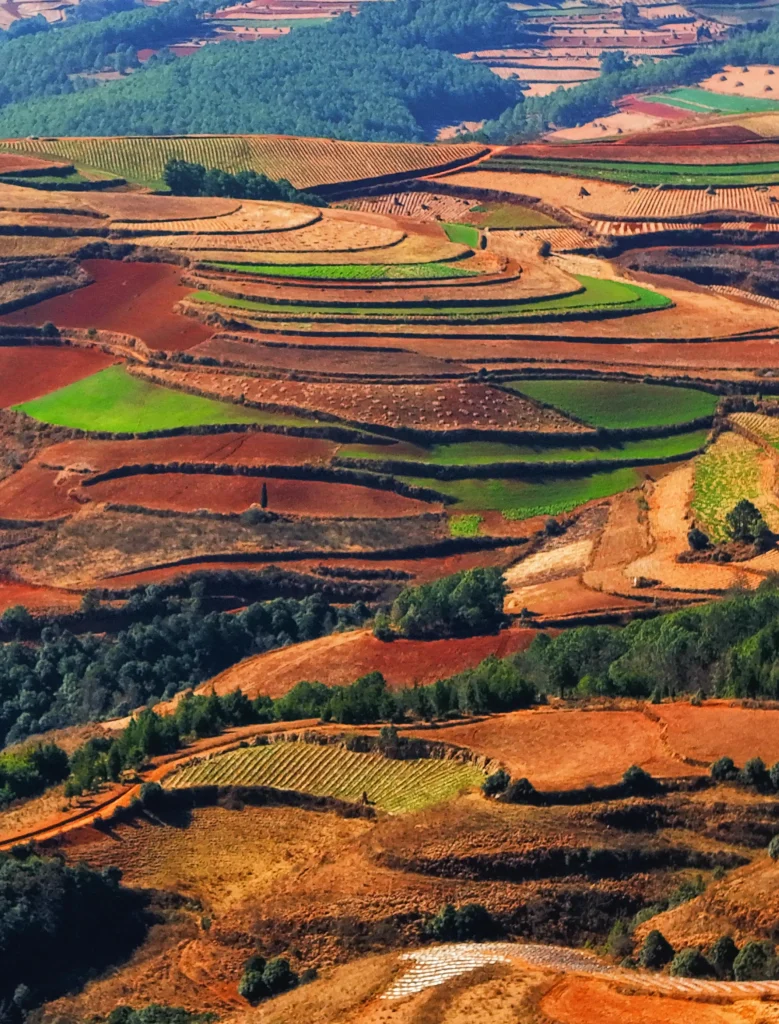
Imagine a landscape where the earth itself is the attraction — rolling hills striped in crimson, burnt orange, deep ochre, and vivid green where crops cut geometric patterns across the red clay. The Dongchuan Red Earth (Hóngtǔdì) looks like a painter’s palette tipped onto a mountainside, and in certain light — especially early morning and late afternoon — the colors are so saturated they look digitally enhanced. They’re not.
Dongchuan is a 3-4 hour drive northeast of Kunming, and the photographic sweet spots — Luoxiagou (for sunsets), Damakan (for sunrises), and Qicai Slope (for the most intense color bands) — are spread across a scenic loop that takes a full day to drive. The best color seasons are May to June (green crops against red soil) and November to December (golden crops and freshly plowed red fields). Hire a driver from Kunming — public transport to the viewpoints is impractical. See our Yunnan hidden gems guide for routing and photography tips.
Plan Your Yunnan Itinerary
Twenty experiences, one province, and the hardest part is choosing which ones to fit into your trip. Here’s how to start narrowing it down:
Short on time (7 days)? Focus on the golden route — Kunming, Dali, Lijiang, and either Shangri-La or Tiger Leaping Gorge. You’ll comfortably cover experiences 1, 5, 6, 7, and 16-18 from this list.
Got more room (10-14 days)? Add Xishuangbanna for the tropical south (experiences 11, 19) or Yuanyang for the terraces (experience 2). Our recommended Yunnan itineraries for 7, 10, and 14 days map out the exact routes, transport connections, and daily plans.
Want to go deep? Three weeks lets you cover the golden route plus Xishuangbanna, Yuanyang, and hidden gems like Shaxi, Jianshui, and Dongchuan (experiences 8, 9, 20).
For the full planning picture — including visa info, transport, payment apps, and packing tips — head back to our ultimate Yunnan travel guide. To understand the cultural side, read our Yunnan culture guide. And for a complete culinary roadmap, start with our Yunnan food guide.
A: It depends on your interests, but Tiger Leaping Gorge consistently tops most travelers’ lists. It’s one of the world’s best multi-day treks, accessible without permits or guides, and the scenery is genuinely jaw-dropping. For non-hikers, the sunrise at Yuanyang Rice Terraces is equally unforgettable.
A: A minimum of 7 days covers the classic Kunming–Dali–Lijiang–Shangri-La route. With 10-14 days, you can add Xishuangbanna or Yuanyang. Three weeks lets you explore hidden gems like Shaxi, Jianshui, and the Dongchuan Red Earth.
A: Absolutely. Yunnan is one of the most traveler-friendly provinces in China. The tourist infrastructure along the golden route is well-developed, the pace is relaxed compared to megacities like Beijing or Shanghai, and the cultural diversity means every day brings something new.
A: March to May for spring flowers and filled rice terraces. June to October for wild mushroom season. September to November for trekking and photography. December to February for snow mountain views. Avoid National Day (October 1-7) and Chinese New Year when crowds peak.
A: Most of the 20 experiences in this list can be done independently. Tiger Leaping Gorge, the ancient towns, and all the food experiences require no guide. For remote destinations like Dongchuan Red Earth and Meili Snow Mountain, hiring a driver is recommended. Festivals like the Water Splashing Festival and Torch Festival are public events anyone can attend.