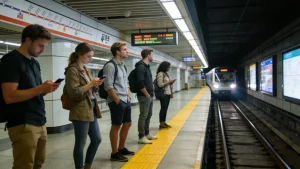
For the past decade, international travelers in Chengdu often felt like they were living in a sci-fi movie where paper money had been abolished. However, as of February 1, 2026, a major policy shift has brought banknotes back into the legal spotlight.
But does this mean you can tuck your smartphone away and rely solely on a physical wallet? Not quite. Here is the reality of using cash in Chengdu in 2026.
1. The Legal Reality: No More “Digital Only”
Under the national regulations that came into effect on February 1, 2026, any entity in China that provides face-to-face services—including supermarkets, restaurants, and public utilities—is legally required to accept Renminbi (RMB) cash.
In Chengdu, this means that the “We only accept WeChat” signs that once dominated the city’s “Fly Restaurants” and convenience stores are officially a thing of the past. If a business refuses your banknotes, you now have clear legal backing to lodge a complaint.
2. The Practical Friction: Why Cash Isn’t Always “King”
While the law has changed, daily habits haven’t shifted overnight. Most locals still reach for their phones by default, and this creates a few specific hurdles for cash-using tourists:
- The “No Change” Trap: This is the most common issue. While a vendor might be willing to take your 100 RMB note for a 15 RMB bowl of Dan Dan noodles, they frequently lack physical change in their till.
- The QR Push: Small shop owners may still politely “push” you toward scanning a QR code first, as it is faster and avoids the hassle of handling physical currency.
- Verification Friction: Some automated kiosks (like those for power bank rentals or some vending machines) may still struggle with physical bill validators despite the new laws.
3. Essential Strategy: The “Small Note” Rule
If you prefer cash, your success in Chengdu depends on your denominations.
- Avoid large stacks of 100s: These are difficult for street food vendors or taxi drivers to break.
- Hoard your 10s and 20s: Use your 100 RMB notes at large supermarkets (like Ito Yokado) or your hotel to “break” them into smaller bills, which you can then use at local teahouses or markets.
- Exact Change for Buses: While the Metro supports international cards, local buses still accept cash but do not provide change. Most bus fares are a flat 2 RMB, so keep those coins and 1 RMB notes handy.
4. Where to Withdraw Cash in Chengdu
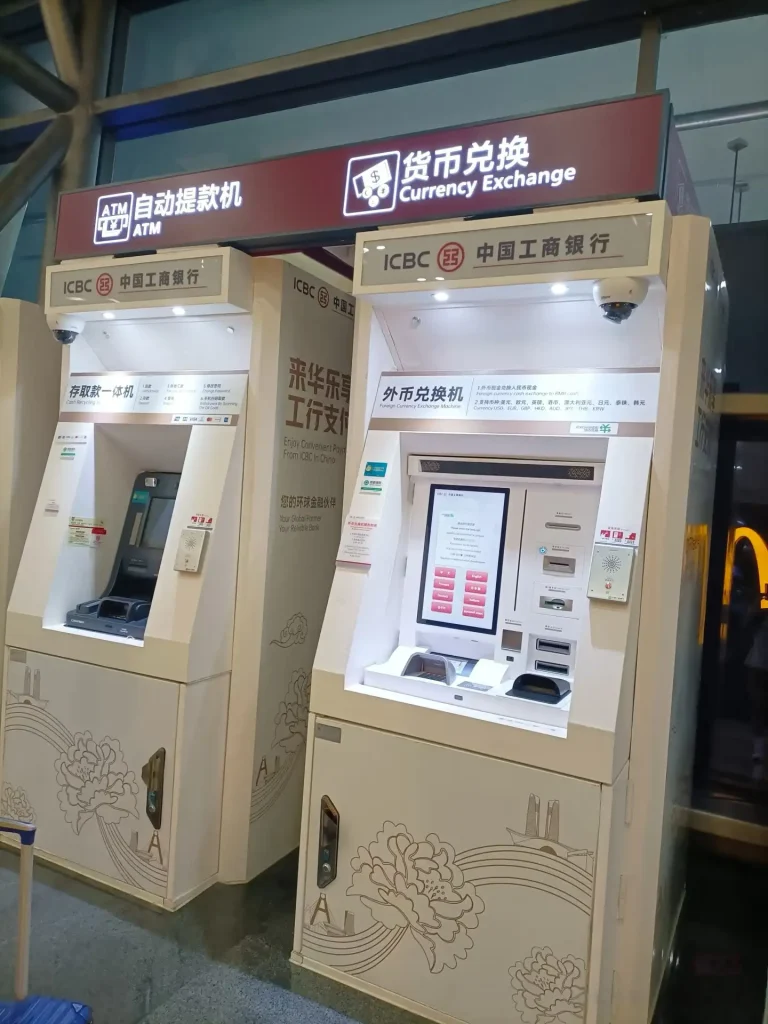
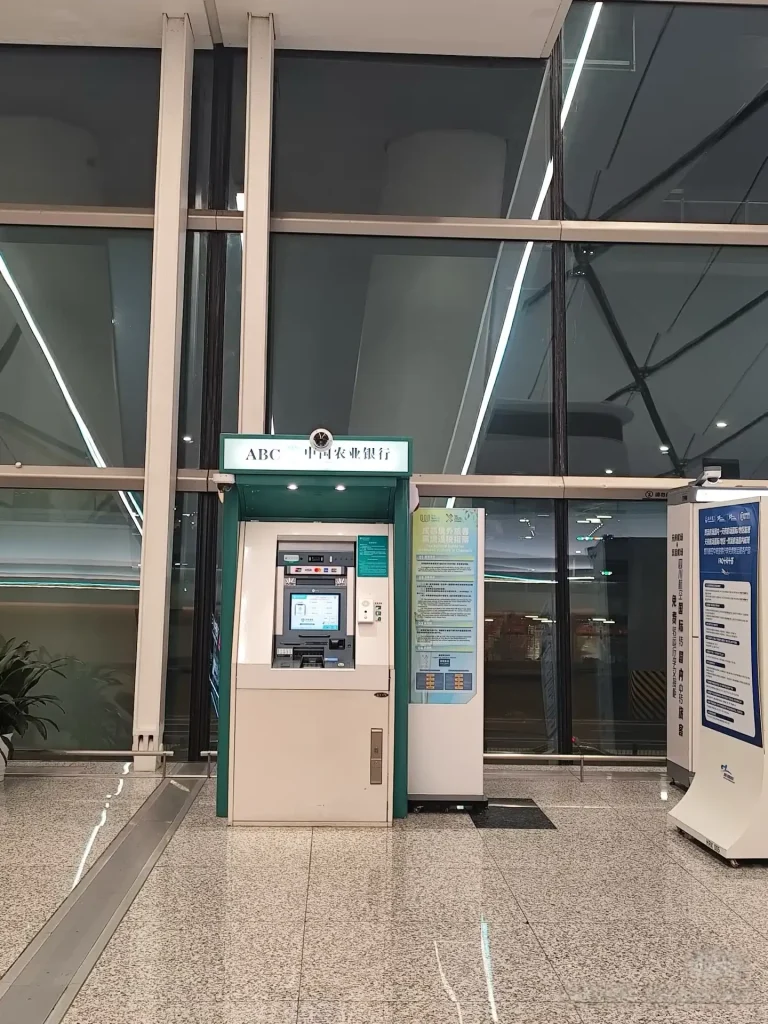
ATMs are widely available and generally the most reliable way to get RMB. Look for major banks like Bank of China (BoC), ICBC, or China Construction Bank (CCB), which consistently accept international Visa and Mastercard for withdrawals.
- Airport ATMs: Both Tianfu (TFU) and Shuangliu (CTU) have ATMs in the arrivals hall. It is highly recommended to withdraw at least 500-1,000 RMB upon landing as an emergency backup.
Conclusion: Use Cash as your “Plan B”
The 2026 Cash Rule is a victory for traveler accessibility, but Chengdu remains a digitally-driven city at heart. Think of cash as your reliable safety net and Alipay as your primary tool.