In a nation of 1.4 billion people who historically didn’t eat dairy, one small community in Yunnan has been making cheese for over a thousand years — and the result is one of China’s most delightful culinary anomalies.
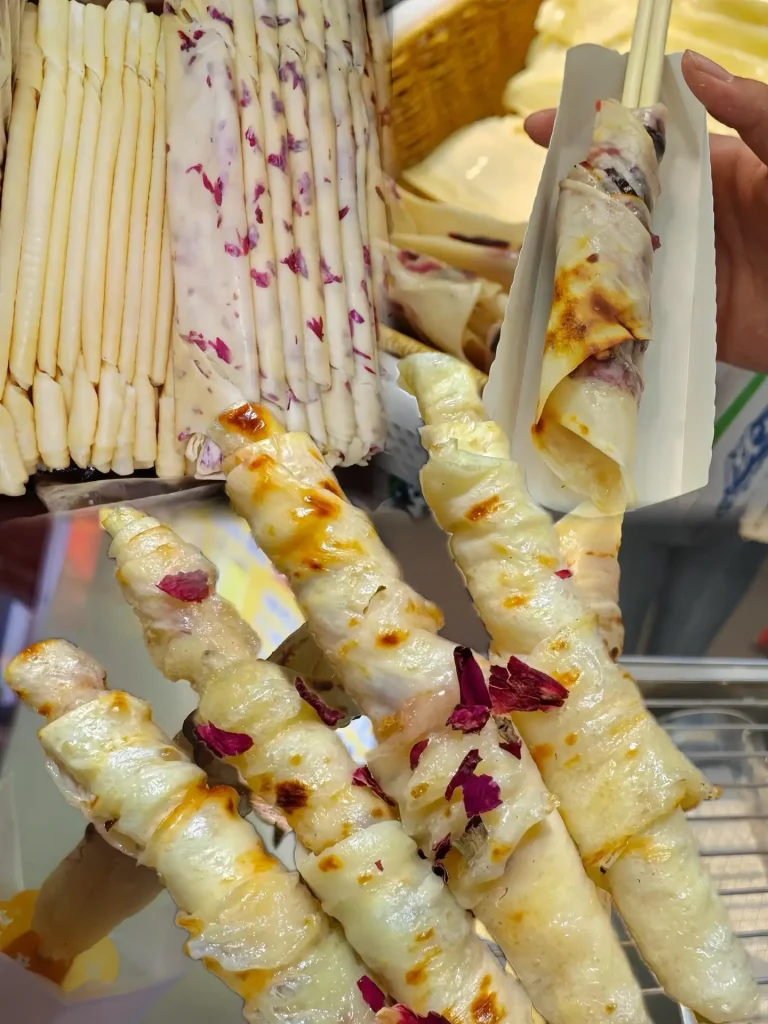
China is not a cheese country. With the exception of some Mongolian and Tibetan dairy traditions in the north and west, the vast majority of China’s population never developed dairy processing as part of their food culture. But in the hills around Dali and Erhai Lake, the Bai people have been making cheese for at least 800 years — and possibly much longer. The result is two unique dairy products, rushan and rubing, that exist nowhere else on Earth and that represent one of the most fascinating food-culture anomalies in Asia.
This guide explains why Yunnan has cheese when the rest of China doesn’t, how rushan and rubing are made, where to taste and buy them, and why food historians find them so significant. For the full Yunnan food picture, see our Yunnan food guide.
Why the Bai Have Cheese
The question has fascinated food scholars for decades. Several theories explain the Bai dairy exception:
Central Asian influence: The Tea Horse Road and earlier trade routes brought Central Asian and Tibetan cultural influences to the Dali region. The cheese-making technique may have traveled east along these routes.
The Nanzhao Kingdom connection: The Nanzhao and Dali Kingdoms maintained extensive contacts with Indian, Tibetan, and Southeast Asian cultures. Dairy traditions from India or Central Asia may have been adopted during this cosmopolitan period.
Pastoral tradition: The Bai have a long tradition of cattle and goat herding in the foothills of Cangshan Mountain. With milk available, developing preservation and processing techniques was a natural step — especially given the practical need to prevent milk from spoiling in Yunnan’s warm climate.
Genetic factors: Some researchers have noted that the Bai may have a higher rate of lactase persistence (the ability to digest milk as adults) than other Chinese populations — though this remains debated.
Whatever the origin, the result is a cheese tradition that has been refined over centuries and remains vibrantly alive today.
Rushan ( Milk Fan)
How it’s made: Fresh cow’s milk is heated in a large wok. An acid solution — traditionally made from sour plum vinegar (suān méi cù) or papaya juice — is added, causing the milk to curdle. The resulting curds are scooped out and stretched by hand into thin, elastic sheets using a technique remarkably similar to Italian mozzarella production. The sheets are draped over bamboo sticks and dried in the sun. The drying process concentrates the flavor and creates a firm, slightly translucent sheet that can be stored for weeks.
How to eat it: Deep-fried (the most common — crispy, tangy, served with rose jam or condensed milk). Grilled over charcoal (smoky, slightly chewy). Rolled around sweet or savory fillings. Or simply eaten dried as a snack.
Where to see production: Zhoucheng village and Deng Chuan (north of Erhai Lake) are the main production centers. In the morning, you can watch Bai women stretching the hot milk sheets and draping them on bamboo racks in their courtyards. The drying racks — rows of golden-white sheets glinting in the sun against the blue of Erhai Lake — are one of Dali‘s most photogenic scenes.
Rubing (Milk Cake)
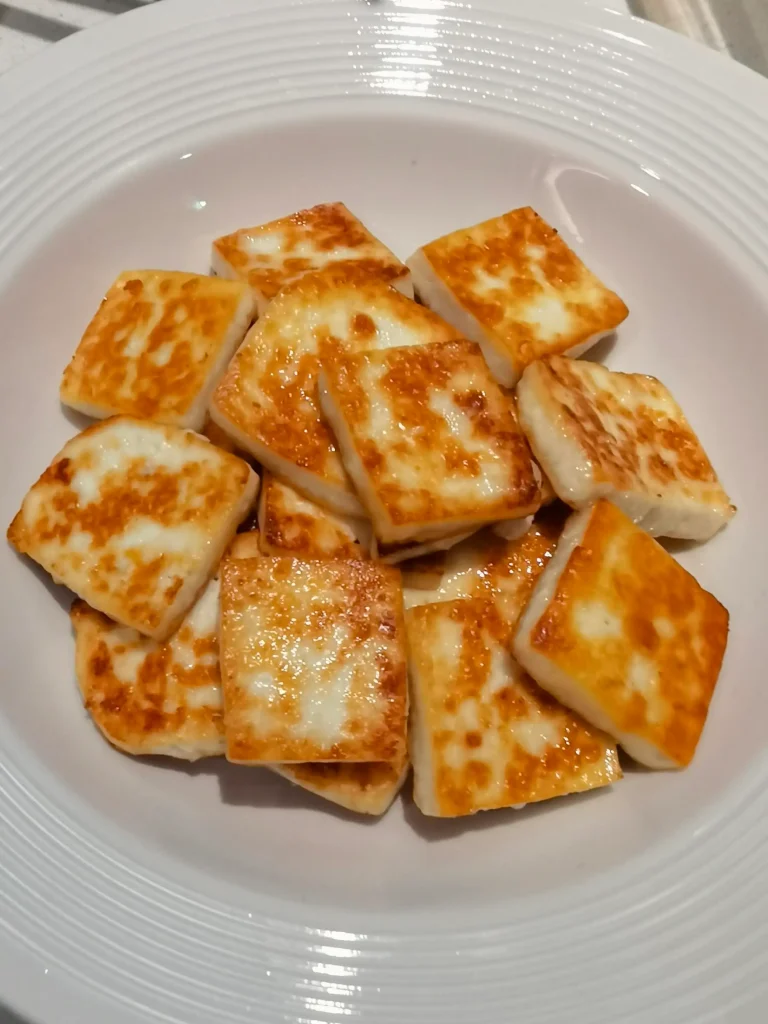
How it’s made: Fresh goat’s milk is heated and coagulated using an acid, then pressed into firm rectangular blocks and dried slightly. The result is a fresh, white cheese with a firm texture and mild, clean, milky flavor. Think: a cross between Indian paneer and Greek halloumi.
How to eat it: Pan-fried in butter or oil until golden on both sides (the classic and best preparation). Served with rose jam for dipping, or with chili salt, or simply plain. The exterior develops a delicate crust while the interior softens to a creamy consistency. Also excellent in stir-fries with vegetables or sliced cold as an appetizer.
Where to buy: Morning markets across the Dali region — Xizhou, Dali Ancient Town, Wase (Monday market), and Zhoucheng. Buy from vendors who made the cheese that morning for the freshest version. A block costs ¥10–20.
Where to Experience Yunnan Cheese Culture
Xizhou: The best single destination — three-course tea ceremonies that include rushan, breakfast stalls serving fried rubing, and access to production villages.
Zhoucheng: Production center for both rushan and tie-dye. See cheese being made in the morning and buy directly from makers.
Deng Chuan: The dairy capital of the Dali region — less visited than Xizhou but with a more concentrated cheese-production scene.
Dali Ancient Town: Rushan and rubing are on every restaurant menu. Street vendors sell fried versions for ¥5–15. Quality varies — the best restaurants use fresh, locally made cheese.
For the Bai cultural story behind the cheese, our culture guide provides the full context. For Dali’s broader food scene, our destination food guide covers everything.
The Bai people around Dali developed a dairy tradition likely influenced by Central Asian or Tibetan cultures via the Tea Horse Road and the ancient Nanzhao/Dali Kingdoms. Combined with local cattle/goat herding, they created two unique cheeses — rushan and rubing — that have been produced for at least 800 years.
Mildly tangy with a concentrated dairy flavor. Deep-fried rushan is crispy and light, often dipped in rose jam. Grilled versions are smoky and slightly chewy. The flavor is unique — not quite like any Western cheese, but familiar and appealing to dairy lovers.
Dried rushan travels well and makes an excellent souvenir — it keeps for weeks at room temperature. Rubing is a fresh cheese and doesn’t keep long — eat it within 2–3 days. Vacuum-packed rubing is available at some markets for slightly longer storage.